




Choosing the right career is one of the most important decisions in life, yet most people make it based on guesswork, pressure, or confusion. The Importance of Career Counselling steps in as a trusted guide. It helps students, parents, and even working professionals understand their interests, personality, strengths, and long-term goals so they can make better choices.
In today’s fast-changing world, new jobs are emerging every year, industries are evolving, and traditional career advice is no longer enough. This is why career counselling has become more important than ever.
What Is Career Counselling?
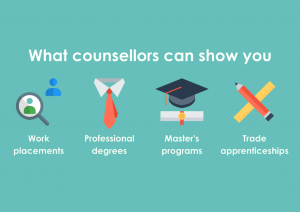
Career counselling is a structured process where a trained counsellor helps individuals understand themselves and the world of work. The goal is to guide them toward a career path that fits their strengths, preferences, and future aspirations.
It usually includes career tests, one-on-one sessions, goal mapping, and guidance on courses, subjects, and opportunities.
Why Career Counselling Matters Today

Clarity in a Confusing World
Many students pick careers based on what their friends choose or what their parents suggest. Career counselling removes this confusion and helps them understand what suits them personally.
Awareness of New-Age Careers
Today, careers like AI Specialist, UX Researcher, Digital Marketer, Ethical Hacker, and Sports Analyst are becoming popular. Without proper guidance, students often miss out on such opportunities.
Understanding Strengths and Weaknesses
Career counselling often includes psychometric assessments to identify an individual’s personality type, analytical skills, communication style, and natural abilities. This gives them a clear direction.
Reduced Career Stress
When students know what they want and why they want it, their confidence increases and stress decreases. This makes academic planning easier and more meaningful.
How Career Counselling Helps Different Age Groups
For School Students
They can decide the right subjects after Class 10, understand career options early, and avoid last-minute confusion in Classes 11–12.
For College Students
They receive help in choosing the right degree, internships, and specializations based on long-term goals.
For Working Professionals
Career counselling becomes useful during job transitions, burnout, or when switching industries.
The Importance of Career Counselling: A Simple Real-Life Example

Imagine a Class 10 student, Rhea, who loves drawing but also enjoys working with technology. Her parents push her toward science because “it has more opportunities.”
After attending a career counselling session and taking a psychometric test, she discovers that her strengths align with creativity and digital tools. The counsellor suggests careers like UI/UX design, animation, or graphic design—fields that combine creativity with technology.
This clarity helps her choose the right subjects and ultimately take a career path that fits her perfectly.
Pros and Cons of Career Counselling
| Pros | Cons |
|---|---|
| Helps individuals make informed decisions | Quality of guidance depends on the expertise of the counsellor |
| Reduces confusion and stress | Some assessments may be costly |
| Expands awareness of new careers | Requires time and willingness to participate |
| Encourages personal growth | Results may vary if the student is not honest during tests |
The Importance of Career Counselling: Key Takeaways

The Importance of Career Counselling is no longer optional—it is essential. It provides clarity, builds confidence, and helps individuals create a meaningful, future-ready path. Whether you’re a student choosing subjects or a professional planning a career shift, counselling can unlock opportunities you may have never considered.
Conclusion
A fulfilling career starts with the right guidance. The Importance of Career Counselling bridges the gap between potential and possibilities. It helps students and working professionals not only discover their strengths but also match them with careers that offer growth, balance, and long-term satisfaction. In a world full of evolving opportunities, the role of a career counsellor is becoming more valuable than ever.
Frequently Asked Questions (FAQs)
Q1. What is the main purpose of career counselling?
Ans: Its main purpose is to help individuals choose a career path that aligns with their strengths, interests, and long-term goals.
Q2. Is career counselling only for students?
Ans: No, Working professionals facing job changes, career confusion, or burnout can also benefit greatly.
Q3. Are career tests accurate?
Ans: They are reliable when conducted by trained counsellors and when individuals answer honestly.
Q4. When should a student take career counselling?
Ans: Ideally after Class 8 or 10, or whenever they feel confused about subjects or career choices.
Q5. How long does a counselling session take?
Ans: It usually lasts 45–60 minutes, but some programs include multiple sessions for better planning.
Q6. Can career counselling help in career changes?
Ans: Yes, Counsellors can help assess your skills and suggest alternative roles that match your strengths.
For any queries related to parenting, schooling, or any student-related tips, click here to check out our latest blogs