





Mathematics is not just another subject—it is a skill that builds logic, accuracy, and confidence. Yet, for many students, maths exams create anxiety and confusion. The good news is that strong performance in mathematics is not about talent alone; it is about preparation, consistency, and the right approach.
This comprehensive guide explains how to prepare for a maths exam in a practical, balanced, and stress-free way. Whether you are a student aiming to improve scores, a parent supporting learning at home, or an educator guiding young minds, these strategies are designed to work in real classrooms and real lives
In this article, we’ll explore effective techniques on how to prepare for maths exam, ensuring you cover all the essential topics, practice efficiently, and manage your time wisely. Let’s dive in!
7 Efficient Ways How to prepare for Maths Exam:

1. Understand the Syllabus and Exam Pattern
The first step in preparing for a maths exam is to thoroughly understand the syllabus and exam pattern. Identify the key topics and chapters that carry more weightage. This will help you prioritize your study time effectively.
- Review past papers to understand the types of questions asked.
- Focus on topics that you find challenging, but don’t neglect the easier ones.
- Create a study plan that allocates sufficient time to each topic.
2. Master the Basics
Maths is a subject that builds on foundational concepts. If your basics are weak, it can be difficult to tackle advanced problems. Spend time revising fundamental concepts like formulas, theorems, and definitions.
- Practice basic calculations regularly to improve speed and accuracy.
- Use flashcards or sticky notes to memorize important formulas.
- Seek help from teachers or peers if you’re struggling with any concept.
3. Practice, Practice, Practice
One of the most effective ways to prepare for a maths exam is through consistent practice. Solving problems helps you understand the application of concepts and improves problem-solving skills.
- Solve a variety of problems, including easy, moderate, and difficult ones.
- Attempt sample papers and mock tests under timed conditions to simulate the exam environment.
- Analyze your mistakes and work on improving them.
4. Use Visual Aids and Mnemonics
For many students, visual aids like diagrams, graphs, and charts can make complex concepts easier to understand. Additionally, mnemonics can help you remember formulas and steps.
- Draw diagrams for geometry and trigonometry problems.
- Use flowcharts to understand the steps involved in solving equations.
- Create mnemonics for formulas, such as “PEMDAS” for the order of operations.
5. Manage Your Time Effectively
Time management is crucial when preparing for a maths exam. Create a study schedule that balances revision, practice, and breaks.
- Divide your study sessions into focused intervals (e.g., 25-30 minutes) with short breaks in between.
- Allocate more time to topics you find challenging.
- Avoid last-minute cramming, as it can lead to stress and confusion.
6. Stay Calm and Confident
Exam anxiety can negatively impact your performance. Practice relaxation techniques like deep breathing or meditation to stay calm.
- Get adequate sleep before the exam to ensure your mind is fresh.
- Eat a healthy diet and stay hydrated to maintain energy levels.
- Believe in your preparation and approach the exam with confidence.
7. Seek Help When Needed
If you’re stuck on a particular topic or problem, don’t hesitate to seek help. Teachers, tutors, and classmates can provide valuable insights and clarification.
- Join study groups to discuss and solve problems collaboratively.
- Use online resources like video tutorials and practice quizzes.
- Attend extra classes or workshops if available.
Benefits of Proper Maths Exam Preparation
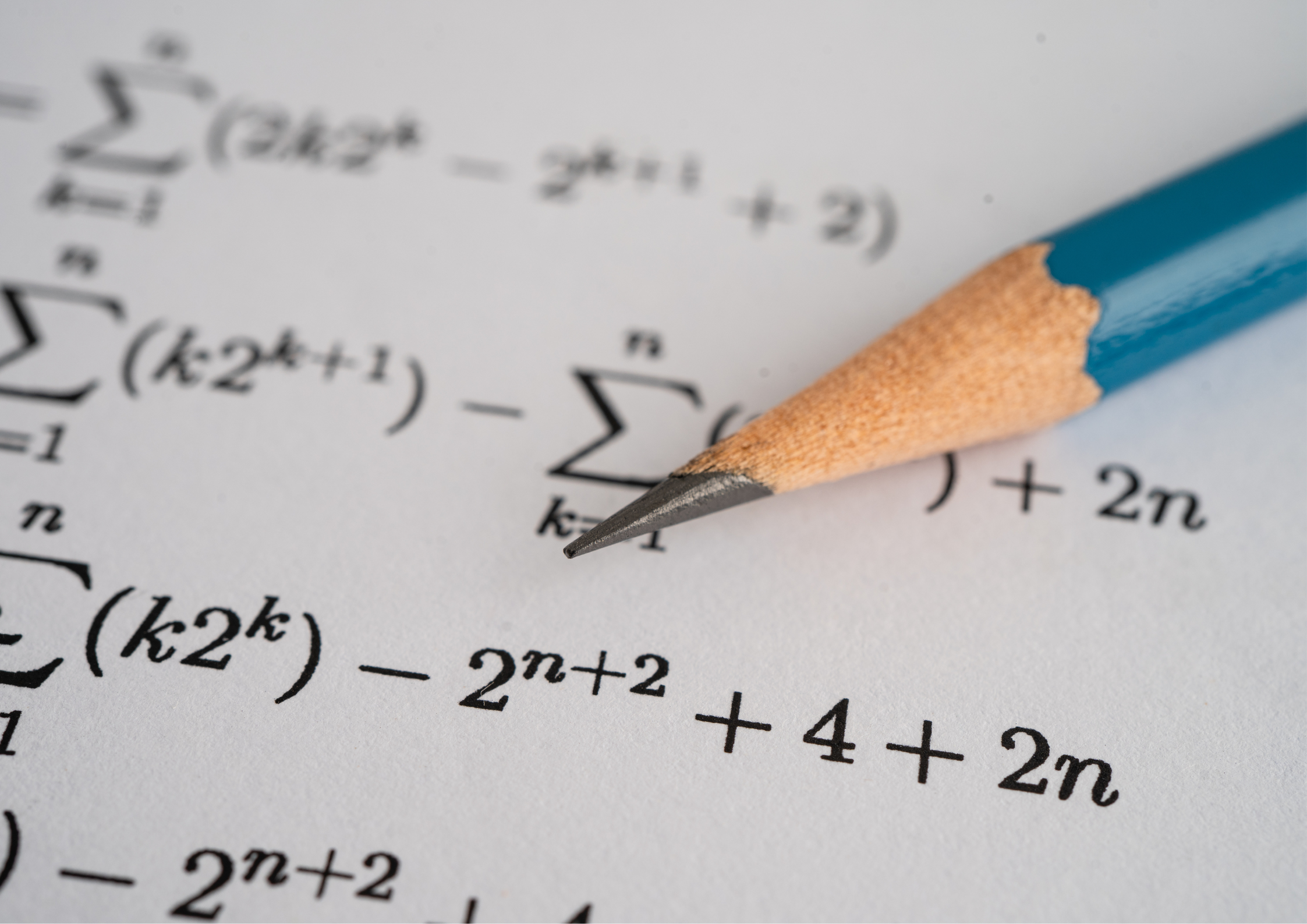
Effective preparation goes beyond marks.
1) Improved Logical Thinking
Maths develops reasoning skills that are useful in academics and everyday decision-making.
2)Better Time Management Skills
Regular practice under time limits improves planning and efficiency across subjects.
3) Increased Academic Confidence
Performing well in maths builds self-belief, encouraging students to approach other subjects with the same confidence.
Final Revision Strategy Before the Exam
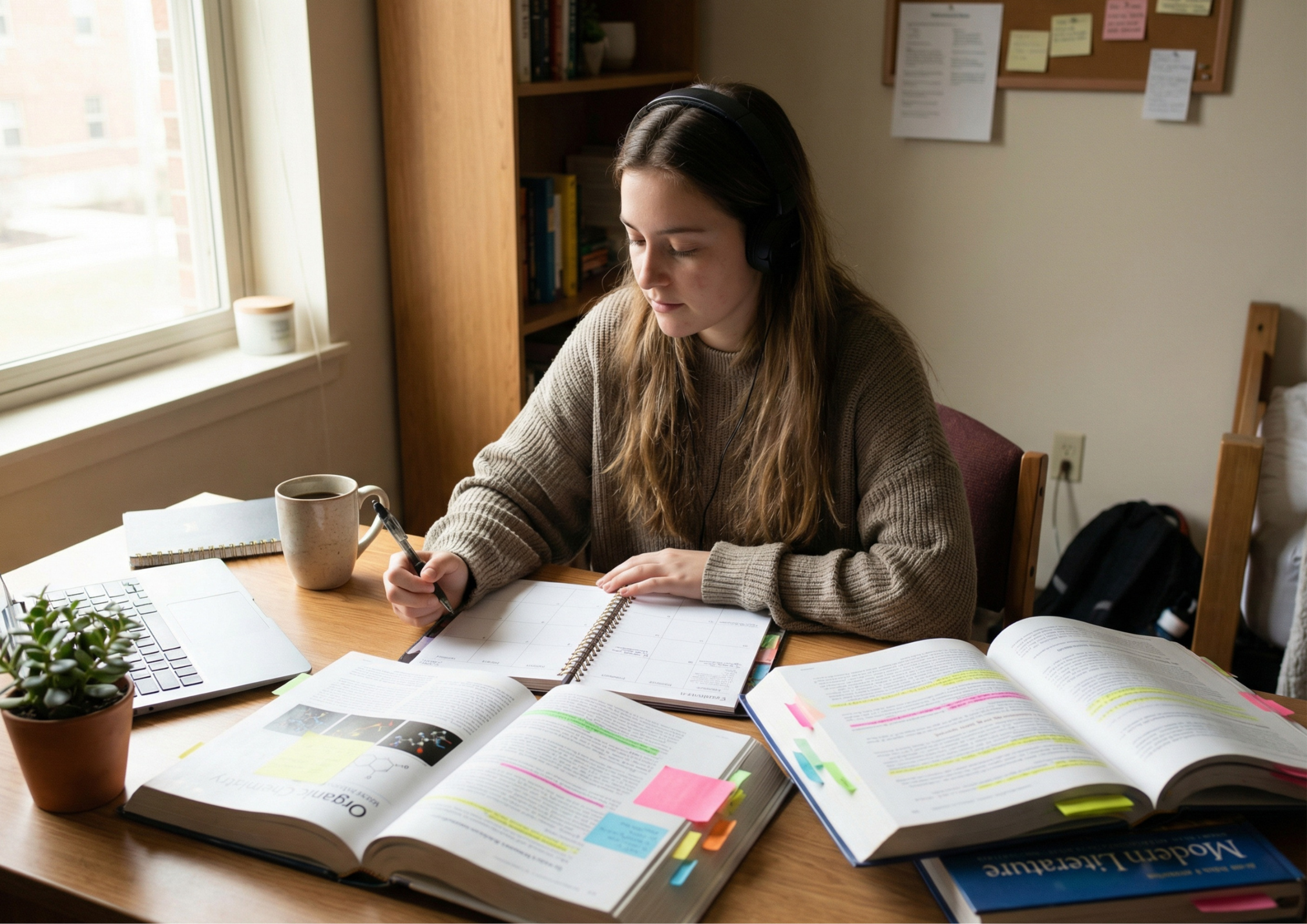
The final days before the exam should focus on clarity, not overload.
Revise Formulas and Key Concepts
Create a concise formula sheet and review it regularly. Avoid learning entirely new topics at the last moment.
Practise Select Questions
Focus on representative problems rather than attempting everything. Quality revision is more effective than quantity.
Stay Calm and Focused
A relaxed mind recalls information better. Trust your preparation and avoid last-minute panic.
Final Thoughts
Preparing well for a maths exam is not about last-minute memorisation or endless problem-solving. It is about building clear concepts, practising regularly, managing time wisely, and maintaining a calm mindset.
When students follow a structured study routine, review their mistakes, and approach mathematics with confidence, improvement becomes consistent and measurable.
A supportive academic environment also plays an important role—many learners studying in Boarding Schools in India benefit from disciplined schedules, guided revision, and focused mentorship, which strengthen both understanding and exam readiness. With the right balance of effort, guidance, and self-belief, success in maths exams becomes an achievable and lasting outcome.
Frequently Asked Questions (FAQs)
1. How early should I start preparing for a maths exam?
Ideally, maths exam preparation should begin at least 2–3 months in advance to allow enough time for concept revision, practice, and mock tests.
2. What is the best way to score high in maths exams?
The best way to score well is by understanding core concepts, practicing daily, revising formulas regularly, and managing time effectively during the exam.
3. How many hours should I study maths daily?
Students should study maths for 1–2 focused hours daily, increasing the duration closer to the exam while maintaining consistency.
4. Is solving previous year question papers important for maths exams?
Yes, solving previous year papers helps you understand the exam pattern, identify important topics, and improve speed and accuracy.
5. How can I reduce fear and anxiety before a maths exam?
Regular practice, proper revision, adequate sleep, and relaxation techniques like deep breathing or meditation can significantly reduce maths exam anxiety.