




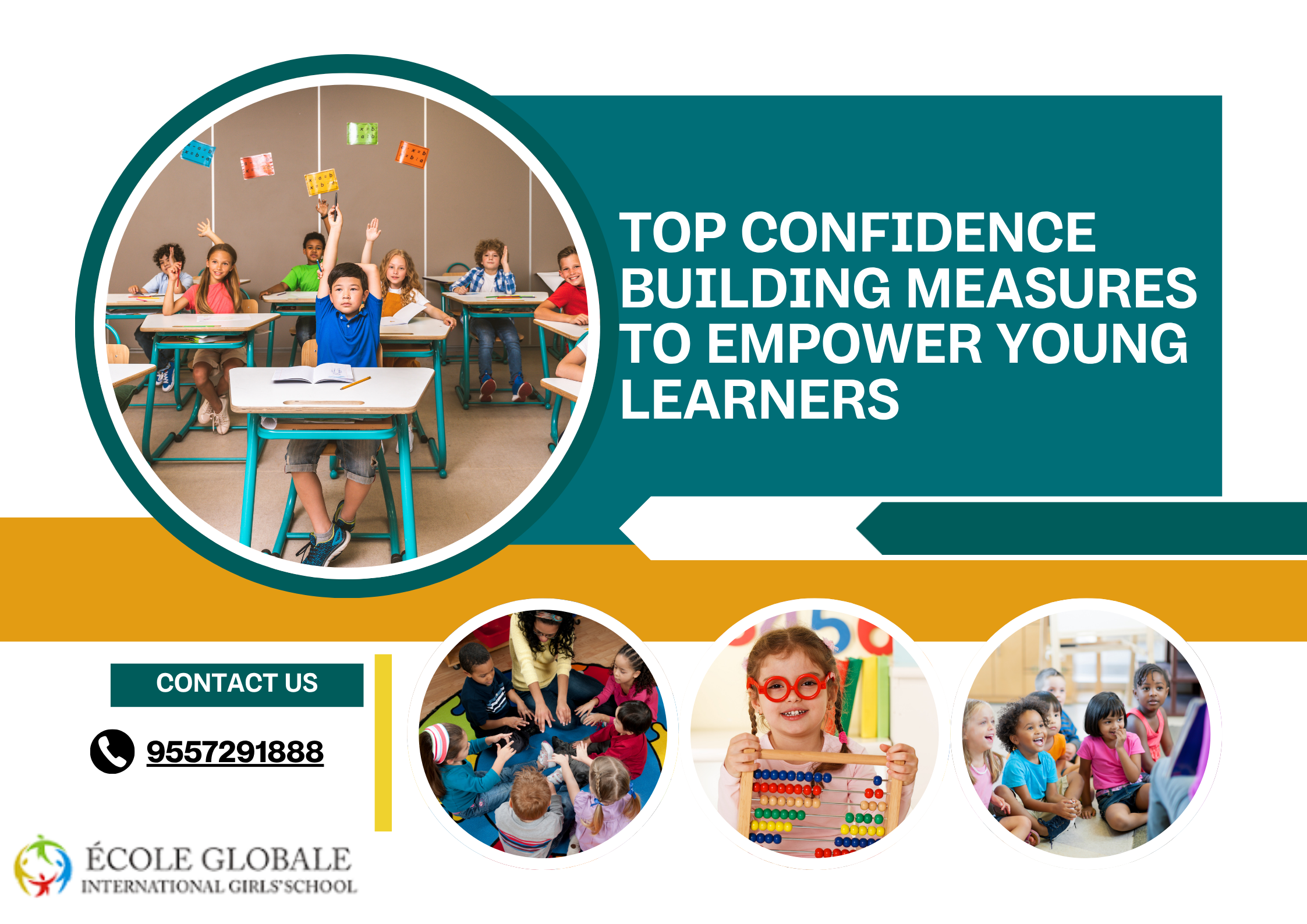
In a rapidly evolving educational landscape, academic performance alone doesn’t determine a child’s future success. Confidence, self-belief, and emotional resilience are crucial components of personal development.
For young learners, especially during their formative years, developing these traits is essential. That’s where confidence building measures play a transformative role.
Understanding Confidence in Young Learners

Confidence is the belief in one’s ability to succeed. For children, this means feeling capable of facing challenges, expressing themselves, and believing in their ideas and abilities.
It isn’t just about speaking in public or performing well in exams—it’s about the internal trust a child has in their potential.
When schools and parents implement the right confidence building measures, students grow into independent thinkers, enthusiastic participants, and emotionally balanced individuals.
Why Confidence Matters in Early Education

Before we explore practical confidence building measures, it’s important to understand why they matter:
Enhances academic performance
Confident students are more likely to participate in class, ask questions, and engage with their studies proactively.Promotes mental well-being
A child with self-confidence tends to cope better with stress, peer pressure, and setbacks.Builds better communication and leadership skills
Students who believe in themselves are more likely to express their ideas clearly and take on leadership roles.Fosters independence and critical thinking
Confidence gives children the courage to solve problems, make decisions, and take initiative.
Top Confidence Building Measures for Young Learners

Here are proven strategies that educators and parents can use to nurture confidence in children:
1. Encourage a Growth Mindset
A growth mindset—believing that abilities can be developed through dedication and effort—is one of the most effective confidence building measures. Teach students that failure is a part of learning and that every mistake brings them closer to success.
How to implement:
Praise effort over results.
Celebrate small improvements.
Share stories of famous personalities who faced setbacks.
2. Create Safe Spaces for Expression
Students need environments where they feel heard and respected. Whether at home or in classrooms, allowing children to voice their opinions without fear of judgment builds self-worth.
How to implement:
Encourage open discussions during class.
Include student councils or suggestion boxes.
Practice active listening as teachers and parents.
3. Set Achievable Goals
Setting realistic, age-appropriate goals helps students experience success. It also teaches planning, focus, and perseverance—key contributors to self-confidence.
How to implement:
Break down big tasks into smaller steps.
Use visual goal charts and reward systems.
Provide feedback and celebrate goal completion.
4. Engage in Role-Playing Activities
Role-playing enables students to explore real-life scenarios in a safe environment. This improves communication, empathy, and decision-making skills.
How to implement:
Practice mock interviews or debates.
Conduct story-telling sessions with character role-play.
Organize “pretend play” for younger students.
5. Offer Leadership Opportunities
When students are entrusted with responsibilities, they develop ownership, accountability, and self-assurance. Leadership roles—even small ones—can leave a lasting impact.
How to implement:
Assign classroom monitor duties.
Rotate group leadership during projects.
Encourage student-led clubs and campaigns.
6. Promote Public Speaking Skills
Fear of public speaking is common, but practicing it early helps build communication skills and poise. Structured speaking opportunities empower students to overcome shyness and stage fright.
How to implement:
Conduct weekly show-and-tell sessions.
Organize elocution or storytelling competitions.
Use toastmaster-style speaking clubs.
7. Encourage Creative Expression
Art, music, dance, and writing are powerful tools for self-expression. These activities give students space to explore their identities and build self-esteem.
How to implement:
Introduce hobby periods or talent showcases.
Publish student artwork or poetry in school magazines.
Provide access to drawing, music, and drama classes.
8. Recognize Every Child’s Unique Strength
Not every student excels in academics. Recognizing and celebrating varied talents—sports, creativity, kindness—plays a vital role in raising self-confidence.
How to implement:
Start a “Star of the Week” wall celebrating different qualities.
Host inclusive talent days.
Give personalized appreciation notes.
The Role of Parents and Teachers

Both parents and educators must work collaboratively to reinforce confidence building measures. Here’s how:
For Parents:
Avoid comparisons with other children.
Give children choices to encourage decision-making.
Be patient with failures and offer unconditional support.
For Teachers:
Ensure a no-bullying classroom culture.
Differentiate instruction to suit individual learning styles.
Provide constructive criticism rather than negative feedback.
Long-Term Benefits of Confidence Building Measures
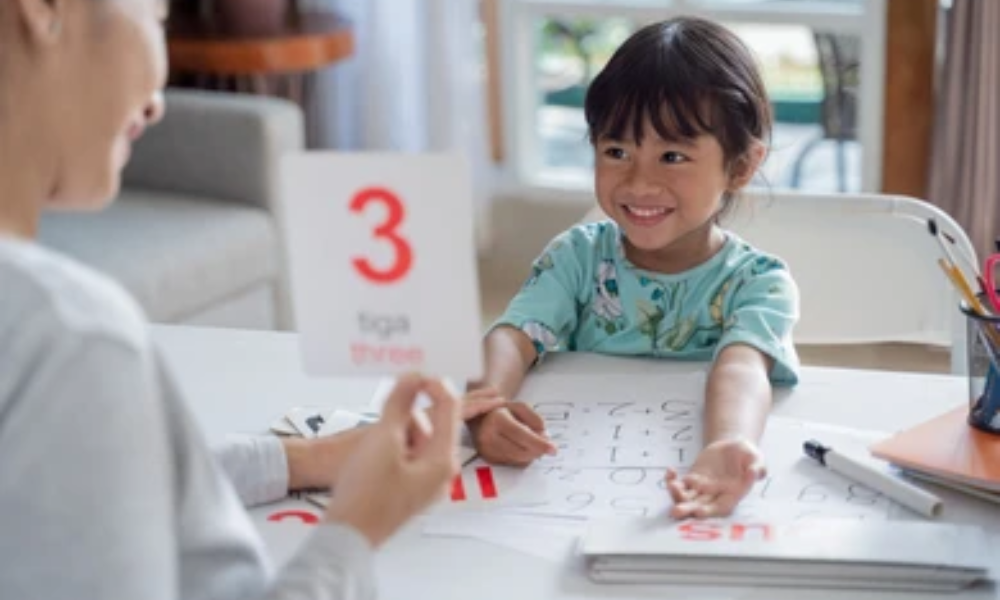
Investing in confidence building measures during school years leads to a ripple effect in adulthood. Confident children grow up to be:
Better decision-makers
Resilient professionals
Effective leaders
Compassionate citizens
Their ability to face life’s uncertainties improves because they trust their abilities, adapt easily, and take initiative when others hesitate.
Final Thoughts
Confidence is not a fixed trait—it can be nurtured and strengthened through consistent, thoughtful practices.
By integrating these confidence building measures into everyday learning, schools and families can prepare students not just to excel academically, but to thrive personally and professionally.
The journey of education is not only about grades and exams—it’s about building strong, ethical, and confident individuals who can make a difference in the world.
FREQUENTLY ASKED QUESTIONS
Q1. What are confidence building measures in education?
Ans: Confidence building measures are strategies that help students develop self-belief, emotional resilience, and communication skills.
Q2. How can I build my child’s confidence at home?
Ans: Encourage open communication, praise efforts, allow independence, and create a positive home environment.
Q3. Can confidence help in improving academic performance?
Ans: Yes, confident students are more engaged, proactive, and willing to take on challenges—improving academic outcomes.
Q4. Are extracurricular activities important for confidence?
Ans: Absolutely. Activities like sports, music, and arts help children explore talents and build social and emotional skills.
Q5. How can teachers implement confidence building measures?
Ans: By fostering inclusive classrooms, offering leadership opportunities, giving constructive feedback, and recognizing individual strengths.