




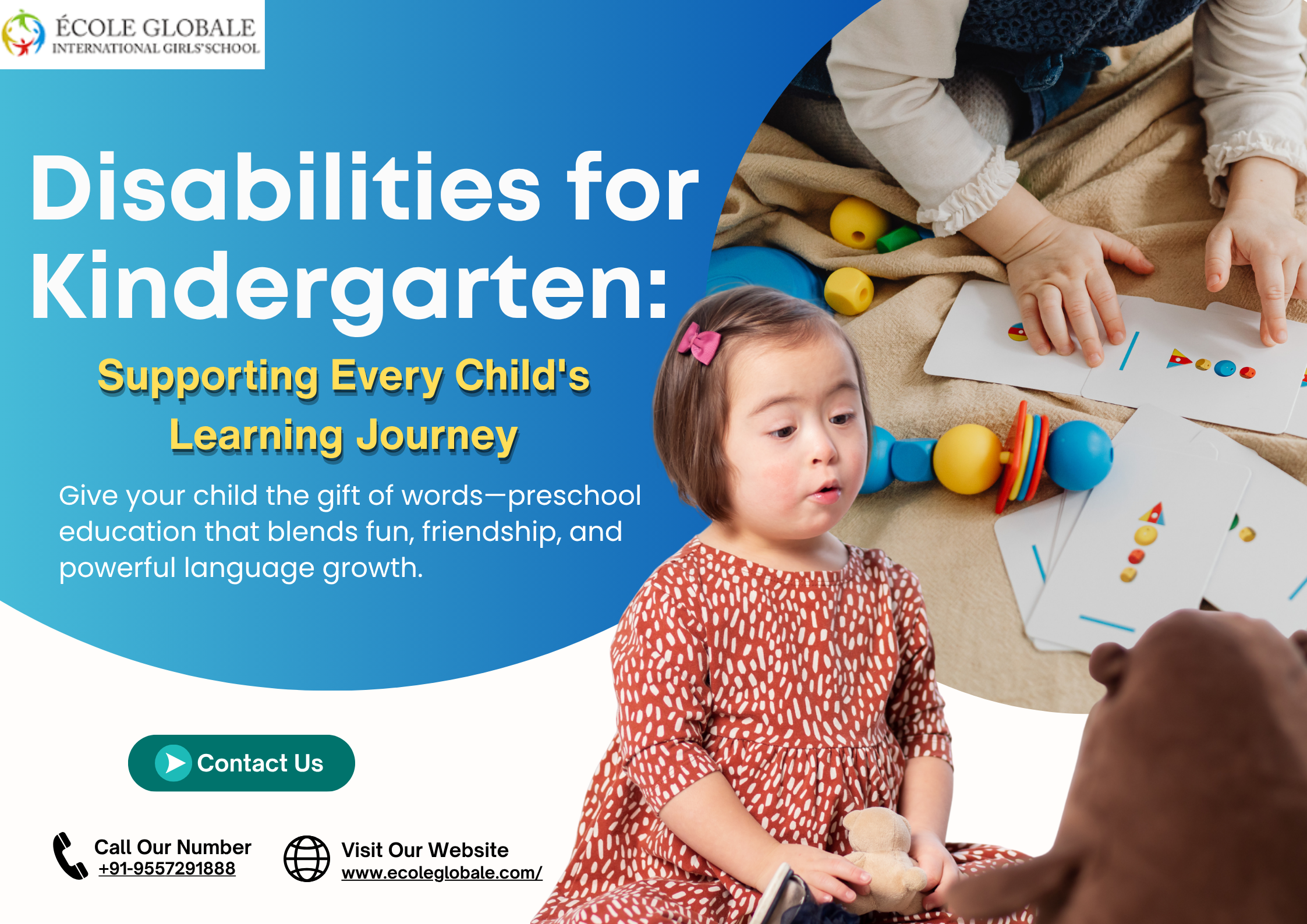
The early years of education play a crucial role in shaping a child’s development. Kindergarten is often the first structured learning environment where children begin building social, emotional, cognitive, and communication skills. For some children, however, learning may involve unique challenges that require additional support. Understanding disabilities for kindergarten is essential for parents, educators, and caregivers who want to create inclusive and nurturing learning environments.
Today, awareness about disabilities for kindergarten has increased significantly. Schools and families are recognizing that every child learns differently and deserves opportunities to reach their full potential. With early intervention, personalized support, and inclusive educational practices, children with disabilities can thrive academically and socially.
Disabilities for Kindergarten: Quick Answer
Disabilities for kindergarten refer to physical, developmental, cognitive, sensory, or behavioral conditions that may affect a child’s ability to learn, communicate, move, or interact in a traditional classroom setting. Early identification and support help children develop essential skills and participate successfully in kindergarten learning experiences.
What Are Disabilities for Kindergarten?
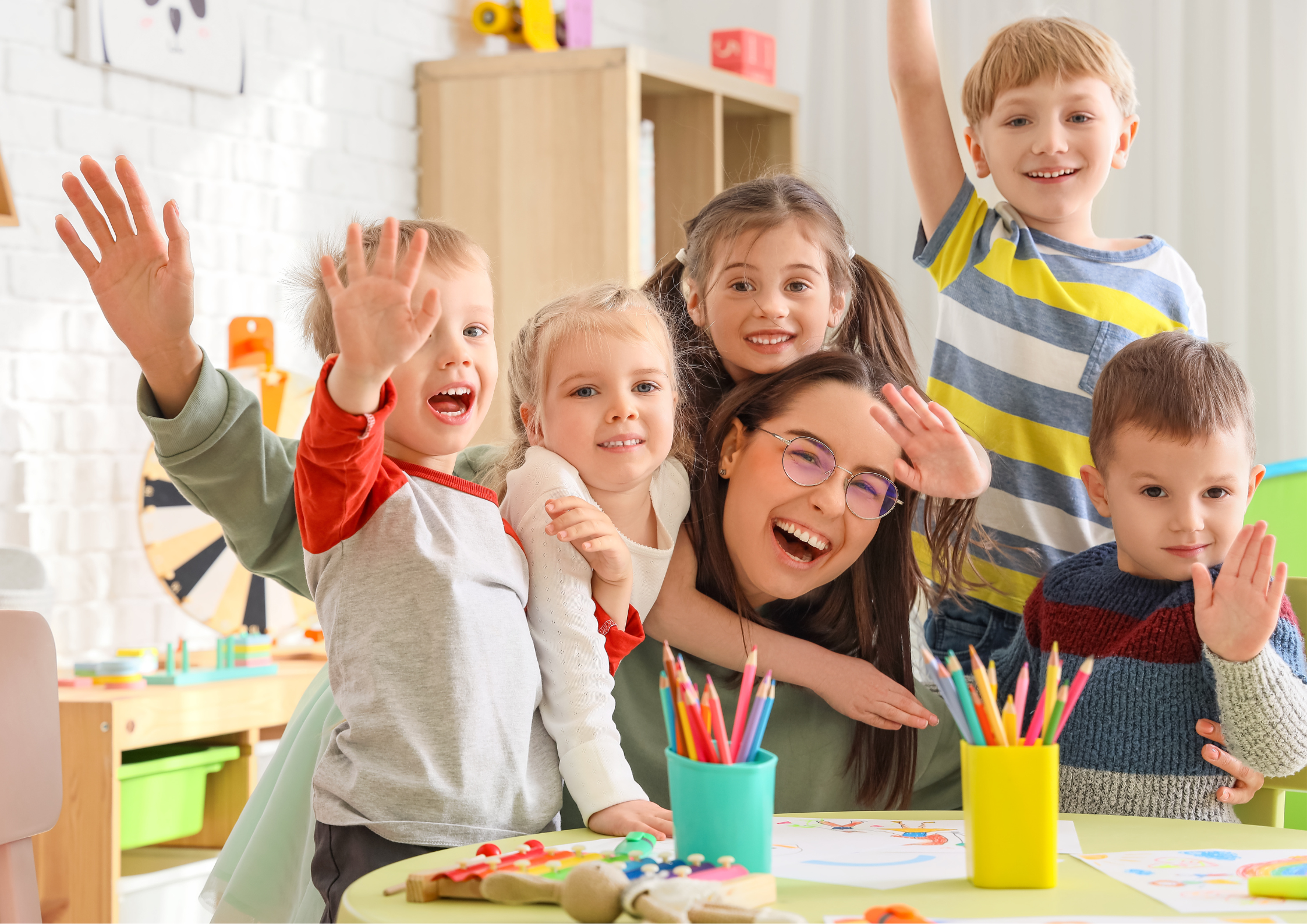
The term disabilities for kindergarten includes a wide range of conditions that can influence how children learn and interact with their environment.
Some common disabilities identified during early childhood include:
- Autism Spectrum Disorder (ASD)
- Speech and language delays
- Hearing impairments
- Visual impairments
- Learning disabilities
- Physical disabilities
- Developmental delays
- Attention-related challenges
Understanding disabilities for kindergarten helps educators and parents provide appropriate support that promotes growth and confidence.
Why Early Identification Matters
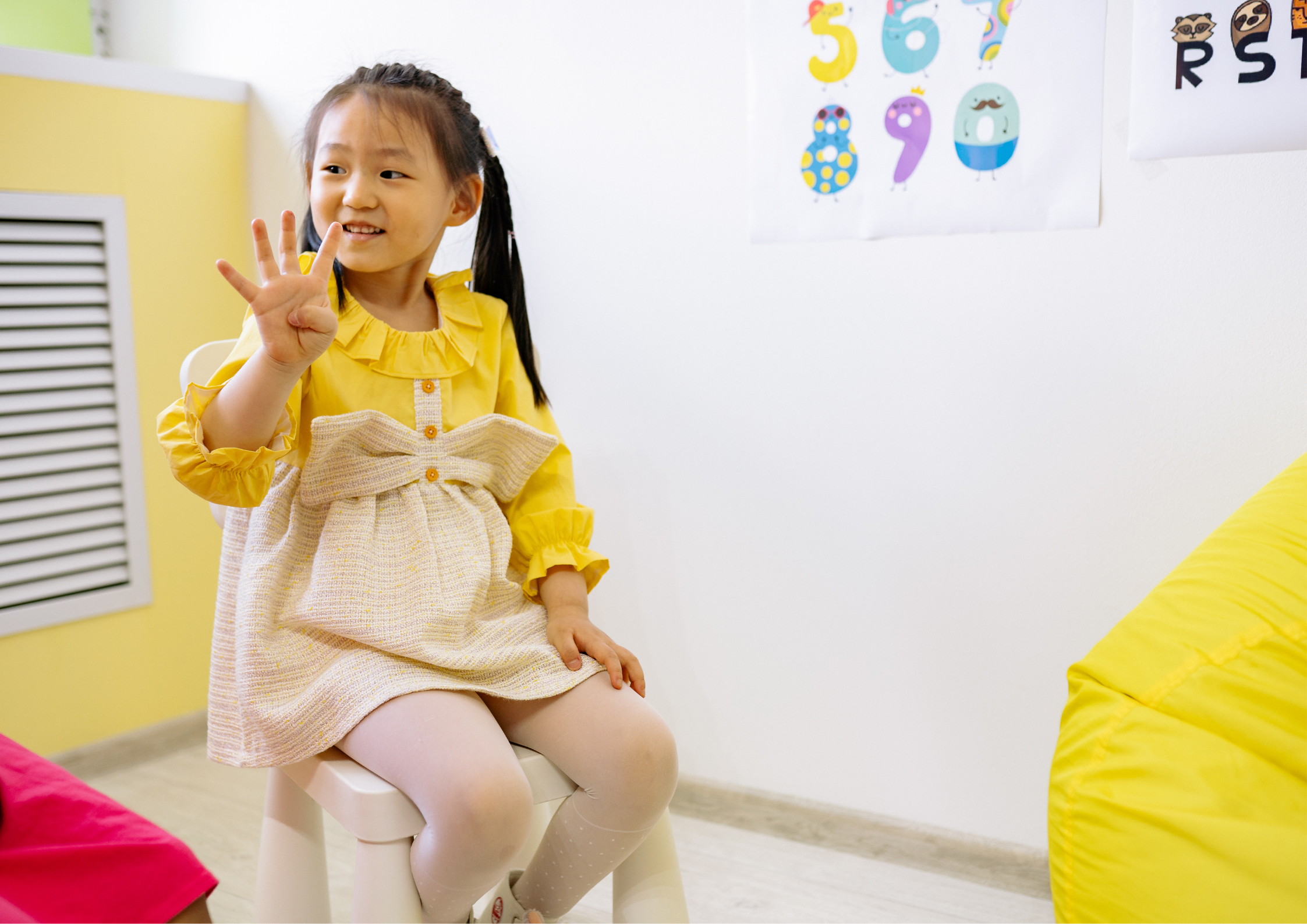
One of the most important aspects of addressing disabilities for kindergarten is early identification.
Better Learning Outcomes
When challenges are identified early, children can receive targeted support that helps them develop important academic and social skills.
Increased Confidence
Early intervention often helps children build confidence by reducing frustration and encouraging success in learning activities.
Stronger Development
Recognizing disabilities for kindergarten at an early stage allows professionals to create individualized strategies that support long-term development.
Common Types of Disabilities for Kindergarten Children
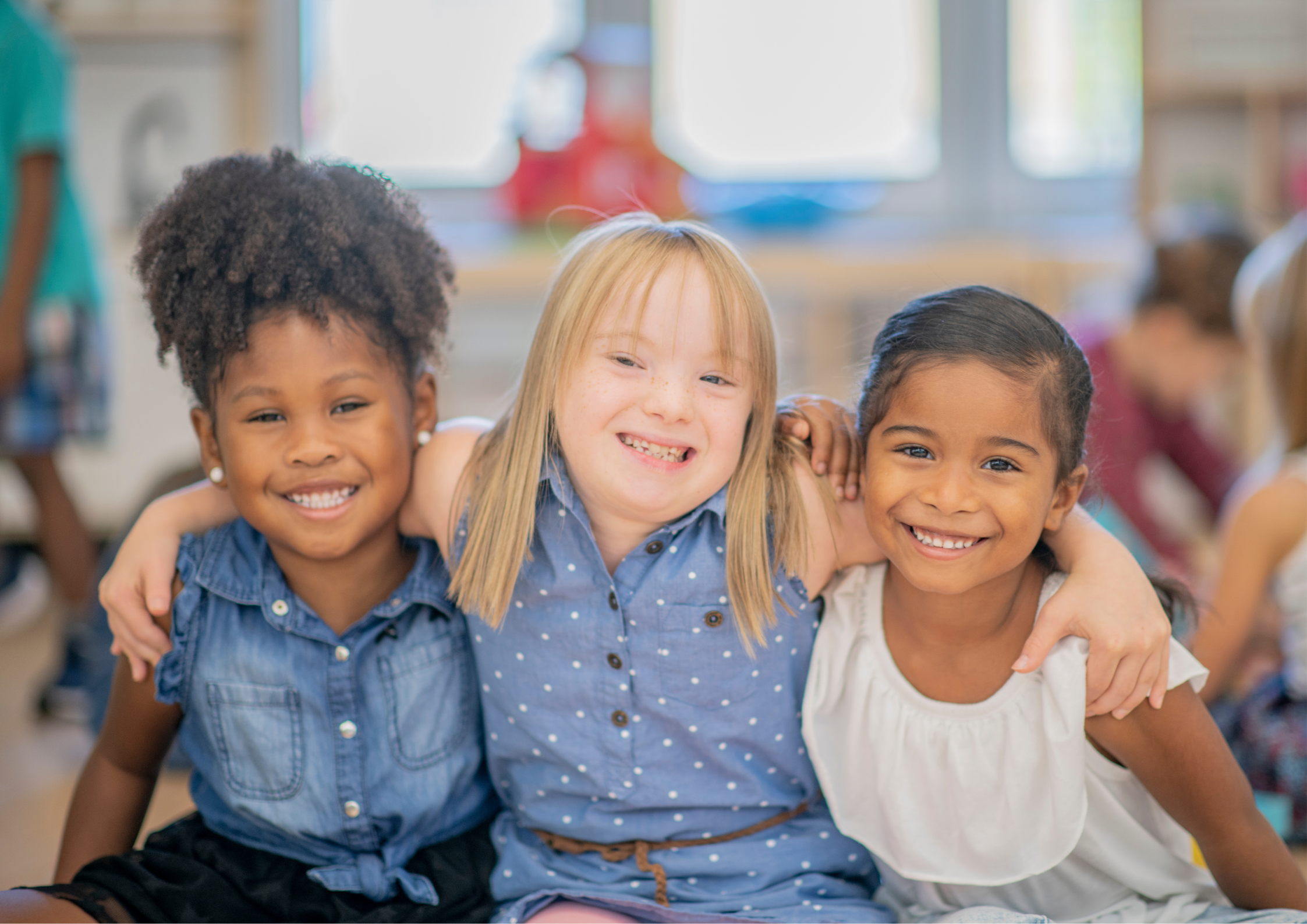
Every child is unique, and disabilities can affect learning in different ways.
Developmental Disabilities
Developmental disabilities may impact communication, social interaction, and overall learning progress.
Speech and Language Disorders
Some children may experience difficulty expressing thoughts, understanding language, or communicating effectively with peers and teachers.
Physical Disabilities
Physical disabilities may affect mobility, coordination, or participation in certain classroom activities.
Sensory Disabilities
Hearing and visual impairments can influence how children receive and process information in the classroom.
Understanding these forms of disabilities for kindergarten helps schools create inclusive learning experiences for all students.
The Importance of Inclusive Education
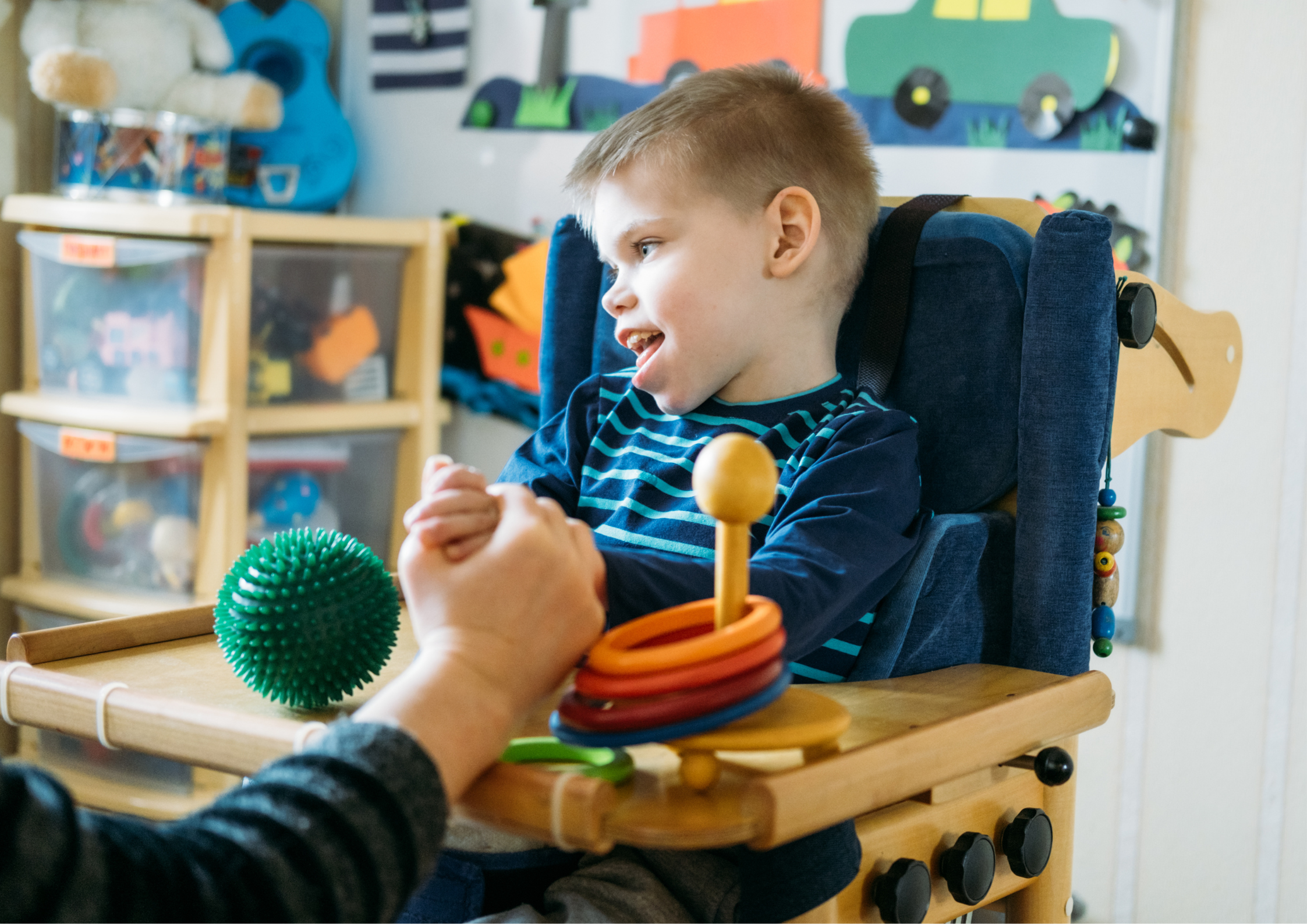
Inclusive education plays a significant role in supporting children with diverse learning needs.
Equal Learning Opportunities
Children with disabilities should have access to the same educational opportunities as their peers whenever possible.
Social Development
Inclusive classrooms encourage friendships, teamwork, and mutual understanding among students.
Building Acceptance
Learning together helps children develop empathy, respect, and appreciation for individual differences.
For many families, effective support for disabilities for kindergarten begins with schools that value inclusion and diversity.
How Teachers Support Disabilities for Kindergarten
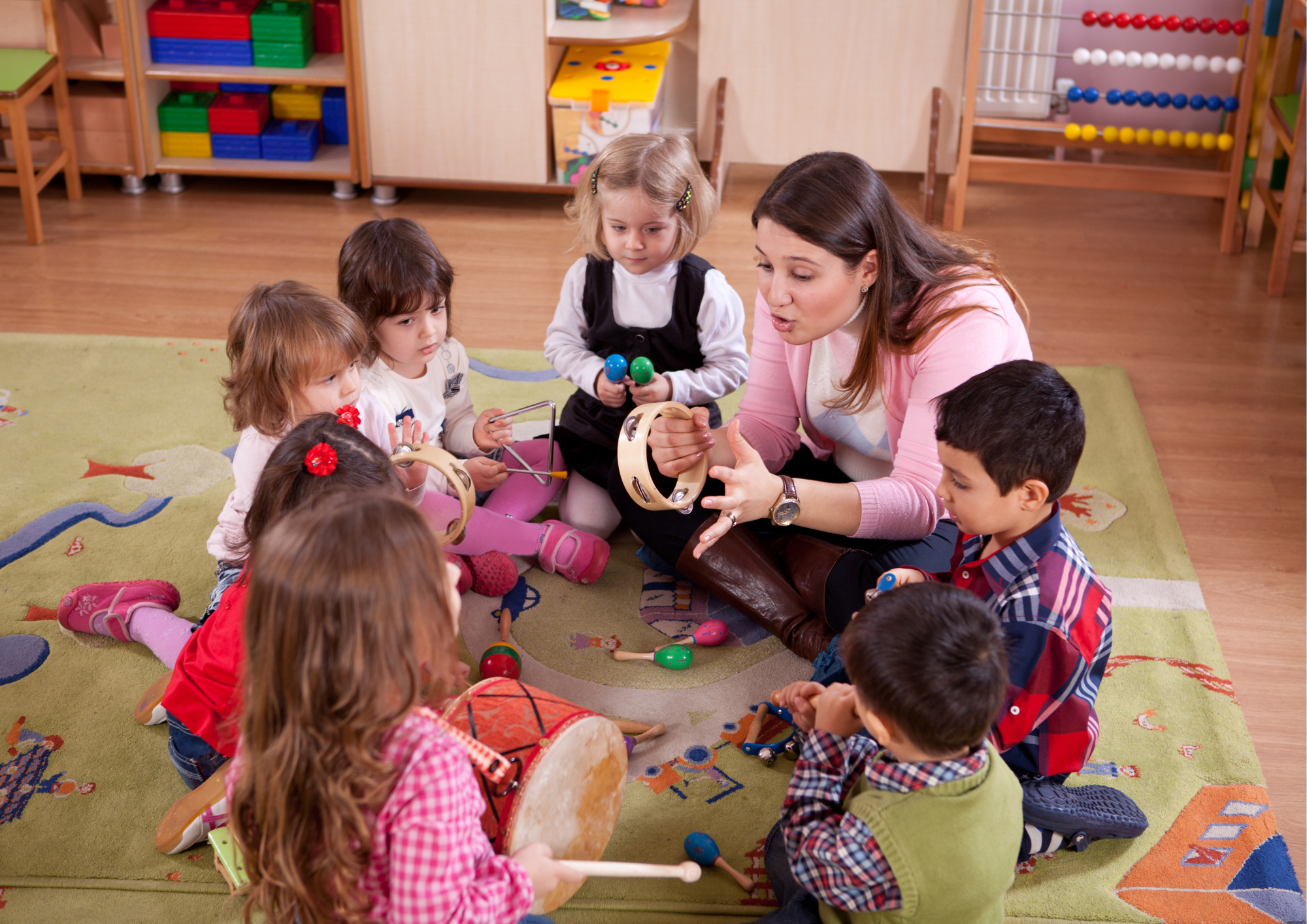
Teachers are essential partners in helping children succeed.
Individualized Learning Approaches
Educators often adapt lessons and activities to accommodate different learning styles and abilities.
Positive Reinforcement
Encouragement and recognition help children stay motivated and engaged in classroom activities.
Collaboration With Families
Teachers and parents work together to ensure consistency between school and home support systems.
These strategies contribute to successful outcomes for children with disabilities for kindergarten.
The Role of Parents in Early Support
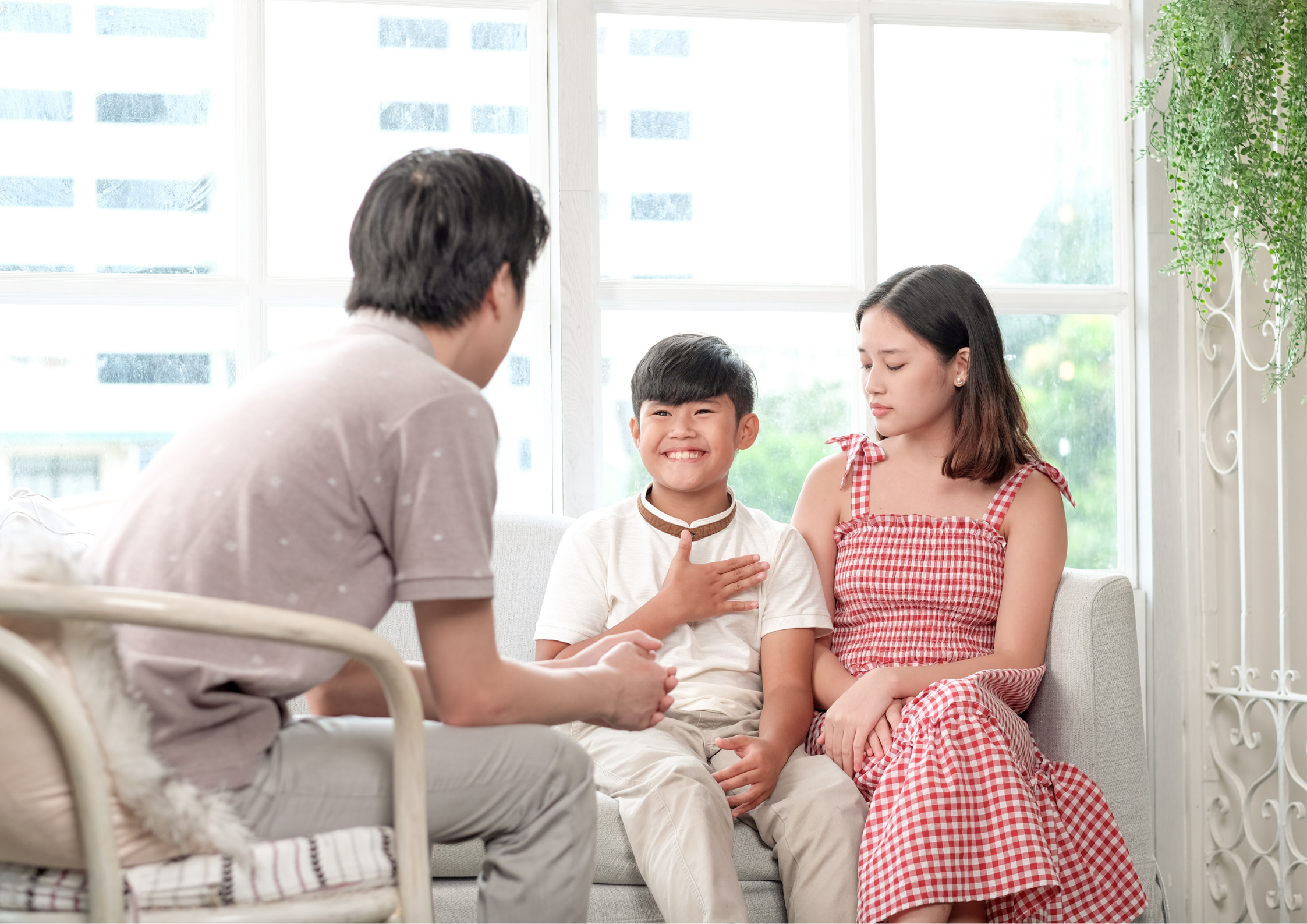
Parents play a crucial role in managing disabilities for kindergarten and supporting their child’s growth.
Encourage Communication
Open communication helps children express their feelings, needs, and concerns.
Celebrate Progress
Recognizing small achievements can boost confidence and motivation.
Partner With Educators
Regular communication with teachers and specialists helps ensure children receive consistent support.
When families actively participate in the learning process, children often experience stronger developmental outcomes.
Creating an Inclusive Kindergarten Environment
An inclusive classroom benefits all students, not only those with disabilities.
Key elements include:
- Flexible teaching methods
- Accessible learning materials
- Positive classroom culture
- Collaborative learning opportunities
- Emotional support systems
- Respect for individual differences
These practices help children with disabilities for kindergarten feel valued, included, and capable.
Benefits of Early Intervention

Early intervention is one of the most effective ways to support children with disabilities.
Benefits include:
- Improved communication skills
- Enhanced social interactions
- Stronger academic readiness
- Increased independence
- Better emotional development
Providing support during the kindergarten years creates a strong foundation for future learning success.
Challenges and Opportunities
While children with disabilities may face certain challenges, they also possess unique strengths and abilities.
Challenges may include:
- Communication difficulties
- Social interaction barriers
- Learning differences
- Physical accessibility needs
With proper support, these challenges can become opportunities for growth, resilience, and achievement.
Understanding disabilities for kindergarten encourages educators and families to focus on strengths rather than limitations.
Conclusion
Understanding disabilities for kindergarten is an important step toward creating inclusive and supportive educational environments. Every child deserves the opportunity to learn, grow, and participate fully in classroom experiences.
Through early identification, individualized support, inclusive teaching practices, and strong family involvement, children with disabilities can develop the skills and confidence needed to succeed. By embracing diversity and recognizing each child’s unique potential, schools and communities can ensure that every kindergarten learner has the opportunity to thrive.
Frequently Asked Questions
Q1. What are disabilities for kindergarten children?
Disabilities for kindergarten children include developmental, physical, sensory, communication, and learning challenges that may affect educational participation and development.
Q2. Why is early identification important for disabilities in kindergarten?
Early identification allows children to receive timely support, improving learning outcomes, communication skills, and overall development.
Q3. How do teachers support children with disabilities in kindergarten?
Teachers use individualized learning strategies, classroom accommodations, positive reinforcement, and collaboration with families to support student success.
Q4. What is inclusive education in kindergarten?
Inclusive education allows children with and without disabilities to learn together in supportive classroom environments that meet diverse learning needs.
Q5. How can parents help children with disabilities in kindergarten?
Parents can support communication, celebrate progress, collaborate with educators, and encourage learning activities that build confidence and skills.