

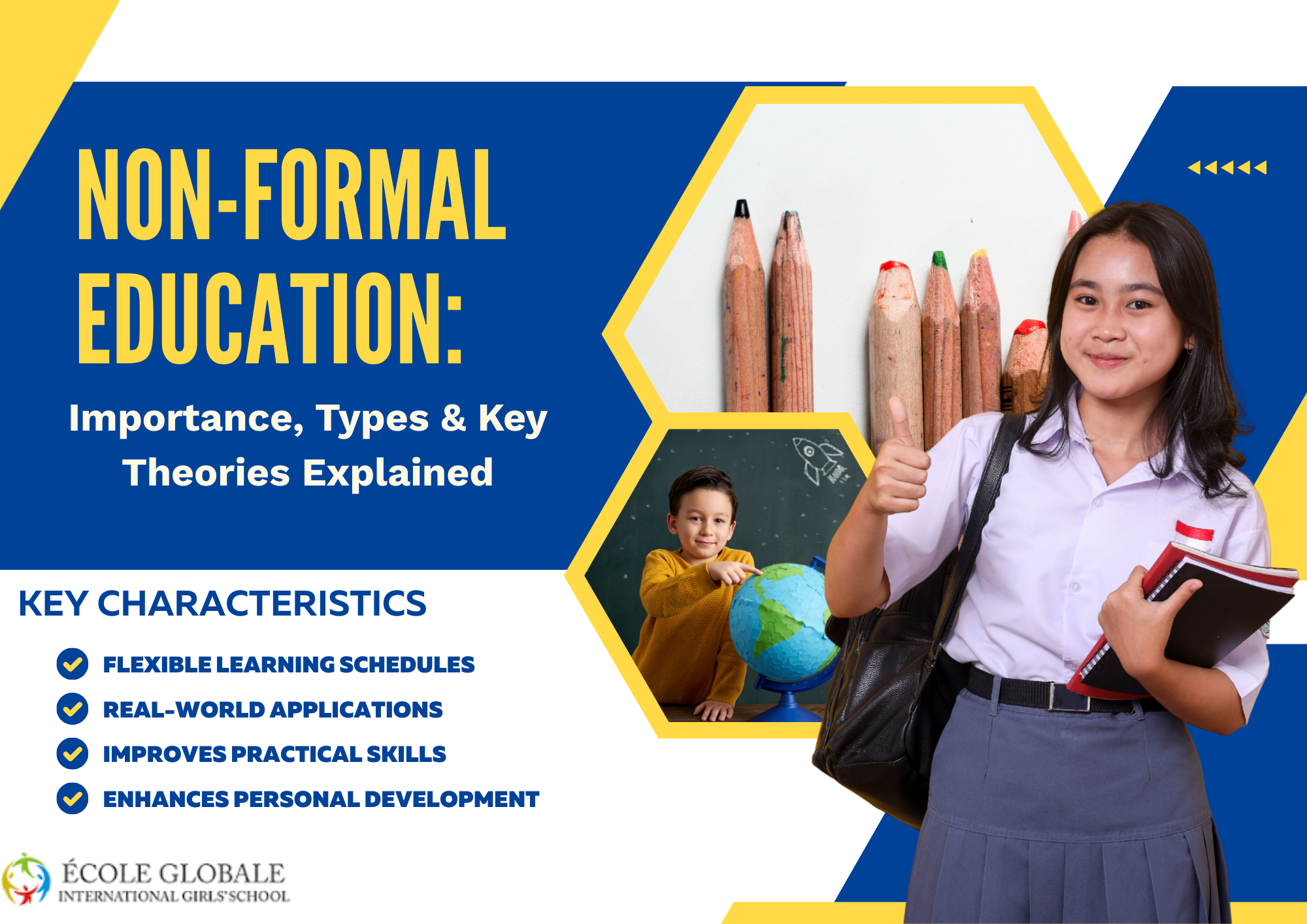
Education does not only happen inside classrooms. Many valuable skills and lessons are learned through activities, community programs, workshops, and life experiences. This broader learning system is known as non formal education.
It plays an important role in modern learning because it fills the gaps that traditional schooling sometimes leaves behind. From skill development to personality growth, it offers flexible opportunities for learners of all ages.
In this guide, we will explore what non-formal learning means, why it matters, the different forms it takes, and the major theories that explain how it works.
Understanding Non Formal Education

Non formal education refers to organized learning that happens outside the traditional school system. It is structured but usually more flexible than formal education.
Unlike schools and universities, these learning programs do not always follow strict curricula or fixed grading systems. Instead, they focus on practical knowledge, real-life skills, and personal development.
Some key characteristics include:
Flexible learning schedules
Skill-based or interest-based learning
Less emphasis on examinations
Participation from learners of all age groups
Focus on real-world applications
Examples include community workshops, online learning courses, adult literacy programs, skill training programs, and youth clubs.
This form of education often complements formal schooling and helps individuals gain knowledge that is directly useful in everyday life.
Why Non Formal Education Is Important

Education systems around the world are evolving because the skills needed in modern society are constantly changing. Non-formal learning helps bridge the gap between traditional academics and practical life skills.
1. Encourages Lifelong Learning
Learning should not stop after school or college. Non formal education allows individuals to continue gaining knowledge throughout their lives.
People can learn new technologies, develop creative skills, or improve professional abilities without returning to full-time education.
2. Improves Practical Skills
Traditional classrooms sometimes focus more on theory than practice. Non-formal programs often emphasize real-world skills such as communication, teamwork, leadership, and problem solving.
These abilities are highly valued in both personal and professional life.
3. Supports Inclusive Education
Many individuals cannot access formal education due to financial, geographic, or social barriers. Non-formal learning provides opportunities for people who might otherwise be excluded from education.
Examples include adult literacy programs, rural skill training centers, and community learning groups.
4. Enhances Personal Development
Workshops, training programs, and community activities help learners develop confidence and self-awareness. These experiences often encourage creativity, independence, and critical thinking.
5. Complements School Education
Many schools encourage activities such as sports training, art programs, and debate clubs. These activities are part of non-formal learning and contribute to holistic student development, which can even influence areas like student selection processes in boarding schools in dehradun where extracurricular exposure is valued.
Major Types of Non Formal Education

Non-formal learning appears in many forms depending on the needs of learners and communities.
1. Adult Education Programs
These programs are designed for individuals who did not complete formal schooling. They help adults improve literacy, numeracy, and vocational skills.
Common examples include evening classes and community learning centers.
2. Skill Development Training
Skill-based education helps people learn practical abilities required for employment or entrepreneurship.
Examples include:
Computer training courses
Digital marketing workshops
Craft and design training
Technical skill programs
These programs are often shorter and focused on immediate application.
3. Community-Based Learning
Community education programs are organized by local groups, NGOs, or social organizations. They focus on social awareness, health education, and community development.
Examples include environmental awareness campaigns or financial literacy workshops.
4. Youth Development Programs
Many organizations run leadership camps, personality development workshops, and cultural activities for young people.
These programs encourage teamwork, responsibility, and social engagement.
5. Online Learning Platforms
Digital technology has expanded the reach of non-formal learning. Online courses, webinars, and tutorials allow learners to acquire knowledge from anywhere.
This flexibility has made learning accessible to millions of people around the world.
Key Theories Behind Non Formal Education

Several educational thinkers have contributed ideas that explain how non-formal learning works and why it is effective.
1. Experiential Learning Theory
Experiential learning suggests that people learn best through experience. Instead of simply reading or listening, learners gain knowledge by actively participating in activities.
Workshops, simulations, and hands-on projects follow this approach.
2. Constructivist Learning Theory
This theory proposes that learners build knowledge through interaction and exploration. They connect new ideas with previous experiences to form deeper understanding.
Non-formal environments encourage discussion, collaboration, and problem solving.
3. Humanistic Learning Theory
Humanistic theory focuses on personal growth and self-development. It views education as a way to help individuals reach their full potential.
Programs that encourage creativity, leadership, and emotional development often follow this perspective.
4. Lifelong Learning Theory
Lifelong learning emphasizes that education continues throughout a person’s life. Skills and knowledge evolve as individuals adapt to new situations, technologies, and challenges.
Non-formal education plays a key role in supporting this continuous learning process.
Benefits of Non Formal Education
The advantages of this learning approach extend beyond academic knowledge.
| Benefit | Explanation |
|---|---|
| Flexibility | Learners can study according to their own schedule and pace |
| Skill-Oriented | Focus on practical abilities useful in real-life situations |
| Accessibility | Opportunities available for people outside traditional education systems |
| Personal Growth | Builds confidence, creativity, and communication skills |
| Career Development | Helps individuals learn new professional skills quickly |
These benefits make non-formal learning a valuable addition to modern education systems.
Challenges and Limitations

Despite its many strengths, non-formal education also faces several challenges.
Lack of Standard Certification
Some programs do not provide widely recognized certificates, which may limit career benefits in certain fields.
Quality Differences
The quality of training programs can vary depending on the organization or instructor. This makes it important for learners to choose credible programs.
Limited Awareness
Many people are not aware of the opportunities available through non-formal education. Greater awareness can help more individuals take advantage of these learning options.
Resource Constraints
Community programs sometimes struggle with funding, infrastructure, or trained educators. This can affect the effectiveness of certain initiatives.
Addressing these challenges can strengthen the role of non formal education in the future.
The Growing Role of Non Formal Education in Modern Society

Today’s world is changing quickly due to technology, globalization, and evolving job markets. Traditional education alone cannot always keep up with these changes.
Non-formal learning offers flexible solutions that help individuals adapt to new demands. From professional training to personal development programs, it provides practical knowledge that complements academic learning.
Many education systems now recognize the value of integrating formal and non-formal approaches to create a more balanced and inclusive learning environment.
Conclusion
Education is no longer limited to classrooms or textbooks. Learning happens in many environments, from community programs to digital platforms.
Non formal education plays a vital role in helping individuals gain practical skills, explore personal interests, and continue learning throughout life. It supports inclusive education, encourages creativity, and prepares people for real-world challenges.
When combined with formal education, it creates a more complete and meaningful learning experience. As societies continue to evolve, the importance of flexible and accessible learning opportunities will only grow stronger.
Frequently Asked Questions (FAQs)
Q1. What is non formal education in simple terms?
Ans: Non formal education is organized learning that happens outside traditional schools or universities, focusing on practical skills and flexible learning methods.
Q2. How is non formal education different from formal education?
Ans: Formal education follows a structured curriculum with exams and degrees, while non-formal learning is flexible and focuses more on skill development.
Q3. What are some examples of non formal education?
Ans: Examples include skill training workshops, online courses, adult literacy programs, youth camps, and community education initiatives.
Q4. Why is non formal education important today?
Ans: It helps people learn practical skills, adapt to changing job markets, and continue learning throughout their lives.
Q5. Can non formal education improve career opportunities?
Ans: Yes, many training programs teach industry-relevant skills that help individuals gain employment or start their own businesses.