




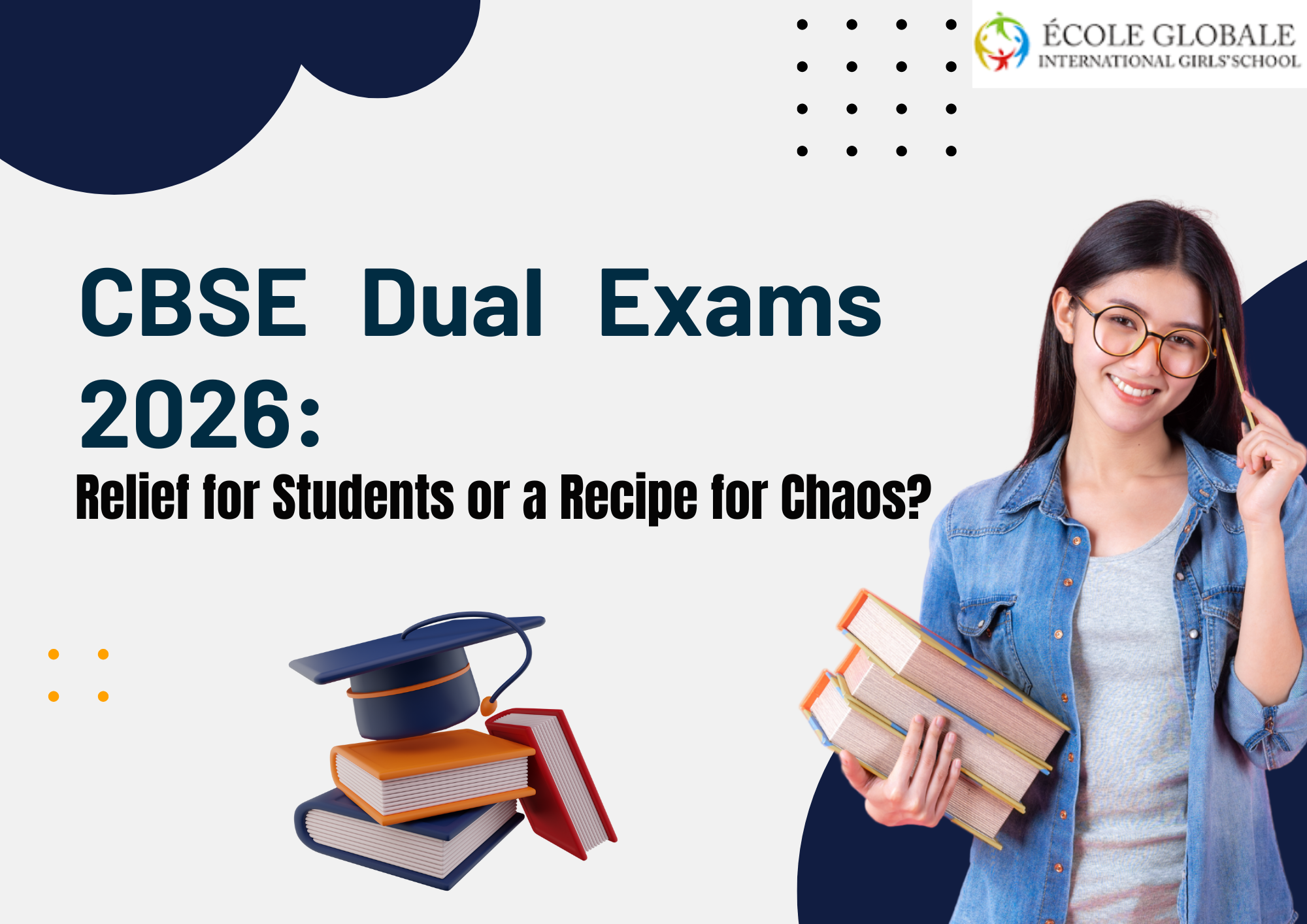
In a bold move, CBSE Dual Exams 2026 the Central Board of Secondary Education (CBSE) is considering introducing dual exams—holding two rounds of Class 10 board examinations each year as early as 2026. While the proposal is heralded by some as a relief measure, many others worry it may open the doors to new challenges. The discussion is heating up among educators, students, and parents alike.
What’s the Proposal?

The basic idea behind dual exams is to conduct board exams twice yearly so that:
Students who miss or perform poorly in the first attempt can appear again without waiting an entire year.
It may reduce exam pressure by spreading assessments over smaller intervals.
The system could offer greater flexibility and multiple opportunities to improve.
However, such a shift would also demand substantial changes in logistics, school operations, and the mindset of stakeholders.
Potential Benefits of CBSE Dual Exams 2026
1. Second Chance Without a Year Gap
One of the strongest arguments for dual exams is that students won’t lose an entire academic year if they need to retake a test. This flexibility could reduce anxiety and provide safer pathways for learning.
2. Reduced Weight on a Single Exam
If exams happen twice a year, each exam’s stakes could be tempered, allowing for more continuous assessment and possibly decreasing the pressure of “one big exam day.”
3. Encouragement for Steady Progress
Knowing there is another exam ahead may encourage students to adopt consistent study habits, rather than cramming only before one major test.
Serious Challenges and Risks

1. Logistical Strain
Conducting exams twice a year means double the work for CBSE: setting, printing, storing, and evaluating question papers. Schools will also have to adjust operations—exam centers, invigilators, transportation, etc.—for two cycles. The video flags this as one of the biggest hurdles.
2. Increased Student & Teacher Fatigue
Teachers may find themselves evaluating and preparing two sets of exams back-to-back, possibly eliminating their summer breaks. Students could face little downtime between exam cycles.
3. Coaching Industry Pressure
Some fear that more frequent exams might fuel growth in test-prep culture and private coaching, potentially making education more competitive and commercial.
4. Equity & Access Issues
Students in remote areas or with fewer resources might struggle to adapt to this pace. Also, infrastructure gaps (like exam center availability or handling extra load) could disproportionately affect underprivileged students.
Expert Opinions & Reactions CBSE Dual Exams 2026
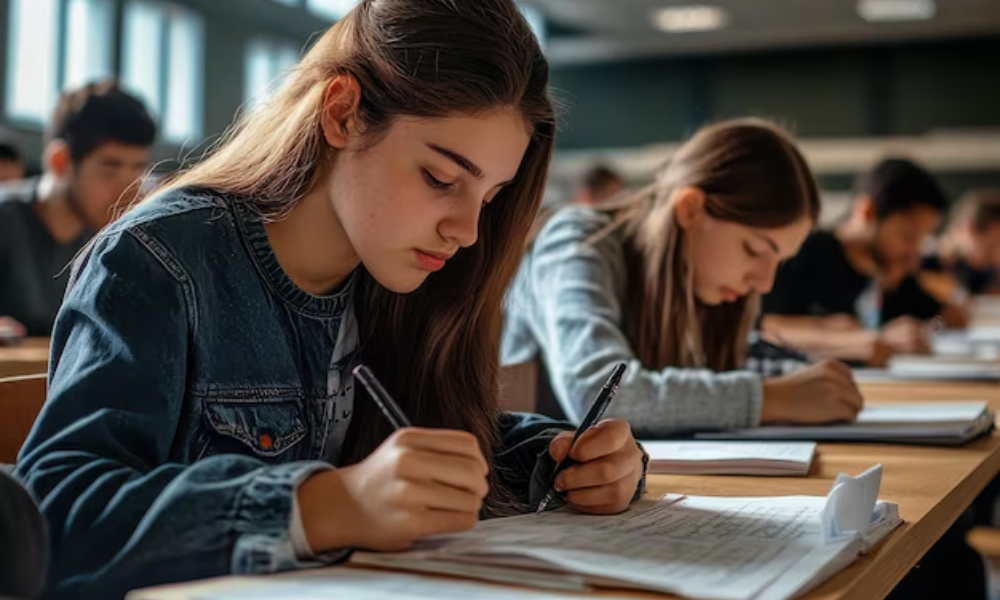
Some education experts argue that while the dual exams idea is well-intentioned, it needs careful planning—especially around the logistics and fairness for all students.
Student representatives have voiced concerns over burnout, overlapping school activities, and limited recovery time between exams.
Parents remain divided: some see it as a flexible safety net, while others worry about added pressure and extra costs.
What Needs to Be Addressed If Implemented

Exam Window Scheduling
Gaps must be adequate to allow preparation, revision, and recuperation between exam cycles.Resource Allocation
CBSE and schools will need increased capacity—staff, infrastructure, storage, and logistics—to handle two full exam cycles.Policy Safeguards
Transparent rules for retakes, grading, and cancellations are essential. Criteria must prevent misuse or unfair advantage.Support for Vulnerable Students
Provisions must be made for students with special needs, remote learners, or those without strong access to test-prep support.Balanced Assessment Approach
Alongside exams, internal assessments and continuous evaluation could reduce stress and capture broader student performance.
Conclusion
The concept of dual exams in CBSE 2026 carries both promise and peril. While it might offer flexibility, reduce the “one-shot” pressure, and serve students who miss or underperform once, the logistical, psychological, and equity-related challenges are significant.
Unless planned and implemented with fairness, infrastructure, and student well-being at the core, this change risks becoming more chaotic than helpful.
The final decision, if taken, will reflect how closely CBSE listens to voices from classrooms, schools, and communities.
FAQs on CBSE Dual Exams 2026
Q1. What are CBSE Dual Exams 2026?
Ans: Dual exams are proposed board exam cycles held twice a year for Class 10, giving students a second chance within the same academic year.
Q2. Why is CBSE considering dual exams?
Ans: To give flexibility to students, reduce the pressure of a single exam, and allow those who miss or don’t perform well to reattempt within the same year.
Q3. What are the key concerns about CBSE Dual Exams 2026?
Ans: Logistical burden, increased workload for teachers, student fatigue, equity issues, and the possibility of further monetizing exam preparation.
Q4. Will every student have to take both exams?
Ans: That is not yet certain. Policies will need to clarify whether both cycles are mandatory or only for retakes or improvements.
Q5. When might dual exams begin?
Ans: The proposal targets 2026 as a possible rollout, but all is still tentative and subject to policy formulation.
Q6. Can dual exams improve learning outcomes?
Ans: Potentially yes—if combined with continuous assessments, proper scheduling, and support systems—they may encourage more consistent effort rather than last-minute cramming.