





In a significant shift toward student well-being, the Central Board of Secondary Education (CBSE) has made it mandatory for all affiliated schools to provide structured counselling services. CBSE Mandates Counselling move aims to address rising concerns around student mental health, academic stress, and career confusion.
However, while the policy signals progress, it also raises a practical question: Who will deliver these counselling services across thousands of schools in India?
The Policy: A Step Toward Student Well-being
Under the revised affiliation norms, CBSE Mandates Counselling has directed schools to appoint trained professionals for counselling roles. This includes:
- A socio-emotional counsellor to support mental health
- A career counsellor to guide academic and professional choices
The board has also recommended a 1:500 counsellor-to-student ratio, highlighting the importance of accessible support systems within schools.
This initiative reflects a broader shift from purely academic focus to holistic education, where emotional and psychological well-being are given equal importance.
Why This Move Matters: CBSE Mandates Counselling
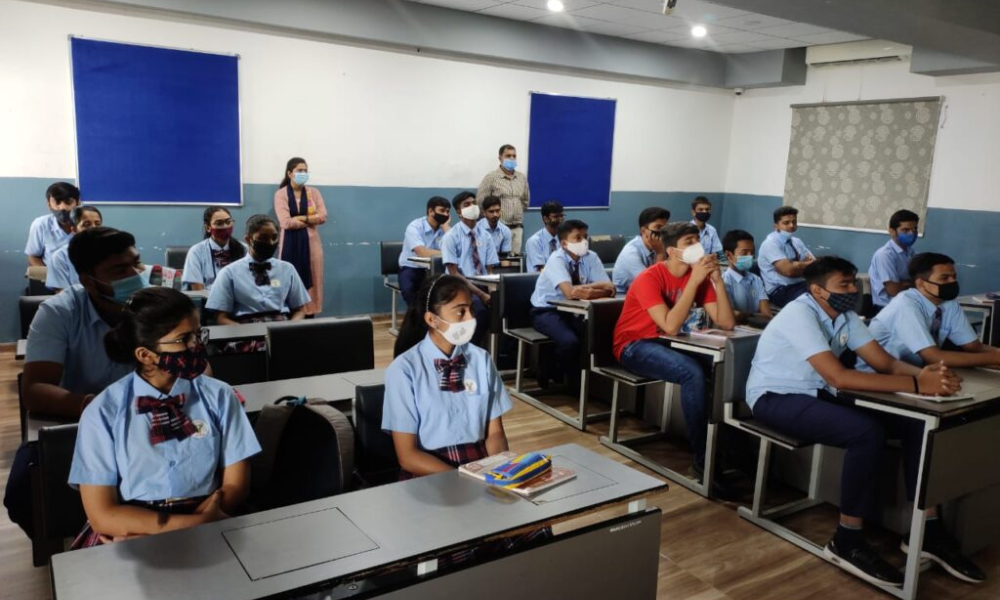
Rising Mental Health Concerns
Recent data shows increasing levels of stress, anxiety, and emotional challenges among students. Academic pressure, competitive exams, and uncertainty about careers have made counselling a necessity rather than a luxury.
The policy aligns with the idea that schools should not only educate but also support students emotionally and socially.
Structured Career Guidance
For students in Classes 9 to 12, career decisions can feel overwhelming. With dedicated counsellors, schools aim to provide:
- Stream selection guidance
- Career planning support
- Awareness of global opportunities
This structured approach is expected to reduce confusion and help students make informed choices.
The Ground Reality: A Shortage of Professionals

While the intent is clear, implementation remains a challenge.
Lack of Trained Counsellors
Experts point out a major gap: India currently does not have enough trained counsellors to meet this demand.
Many CBSE Mandates Counselling in schools, especially in smaller towns, may struggle to find qualified professionals with backgrounds in psychology or counselling.
Qualification Requirements
CBSE has outlined specific criteria for counsellors:
- Degrees in psychology, social work, or related fields
- Mandatory training programs
- Skills in mental health identification and student guidance
While these standards ensure quality, they also limit the available talent pool.
Challenges Schools May Face

1. Resource Constraints
Hiring full-time counsellors may not be financially feasible for all schools, particularly smaller institutions.
2. Implementation Gap
Policies often look strong on paper but face hurdles in execution, especially when infrastructure and manpower are limited.
3. Awareness and Acceptance
In some cases, students and parents may still hesitate to seek counselling due to stigma around mental health.
4. Urban vs Rural Divide
Urban schools may adapt faster, while rural schools could face delays due to limited access to trained professionals.
Possible Solutions and Alternatives

To address these challenges, CBSE and schools may need to adopt flexible approaches.
1. Hub-and-Spoke Model
Schools can share counselling resources, where larger institutions support smaller ones.
2. Teacher Training
Existing teachers can be trained in basic counselling skills to provide initial support.
3. Digital Counselling Platforms
Online counselling services can help bridge the gap, especially in remote areas.
4. Capacity Building
Expanding training programs and encouraging students to pursue careers in counselling can help meet long-term demand.
A Broader Shift in Education
This mandate is part of a larger transformation in India’s education system. Schools are increasingly being seen as spaces for:
- Emotional development
- Life skills training
- Mental health awareness
CBSE has already introduced initiatives like tele-counselling services and stress-management resources to support students during exams.
These steps indicate a growing recognition that academic success alone is not enough.
What This Means for Students and Parents

For students, this policy could create a safer and more supportive environment. They will have access to:
- Professional guidance during stressful periods
- Help with emotional challenges
- Clarity in career decisions
For parents, it offers reassurance that schools are taking responsibility for their child’s overall well-being.
Conclusion
The CBSE Mandates Counselling to introduce in every school is a timely and necessary reform. It acknowledges the realities of modern education, where mental health and career guidance play a crucial role.
However, the success of this initiative will depend on how effectively it is implemented. Without enough trained counsellors, the policy risks becoming a formality rather than a meaningful change.
The real challenge now is not just introducing counselling—but ensuring that qualified professionals are available to make it truly impactful.
FREQUENTLY ASKED QUESTIONS
Q1. Why has CBSE made counselling mandatory in schools?
Ans: To address rising mental health issues, academic stress, and career confusion among students.
Q2. What is the counsellor-to-student ratio set by CBSE?
Ans: CBSE recommends one counsellor for every 500 students.
Q3. What qualifications are required for school counsellors?
Ans: Typically, degrees in psychology, social work, or related fields along with training.
Q4. What challenges does this policy face?
Ans: The biggest challenge is the shortage of trained counsellors across India.
Q5. How can schools manage the shortage of counsellors?
Ans: Through shared resources, teacher training, and digital counselling solutions.