

As 2025 draws to a close, the CBSE Year Ender 2025 has introduced a series of major reforms that are reshaping school education in India. These changes span from exam patterns and textbooks to curriculum updates and assessment methods — reflecting a clear shift from rote learning to competency-based education.
Most reforms align with the National Education Policy (NEP) 2020 and are aimed at improving learning outcomes for students across the country.
1. Strong Focus on Competency-Based Assessment
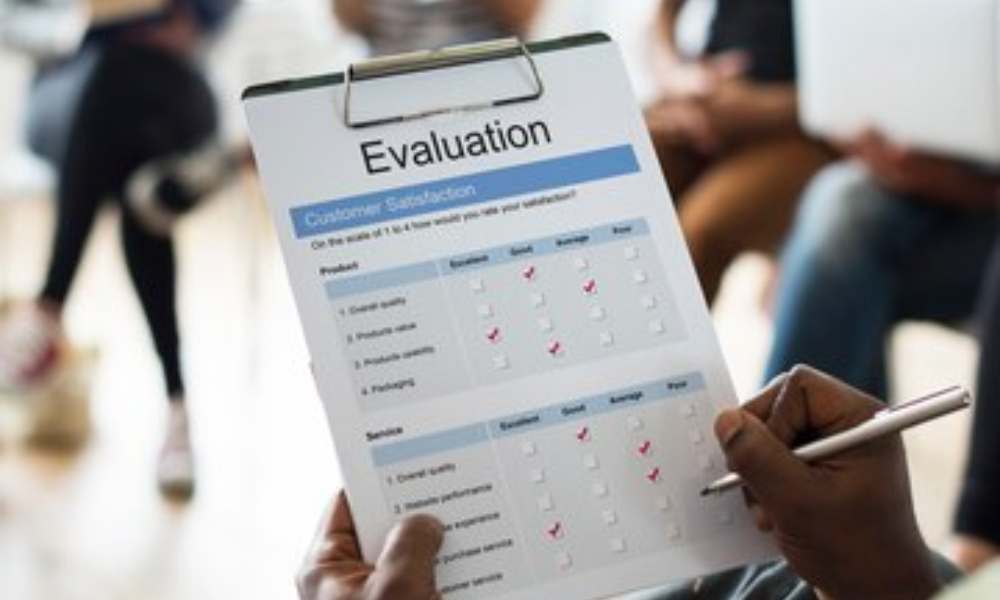
One of the biggest shifts this year has been CBSE Year Ender 2025 emphasis on competency-based questions. Instead of focusing on memorised facts, exam papers now include more:
Case-based questions
Source-based questions
Multiple Choice Questions (MCQs)
Real-life problem-solving questions
This change encourages students to understand concepts deeply and apply their knowledge to real situations.
2. Section-Wise Structure for Class 10 Papers
To make board exams more structured and predictable, CBSE introduced section-wise papers for subjects like Science and Social Science.
For example:
Class 10 Science is divided into Biology, Chemistry and Physics sections.
Class 10 Social Science splits into History, Geography, Political Science and Economics.
This clear format helps students focus on one part at a time and manage their exam time better.
3. Balanced Question Format
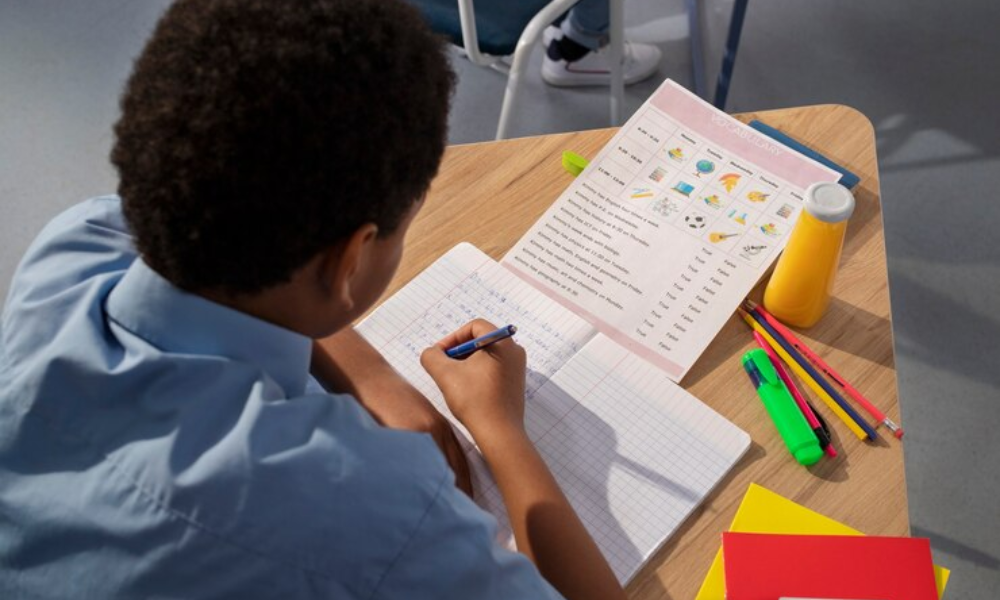
The number of long and short answer questions has been reduced to make space for competency-focused questions. This change challenges students to think critically rather than just write lengthy answers by memory.
4. Better Exam Security Measures
CBSE Year Ender 2025 has strengthened exam centre security by introducing biometric authentication and mandatory CCTV coverage at examination venues nationwide. These measures aim to improve fairness, integrity, and transparency in conduct of board exams.
5. Two-Term Board Exam Model (From 2026)

A key reform announced for the 2026 academic session is the introduction of a two-term board exam model. For Class 10 — and possibly Class 12 — students will have two chances to take board exams in a year. The best score will count toward final results. This system helps reduce stress and gives students flexibility to improve their performance.
This one change alone marks a significant move away from the old “one-exam decides your future” culture.
6. Competency & Skill-Based Curriculum for Middle School
CBSE has mandated skill-oriented learning for Classes 6 to 8, integrating hands-on and practical components into everyday lessons. This shift promotes real-world understanding and ensures students develop critical thinking, creativity, and collaborative skills early in their academic journey.
7. New Competency-Based Textbooks

New competency-based textbooks have been introduced for several classes (e.g., Classes 4, 5, 7 and 8) for the 2025-26 academic session. These books encourage activity-based, experiential learning with examples drawn from real life rather than heavy memorisation.
8. Broad Digital Evaluation Initiatives
CBSE Year Ender 2025 has expanded digital answer sheet evaluation to reduce human error, speed up results processing, and improve marking accuracy. This modernization helps ensure fairer and more consistent marking across regions.
9. APAAR ID Integration
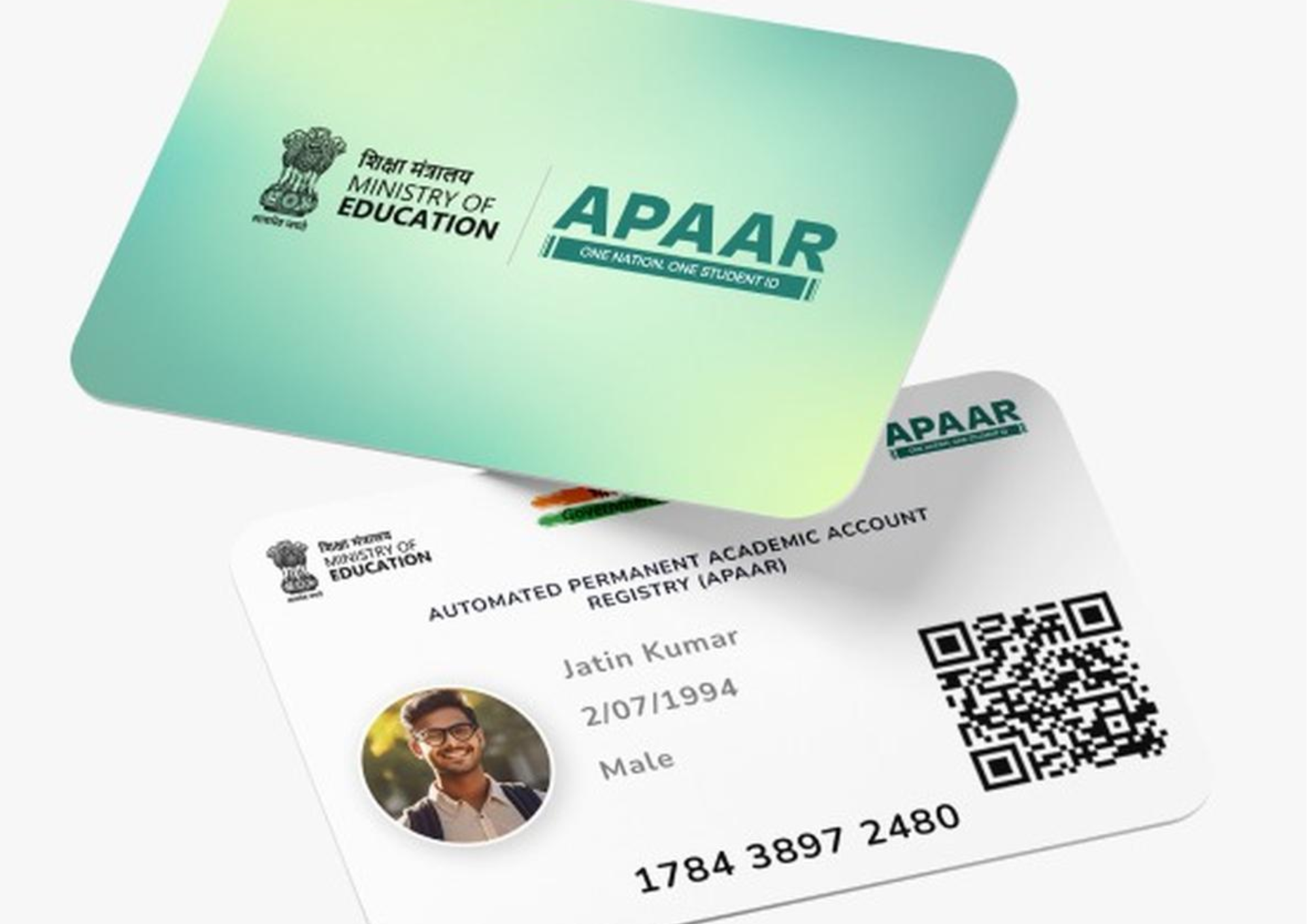
A new APAAR ID (Academic Performance Assessment & Analytics Report) framework is being rolled out for board exams. This unique ID aims to create a lifelong academic record for students and simplify future admissions, verifications, and transitions between institutions.
10. Stricter Data Verification
To avoid errors in results and admission records, CBSE introduced forced verification of student data (names, dates of birth, subject choices, etc.) before boards. This makes both schools and parents accountable for correct student information.
11. Expanded Skill & Vocational Subjects
New and updated vocational subjects such as design thinking, electronics, AI-related courses, and physical/ activity trainer options have been added to ensure students gain future-ready skills aligned with industry needs.
12. Revision of Exam & Registration Fees
After five years, CBSE revised board exam and registration fees for Class 10 and Class 12. This fee revision reflects rising administrative and security costs as well as expanded digital evaluation measures.
13. Internal Assessment Weightage & Practical Focus
Although not new to CBSE Year Ender 2025, internal assessments — including projects, periodic tests and school-based practical work — are playing an increasingly significant role in overall evaluation. Students are now encouraged to focus on ongoing performance rather than relying entirely on final exam results.
Why These Changes Matter
• Holistic Learning ➤
CBSE is moving toward holistic education by blending academic knowledge with real-world skills.
• Reduced Rote Learning ➤
Emphasis on competency-based assessment helps curb rote memorisation and encourages deeper understanding.
• Student Well-Being ➤
Two board exam chances and a balanced question format make exam pressure more manageable for students.
• Future-Ready Skills ➤
New skill-based and vocational subjects equip students for future careers and higher education pathways.
Conclusion
The CBSE Year Ender 2025 has marked a significant transition in CBSE’s approach to school education. The board’s reforms reflect a deep commitment to conceptual clarity, student well-being, skill development and meaningful assessment. Students, teachers and parents will feel the impact of these changes most acutely during the upcoming board exams and classroom learning experiences.
If you’re preparing for the CBSE board exams in 2026 or beyond, understanding these updates will help you plan better and study smarter.
FREQUENTLY ASKED QUESTIONS
Q1. How has CBSE changed the exam pattern in 2025?
Ans: CBSE introduced more competency-based and application-oriented questions, restructured papers into sections, and reduced rote-focused questions.
Q2. What is the two-term board exam model?
Ans: Starting 2026, Class 10 (and possibly Class 12) board exams will be held twice a year, giving students a chance to improve their scores.
Q3. What are competency-based textbooks?
Ans: They are new learning resources that emphasise understanding, real-life examples, and practical exercises instead of memorisation.
Q4. What is APAAR ID?
Ans: APAAR ID is a digital academic record for students that helps streamline long-term academic tracking and admissions.
Q5. Why did CBSE revise exam fees in 2025?
Ans: Fee revisions were introduced to support enhanced security, digital evaluation and administrative costs.