
Education and employment are closely connected in shaping an individual’s future. The role of education and employment goes far beyond earning a degree or finding a job. It builds skills, improves decision-making, and prepares individuals to contribute meaningfully to society.
In today’s competitive world, understanding the relationship between education and employment is essential for students, parents, and educators. A strong educational foundation often leads to better career opportunities, while employment provides practical exposure that enhances learning.
Understanding the Relationship Between Education and Employment
The connection between education and employment is both direct and evolving. Education provides knowledge and skills, while employment transforms those skills into real-world productivity.
How Education Shapes Careers
- Builds subject knowledge and technical expertise
- Develops soft skills like communication and teamwork
- Enhances problem-solving and critical thinking
- Prepares individuals for industry demands
How Employment Enhances Learning
- Provides practical exposure
- Strengthens professional behavior
- Encourages continuous learning
- Builds confidence and independence
This two-way relationship makes education and employment a continuous cycle of growth and improvement.
Importance of Education and Employment in Modern Society

Education and employment are key drivers of personal and national development. Their importance can be seen across different aspects of life.
1. Economic Growth
A skilled workforce contributes to productivity and innovation. Countries with strong education systems tend to have better employment rates and economic stability.
2. Personal Development
Education helps individuals grow intellectually and emotionally. Employment, on the other hand, builds discipline, responsibility, and independence.
3. Social Mobility
Education and employment open doors for better living standards. They help individuals move beyond financial limitations and improve their quality of life.
4. Skill Enhancement
Continuous learning and work experience help people upgrade their skills, making them adaptable to changing job markets.
Types of Education Linked to Employment

Different types of education play different roles in shaping employment opportunities. Understanding these types helps in making informed career decisions.
1. Formal Education
- Schools, colleges, and universities
- Structured curriculum and certifications
- Foundation for professional careers
2. Vocational Education
- Skill-based training programs
- Focus on practical knowledge
- Direct entry into specific industries
3. Informal Education
- Self-learning, online courses, workshops
- Flexible and continuous learning
- Supports career growth and transitions
4. Technical and Professional Education
- Engineering, medical, management studies
- Specialized knowledge for high-demand jobs
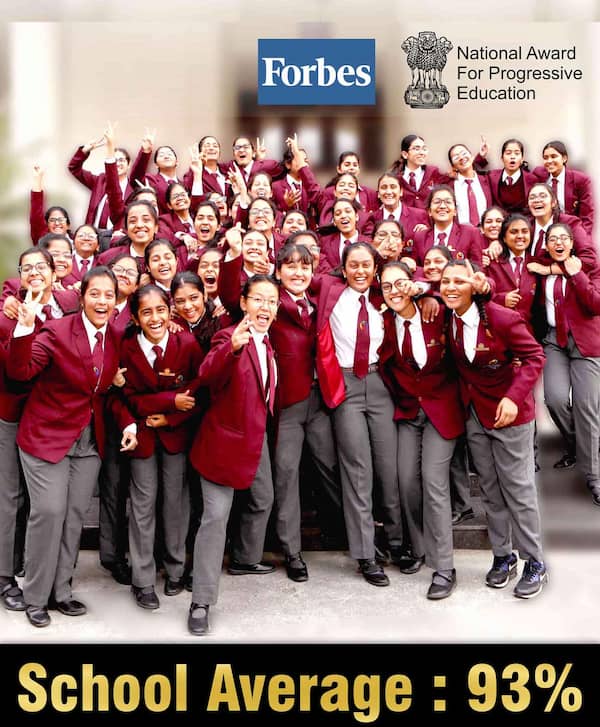
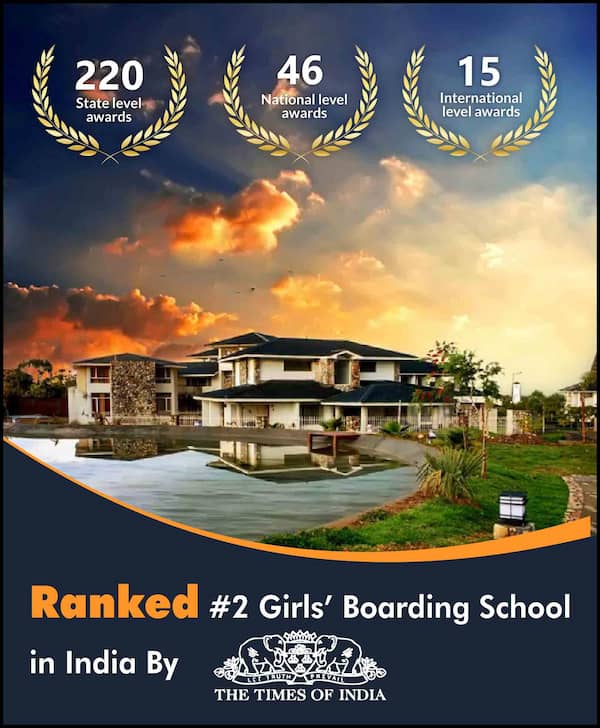
Institutions like Ecole international Schools focus on building both academic and life skills, helping students prepare for real-world employment challenges.
Key Theories Linking Education and Employment
Several theories explain how education and employment are interconnected. These theories provide a deeper understanding of career development.
1. Human Capital Theory
This theory suggests that education increases an individual’s productivity. Higher education leads to better skills, which result in higher income and job opportunities.
2. Signaling Theory
According to this theory, education acts as a signal to employers about a candidate’s abilities, discipline, and commitment.
3. Structural Functionalism
This theory explains that education prepares individuals for specific roles in society, ensuring smooth functioning of the economy.
4. Conflict Theory
It highlights inequalities in access to education and employment. Not everyone gets equal opportunities, which can affect career growth.
Benefits of Strong Education and Employment Connection
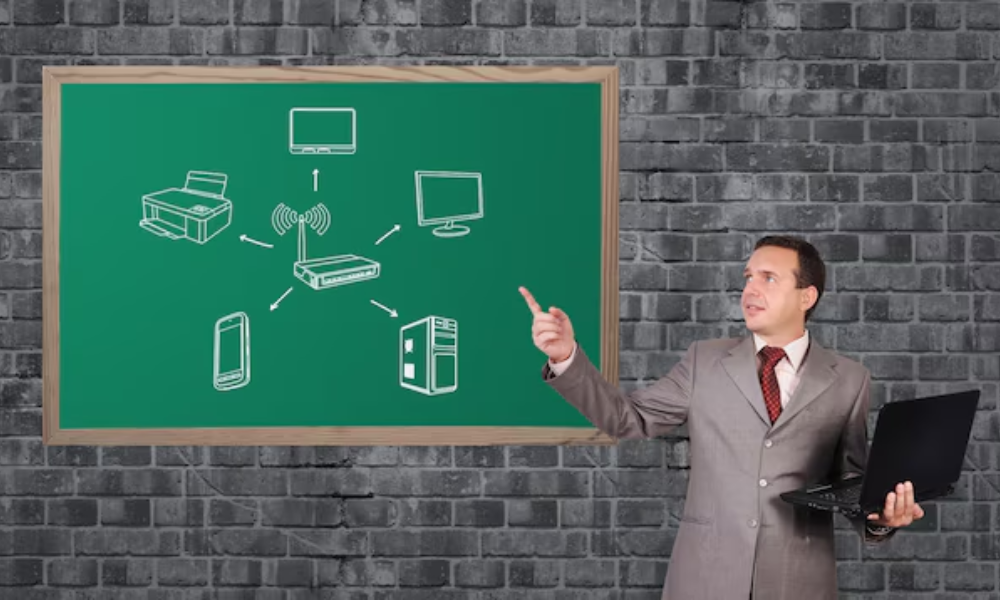
When education and employment are aligned, individuals and society both benefit.
For Individuals
- Better job opportunities
- Higher earning potential
- Career stability
- Personal satisfaction
For Society
- Reduced unemployment rates
- Economic development
- Innovation and progress
- Social stability
A well-balanced system of education and employment ensures long-term success for both individuals and communities.
Challenges in Education and Employment

Despite the strong link, there are several challenges that affect the relationship between education and employment.
1. Skill Gap
Many students graduate without the skills required by employers, creating a mismatch between education and employment.
2. Unemployment
Even qualified individuals may struggle to find jobs due to limited opportunities or economic conditions.
3. Outdated Curriculum
Some education systems do not keep up with industry trends, reducing employability.
4. Inequality in Access
Not all individuals have equal access to quality education, which affects their employment prospects.
Bridging the Gap Between Education and Employment

To strengthen the connection between them, certain steps can be taken.
Practical Learning
- Internships and industry exposure
- Hands-on training programs
Skill-Based Education
- Focus on real-world skills
- Integration of technology and digital learning
Career Guidance
- Counseling for students
- Awareness of career opportunities
Collaboration with Industries
- Partnerships between educational institutions and companies
- Curriculum designed based on industry needs
Even structured environments like Boarding schools in India emphasize discipline, life skills, and independence, which indirectly support future employment readiness.
Quick Comparison: Education Types vs Employment Outcomes
| Education Type | Focus Area | Employment Outcome |
|---|---|---|
| Formal Education | Academic Knowledge | Professional Careers |
| Vocational Education | Practical Skills | Skilled Jobs & Trades |
| Informal Education | Continuous Learning | Career Growth & Flexibility |
| Technical Education | Specialized Skills | High-Demand Jobs |
Future Trends in Education and Employment
The relationship between education and employment is changing with time.
Digital Learning
Online platforms are making education more accessible and flexible.
Automation and AI
New technologies are changing job roles, requiring new skills.
Lifelong Learning
Continuous education is becoming essential for career growth.
Global Opportunities
Education now prepares individuals for global careers, not just local jobs.
Conclusion
They are deeply interconnected and equally important in shaping a successful life. While education builds the foundation, employment provides the platform to apply knowledge and grow.
A balanced approach that combines academic learning with practical skills can help individuals achieve both personal and professional success. By understanding the importance, types, and theories of education and employment, students and parents can make informed decisions for a better future.
FREQUENTLY ASKED QUESTIONS
Q1. Why is education important for employment?
Ans: Education provides the knowledge and skills needed to perform job roles effectively and increases employability.
Q2. What is the relationship between education and employment?
Ans: Education prepares individuals for jobs, while employment helps apply and enhance those skills.
Q3. Which type of education is best for employment?
Ans: It depends on career goals. Vocational and technical education are ideal for skill-based jobs, while formal education supports professional careers.
Q4. What are the main challenges in education and employment?
Ans: Skill gaps, unemployment, outdated curriculum, and unequal access to education are key challenges.
Q5. How can students improve their employment chances?
Ans: By gaining practical experience, learning new skills, and staying updated with industry trends.