






Learning a second language can be intimidating, but if you’re wondering how to learn English quickly and effectively, you’ve come to the right place.
Whether you want to study for exams, get a promotion, or just interact more easily with people around you, getting fluent takes strategy, practice, and the right tools.
This guide provides seven time-tested tips that you can begin to implement now that will set you on a fast track to English fluency.
1. Set Clear, Measurable Goals
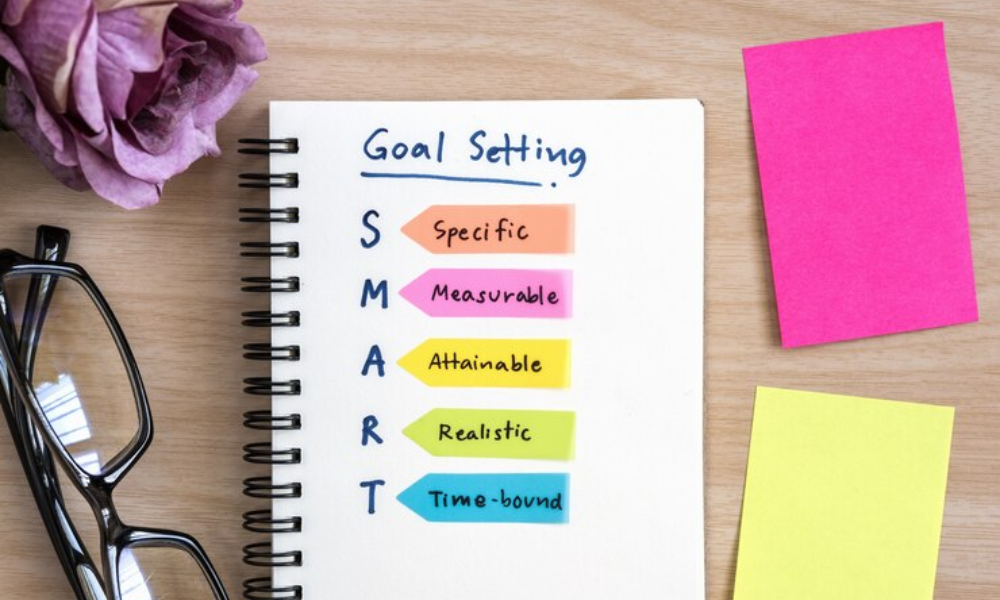
Before you start learning English fast and exploring how to learn English naturally, clarify why you want to learn quickly and what “fast” means to you.
- Short-term goals: Get the hang of basic greetings and introductions in two weeks.
- Medium-term goals: Speak for 10 minutes on day-to-day subjects in three months.
- Long-term goals: Getting to the B2/C1 level for academic or professional purposes in 6-9 months.
If you have clear goals, you’ll be able to monitor progress and keep motivated.
2. Immerse Yourself in the Language

One of the biggest responses to how to learn English fast is immersion: to block all other languages from your life to the best of your ability and surround yourself with English.
Media consumption: Watch English movies and TV series with subtitles and then without.
- Music and podcasts: Try to listen to English songs, music, and even educational podcasts like the “6 Minute English” by BBC.
- Reading materials: Read graded readers, news articles, or blogs in areas you enjoy. It can be technology, fashion, or sports.
The more you expose your brain to natural English, the faster you’ll internalize vocabulary and structures.
3. Build Core Vocabulary Efficiently

For those wondering how to learn English naturally, building a robust vocabulary base is crucial for fluency—start by focusing on high-frequency words first.
- Frequency lists: Focus on the 1,000 most common English words, which cover around 85% of everyday text.
- Spaced repetition: Use apps like Anki or Memrise to review words at optimal intervals.
- Word families: Learn related words together (e.g., “produce,” “product,” “production”) to deepen retention.
By targeting the words you’ll encounter most often, you’ll understand and participate in conversations sooner.
4. Master Essential Grammar Patterns

Whereas vocabulary provides you with the bricks, grammar supplies the mortar. Focus on patterns that crop up most often:
- Present simple vs. present continuous.
- Past simple vs. present perfect
- Modal verbs (“can,” “should,” “must”) for ability and advice
- Question formation
Materials such as the “English Grammar in Use” series by Raymond Murphy or websites like Perfect English Grammar provide concise explanations and masses of exercises.
5. Practice Speaking Every Day


When learning how to learn English naturally, speaking practice is non-negotiable for achieving fast fluency:
- Language exchange: Partner with native speakers via platforms like Tandem or HelloTalk.
- Shadowing technique: Listen to short audio clips and repeat immediately, mimicking pronunciation and intonation.
- Self-talk: Narrate your daily routine out loud in English—”I’m brushing my teeth,” “I’m making coffee.”
Regular speaking helps overcome the fear of mistakes and builds muscle memory for common phrases.
6. Develop Active Listening Skills

Good comprehension accelerates fluency. Engage in active listening by:
- Transcription exercises: Choose a one-minute podcast segment, write down what you hear, and compare it with the transcript.
- Dictation practice: Have a friend read a paragraph while you type or write it out.
- Varied accents: Expose yourself to different English accents—American, British, Australian—to increase adaptability.
As you sharpen your listening, you’ll pick up natural speech patterns and understand real-world conversations.
7. Write Regularly and Get Feedback

Writing reinforces what you’ve learned and highlights areas you need improvement.
- Daily journal: Write five sentences about your day, using new vocabulary and grammar patterns.
- Online communities: Post short essays on exchange forums or subreddits like r/WriteStreakEN and request corrections.
- Language tutors: Platforms like iTalki offer paid tutors who provide personalized written Feedback.
Frequent writing practice helps cement language structures and vocabulary in your mind.
8. Leverage Technology and Apps

To respond to how to study English effectively, leverage the power of new tools:
- Duolingo / Babbel: For gamified vocabulary and grammar drills.
- Grammarly: For real-time writing corrections and explanations.
- YouTube channels: “English with Lucy,” “BBC Learning English,” and “VOA Learning English” offer free lessons and tips.
Incorporating these into daily routines turns every spare moment into a learning opportunity.
9. Create a Consistent Study Routine

Consistency beats intensity. Even 15–30 minutes per day, practiced daily, will outpace sporadic hours on weekends.
- Micro-learning sessions: Break your study into short blocks—vocabulary in the morning, listening at lunch, and speaking in the evening.
- Habit stacking: Link English practice to existing habits—review flashcards after your morning coffee and watch a 10-minute video before bed.
- Accountability partners: Study with a friend or join online challenges to keep momentum.
By making English study non-negotiable, you’ll maintain steady progress toward fluency.
10. Monitor Progress and Celebrate Milestones

Regular evaluation helps you stay motivated and adapt your approach:
- Self-assessments: Record short speaking clips monthly and compare.
- Standardized tests: Take practice IELTS or TOEFL sections every few months to gauge improvement.
- Reward system: Treat yourself when you reach milestones—complete a level on your app, read your first English article, and finish a conversation.
Recognizing your achievements sustains enthusiasm and reinforces positive study habits.
Conclusion
Mastering how to learn English quickly doesn’t require magic—just a strategic combination of goal-setting, immersion, targeted practice, and smart use of resources.
By implementing these proven strategies and maintaining a consistent, motivated mindset, you’ll be well on your way to rapid fluency. Start today, and watch your English skills soar!
FREQUENTLY ASKED QUESTIONS
Q1. How long does it take to learn English fluently?
Ans: With daily practice and immersion, most learners reach conversational fluency in 3–6 months; advanced proficiency may take 6–12 months.
Q2. What’s the best way to build English vocabulary quickly?
Ans: Focus on high-frequency word lists, use spaced-repetition flashcards, and learn words in related groups (word families).
Q3. How can I improve my English pronunciation?
Ans: Try the “shadowing” technique: listen to short audio clips and immediately repeat, matching the speaker’s rhythm and intonation.
Q4. Which apps work best for structured English learning?
Ans: Duolingo or Babbel for fundamentals, Anki for spaced-repetition vocabulary, and Grammarly for real-time writing feedback.
Q5. How should I practice English speaking if I’m shy?
Ans: Start with self-talk (narrating your day), then move to language-exchange apps (Tandem, HelloTalk) for low-pressure conversations.
Q6. Are subtitles helpful when watching English media?
Ans: Yes, begin with subtitles in your native language, switch to English subtitles, then watch without any subtitles to train your listening skills.