



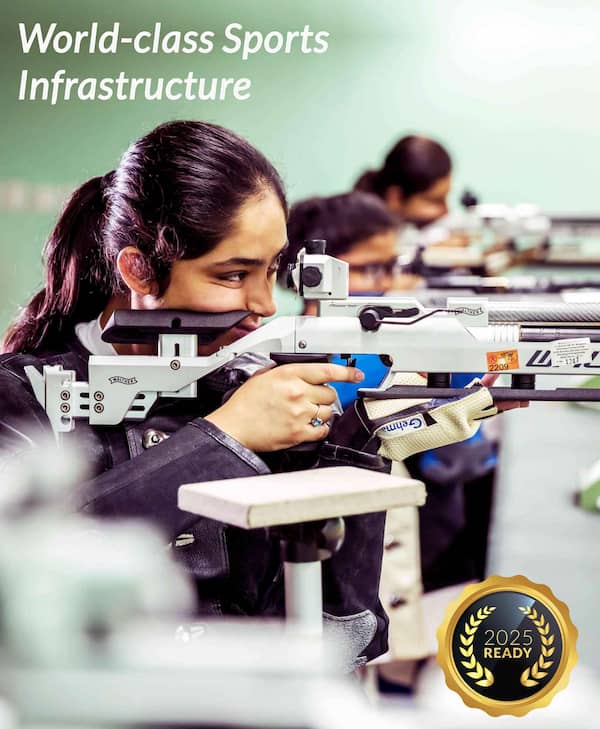


In today’s fast-changing world, education is no longer limited to textbooks, exams, and classroom lessons. Schools across the globe are now focusing on the importance of extracurricular activities, recognising that students need more than academic knowledge to succeed in life. From sports and music to debate clubs, robotics, and social work, extracurricular activities are shaping well-rounded, confident, and future-ready students.
Why Extracurricular Activities Matter Today

As competition increases and career options expand, students are expected to have strong personalities, leadership qualities, communication skills, and the ability to think creatively. Academics alone cannot build these qualities. This is where the importance of extracurricular activities becomes truly visible.
Modern education models highlight that learning through activities helps students discover their strengths, build discipline, and develop essential life skills that go beyond classroom learning.
1. Helps in Developing Important Life Skills
Extracurricular activities teach students the skills that matter in real life. When students participate in sports, clubs, or performing arts, they learn teamwork, responsibility, time management, leadership, and problem-solving—qualities that are highly valued in every professional field.
For example, a student managing a school event naturally learns communication, planning, budgeting, and leadership without sitting through a single “theory” class.
2. Boosts Confidence and Self-Esteem
Participating in activities gives students the chance to express themselves and showcase their talents. Whether it’s performing on stage, winning a competition, or completing a community project—every achievement builds confidence.
Even small victories matter. A shy student who hesitates to speak in class may gain confidence after joining a drama club or a debate team.
3. Encourages Creativity and Innovation

Creative clubs, art groups, science fairs, and innovation labs help students think differently and experiment with new ideas. These experiences nurture imagination and encourage students to approach problems from fresh perspectives.
This creative thinking becomes a powerful asset in future careers, especially in fields like design, media, engineering, and entrepreneurship.
4. Improves Social Skills and Teamwork
One of the biggest importance of extracurricular activities is the social learning that happens naturally. Students learn to work in groups, communicate effectively, respect others’ opinions, and build healthy friendships.
Sports teams, music bands, and group projects teach students the value of cooperation, shared success, and mutual support.
5. Enhances Academic Performance
Contrary to the belief that activities distract students, research shows that active students perform better academically. Extracurriculars improve concentration, discipline, organisation, and stress management.
Balanced students are happier, healthier, and more focused—which leads to better marks and improved learning outcomes.
6. Prepares Students for Future Careers

Colleges and employers today look beyond grades. They want individuals who are confident, skilled, and well-rounded. Extracurricular activities provide students with:
Leadership experiences
Real-world exposure
Portfolio-building opportunities
Strong communication and interpersonal skills
These qualities significantly increase a student’s chances of admission to prestigious universities and future job roles.
7. Helps Students Explore Their Passions
Many students discover their true interests through extracurriculars—whether it’s music, sports, writing, technology, or community service. These experiences guide students toward future career paths and help them understand what they genuinely enjoy.
Real-Life Example

A student who joins the school’s robotics club may discover a passion for engineering and eventually choose a career in technology. Similarly, a child who participates in theatre may develop strong communication skills that help them become confident leaders in the future.
Key Takeaways
Extracurricular activities are essential for holistic development.
They build confidence, creativity, teamwork, and leadership skills.
Students become more disciplined, focused, and socially aware.
Activities help improve academic performance and reduce stress.
They prepare students for future careers and real-life challenges.
Conclusion
The role of education has evolved, and so have students’ needs. The importance of extracurricular activities is stronger than ever, as they help shape balanced, confident, and capable individuals. By encouraging students to participate in a variety of activities, schools create an environment where learning is joyful, meaningful, and truly holistic. In the end, what students learn outside the classroom often becomes the foundation of who they become in life.
FREQUENTLY ASKED QUESTION
Q1. Why are extracurricular activities important in schools?
Ans: They help students develop skills like teamwork, creativity, and confidence, which academics alone cannot provide.
Q2. Do extracurricular activities improve academic performance?
Ans: Yes. They improve focus, discipline, and stress management, leading to better academic results.
Q3. What types of extracurricular activities are most beneficial?
Ans: Sports, arts, debate, music, technology clubs, and community service—all help in overall growth.
Q4. How do these activities help in a student’s future career?
Ans: They build leadership, communication, and practical skills that universities and employers value.
Q5. Should students balance academics and activities?
Ans: Yes. A healthy balance helps students perform better in both areas.