





School activities are more than just breaks from lessons — they’re powerful tools that build skills, confidence, and a sense of belonging. When planned well, activities help students apply classroom learning, explore interests, and develop social and emotional skills. This article explains types of school activities, their benefits, examples, planning tips, and ways to measure impact.
Why school activities matter
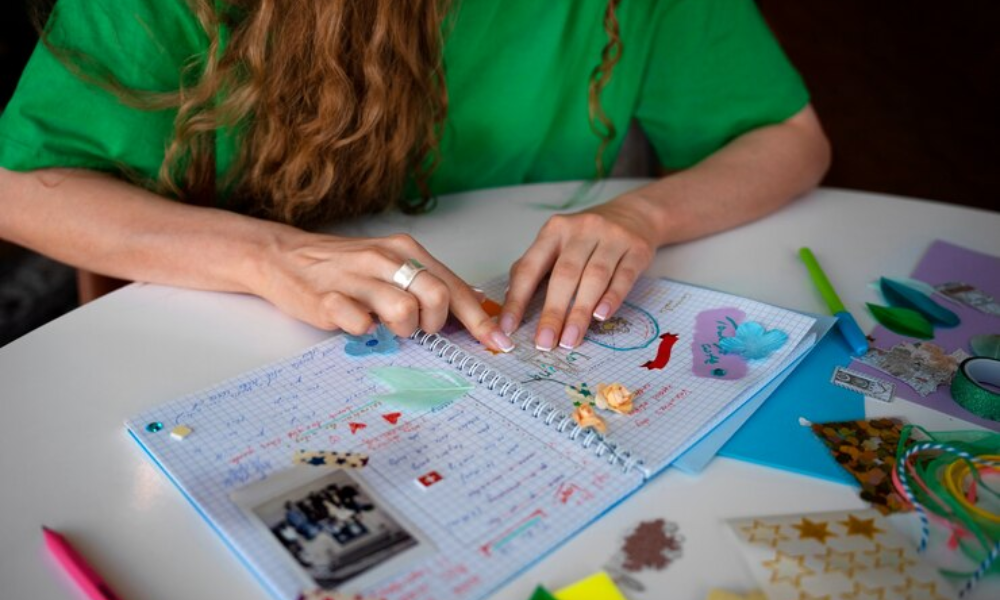
Reinforce learning: Activities let students apply theory in real situations (science fairs, debates).
Develop life skills: Teamwork, time management, leadership and communication grow naturally through group tasks.
Boost engagement: Hands-on and fun activities increase motivation and reduce absenteeism.
Support wellbeing: Sports, arts and mindfulness reduce stress and improve focus.
Encourage inclusion: Mixed-ability activities give every child a chance to shine.
Main types of school activities
1. Academic & Enrichment Activities
Quiz bowls and Olympiads — encourage recall and quick thinking.
Science fairs & project exhibitions — promote inquiry and research skills.
Debates, elocution and model UN — develop speaking, reasoning and global awareness.
Club-based electives (coding, robotics, language clubs) — build specialized skills.
2. Creative & Cultural Activities
Art shows and craft workshops — nurture imagination and fine motor skills.
Drama, music and dance performances — boost confidence and emotional expression.
Literary festivals & storytelling sessions — foster reading culture and creativity.
3. Sports & Physical Activities
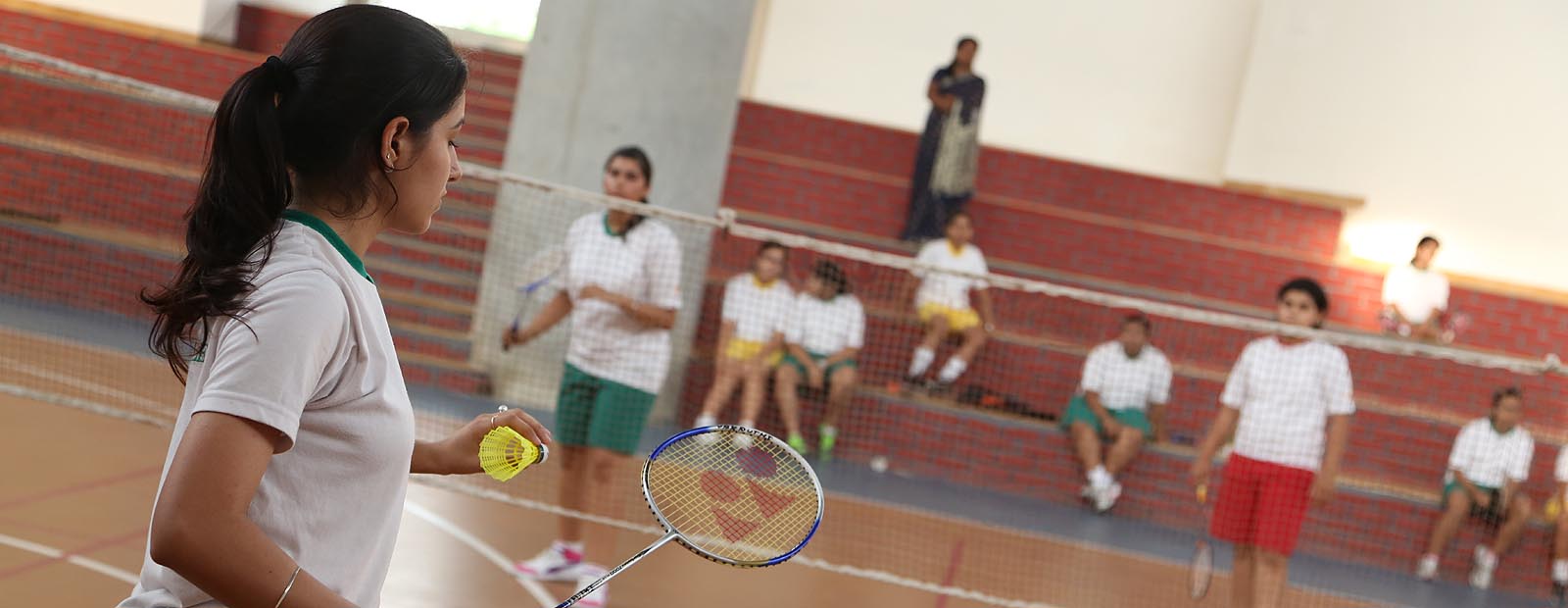
Team sports (football, basketball) — teach collaboration, strategy, and resilience.
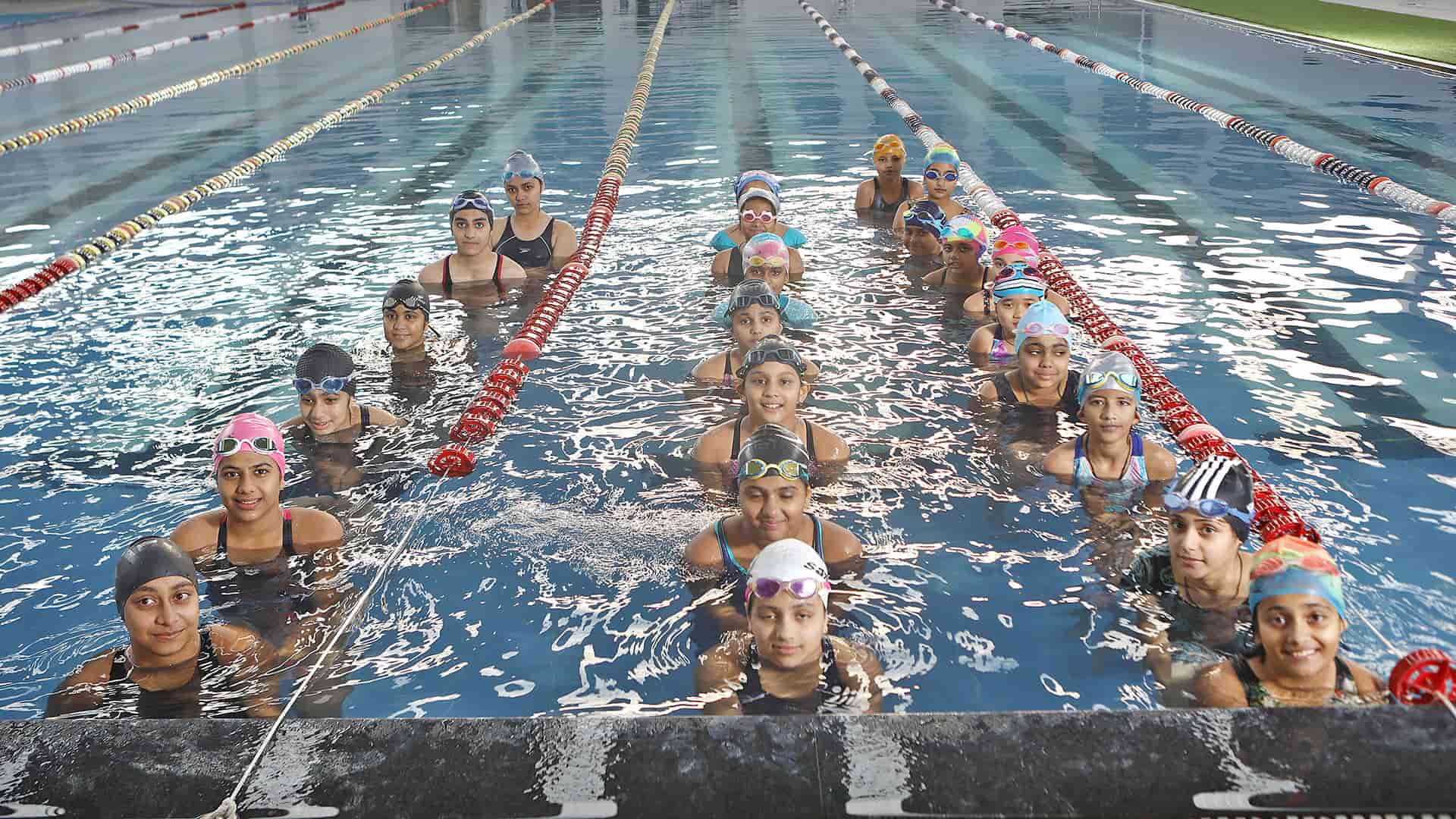
Individual sports (athletics, swimming) — focus on goal-setting and self-discipline.
Yoga and fitness clubs — improve physical and mental health.
4. Community & Service Activities
Clean-up drives and tree plantations — promote civic responsibility.
Volunteering with NGOs — build empathy and real-world skills.
Peer mentoring and buddy systems — strengthen social bonds.
5. Life-Skills & Career-Oriented Activities
Financial literacy workshops — teach budgeting and planning.
Career fairs & internships — expose students to future pathways.
First-aid and safety training — equip students with practical life-saving skills.
6. Field Visits & Experiential Learning
Museum, industry or farm visits — connect classroom content to reality.
Outdoor education and camps — build leadership, problem-solving, and resilience.
How to plan effective school activities

1. Align activities with learning goals
Start by asking: what should students learn or practice? Link activities to curriculum outcomes.
2. Include varied formats
Mix individual, pair, and group tasks to cater to different learning styles and personalities.
3. Ensure inclusivity
Design roles and options so students of different abilities can participate meaningfully.
4. Prepare resources and safety checks
Arrange materials, permissions, medical kits, and supervision ratios before the event.
5. Build a clear timeline and roles
Assign teachers, student leaders, and parent volunteers with specific responsibilities.
6. Give students ownership
Let students plan elements — publicity, flow, judging rubrics — to increase engagement.
Assessing impact and learning
Rubrics: Use simple rubrics for projects, presentations and performances to evaluate skills beyond content.
Reflection: Ask students to write short reflections — what they learned and how they felt.
Peer feedback: Structured peer review builds evaluative skills.
Data tracking: Monitor attendance, participation rates and academic correlations over time.
Safety, inclusivity and logistics
Obtain parental consent for off-campus or physical activities.
Follow standard first-aid and emergency protocols.
Make reasonable accommodations for students with special needs.
Keep clear communication with parents: objectives, schedule, attire, and pick-up details.
Practical tips for teachers & coordinators
Start small: pilot one new activity before scaling.
Reuse resources: make activity kits that travel between classes.
Calendar balance: avoid overloading any week with too many events.
Celebrate learning: showcase student work in assemblies, newsletters and social media.
Train student leaders: invest in student organizers for long-term sustainability.
Examples of quick, low-cost school activities
20-minute daily reading circles.
Weekly brain-teaser challenges during assembly.
Monthly inter-house competitions (art, quiz, or sports).
Short community service projects like a neighborhood clean-up.
Mini science experiments using everyday materials.
Conclusion
Well-designed school activities transform education from passive listening into active learning. They build skills, create memories, and prepare students for life outside the classroom. Schools that blend academics with purposeful activities produce happier, more capable, and socially aware students.
Frequently Asked Questions — School Activities
Q1. What counts as school activities?
Ans: School activities include academic clubs, arts, sports, community service, field trips, life-skills workshops, and after-school programs that complement classroom learning.
Q2. How often should a school run activities?
Ans: Aim for a balanced calendar: small activities weekly, medium events monthly, and major events quarterly or term-wise.
Q3. How do school activities improve academic performance?
Ans: Activities develop attention, teamwork, and problem-solving—skills that transfer to classroom work and improve retention and engagement.
Q4. How can schools include students with disabilities?
Ans: Adapt roles, provide assistive tools, and ensure physical accessibility. Focus on strength-based tasks and meaningful participation.
Q5. Who funds school activities?
Ans: Funding can come from school budgets, PTA contributions, sponsorships, or small participation fees (kept affordable or waived for those in need).