






Creating a productive, respectful, and engaging learning environment is a challenge every teacher faces. Whether you’re a new educator or a seasoned professional, mastering effective strategies for classroom management is critical to student success and your own peace of mind.
In this article, we’ll explore 10 proven strategies for classroom management that can help reduce disruptions, build strong student-teacher relationships, and create a supportive classroom atmosphere where everyone thrives.
1. Establish Clear Rules and Expectations from Day One
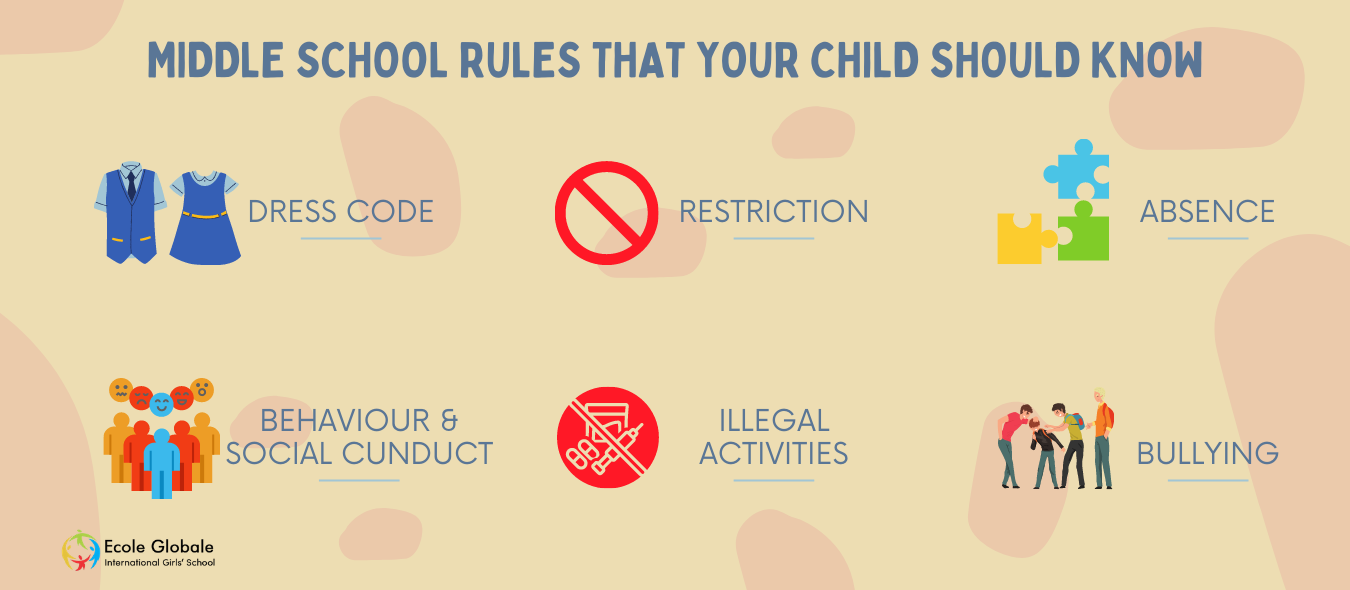
One of the most essential strategies for classroom management is to begin with structure. On the first day of class, introduce a simple, clear set of rules that students can remember and follow. Instead of focusing on what not to do, frame rules positively:
Respect others’ opinions
Raise your hand to speak
Keep hands and feet to yourself
Consistency is key. Reinforce expectations regularly and ensure consequences for breaking rules are fair and predictable.
2. Build Positive Relationships with Students

A strong student-teacher connection is at the heart of successful classroom management strategies. Take time to learn your students’ names, interests, and backgrounds. When students feel seen and valued, they are more likely to respect classroom norms and cooperate.
You can:
Greet students individually
Offer positive reinforcement
Show genuine interest in their lives
Building trust reduces behavioral issues and boosts engagement.
3. Use a Consistent Routine

Students thrive when they know what to expect. Having a daily routine or class structure is one of the most effective strategies for classroom management. A predictable schedule minimizes confusion and helps students feel secure.
Examples include:
A fixed time for warm-up or bell work
Clear transitions between activities
Time set aside for Q&A or feedback
Visual timetables can be particularly helpful for younger learners or those with special needs.
4. Engage Students with Interactive Lessons
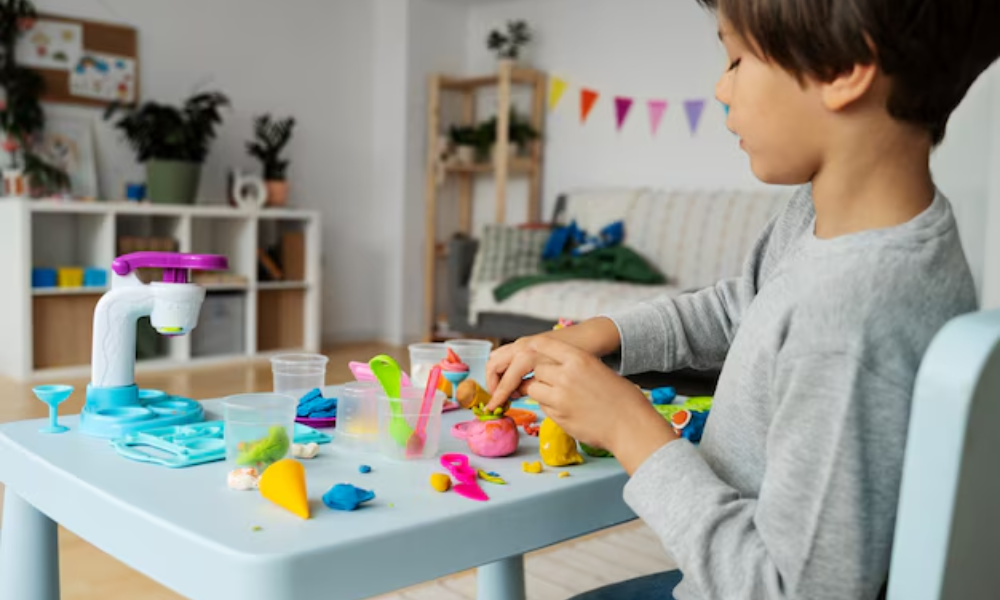
Boredom is often the root cause of misbehavior. Keeping students actively involved is a preventative classroom management strategy. Interactive and hands-on learning keeps their minds engaged and bodies too busy for distractions.
Try:
Group work and collaborative learning
Role-play and storytelling
Educational games and classroom polls
Use varied formats to match different learning styles and keep the energy dynamic.
5. Implement Positive Reinforcement

Rewarding good behavior encourages students to repeat it. Praise, incentives, and recognition are powerful strategies for classroom management when used authentically.
Some ideas:
Verbal praise for participation or effort
A class point system or reward chart
“Student of the Week” highlights
Make sure rewards are achievable and inclusive so all students feel motivated.
6. Use Proactive Classroom Arrangement

How a classroom is arranged can influence student behavior. A well-planned seating chart or room layout is a subtle but effective strategy for classroom management.
Consider:
Placing talkative students apart
Creating small learning pods
Ensuring visibility and easy movement
Changing the setup periodically can also refresh the classroom vibe and reduce monotony.
7. Manage Transitions Effectively

One of the often-overlooked strategies for classroom management is mastering transitions. Moments between tasks or subjects are when disruptions usually occur.
You can ease transitions by:
Giving a warning before time is up
Using signals (like claps or countdowns)
Keeping materials ready in advance
Smooth transitions mean less time wasted and fewer behavior issues.
8. Address Misbehavior Privately and Respectfully

Public discipline can damage student confidence and worsen defiance. Instead, address issues privately and respectfully. This method is one of the more compassionate strategies for classroom management, fostering growth rather than fear.
Steps:
Speak calmly and listen to the student’s side
Offer choices or alternatives
Discuss consequences and expectations for future behavior
This teaches responsibility while preserving dignity.
9. Promote Student Ownership and Voice

When students feel ownership over their classroom environment, they’re more likely to follow rules and stay engaged. Empowerment is a modern and effective classroom management strategy.
Ways to promote ownership:
Let students co-create class rules or projects
Allow some freedom of choice in assignments
Ask for feedback about the classroom experience
Student voice can turn your classroom into a collaborative community rather than a top-down system.
10. Reflect and Adapt Regularly

No list of strategies for classroom management is complete without self-reflection. Every group of students is different, and strategies may need tweaking as the year progresses.
Ask yourself:
What’s working well right now?
What behavior patterns are emerging?
Are my expectations still realistic and clear?
Adapt your approach to meet the changing needs of your class while maintaining a strong foundation.
Final Thoughts
Effective strategies for classroom management go beyond simply keeping order. They lay the foundation for a positive learning culture, where students feel safe, respected, and eager to participate. From setting clear expectations to fostering relationships and engagement, these 10 proven methods can transform any classroom.
Whether you’re dealing with high schoolers or younger students, remember that consistency, empathy, and adaptability are your best tools. When applied mindfully, these strategies for classroom management not only reduce disruptions but also help students grow academically, emotionally, and socially.