



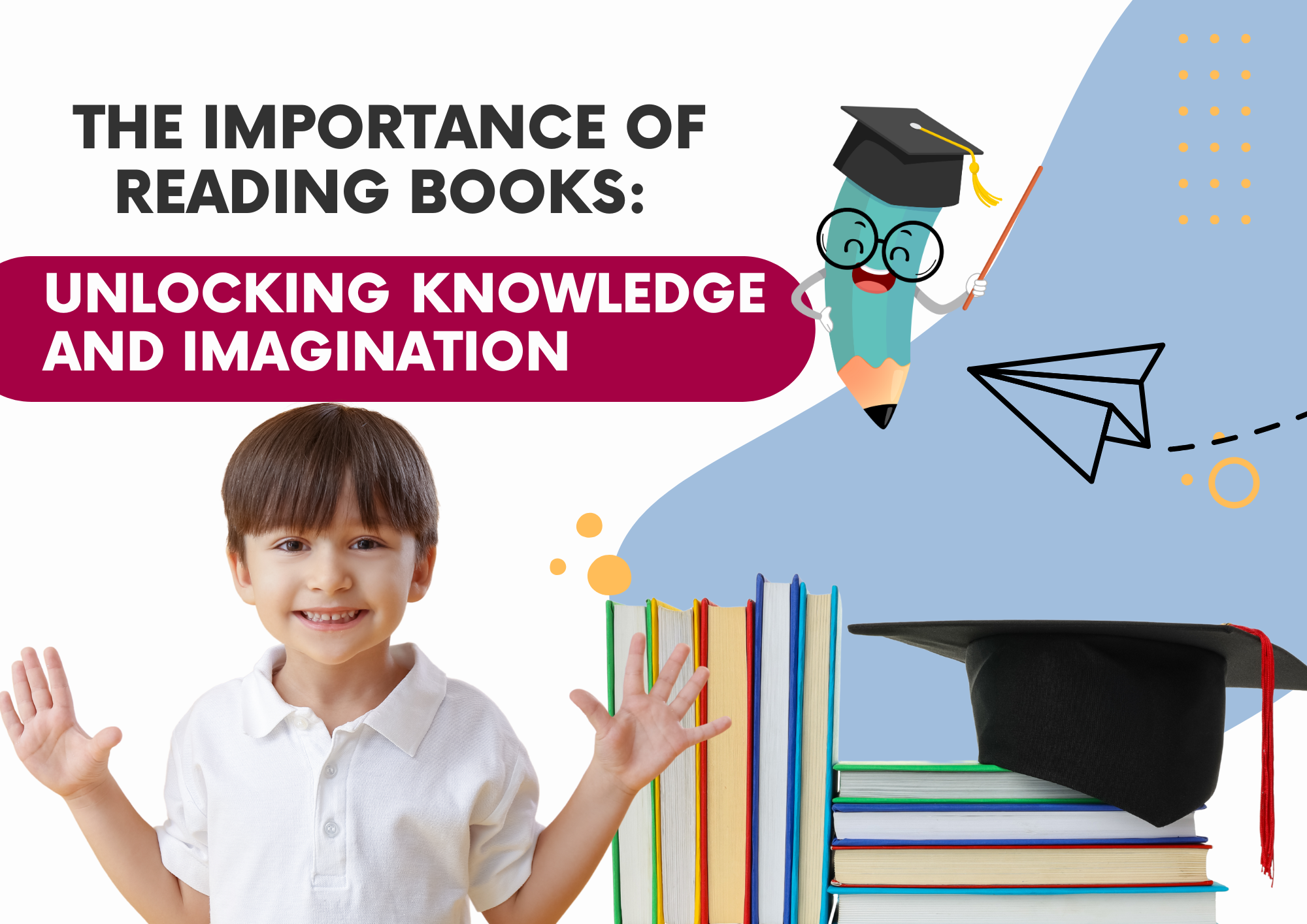
In an age dominated by screens, social media, and short videos, the simple habit of reading books remains one of the most powerful tools for learning and personal development. The importance of reading books goes far beyond academics — it enhances imagination, emotional intelligence, focus, and critical thinking.
Books allow us to explore worlds we’ve never seen, understand people we’ve never met, and gain wisdom from experiences we’ve never lived. Whether fiction or nonfiction, every book adds a layer of insight to our mind.
Why Reading Books Matters

Reading is not just a leisure activity — it is a lifelong learning process. The importance of reading books lies in the way it shapes personality, enhances empathy, and strengthens intellectual abilities. Books stimulate both the emotional and rational sides of the brain, creating a balanced and thoughtful individual.
Let’s explore how reading benefits every aspect of life.
1. Expands Knowledge and Vocabulary
One of the most obvious reasons for understanding the importance of reading books is the knowledge it brings. Every book, whether academic or fictional, teaches something new.
It introduces new words, phrases, and writing styles.
Readers develop a stronger command over language.
Exposure to diverse ideas expands one’s worldview.
In schools, regular reading helps students perform better in essays, comprehension, and communication skills.
2. Strengthens the Mind

Reading is an exercise for the brain — much like physical exercise strengthens the body. When we read, we engage memory, attention, and reasoning simultaneously.
According to multiple studies, consistent reading improves cognitive performance and can even reduce the risk of age-related mental decline. That’s why the importance of reading books is often emphasized as a habit that nurtures lifelong mental fitness.
3. Enhances Imagination and Creativity
Books ignite imagination by transporting readers to different worlds, cultures, and perspectives. When reading fiction, for instance, the mind visualizes characters and settings, creating mental pictures that stimulate creativity.
For students and professionals in creative fields — such as writing, art, or design — this benefit is invaluable. The importance of reading books lies in its ability to make the mind envision beyond boundaries.
4. Builds Focus and Concentration
In today’s world of constant distractions, reading is one of the few activities that require deep concentration. Sitting with a book trains the brain to focus for extended periods.
Regular readers tend to have better attention spans, patience, and comprehension skills — qualities essential for academic success and personal growth.
5. Reduces Stress and Promotes Emotional Well-being

Reading can be incredibly therapeutic. A good story allows the mind to escape from daily worries, offering relaxation and emotional relief.
Psychologists often recommend reading as a form of mindfulness. Whether it’s poetry, self-help, or fiction, books help readers reflect, empathize, and gain perspective. The importance of reading books also lies in its power to heal — mentally and emotionally.
6. Encourages Empathy and Understanding
When readers step into the shoes of characters from diverse backgrounds, they develop a deeper understanding of human emotions, struggles, and cultures.
This builds empathy — the ability to feel what others feel. In schools, introducing students to world literature fosters global awareness and compassion, proving the importance of reading books in moral and social development.
7. Improves Communication and Writing Skills
The more one reads, the better one writes. Reading introduces rhythm, sentence structure, tone, and vocabulary, which naturally improve writing ability.
For students, reading books regularly translates into stronger essays, creative writing, and even better speaking confidence. Professionals also benefit from improved articulation and clarity in expression.
8. Provides Lifelong Learning

Books are timeless teachers. They allow continuous learning, whether it’s mastering a new subject, exploring philosophy, or discovering scientific innovations.
No matter your age, books keep curiosity alive — and that is why the importance of reading books cannot be overstated.
9. Connects Generations and Cultures
Books carry the wisdom of generations. The Importance of Literacy , Classic literature helps young readers understand history, traditions, and values that shaped societies. Similarly, modern works give insight into contemporary life.
Through books, readers bridge gaps between eras, people, and cultures — building continuity in human understanding.
How to Build the Habit of Reading

Start Small: Begin with 10–15 minutes of reading daily.
Pick Topics You Enjoy: Choose genres that genuinely interest you.
Carry a Book Everywhere: Use free time to read instead of scrolling on your phone.
Set Reading Goals: Try finishing one book a month or joining a reading challenge.
Join a Reading Group: Discussing books with others deepens understanding and commitment.
Books That Inspire Reading Habits
If you’re new to reading, start with books that are engaging and easy to follow:
The Alchemist by Paulo Coelho
To Kill a Mockingbird by Harper Lee
Wings of Fire by A.P.J. Abdul Kalam
Atomic Habits by James Clear
The Power of Now by Eckhart Tolle
Each of these titles illustrates the importance of reading books by offering timeless lessons on life, purpose, and personal growth.
Conclusion
The importance of reading books extends beyond academics — it nurtures empathy, creativity, and emotional strength. In a fast-paced digital age, books slow us down, helping us think, reflect, and evolve as better individuals.
Whether you read to learn, escape, or grow, every page you turn is a step toward a more informed, inspired, and imaginative version of yourself.
FAQs on the Importance of Reading Books
Q1. Why is reading books important?
Ans: Reading books enhances knowledge, imagination, vocabulary, and emotional intelligence, making it a lifelong learning habit.
Q2. How does reading improve the brain?
Ans: It stimulates cognitive functions, improves focus, and strengthens memory, keeping the brain sharp and active.
Q3. How can students benefit from reading books?
Ans: Students who read regularly perform better academically, write creatively, and communicate more effectively.
Q4. Can reading reduce stress?
Ans: Yes, Reading relaxes the mind, lowers anxiety, and promotes calmness, making it a healthy mental exercise.
Q5. How to encourage children to read?
Ans: Parents and teachers can introduce age-appropriate books, read aloud together, and make reading a daily fun activity.