



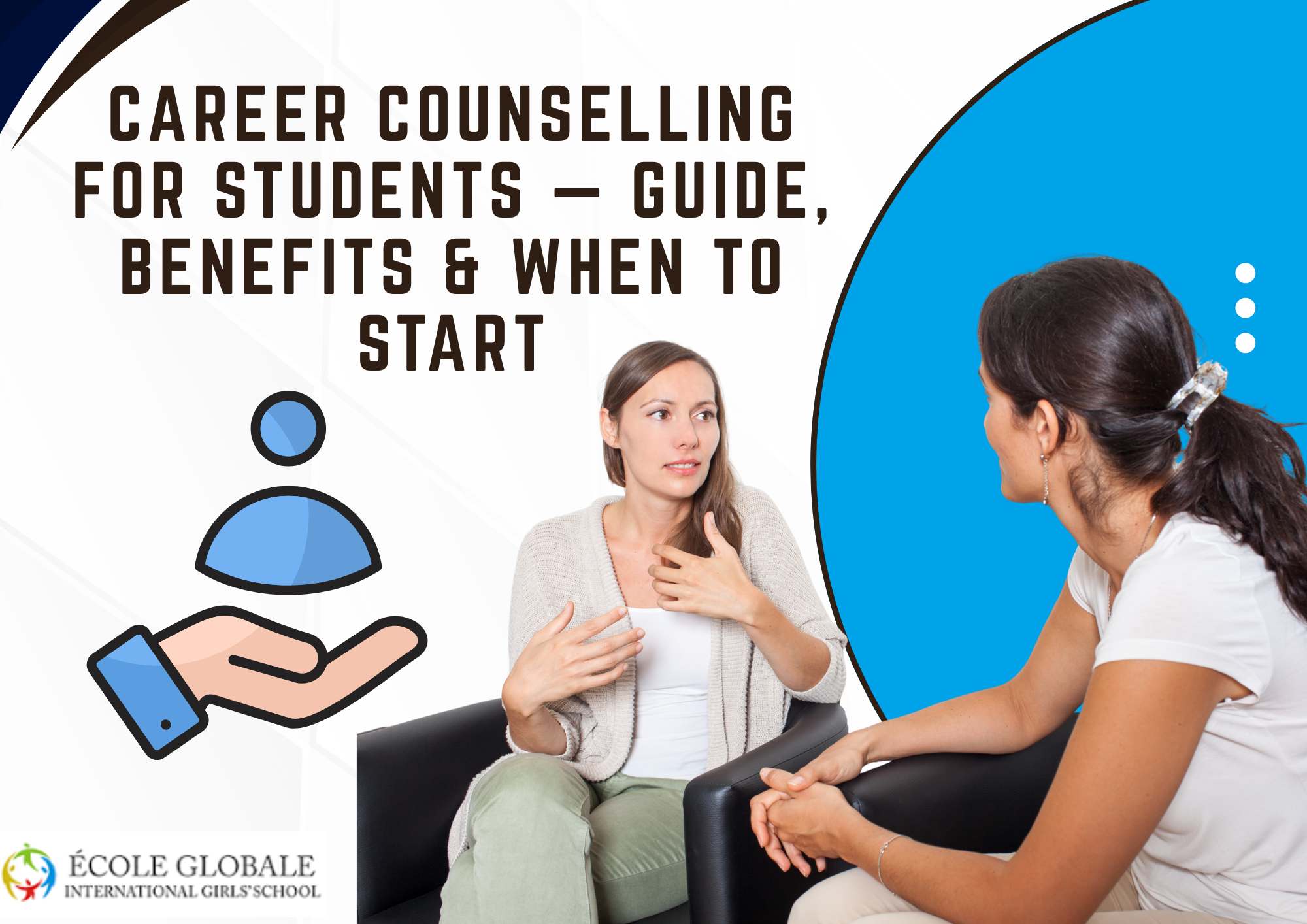
Choosing a career is one of the most important decisions a young person makes. Career counselling for students helps transform confusion and anxiety into clarity and action. It’s a structured process that combines self-assessment, informed exposure to options, and practical planning — enabling students to pick study and career paths aligned with their interests, strengths, and goals.
This article explains what career counselling for students involves, Ecole Globale tells why it matters, how it’s delivered, and practical steps parents, teachers, and students can take to get the most from the process.
What is career counselling for students?

Career counselling for students is a professional service (or school-led program) that helps learners:
identify their skills, interests, and values;
explore suitable courses, careers, and higher-education options;
set realistic short- and long-term goals; and
build the skills and confidence needed for applications, interviews, or workplace entry.
It blends psychometric testing, one-on-one guidance, informational resources, and experiential learning (internships, job-shadowing) to create a personalised roadmap.
Why career counselling for students matters
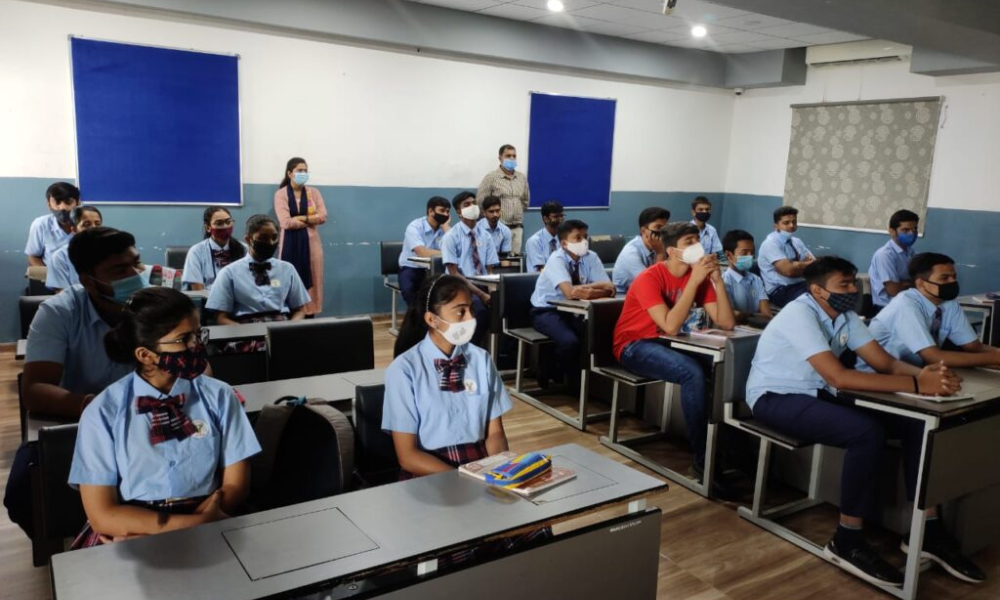
Reduces stress and indecision: Clear options lower anxiety and stop wasted time on unsuitable choices.
Improves academic focus: Students who know their direction pick subjects and extracurriculars more strategically.
Boosts employability: Counselors help build skill portfolios, resume writing, and interview readiness.
Reduces dropouts and course switches: Informed decisions mean fewer mid-course changes and associated costs.
Promotes long-term satisfaction: Matching personality and career path increases chances of fulfilling work.
Who should provide career counselling for students?
School counsellors: Often the first point of contact; they provide ongoing guidance and coordinate resources.
External career counsellors/psychologists: Offer in-depth psychometric testing and specialised advice.
Career coaches and mentors: Industry professionals who give real-world insights, internships, and networking opportunities.
Alumni networks: Recent graduates can share practical, up-to-date experiences about college programs and careers.
A blended model — school counsellors + external experts + mentors — usually works best.
Key components of effective career counselling for students

1. Self-assessment
Tools like aptitude tests, personality inventories, interest surveys, and mentor conversations help students understand themselves.
2. Career exploration
Workshops, career fairs, industry talks, and shadowing let students compare real roles, salaries, and growth prospects.
3. Academic and skills mapping
Counsellors map subjects, certifications, and extra-curriculars to chosen career tracks so students build relevant portfolios early.
4. Action planning
Concrete steps — application timelines, course shortlists, entrance test prep, internships — turn goals into measurable milestones.
5. Soft-skill development
Communication, problem-solving, time management, and emotional resilience are coached alongside academic choices.
When should students start career counselling?
Middle school (ages 12–14): Early exposure to interests, basic self-awareness activities, and exploratory projects.
High school (ages 15–17): Focused counselling for subject selection, stream choices (science/commerce/arts), and early career research.
Senior secondary / pre-university (17–19): Intensive guidance for college applications, entrance exams, and vocational decisions.
Starting early and revisiting often is ideal — career planning is iterative, not a one-time event.
Practical tools & methods used

Psychometric tests (aptitude, personality) for objective insight.
Interest inventories to match passions with careers.
Career databases & portals for course/career intel.
Mock interviews & CV workshops to prepare for selections.
Internships, volunteer projects, and job-shadowing for practical exposure.
Mentoring & alumni sessions to gain real-world perspectives.
Role of parents and schools
Parents: Provide emotional support, realistic dialogue, and exposure to diverse options without imposing pressure.
Schools: Offer structured counselling programs, career weeks, and partnerships with colleges and industries.
Teachers: Guide based on students’ classroom performance and recommend suitable paths.
A collaborative approach ensures balanced, practical outcomes.
Common challenges & how counselling helps

Information overload: Counselling filters reliable options and clarifies pros/cons.
Peer/parent pressure: Counselors mediate conversations and set realistic expectations.
Limited exposure: Internships and mentorships open doors to non-traditional careers.
Fear of failure: Skill-building and small milestone wins build confidence.
Tips to get the most from career counselling for students
Be honest in assessments: Accurate answers give accurate guidance.
Start early and review often: Interests change — update plans yearly.
Combine tests with real experience: Internships or projects validate choices.
Build transferable skills: Communication and critical thinking matter in any career.
Keep options open: Have backup pathways — multiple routes can lead to the same goal.
Conclusion
Career counselling for students is a powerful investment in their future. It helps transform vague aspirations into structured plans and equips young people with the tools to make informed, confident choices. When schools, families, and professionals collaborate, students can pursue careers that fit their strengths, passions, and the realities of a rapidly changing job market.
FAQs — Career Counselling for Students
Q1. What is the difference between career counselling and career coaching?
Ans: Career counselling focuses on assessment, exploration, and aligning interests with careers. Career coaching emphasizes performance, goal setting, and accountability as students pursue those careers.
Q2. How long does a career counselling program typically take?
Ans: A basic career counselling session can be a few sessions over 2–4 weeks. Comprehensive programs (tests, workshops, mentoring) may run 3–6 months with periodic follow-ups.
Q3. Are psychometric tests reliable for students?
Ans: When administered and interpreted by trained professionals, psychometric tests provide useful insights. They are one tool — best used alongside interviews and real-world exposure.
Q4. Can online career counselling for students be effective?
Ans: Yes, Virtual counselling, digital assessments, and remote mentoring are effective—especially when combined with local internships and in-person interactions.
Q5. What if a student changes their mind later?
Ans: Career planning is iterative. Counselling supports re-evaluation and helps students pivot with minimal disruption.