



Higher education plays an important role in India’s economic, social, and technological development. With a large and increasingly ambitious student population, the country has expanded access to universities, colleges, professional institutions, and new forms of digital learning. At the same time, the higher education in India challenges and opportunities landscape is changing rapidly.
Students today have more choices than previous generations. They can pursue traditional degrees, professional programmes, international collaborations, online courses, skill-based education, and interdisciplinary programmes. However, access, affordability, quality, employability, infrastructure, and changing industry requirements continue to create challenges.
Understanding the higher education in India challenges and opportunities is important for students, parents, educators, institutions, and policymakers.
Current Landscape of Higher Education in India
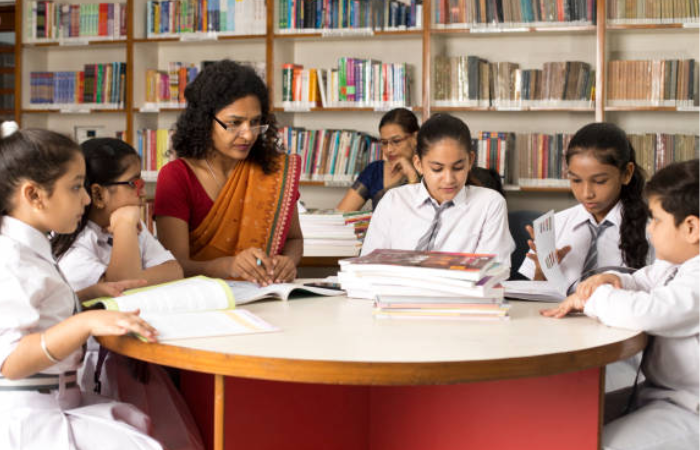
India has one of the world’s largest higher education systems, serving students through universities, colleges, institutes, and other learning providers.
The higher education in India challenges and opportunities discussion is closely connected to the country’s growing demand for skilled professionals. Students are increasingly looking beyond degrees and considering whether their education will provide practical knowledge, career opportunities, and relevant skills.
Technology has also changed how students learn. Digital classrooms, online resources, virtual learning platforms, and hybrid programmes have created additional pathways for education.
However, expansion alone does not guarantee quality. The higher education in India challenges and opportunities debate therefore needs to consider both access and the quality of learning students receive.
Major Challenges in Higher Education in India
Several challenges in higher education in India continue to affect students and institutions.
1. Unequal Access to Quality Education
One of the major challenges in higher education in India is the difference in access to quality institutions.
Students in major cities may have access to a wide range of universities, colleges, specialised programmes, libraries, laboratories, and career services. Students in smaller towns and rural areas may have fewer options.
This creates differences in educational opportunities based on location and available resources.
Improving access is therefore an important part of addressing higher education in India challenges and opportunities.
2. Affordability
The cost of higher education can be a significant concern for families.
Tuition fees are only one part of the total expense. Students may also need to pay for accommodation, books, transportation, technology, examinations, and other educational requirements.
Scholarships and financial assistance can help, but affordability remains one of the important challenges in higher education in India.
Institutions and policymakers need to continue exploring ways to make quality education more accessible without compromising educational standards.
3. Employability and Skill Gaps
A degree does not always guarantee that a graduate is prepared for the workplace.
Employers increasingly look for skills such as communication, teamwork, problem-solving, digital literacy, adaptability, and practical knowledge. Students who receive primarily theoretical education may need additional training before entering employment.
This is one of the most important areas within higher education in India challenges and opportunities.
Universities can address this gap by incorporating internships, projects, industry interaction, practical assignments, and career-focused learning into academic programmes.
4. Infrastructure and Resources
Quality education requires appropriate infrastructure.
Laboratories, libraries, technology, research facilities, classrooms, sports facilities, and student support services all contribute to the learning experience.
While many institutions have strong infrastructure, others continue to face resource limitations. Improving these facilities is therefore another important part of addressing challenges in higher education in India.
5. Quality of Teaching
Teachers have a major influence on student learning.
Higher education institutions need qualified educators who can combine subject knowledge with effective teaching methods. Continuous professional development can help teachers adapt to new technologies, teaching approaches, and changing academic requirements.
Improving teaching quality can have a direct impact on the overall higher education in India challenges and opportunities landscape.
6. Research and Innovation
Research is essential for technological, scientific, and social development.
India has strong research communities, but opportunities for research can vary considerably between institutions. Access to funding, modern laboratories, experienced researchers, and international collaboration can influence the quality and scale of research.
Creating stronger research ecosystems can transform some existing challenges into opportunities in higher education in India.
Opportunities in Higher Education in India

Although there are significant challenges, there are also considerable opportunities in higher education in India.
1. Growth of Digital Education
Technology has created new ways for students to access educational content.
Online courses, digital libraries, recorded lectures, virtual classrooms, and hybrid programmes can make learning more flexible.
For students who cannot attend traditional programmes, digital education can provide an alternative route to acquiring knowledge and skills.
The expansion of technology is therefore one of the most promising opportunities in higher education in India.
2. Industry-Academia Collaboration
Universities can work more closely with companies and organisations to make education more relevant to employment.
Industry partnerships can provide students with:
- Internships
- Practical projects
- Guest lectures
- Mentoring
- Career guidance
- Exposure to workplace expectations
Such collaboration can help reduce the gap between academic learning and professional requirements.
3. Interdisciplinary Education
Modern careers increasingly require knowledge from more than one field.
For example, technology intersects with healthcare, finance, business, environmental studies, design, and many other areas.
Interdisciplinary programmes allow students to explore different subjects and develop broader perspectives. This represents another valuable area within higher education in India challenges and opportunities.
4. International Collaboration
Indian institutions have opportunities to collaborate with universities and organisations around the world.
Student exchange programmes, joint research, international faculty interactions, and collaborative programmes can provide students with wider academic and cultural exposure.
International collaboration can also help Indian institutions share knowledge and adopt effective educational practices.
5. Entrepreneurship and Innovation
Higher education institutions can play an important role in developing future entrepreneurs.
Innovation centres, incubation programmes, competitions, mentoring, and startup support can help students turn ideas into practical projects.
Entrepreneurship education is particularly valuable for students who want to create employment opportunities rather than only seek traditional employment.
6. Focus on Skill-Based Learning
The growing importance of practical skills creates an opportunity to redesign higher education.
Universities can combine academic knowledge with communication, technology, leadership, problem-solving, and professional skills.
This can make graduates more adaptable and better prepared for changing career requirements.
How Can Higher Education Improve?
Addressing higher education in India challenges and opportunities requires cooperation between institutions, educators, students, industry, and policymakers.
Improve Industry-Relevant Curriculum
Curricula should be reviewed regularly so that students learn concepts and skills relevant to changing professional environments.
Strengthen Career Guidance
Students need reliable information about careers, courses, universities, internships, and employment pathways.
Effective career guidance can help students make informed decisions rather than selecting programmes based only on popularity.
Encourage Experiential Learning
Projects, internships, fieldwork, research, presentations, and practical assignments can help students apply classroom knowledge.
Expand Access to Technology
Digital resources can support students who have limited access to traditional learning facilities. However, technology should complement good teaching rather than replace it completely.
Support Research
Greater opportunities for research funding, collaboration, mentorship, and innovation can help institutions contribute to India’s knowledge economy.
Role of Students in Higher Education

Students are not passive participants in the higher education in India challenges and opportunities ecosystem. They also need to take responsibility for their learning and development.
Students can improve their prospects by:
- Developing communication skills
- Learning relevant digital tools
- Participating in internships
- Taking part in projects
- Building professional networks
- Exploring different career options
- Developing critical-thinking abilities
- Seeking guidance from teachers and mentors
A proactive approach can help students make better use of the opportunities in higher education in India.
Preparing School Students for Higher Education
Preparation for higher education should begin before students enter university.
Schools can help students develop independent learning, communication, research, collaboration, time management, and decision-making skills.
Exposure to different subjects and extracurricular activities can also help students understand their interests.
For parents, choosing a school should therefore involve looking beyond examination results. A strong school environment can help students develop the academic and personal skills needed for future higher education.
This early preparation is particularly relevant when discussing higher education in India challenges and opportunities, because students who enter university with strong learning habits may adapt more effectively to new academic expectations.
Future of Higher Education in India

The future of Indian higher education will likely be influenced by technology, changing employment patterns, international collaboration, research, and the growing importance of lifelong learning.
Students may increasingly combine traditional degrees with certifications, internships, online courses, research projects, and practical experiences.
Institutions that respond effectively to these changes can create stronger learning environments.
At the same time, solving challenges in higher education in India will require sustained attention to affordability, access, teaching quality, infrastructure, research, and employability.
The balance between these factors will shape the future of higher education in India challenges and opportunities.
Conclusion
The discussion around higher education in India challenges and opportunities reflects both the progress and the work that remains.
India has a large higher education ecosystem with significant potential for innovation, digital learning, research, entrepreneurship, international collaboration, and skill development. However, challenges such as unequal access, affordability, infrastructure gaps, teaching quality, and employability cannot be overlooked.
The opportunities in higher education in India are strongest when education focuses on both knowledge and practical skills. Universities, schools, families, and students all have a role to play in preparing young people for a changing world.
With continued improvement and a stronger focus on quality, accessibility, innovation, and student development, India’s higher education sector can create meaningful opportunities for the next generation.
Frequently Asked Questions
Q1. What are the major challenges in higher education in India?
Ans: Major challenges in higher education in India include unequal access, affordability, infrastructure limitations, teaching quality, skill gaps, and differences in research opportunities.
Q2. What are the opportunities in higher education in India?
Ans: Important opportunities in higher education in India include digital education, industry partnerships, international collaboration, interdisciplinary learning, entrepreneurship, and skill-based programmes.
Q3. Why is employability important in higher education?
Ans: Employability is important because students need more than academic qualifications. Communication, problem-solving, teamwork, digital skills, and practical experience can help graduates adapt to professional environments.
Q4. How can technology improve higher education?
Ans: Technology can provide flexible learning opportunities through online courses, digital resources, virtual classrooms, and hybrid education while helping institutions reach more students.
Q5. How can students prepare for higher education?
Ans: Students can prepare by developing independent learning habits, communication skills, digital knowledge, time management, research abilities, and practical experience through projects and internships.