




A student who can explain an idea clearly, listen carefully and respond calmly to disagreement has a real advantage in school and beyond. School debate builds exactly these abilities.
The debate benefits for students go far past winning an argument. It sharpens thinking, builds confidence and teaches respect for other views. This article explains the key benefits, how debate supports academic performance and how students and schools can get started.
What Is School Debate?
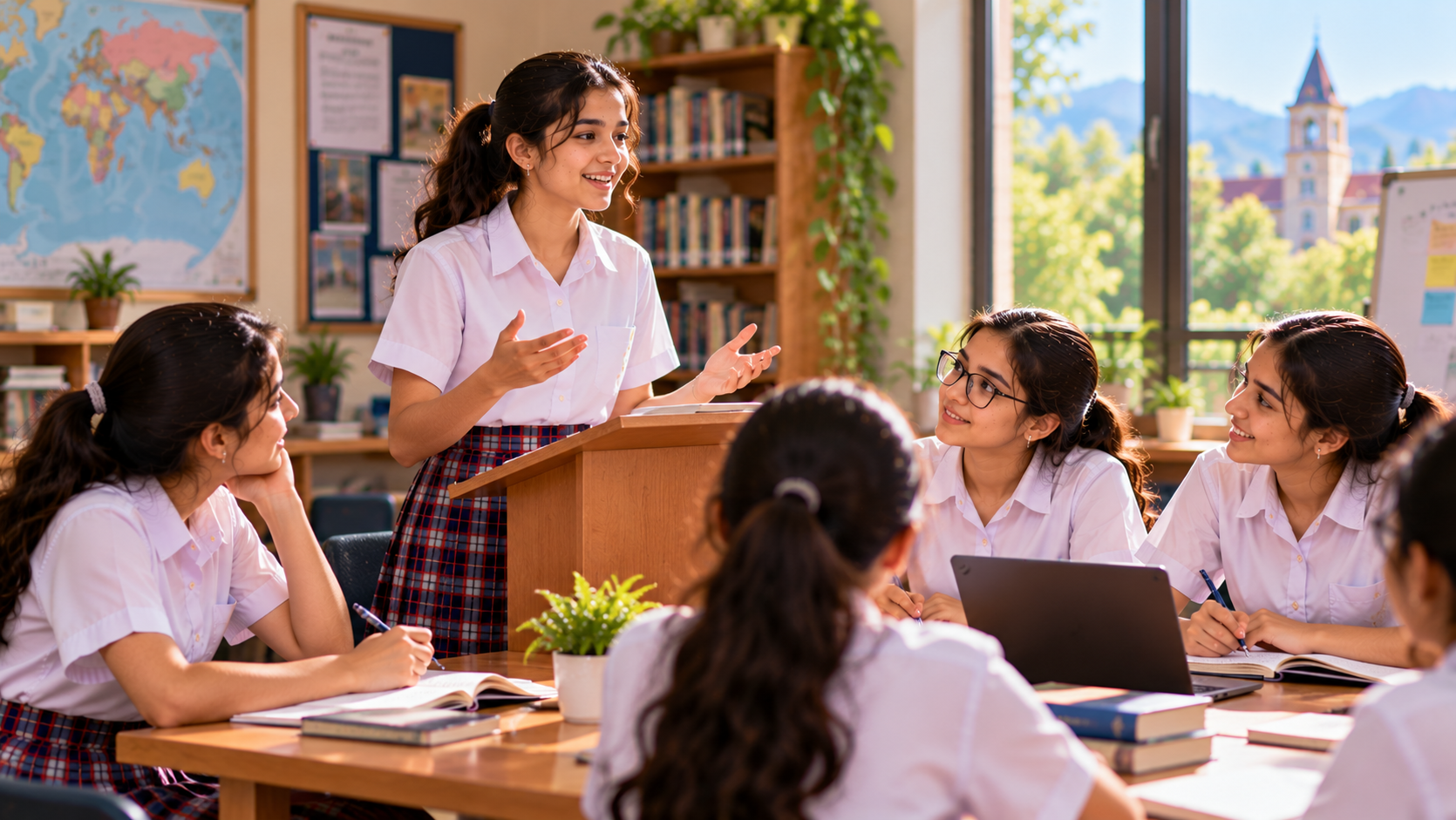
School debate is a structured discussion in which students argue for or against a topic, following set rules and time limits. A judge or teacher then reviews the quality of the reasoning, not just who spoke loudest.
Schools use several formats. Parliamentary debates involve teams in a mock house, Model United Nations lets students represent countries, and classroom debates turn a lesson topic into a friendly argument. Each format teaches students to research, structure ideas and respond on the spot.
Builds Critical Thinking
It trains students to question information instead of accepting it at face value. To argue well, they must check facts, spot weak reasoning and anticipate counterarguments.
Often students are asked to defend a side they do not personally support. This is a powerful exercise, because it forces them to understand why other people think differently. Over time, students become better at weighing evidence, separating opinion from fact and making balanced decisions, which are habits that help in every subject.
Boosts Confidence and Public Speaking

Many students feel nervous speaking in front of a group. It offers a safe, structured way to practise. Each round gives a student the chance to speak clearly, manage nerves and recover from mistakes.
Thinking on one’s feet is another gain. During rebuttals, students must respond quickly and calmly. After a few debates, speaking in class, presenting a project or answering an interview question feels far less scary. Confidence grows with every round, not through a single lesson.
Teaches Listening, Empathy and Respectful Disagreement
Good debaters listen as much as they speak. They cannot rebut an argument they have not understood, so they learn to pay attention and take notes.
It also teaches students to disagree without being rude. Rules about turn-taking and polite language show that strong views and good manners can go together. Students who practise this learn to stay calm during conflict, accept feedback and respect people whose opinions differ from theirs.
Improves Research and Academic Performance
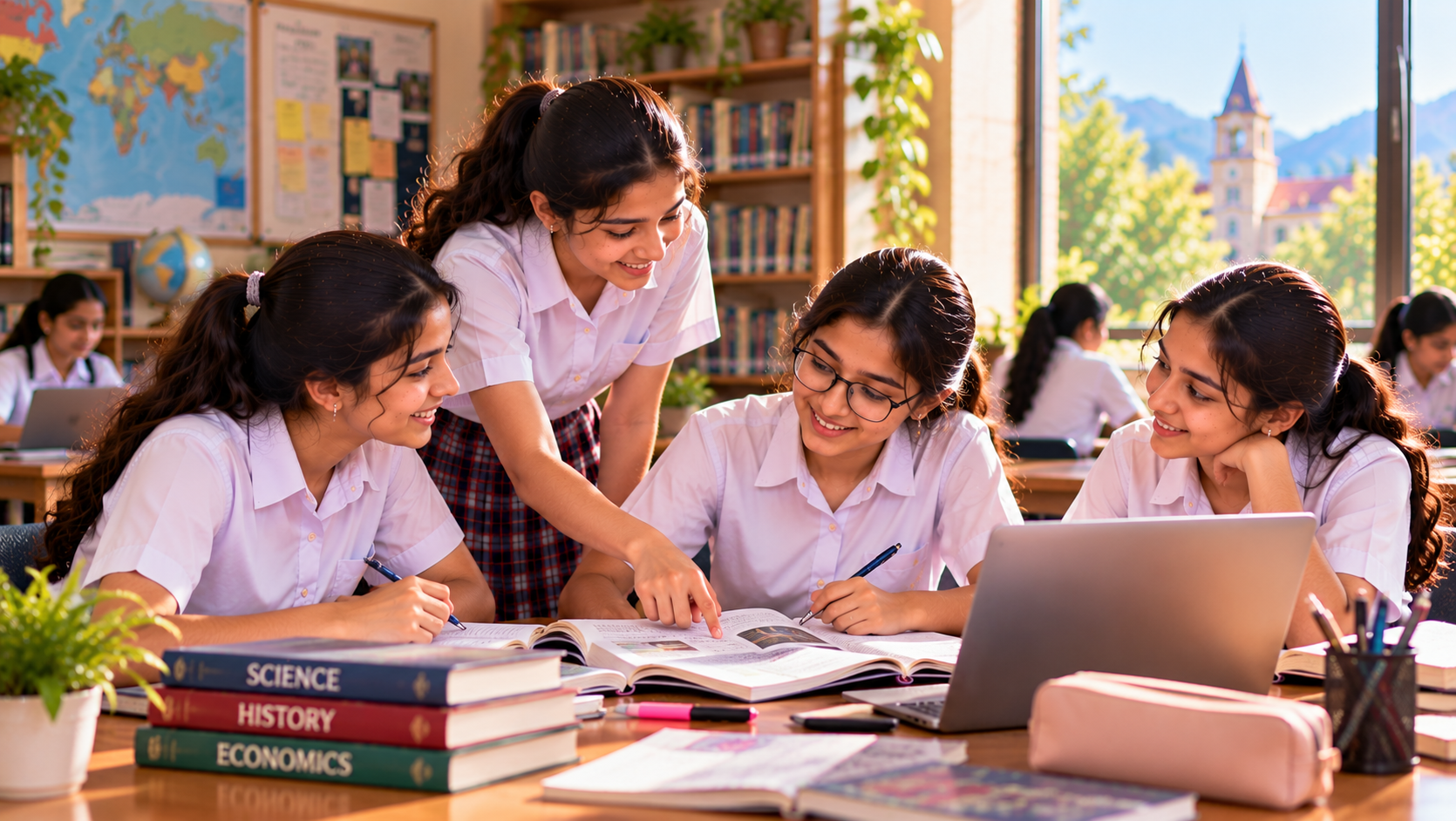
Preparing for a debate means reading widely, taking notes and organising ideas into a clear argument. These are the same skills that raise marks in exams and assignments.
Regular debaters often show gains in vocabulary, essay writing and comprehension, because they practise explaining complex topics in simple words. They also get better at time management, since it has fixed speaking limits. Together, these habits make studying more focused and less stressful.
Develops Teamwork, Leadership and Future Readiness
Most debates are team events. Students share research, plan speeches together and support each other under pressure. Leading a team, whether as captain or first speaker, builds responsibility.
These skills carry into college and careers:
| Debate skill | Where it helps later |
|---|---|
| Structured argument | Essays, presentations and reports |
| Quick thinking | Interviews and group discussions |
| Research | University projects and workplace decisions |
| Teamwork | Group assignments and professional teams |
| Respectful disagreement | Leadership and negotiation |
Colleges and employers value candidates who can think clearly and communicate well, and debate builds both.
How Students and Schools Can Get Started With Debate
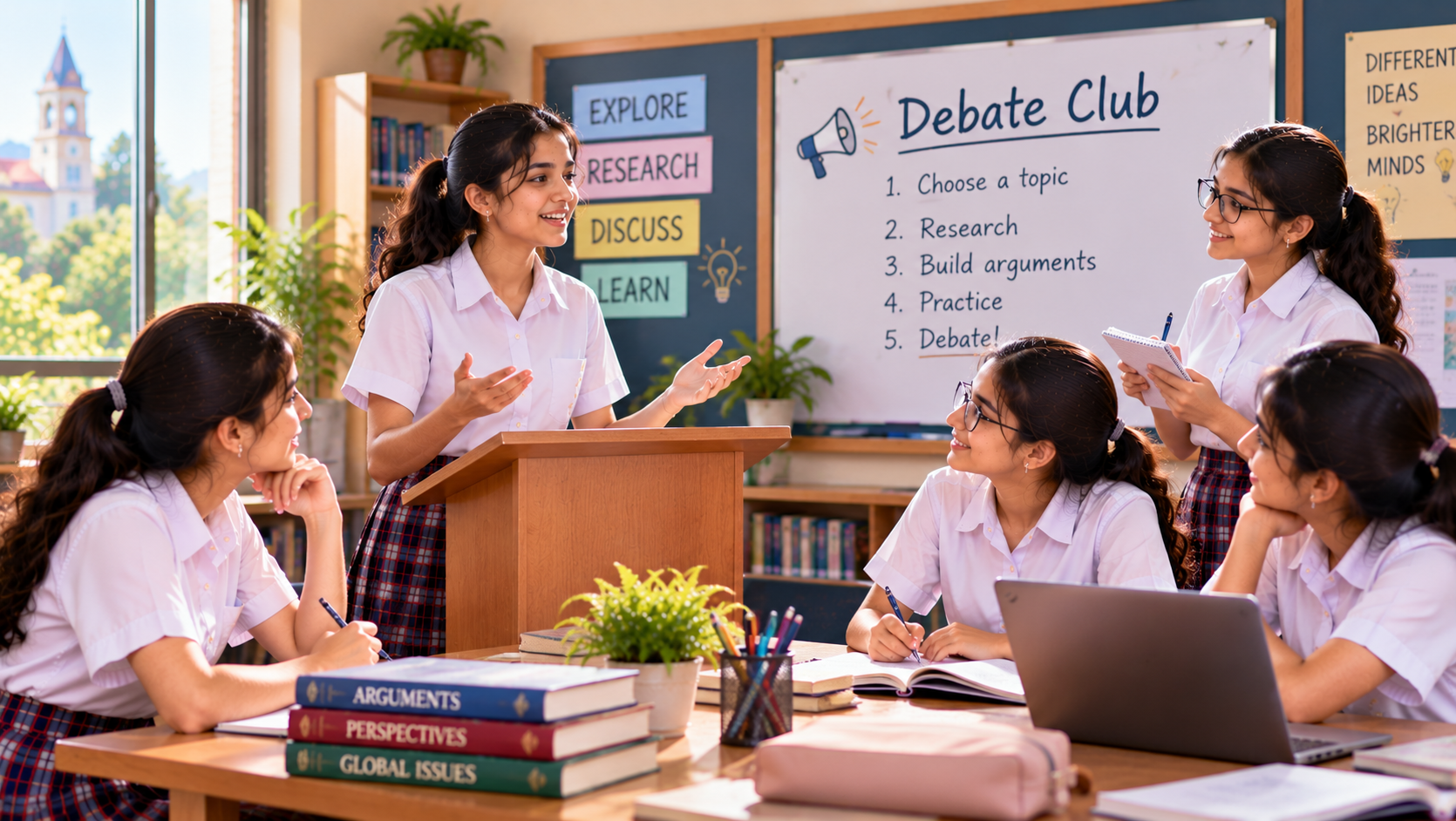
For students
- Join the school club or start a casual one with friends
- Begin with fun topics, then move to current affairs
- Read newspapers and watch good debates to learn structure
- Practise short speeches in front of a mirror or a friend
- Treat losses as lessons and ask judges for feedback
For schools
- Add periods or clubs to the weekly timetable
- Train teachers or senior students to coach juniors
- Host inter-house and inter-school competitions
- Choose topics that suit different ages and interests
Schools with a rich range of extracurricular activities make it easier for every student to find a space to speak up.
Encouraging Young Voices at Ecole Globale

Ecole Globale is a girls’ boarding school in Dehradun with a fully residential campus, where academics, sports and activities come together. A full student life gives girls many ways to build confidence and find their voice. You can also read a typical day at Ecole Globale to see how learning and activities fit together.
When you explore schools, ask how they encourage students to speak, question and lead.
Frequently Asked Questions
Q1. What are the main debate benefits for students?
Ans: It builds critical thinking, public speaking, confidence, research skills, teamwork and respect for different views.
Q2. At what age can students start debating?
Ans: As early as primary school, with simple, fun topics. Formats become more advanced as students grow older.
Q3. Is debate only for confident students?
Ans: No. Shy students often gain the most, because debate offers a safe, structured way to practise speaking.
Q4. Does debate help with exams and college admissions?
Ans: Yes. It strengthens writing, reasoning and communication, which help in exams, interviews and applications.
From sharper thinking to stronger confidence, the debate benefits for students last long after school ends, which is why every school should encourage it.