




When selecting a boarding school, it’s helpful to understand how students fare academically, socially, and personally. Boarding school rules for students help to provide an organized, respectful and safe environment in which students can learn and develop independence. These guidelines help students know what is expected of them from classroom to hostel and all through the school day.
The boarding school rules for students before admission are also helpful for parents to prepare their children for residential life. Rules differ from school to school but most have rules for academics, personal hygiene, hostel life, discipline, digital devices, safety and extracurricular activities.
Why Are Boarding School Rules for Students Important?

Boarding school rules for students set clear expectations for living and learning together in a shared environment. They help students learn what is acceptable behavior, how to manage their time and how to respect the needs of others.
The primary advantages are:
- Safety: Students are informed of campus security procedures and safe behavior.
- Discipline: Well-articulated standards promote accountability and responsible decision-making.
- Academic development: Study routines assist students in organizing their learning.
- Respect: Behavior guidelines promote consideration for other students and staff.
- Independence: Daily chores help students to develop practical life skills.
- Community living: Sharing rules of cooperation and respect.
Effective boarding school rules for students should be communicated clearly, applied fairly and focus on student wellbeing rather than simply punishment.
1. Daily Routine Rules at Boarding School
Daily routines are part of the boarding school rules for students. Students have a schedule, usually. Wake up, get ready, eat, classes, activities, study, eat, sleep.
Typical rules and routines in a boarding school could include:
- Getting up and being prepared on time.
- Having meals on the residential schedule.
- Getting to classes and activities on time.
- At the end of the defined study periods.
- Sorting your personal belongings out.
- Obeying the school’s lights-out or bedtime rules.
These boarding school rules for students help with developing time management, organization and consistency. A good routine should also include time for recreation, rest and personal interests.
2. Academic Rules and Obligations to Study

Academic expectations are another important part of boarding school rules for students. Students are generally expected to attend class, do their assignments, study for tests, and follow classroom rules.
Common academic rules are:
- Regular attendance and punctuality in class.
- Turning in homework and assignments on time.
- Required books and learning materials.
- Examination and assessment procedures.
- Respect teachers and classmates during lessons.
- Digital devices according to school policies.
- Keeping up academic honesty and steering clear of plagiarism.
Many boarding schools also allow time for supervised study or to seek academic advice.
Academic boarding school rules for students encourage regular study habits and self discipline. Students who find a subject difficult should be encouraged to ask their teachers for help and to use available learning support.
3. Dormitory and Hostel Regulations
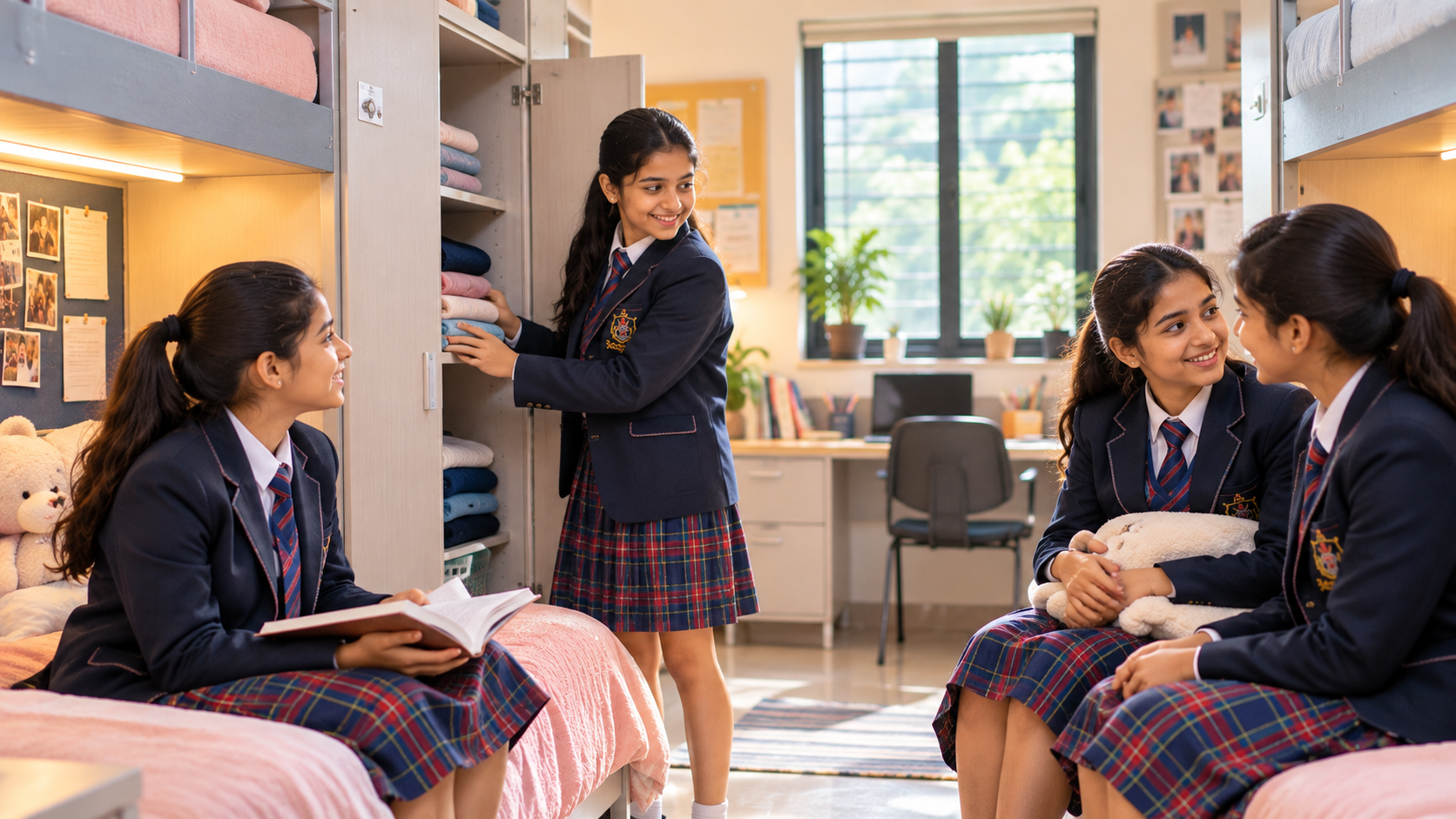
Hostel policies will outline how students should behave in communal living spaces. The boarding school rules for students encourage cleanliness, privacy, order and mutual respect.
Organizing the personal spaces
Students may be asked to keep their beds, wardrobes, desks and belongings tidy. Providing personal space makes daily routines easier and promotes responsibility.
Respecting your roommates
Students are expected to respect each other’s privacy, property, study time and need for sleep. Do not steal from another student without asking.
Policies for movement and visits
Schools may establish procedures for entering and leaving dormitories and other residential areas, visiting other residential areas and attending approved activities. Students are required to comply with the relevant permission and supervision regulations.
Noisy hours
There are quiet hours for students to study and sleep without unnecessary disturbance. The residential spaces are shared by many people so respect for these periods is an important part of the boarding school rules for students for students.
4. Personal Hygiene and Cleanliness Regulations
Personal hygiene matters when students are living together. Hygiene rules for boarding school students are designed to promote healthy habits and the proper use of facilities.
Typical expectations are:
- Regular baths and changes of clothing.
- Enter in clean uniforms or proper clothing.
- Wash hands before eating and after using the toilet.
- How to organize your personal toiletries.
- Proper use of the toilets and other common areas.
- Throwing trash in the bins.
- Staff reporting of illness
Students should feel comfortable requesting help if they need assistance with personal care, health concerns, or obtaining hygiene supplies.
These boarding school rules for students are aimed at keeping the residential setting clean and at encouraging students to take care of themselves in a proper manner.
5. Behaviour and the Boarding School Code of Conduct
A boarding school code of conduct outlines the expected behavior of students in classrooms, dormitories, dining areas, sports facilities and other campus spaces.
Some important boarding school rules for students may include:
- Showing respect to classmates and staff.
- No bullying, harassment, discrimination, or intimidation.
- Respecting different backgrounds, opinions and interests.
- Appropriate communication to resolve disagreements.
- Following safety and supervision instructions.
- Respect for school property and community facilities.
- Report safety concerns to a trusted adult.
Students should know how to report bullying and where to get help. Schools need to inform students about how concerns are addressed and how students will be shielded from retaliation.
Boarding school rules for students should be applied fairly to create a safe and inclusive community while helping students learn accountability and respectful behaviour.
6. Safety and Security Rules

Safety guidelines govern movement on campus and emergency response. These boarding school rules for students make sense for residential life.
Typical safety expectations are:
- Obeying campus entry and exit procedures.
- You have to get permission before you leave the designated areas.
- Following the school’s rules about going to approved field trips.
- Following fire drills and emergency procedures
- Using the sports facilities as per the safety guidance.
- Reporting accidents, injuries or unsafe situations.
- Following the policies for identifying visitors and students.
Students should also know who to contact if they feel unsafe or need immediate help.
Parents can ask about the school’s approach to safeguarding, emergencies and communication with families. Responsible rules for boarding students include clear safety policies.
7. Mobile Phone and Digital Device Rules
Schools have different policies in place regarding mobile phones, tablets, laptops and internet access. Some prohibit personal devices at certain times while others allow approved technology to be used for communication and learning.
Digital boarding school rules for students may include:
- Using devices during allowed times only.
- Following internet safety rules.
- Respect for the privacy of other students.
- Stopping unauthorized recording or sharing of photos.
- Responsible use of educational technology.
- Following school guidelines for online communication and social media.
Students need to understand that what they do online can impact other people, just like what they do in person. Responsible technology use means protecting your personal information, communicating respectfully and reporting inappropriate online behavior.
8. Sports and Extracurricular Activity Rules

Sports, arts, clubs, and other extracurricular activities give students opportunities to explore interests and develop new skills. Boarding school rules for students also apply during these activities.
Students may be expected to:
- Attend registered activities according to the timetable.
- Follow instructions from coaches and supervisors.
- Use equipment and facilities responsibly.
- Wear suitable clothing or protective equipment when required.
- Respect teammates, opponents, and officials.
- Inform staff if they feel unwell or cannot participate.
- Follow permission procedures for special events and outings.
These guidelines support safe participation, teamwork, and respect. Students should be encouraged to explore different interests without feeling pressured to excel in every activity.
9. Responsibilities of Boarding School Students
Rules explain expected behaviour, while responsibilities help students understand how they contribute to their school community. The responsibilities of boarding school students include managing routines, maintaining personal spaces, completing academic work, and treating others respectfully.
Practical responsibilities include:
- Managing the daily timetable.
- Tracking assignments and deadlines.
- Looking after personal belongings.
- Maintaining cleanliness in living areas.
- Respecting roommates and staff.
- Asking for help when facing difficulties.
- Reporting problems honestly.
- Participating constructively in school activities.
Age-appropriate boarding school rules for students should help children gradually develop independence. Younger students may need regular reminders, while older students can take greater ownership of their routines.
The goal is to help students make thoughtful decisions, understand consequences, and become more responsible.
10. What Happens When Students Break Boarding School Rules?
Schools need a clear process for responding when students do not follow expectations. Consequences should depend on the incident, the student’s age, the school’s policies, and the circumstances involved.
Responses may include reminders, discussions with teachers, restorative conversations, parent communication, or other proportionate disciplinary measures. Serious safety concerns may require a formal response under the school’s conduct and safeguarding policies.
Fair disciplinary procedures should:
- Explain which rule was broken.
- Give students an appropriate opportunity to explain.
- Apply school policies consistently.
- Protect students from humiliating or harmful treatment.
- Focus on accountability and preventing repeated problems.
- Involve parents or guardians when appropriate.
The purpose of boarding school rules for students should be to encourage learning and responsible behaviour, not simply to punish mistakes.
11. How Parents Can Prepare Children for Boarding School Rules
Parents can help children adjust by discussing boarding school rules for students before the first day.
Useful steps include:
- Review the handbook: Read the official school rules and residential policies together.
- Discuss daily routines: Explain expectations related to punctuality, study, meals, and bedtime.
- Encourage independence: Let children practise organising belongings and managing simple daily tasks.
- Discuss respectful behaviour: Explain privacy, personal boundaries, and shared responsibilities.
- Keep communication open: Encourage children to speak up if they are confused or worried.
- Understand student support: Learn how children can contact teachers, residential staff, and counsellors.
Parents should remind children that asking for help is a responsible action. Adjusting to a new environment takes time, and students may need guidance while learning unfamiliar routines.
12. Questions Parents Should Ask About Boarding School Rules
Before choosing a school, parents should understand its policies and student support arrangements.
Important questions include:
- What are the main boarding school rules for students living in the hostel?
- What does a typical daily schedule look like?
- How are discipline issues handled?
- What are the mobile phone and internet policies?
- What procedures are followed during emergencies?
- How can students report bullying or seek confidential support?
- How are parents informed about academic progress and wellbeing?
- What support is available when a student struggles to adjust?
These questions help families understand daily expectations and determine whether the school’s approach matches their needs.
Conclusion
Understanding boarding school rules for students helps families prepare for the academic, social, and residential responsibilities of boarding school life. Guidelines covering daily routines, study habits, hygiene, behaviour, digital devices, and safety help students understand how to contribute to a supportive community.
Well-designed boarding school rules for students should go beyond discipline. When communicated clearly and applied fairly, they can encourage responsibility, independence, time management, and consideration for others.
Parents should review the school’s official handbook and speak with the admissions team about specific policies. With suitable guidance and open communication, students can gradually become more confident in managing their routines and responsibilities.
Frequently Asked Questions
Q1. What are the common boarding school rules for students?
Ans: Common boarding school rules for students cover attendance, punctuality, academic work, hostel cleanliness, respectful behaviour, personal safety, mobile phone use, and participation in school activities. Exact policies vary by institution.
Q2. Why are boarding school rules important?
Ans: Boarding school rules for students help organise daily life, protect student safety, encourage respectful behaviour, and establish clear expectations for academics and residential responsibilities.
Q3. What are the main responsibilities of boarding school students?
Ans: Students are generally expected to manage their routines, complete assignments, maintain personal hygiene, care for belongings, respect others, follow safety procedures, and seek help when needed.
Q4. Can boarding school students use mobile phones?
Ans: Phone policies vary. Some schools permit devices during designated periods, while others impose restrictions. Parents should confirm the current policy directly with the school.
Q5. How can parents prepare children for boarding school rules?
Ans: Parents can review the school handbook with their child, discuss daily routines, practise organisation and personal responsibility, and explain how to contact trusted staff when help is needed.