



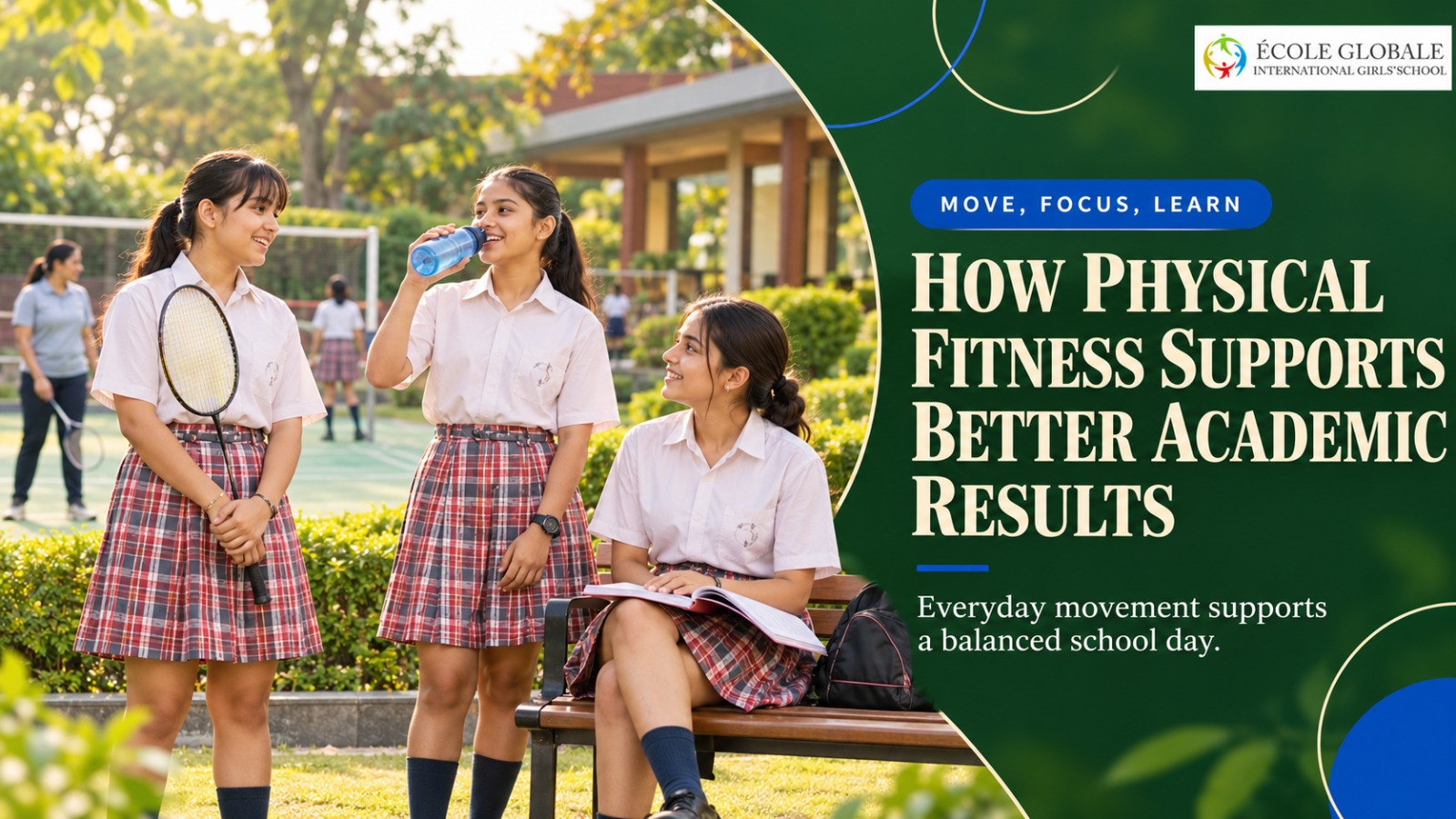
Physical fitness for students plays an important role in overall development. Along with academic learning, regular physical activity can support concentration, energy, discipline, and general well-being. For this reason, physical fitness for students is an important part of a balanced school routine.
Why Physical Fitness Matters for Students
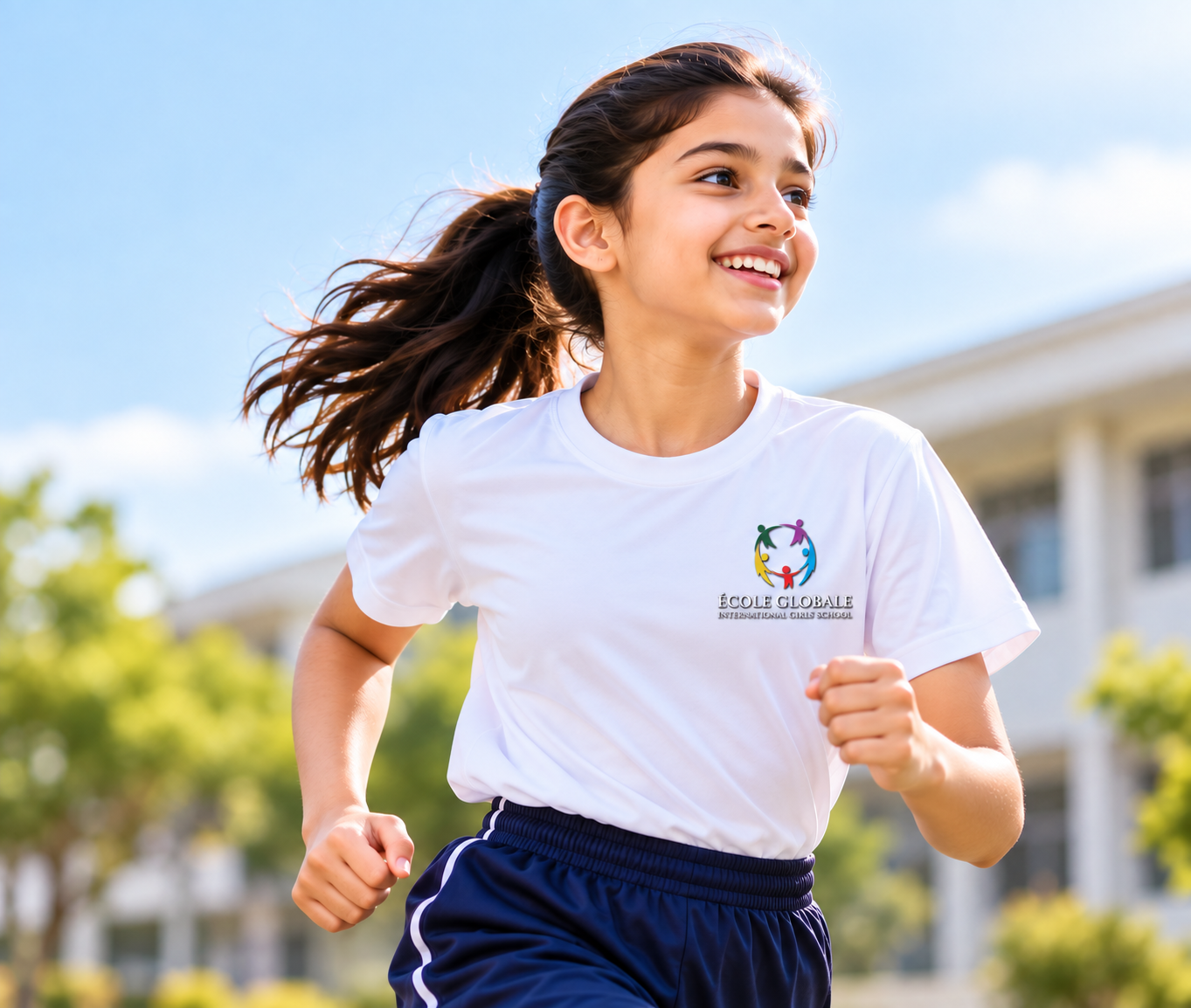
Students spend many hours attending classes, studying, reading, and completing assignments. Regular movement can provide a healthy balance to these academic activities. Physical fitness for students is not only about participating in competitive sports; it also includes maintaining an active lifestyle through suitable physical activities.
Walking, running, swimming, cycling, yoga, outdoor games, and other activities can help students stay active and develop healthy habits.
Physical Fitness and Academic Performance
The relationship between physical fitness and academic performance is an important part of holistic education. Physical activity does not replace studying or effective teaching, but it can complement academic learning by supporting students’ overall wellbeing.
Students who participate regularly in physical activities can also develop useful habits such as discipline, persistence, goal setting, and time management. These qualities can be valuable when preparing for academic tasks and examinations.
Physical Activity Can Support Concentration
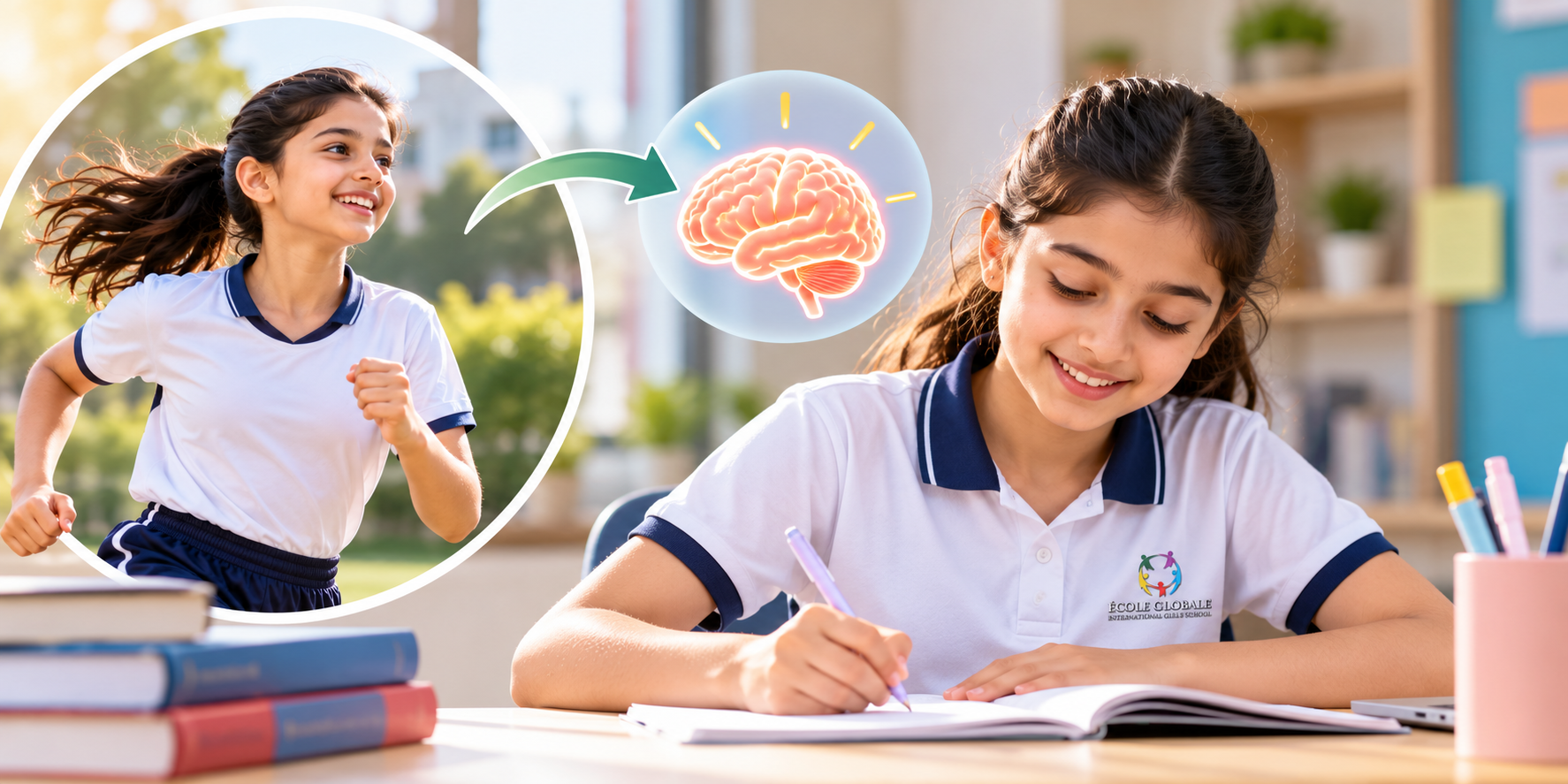
Concentration is essential for understanding lessons and completing academic work. Students need to remain attentive while listening to teachers, reading, solving problems, and participating in classroom activities.
Regular physical activity can provide students with opportunities to move and take breaks from prolonged sitting. After physical activity, students may feel refreshed and ready to return to their academic tasks.
This is one reason physical fitness for students can complement classroom learning.
Fitness Can Support Energy and Wellbeing
A busy school schedule can involve classes, homework, extracurricular activities, and social responsibilities. Including physical activity in the daily routine can help students maintain an active lifestyle.
Sports and other physical activities also give students opportunities to interact with their peers, participate in teams, and enjoy time outside the classroom.
Supporting physical fitness for students therefore involves creating a balanced routine that includes learning, movement, relaxation, and adequate rest.
Developing Discipline Through Sports
Sports can teach students important habits that are useful beyond physical activity. Regular practice requires consistency, patience, and commitment.
Through sports, students can develop:
- Discipline
- Teamwork
- Time management
- Goal-setting skills
- Persistence
- Responsibility
These skills can also support academic development. For example, consistent sports practice can help students understand the value of regular preparation and effort.
Physical Education in Schools
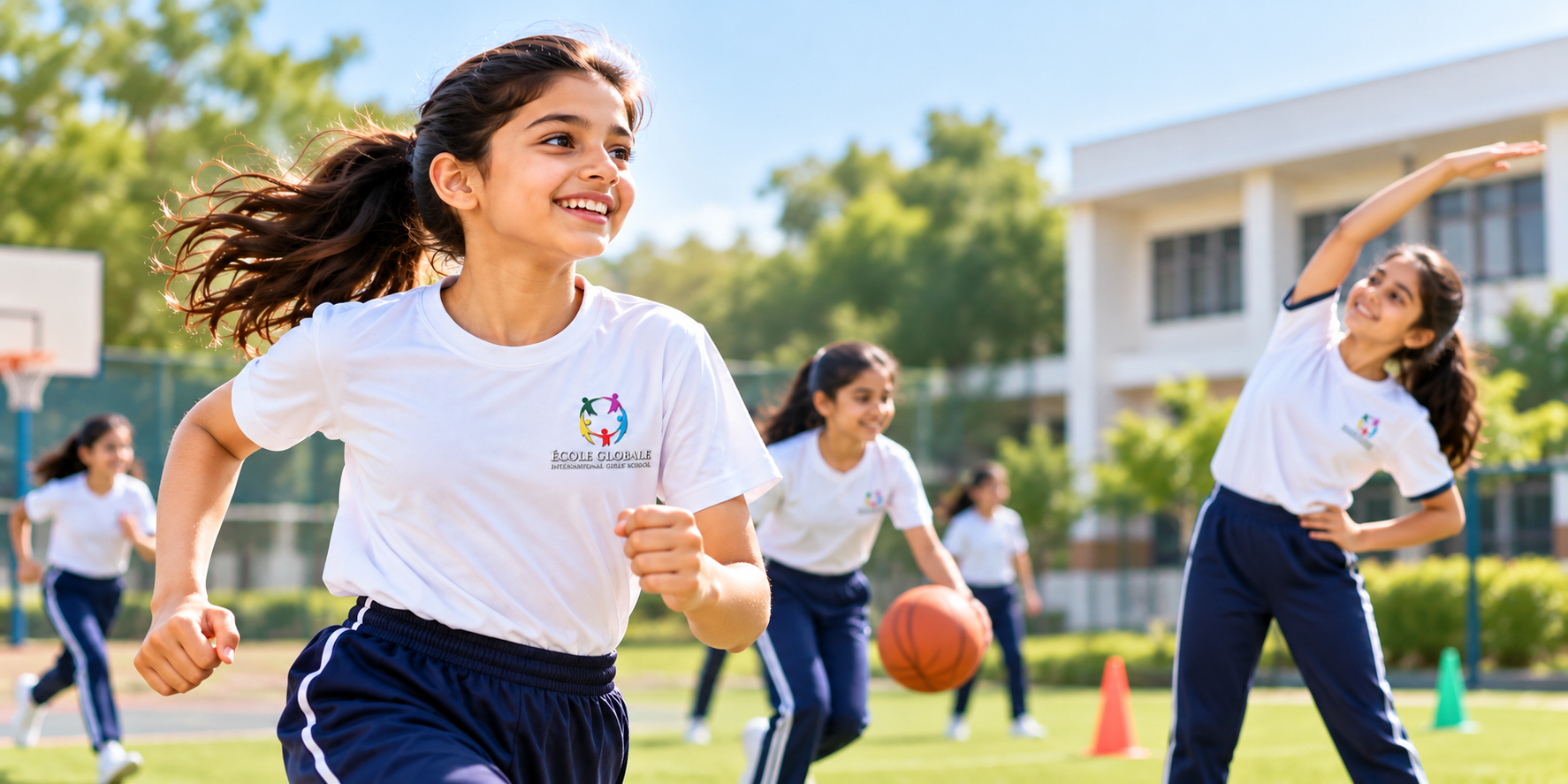
Physical education provides structured opportunities for physical fitness for students. Schools can introduce students to different activities and help them understand the value of maintaining an active lifestyle.
Physical education programmes may include:
- Team sports
- Athletics
- Swimming
- Yoga
- Fitness exercises
- Outdoor games
- Recreational activities
Giving students access to different activities can help them discover forms of exercise they enjoy.
Physical Fitness and Student Wellbeing
Student wellbeing includes physical, emotional, and social aspects of school life. Physical activity can provide students with opportunities to interact with others, participate in enjoyable activities, and take a break from academic responsibilities.
Team activities can encourage communication and cooperation, while individual activities can help students work towards personal goals.
A healthy approach to physical fitness for students should focus on participation, enjoyment, consistency, and overall wellbeing rather than competition alone.
Building Healthy Habits
Developing active habits during school years can encourage students to view physical activity as a normal part of everyday life. Schools and families can support these habits by encouraging suitable activities and maintaining balanced routines.
Along with exercise, students should also pay attention to nutritious meals, hydration, adequate sleep, and sufficient recovery time. Together, these habits can contribute to overall wellbeing.
Physical Fitness and Time Management
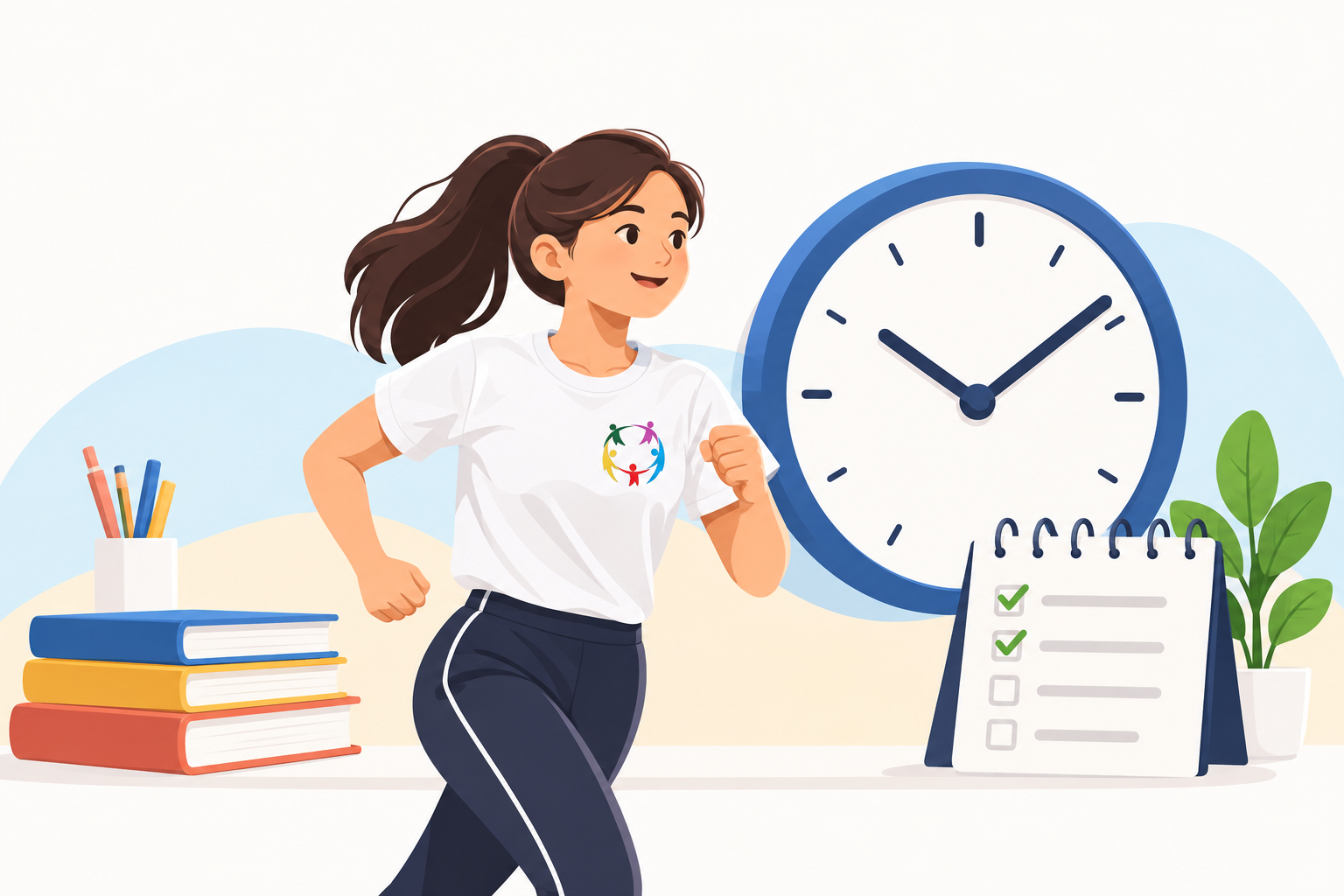
Balancing academics with sports and physical activities can help students practise time management. Students may need to organise their study schedule around sports practice, physical education, extracurricular activities, and personal responsibilities.
Learning how to manage these activities can help students develop organisational skills. A balanced schedule can include academic work, physical activity, relaxation, and rest.
How Schools Can Encourage Physical Fitness
Schools can promote physical fitness for students by providing regular opportunities for movement and participation. Physical education classes, sports clubs, outdoor games, fitness programmes, and recreational activities can all encourage students to stay active.
Schools can also provide non-competitive options for students who may not enjoy competitive sports. Activities such as walking, stretching, yoga, and recreational games can give students different ways to participate.
How Parents Can Support Physical Activity
Parents can encourage physical fitness for students by helping children find activities they enjoy. Different students may prefer different forms of physical activity, so giving them opportunities to explore suitable options can make staying active more enjoyable.
Families can also encourage outdoor activities and create routines that balance screen-based activities with movement.
Positive encouragement can help students develop a healthy attitude towards physical activity.
Physical Fitness at Ecole Globale International Girls School
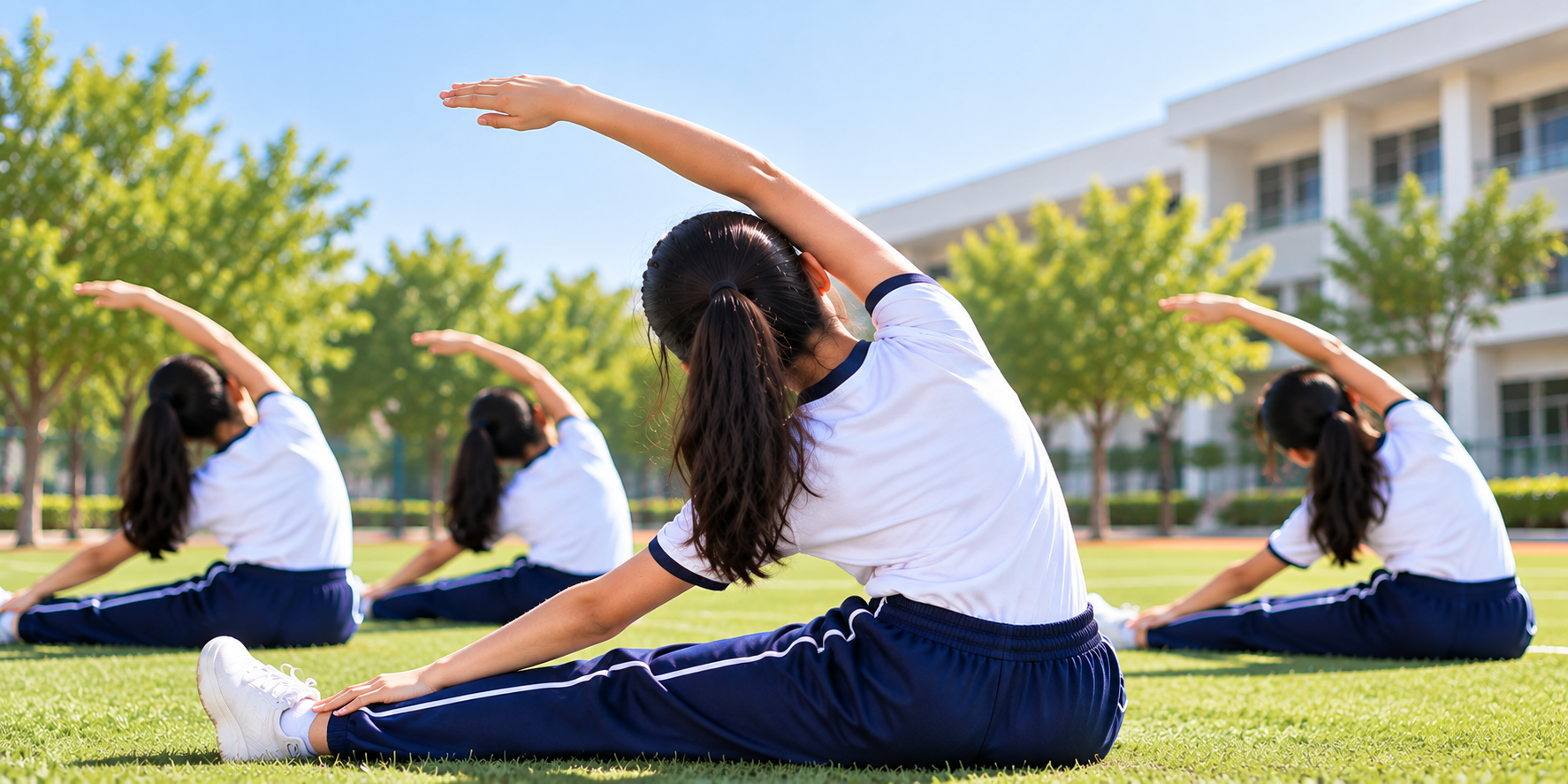
At Ecole Globale International Girls School, physical activities can complement academic learning as part of a balanced school experience. Students can participate in sports and other activities that encourage teamwork, discipline, confidence, and personal development.
Combining classroom education with extracurricular activities can give students opportunities to develop academic, physical, social, and personal skills.
Conclusion
Physical fitness for students is an important part of holistic education. Regular physical activity can support wellbeing, concentration, energy, discipline, teamwork, and healthy daily routines.
While physical activity should not replace academic preparation, it can complement classroom learning and contribute to a balanced lifestyle. By encouraging physical fitness for students, schools and families can help young learners develop healthy habits and skills that support their overall growth.
Frequently Asked Questions (FAQs)
Q1. How does physical fitness support academic performance?
Ans: Physical fitness can support students’ concentration, energy, discipline, and overall well-being, complementing their academic learning and daily study routines.
Q2. Why is physical fitness important for students?
Ans: Physical fitness for students encourages an active lifestyle and helps develop healthy habits, discipline, teamwork, persistence, and time-management skills.
Q3. Can physical activity improve students’ concentration?
Ans: Regular physical activity can help students stay active and refreshed, which may support alertness and engagement during classroom activities.
Q4. What are the benefits of physical fitness for students?
Ans: Benefits can include better overall well-being, healthy routines, teamwork, discipline, goal-setting skills, and opportunities to develop physical and social skills.
Q5. How can schools promote physical fitness for students?
Ans: Schools can promote physical fitness for students through physical education classes, sports, outdoor games, fitness programmes, recreational activities, and extracurricular sports clubs.