






Changing schools in the middle of an academic year can be a significant decision for both parents and students. Families may consider a school transfer because of relocation, personal circumstances, academic requirements or a need for a different learning environment. In such situations, mid-session admissions to boarding schools can provide an opportunity for students to continue their education without waiting for the next academic session.
However, joining a boarding school after the academic year has already started requires careful planning. Parents need to understand admission availability, curriculum compatibility, academic progress, hostel arrangements, fees and the support provided to students during the transition.
Before considering Mid-Session Admissions to Boarding Schools, parents should ask the right questions to ensure that the new institution can meet their child’s academic, residential and personal needs. This guide covers the important factors families should evaluate before making a decision.
Does the School Accept Mid-Session Admissions?

The first question parents should ask is whether the institution accepts students after the academic session has started. Not every boarding school offers admissions throughout the year. Some schools have fixed admission periods, while others may consider applications when vacancies are available.
When exploring Mid-Session Admissions to Boarding Schools, parents should clarify:
- Does the school accept applications during the academic year?
- Which classes have available seats?
- Are admissions subject to entrance assessments?
- Is there a specific deadline for mid-session applications?
- Can students join immediately after receiving an admission offer?
Parents should contact the admissions department directly instead of assuming that vacancies are available. Understanding the school’s admission policy is the first step towards successful Mid-Session Admissions to Boarding Schools.
Is the Academic Curriculum Compatible?
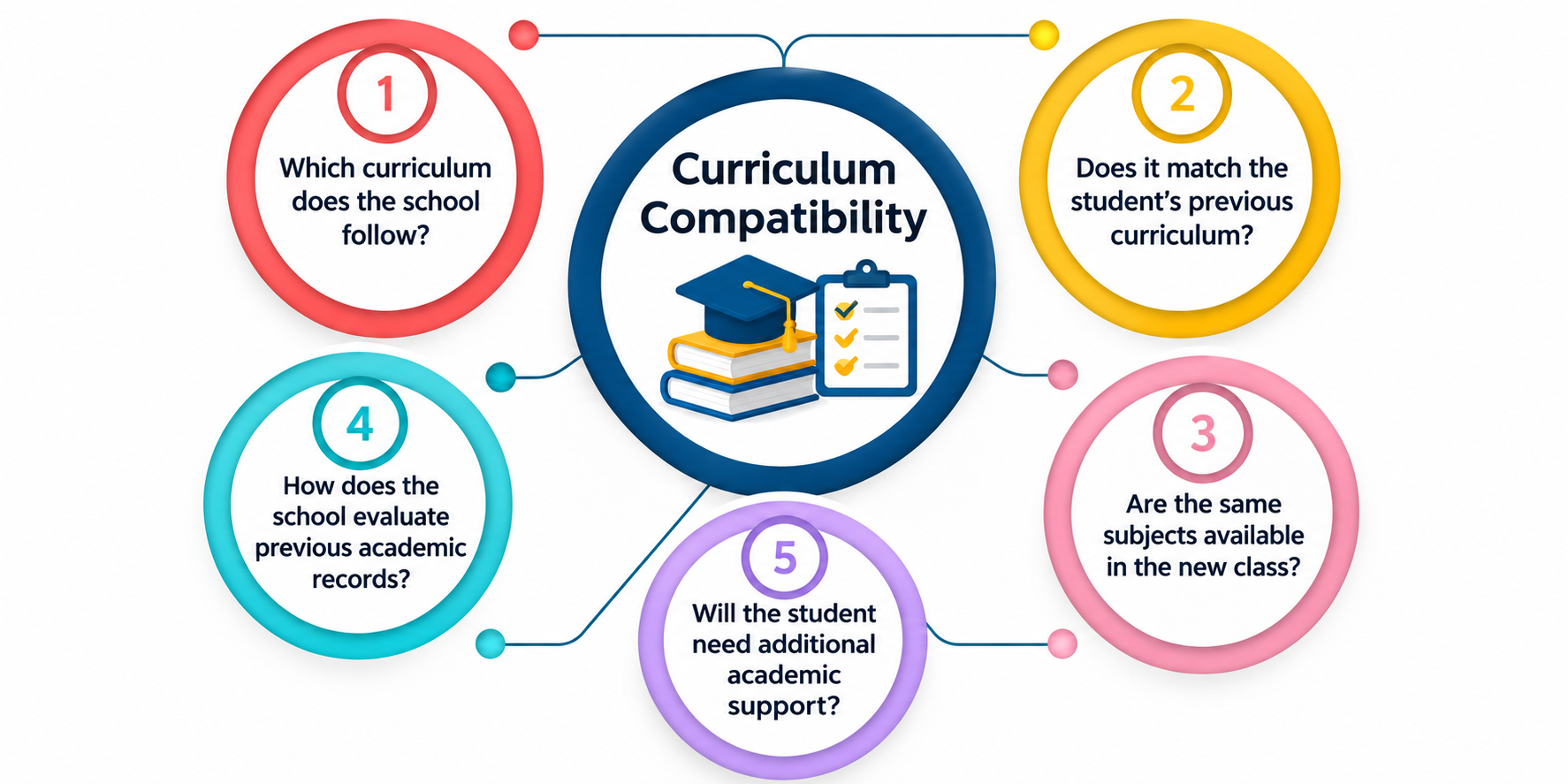
Curriculum compatibility is one of the most important considerations when planning Mid-Session Admissions to Boarding Schools. Students transferring from another institution may have studied different subjects, followed another curriculum or completed topics in a different sequence.
For example, a student moving from a CBSE school to a Cambridge school may experience differences in subject structure, teaching methods and assessment patterns.
Parents should ask:
- Which curriculum does the school follow?
- Does it match the student’s previous curriculum?
- Are the same subjects available in the new class?
- How does the school evaluate previous academic records?
- Will the student need additional academic support?
Before finalising Mid-Session Admissions to Boarding Schools, parents should compare the previous and proposed curricula. This can help identify possible academic gaps and prepare the student for the change.
What Documents Are Required for Admission?
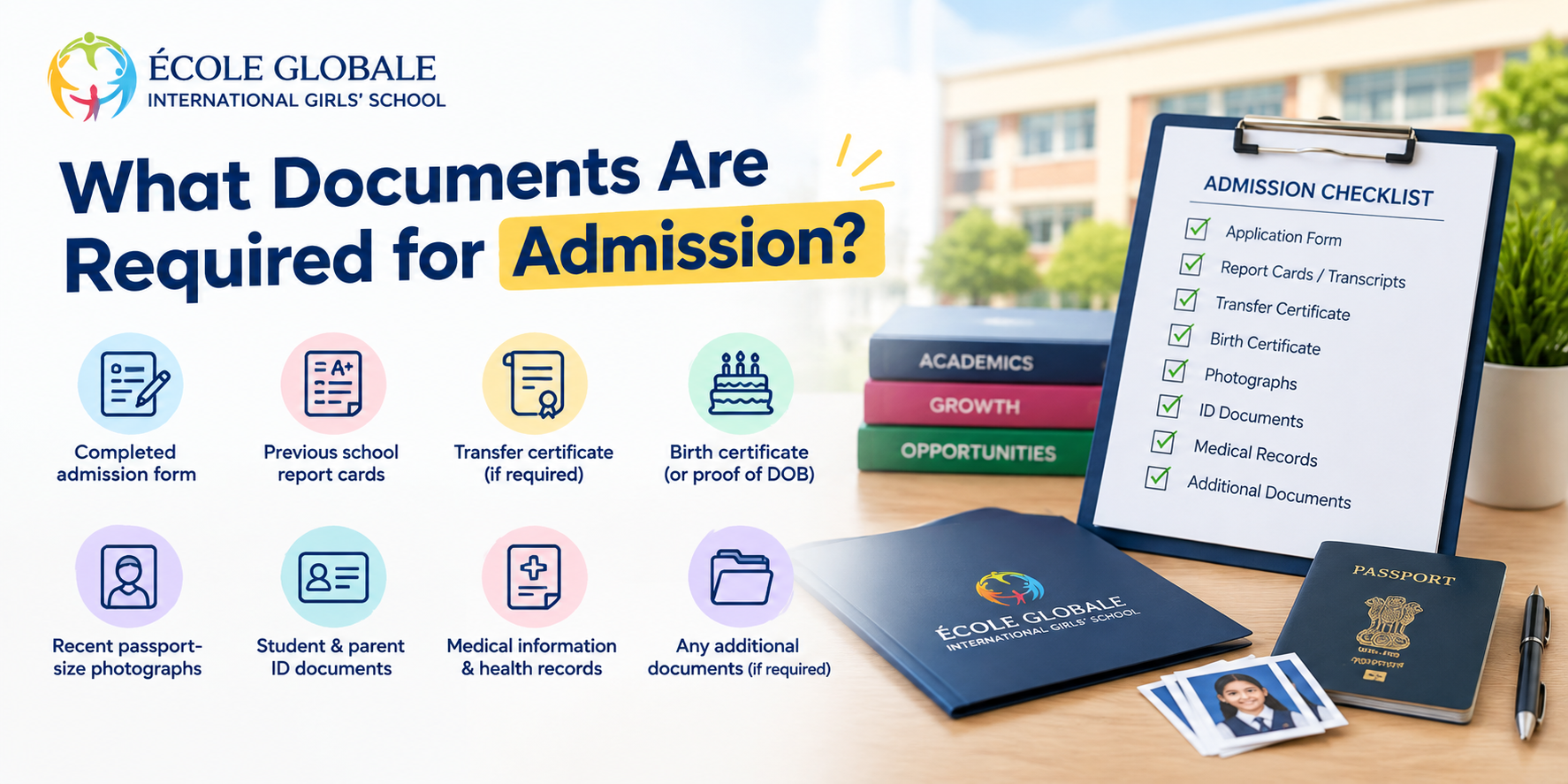
Documentation is another important part of Mid-Session Admissions to Boarding Schools. Schools generally require academic records and personal documents to evaluate a student’s eligibility and complete the admission process.
The required documents may include:
- Completed admission application form.
- Previous school’s report cards or academic transcripts.
- Transfer certificate or school-leaving certificate, if required.
- Birth certificate or accepted proof of date of birth.
- Recent passport-size photographs.
- Student and parent identification documents.
- Medical information and relevant health records.
- Any additional documents requested by the school.
Parents should ask whether original documents, certified copies or digital submissions are accepted. They should also confirm whether the previous school needs to send academic records directly.
Preparing the required paperwork in advance can make Mid-Session Admissions to Boarding Schools more organised and reduce unnecessary delays.
How Will the School Help Students Catch Up Academically?
Students joining a new school during the academic year may find that their classmates have already completed several chapters, assignments or assessments. This makes academic support particularly important during mid-session admissions to boarding schools.
Parents should understand how the school helps new students adjust to its academic schedule.
Ask the school:
- Will teachers review the student’s previous academic performance?
- Is there a process for identifying learning gaps?
- Can additional academic guidance be provided?
- How will missed assignments or assessments be managed?
- Will the student receive help understanding the new curriculum?
A school that clearly explains its academic transition process can help students understand expectations and settle into their new learning environment.
Parents considering Mid-Session Admissions to Boarding Schools should also ask whether the student will be expected to complete missed coursework independently or receive structured support from teachers.
Are Hostel Facilities Available Immediately?
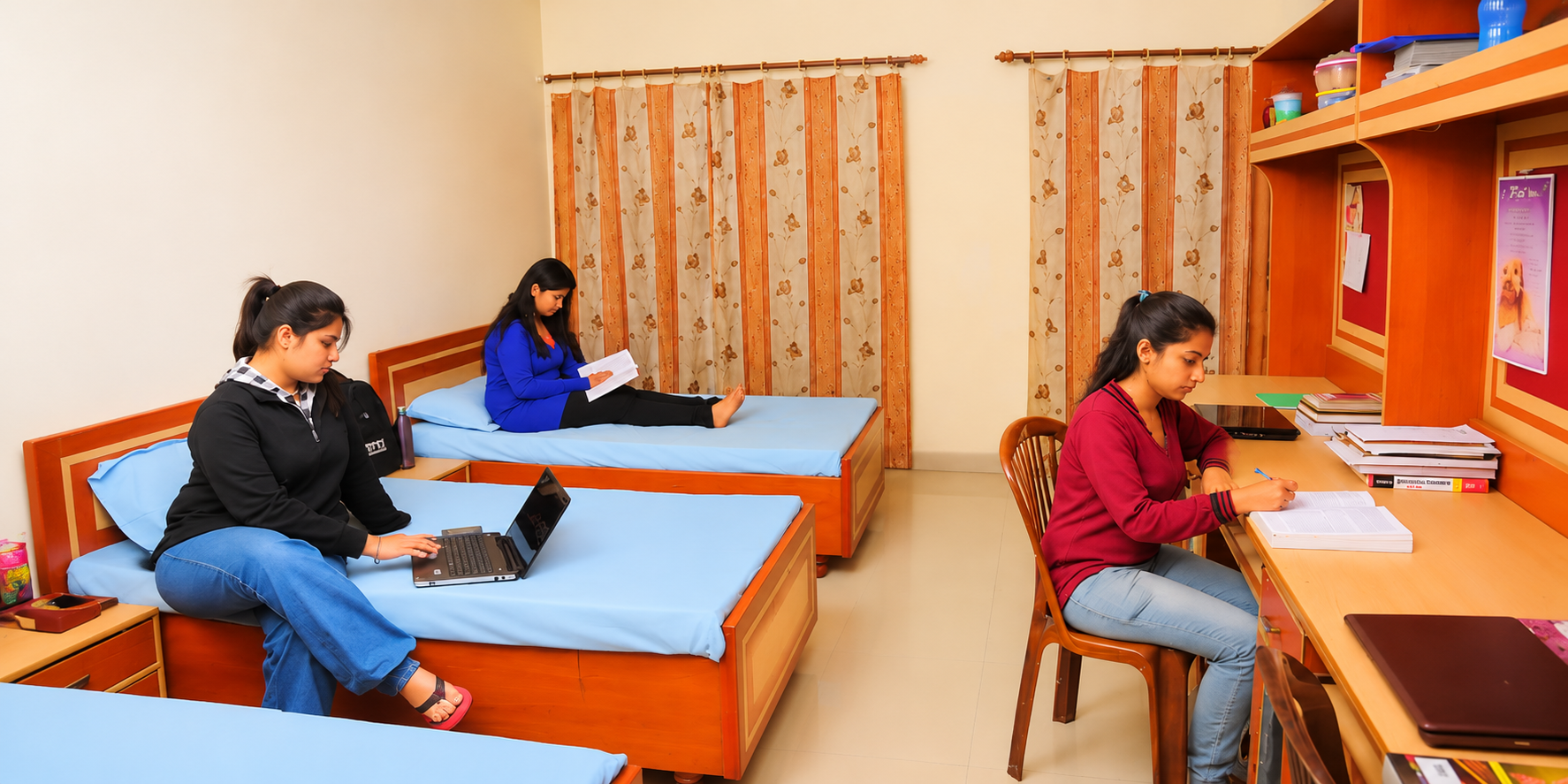
For residential institutions, accommodation is just as important as academic admission. Parents exploring Mid-Session Admissions to Boarding Schools should confirm whether hostel accommodation is available for the intended joining date.
Even when a school has an academic vacancy, hostel availability may be limited.
Important questions include:
- Is a hostel room available immediately?
- Will the student share a room or stay in a different arrangement?
- Who supervises students in the residential area?
- Are meals and other essential facilities included?
- What is the daily hostel routine?
- Are personal belongings and study materials provided?
Parents should also ask whether the student can visit the hostel before joining. Understanding the residential environment can make the transition more comfortable.
Before confirming Mid-Session Admissions to Boarding Schools, request clear information about accommodation, supervision and the facilities included in the boarding fee.
What Is the Total Fee for Mid-Session Admission?
Financial planning is essential when considering Mid-Session Admissions to Boarding Schools. The fee structure for students joining during the academic year may differ depending on the institution’s admission and payment policies.
Parents should request a written breakdown of all applicable charges, including:
- Admission and registration fees.
- Tuition fees.
- Hostel and accommodation charges.
- Meals and dining expenses.
- Uniforms and books.
- Sports and extracurricular activity charges.
- Medical or other applicable expenses.
One important question is whether tuition and boarding fees are calculated for the full academic year or adjusted according to the joining date.
Parents should also clarify payment deadlines, refund policies and additional expenses that may arise later. A clear understanding of the financial commitment helps families make informed decisions about mid-session admissions to boarding schools.
How Will the School Support the Student’s Emotional Adjustment?
Moving to a new boarding school can be challenging, particularly when students are joining after their classmates have already established friendships and routines.
Therefore, emotional and social support should be considered during mid-session admissions to boarding schools.
Parents should ask:
- How are new students introduced to their classmates?
- Is a teacher or mentor assigned to guide new students?
- Are counselling or student support services available?
- How does the school handle homesickness or adjustment difficulties?
- Can parents communicate regularly with their children?
A supportive environment can help students become familiar with their surroundings and develop relationships with classmates.
When evaluating Mid-Session Admissions to Boarding Schools, parents should not focus only on academic performance and hostel facilities. They should also understand how the school helps students feel included and supported.
Will the Student Be Eligible for Upcoming Examinations?
Examination eligibility is an important detail that parents should clarify before completing Mid-Session Admissions to Boarding Schools. Depending on the grade and examination board, students may have specific attendance, registration or assessment requirements.
Parents should ask:
- Can the student appear for upcoming examinations?
- Will previous examination results be considered?
- Are there minimum attendance requirements?
- Does the school need to complete any board-related registration formalities?
- How will internal assessments and practical work be handled?
For students in examination years, these details are especially important. A school transfer should not create avoidable difficulties with examination preparation or eligibility.
Before confirming Mid-Session Admissions to Boarding Schools, parents should request written clarification about examination arrangements and any academic requirements that apply to the student’s grade.
How Will Parents Receive Updates After Admission?
When students join a boarding school in the middle of the academic year, parents may want regular updates about their progress and adjustment.
Communication arrangements should therefore be discussed during Mid-Session Admissions to Boarding Schools.
Ask the school about:
- Parent-teacher meetings.
- Academic progress reports.
- Communication applications or online portals.
- Scheduled phone or video calls.
- Emergency contact procedures.
- Updates about medical or personal concerns.
Parents should also understand the school’s rules regarding mobile phones and personal devices.
Clear communication helps parents remain informed about their child’s academic progress and residential experience after completing Mid-Session Admissions to Boarding Schools.
What Should Parents Check Before Finalising Admission?
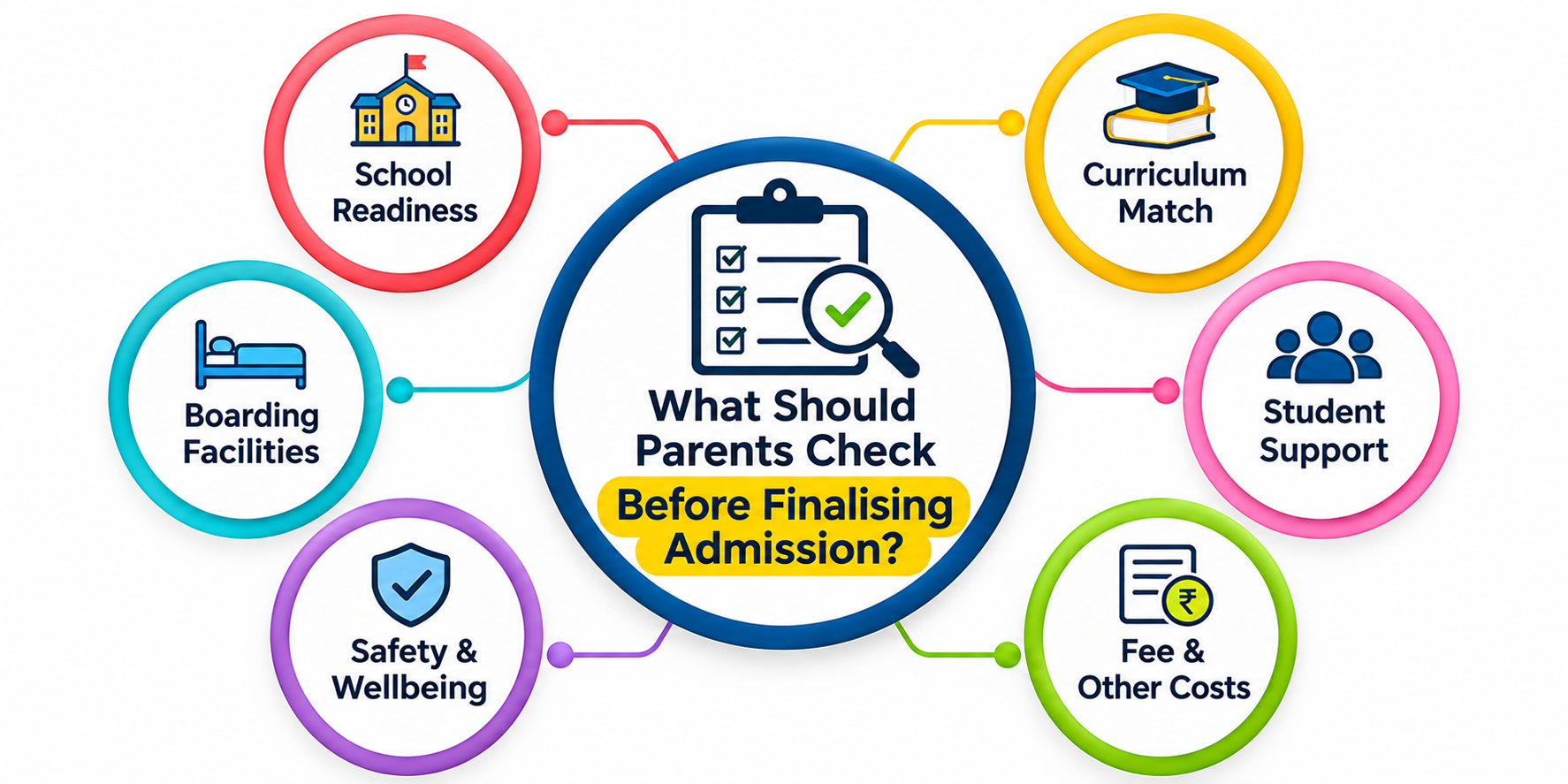
Before accepting an admission offer, parents should review all the important details related to the school and its policies.
Use this checklist when evaluating Mid-Session Admissions to Boarding Schools:
- Confirm that the school accepts mid-session applications.
- Check whether a seat is available in the required class.
- Compare the previous and new academic curricula.
- Verify the documents required for admission.
- Understand how academic gaps will be addressed.
- Confirm immediate hostel accommodation.
- Review the complete fee structure.
- Understand student supervision and wellbeing arrangements.
- Clarify examination eligibility and assessment requirements.
- Confirm parent communication and emergency procedures.
Taking time to review these points can help parents avoid unexpected difficulties after admission.
Conclusion
Mid-Session Admissions to Boarding Schools can offer families an opportunity to change their child’s educational environment without waiting for the next academic session. However, the decision requires careful evaluation of admission availability, curriculum compatibility, documentation, academic support, hostel facilities and financial requirements.
Parents should ask detailed questions and understand the school’s policies before accepting an admission offer. They should also consider how their child will adjust academically, socially and emotionally to a new residential environment.
By evaluating these factors, families can approach Mid-Session Admissions to Boarding Schools with greater clarity and choose an institution that supports their child’s educational needs and overall development.
Frequently Asked Questions
Q1. What are Mid-Session Admissions to Boarding Schools?
Ans: Mid-Session Admissions to Boarding Schools refer to the process of enrolling a student after the academic year has already started. These admissions may be considered when a school has available seats and the student meets its admission requirements.
Q2. Can a student change boarding schools in the middle of an academic year?
Ans: Yes, a student may be able to transfer to another boarding school during the academic year. However, admission depends on seat availability, academic compatibility, documentation and the school’s admission policies.
Q3. What documents are needed for mid-session boarding school admission?
Ans: Common documents include previous academic records, a transfer certificate where required, proof of date of birth, photographs, identification documents and medical information. Each school may have additional requirements.
Q4. Will students receive academic support after joining mid-session?
Ans: Academic support depends on the school’s policies and available resources. Parents should ask whether teachers assess learning gaps, provide additional guidance and help students understand missed coursework.
Q5. Are hostel facilities available for students joining mid-session?
Ans: Hostel availability depends on vacant accommodation and the school’s residential capacity. Parents should confirm room availability, supervision arrangements and joining dates before accepting an admission offer.
Q6. Do schools charge full-year fees for mid-session admissions?
Ans: Fee policies differ between institutions. Some schools may adjust tuition or boarding charges according to the joining date, while others may follow a different payment structure. Parents should request a detailed written fee breakdown.