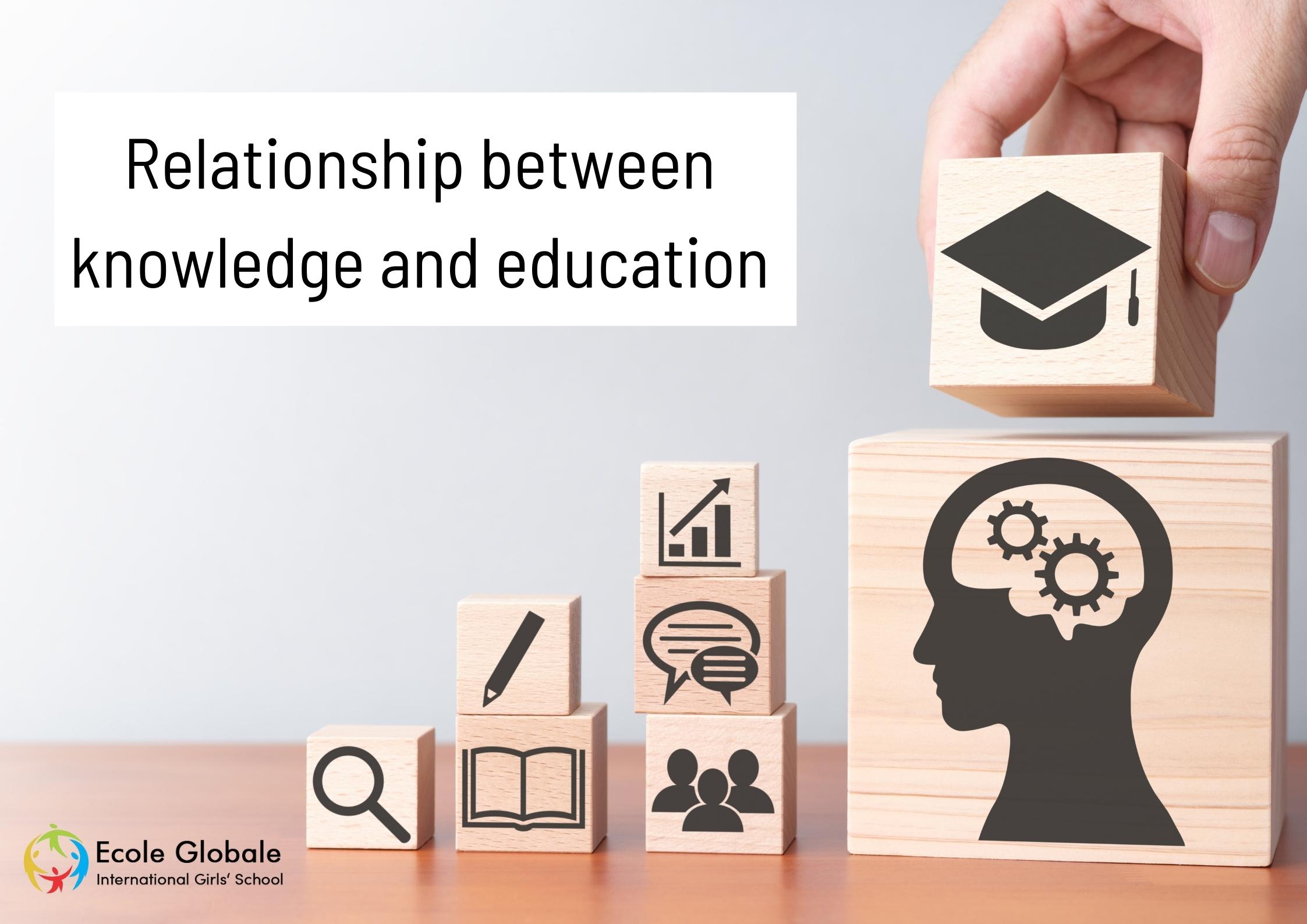
The relationship between knowledge and education is very close because education is one of the primary ways through which people acquire, develop, organise, and apply knowledge. Knowledge includes the facts, ideas, skills, experiences, and understanding that a person gains over time. Education provides a structured process that helps learners develop this knowledge and use it effectively in academic and real-life situations.
Education Helps Acquire Knowledge
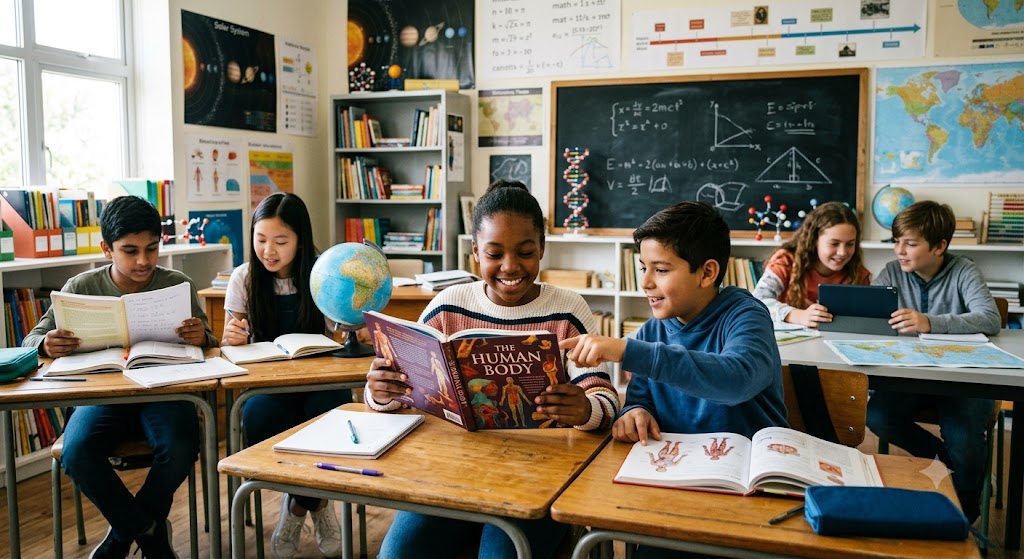
The relationship between knowledge and education begins with the process of learning. Schools, teachers, books, technology, practical activities, and discussions provide learners with opportunities to gain knowledge. Education introduces students to subjects such as science, mathematics, languages, history, and social sciences while also developing practical abilities.
Knowledge Is the Foundation of Education
Knowledge forms an important foundation of education. Students use previously acquired knowledge to understand new concepts and connect different ideas. As learning progresses, existing knowledge helps learners develop deeper understanding and more advanced skills.
Education Organises Knowledge
Another important part of the relationship between knowledge and education is that education helps organise information systematically. People encounter information from many sources, but education teaches them how to understand, evaluate, connect, and use that information. This makes learning more meaningful and purposeful.
Education Turns Knowledge into Skills
The relationship between knowledge and education also involves practical application. Education encourages students to use what they learn through projects, experiments, problem-solving activities, presentations, and real-life situations. In this way, knowledge can be transformed into useful skills.
Knowledge Supports Critical Thinking
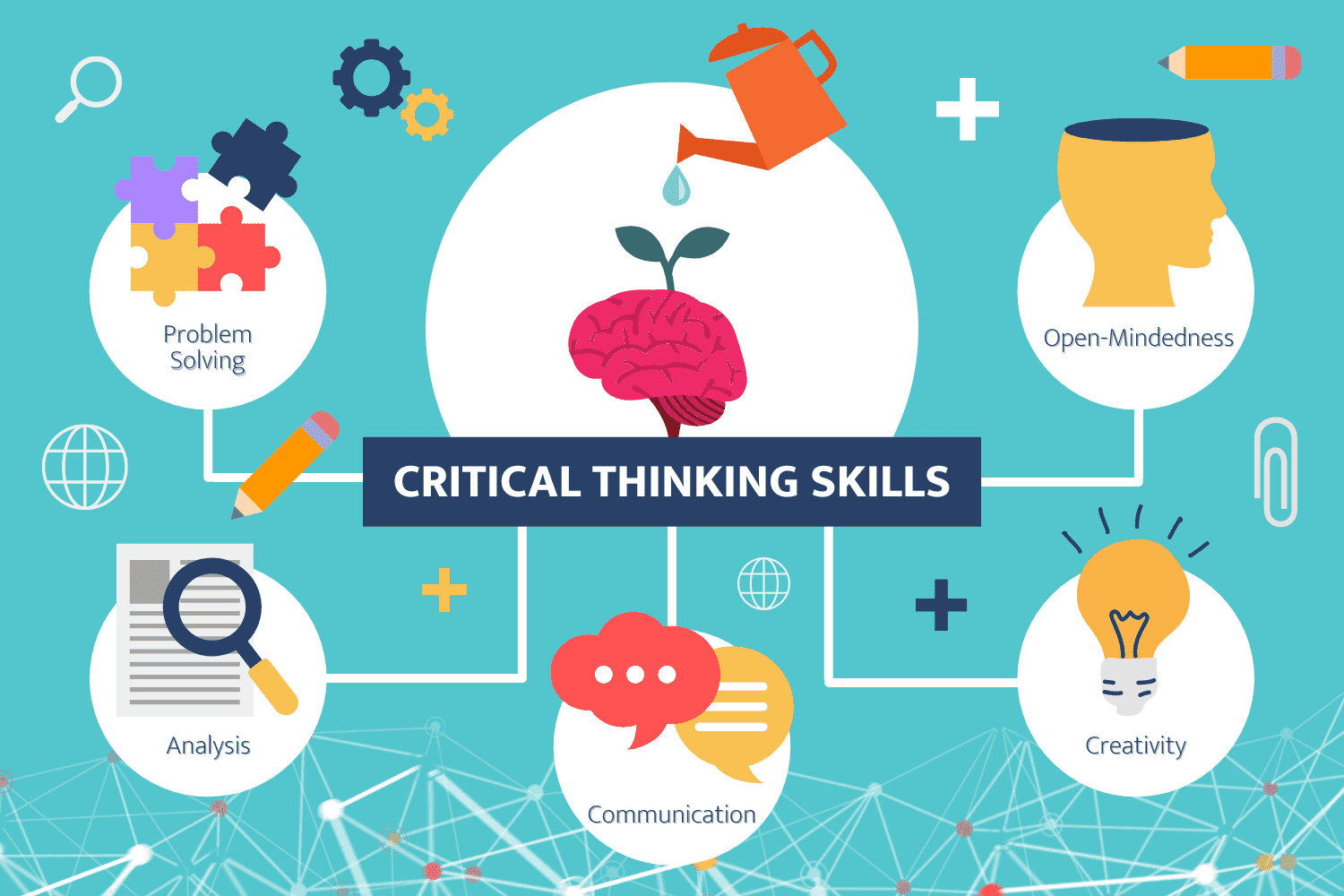
Knowledge gives learners the background needed to analyse situations and form reasoned conclusions. Education develops critical-thinking abilities by encouraging students to question information, compare ideas, identify problems, and consider different perspectives.
Education Encourages Lifelong Learning
The relationship between knowledge and education continues beyond the classroom. Good education develops curiosity, independent learning, and the desire to explore new ideas. These qualities encourage individuals to continue gaining knowledge throughout their lives.
Knowledge and Education in Personal Development
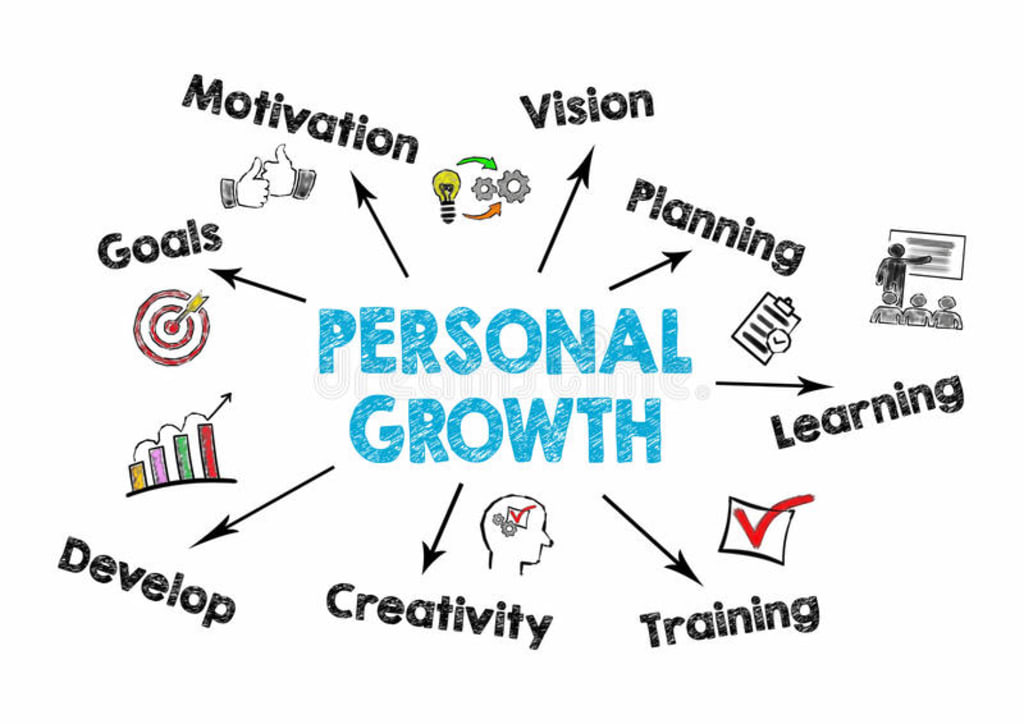
Education is not limited to academic knowledge. It can also contribute to communication skills, social development, ethical understanding, creativity, confidence, and responsible decision-making. Knowledge gained through education can therefore support both personal and professional development.
Difference Between Knowledge and Education
Although knowledge and education are closely connected, they have different meanings.
| Knowledge | Education |
|---|---|
| Refers to what a person knows and understands | Refers to the process of learning and development |
| Can come from experience and observation | Can be formal or informal |
| Includes facts, ideas, skills, and understanding | Includes knowledge, skills, values, and attitudes |
| Can be acquired independently | Often involves guidance, instruction, and practice |
| Can continue throughout life | Encourages lifelong learning |
Understanding this difference makes the relationship between knowledge and education easier to explain.
Why Both Knowledge and Education Matter
Knowledge without the ability to apply it may have limited practical value. Similarly, education without meaningful knowledge cannot achieve its full purpose.
When combined, they help individuals:
- Understand the world around them.
- Develop useful skills.
- Think critically.
- Solve problems.
- Make informed decisions.
- Adapt to changing circumstances.
- Continue learning throughout life.
Conclusion
The relationship between knowledge and education can be understood as a continuous cycle. Education provides the process and environment for gaining and developing knowledge, while knowledge gives education practical meaning. Together, they help individuals understand the world, develop skills, solve problems, and continue learning throughout life.
For any queries related to parenting, schooling, or any student-related tips, click here to check out our latest blogs