





Choosing a career is one of the most important decisions in a student’s academic journey. Classes 9 to 12 are particularly significant because students begin exploring their interests, understanding their strengths and making decisions about future education. With so many courses and professional opportunities available, having the right guidance can make this process easier.
Career Counselling for Girls in Classes 9 to 12 helps students understand different career possibilities, identify their interests and make informed academic decisions. It provides an opportunity to explore career options beyond traditional professions and understand how school subjects connect with future opportunities.
Effective Career Counselling for Girls in Classes 9 to 12 also encourages students to consider their individual abilities, aspirations and long-term goals instead of choosing a career simply because it is popular or recommended by others.
Whether a student is interested in science, commerce, humanities, technology, business or creative fields, the right career guidance can help her plan the next steps with confidence.
1. Why Career Counselling Is Important for Girls in Classes 9 to 12

Many students begin thinking about their careers during secondary school, but they may not have enough information to make informed decisions. Career counselling provides structured guidance and helps students understand the relationship between their academic choices and future opportunities.
Career Counselling for Girls in Classes 9 to 12 is important because it helps students:
- Identify personal interests and strengths.
- Understand different academic streams.
- Explore professional and vocational courses.
- Learn about higher education opportunities.
- Set realistic academic and career goals.
- Make informed decisions about future studies.
Career guidance also helps students understand that career opportunities are not restricted by traditional expectations. Girls can explore fields such as engineering, medicine, entrepreneurship, law, research, technology, sports, design and public administration.
Through Career Counselling for Girls in Classes 9 to 12, students can develop a clearer understanding of their options and make decisions based on their interests and abilities.
2. Understanding Career Interests and Personal Strengths
Before choosing a career, students should understand what interests them and which activities they enjoy. Some students may enjoy solving mathematical problems, while others may prefer creative writing, scientific experiments, communication or social activities.
Understanding these preferences is an important part of Career Counselling for Girls in Classes 9 to 12.
Students can explore their interests through:
- Participating in school clubs and activities.
- Taking part in debates, competitions and projects.
- Exploring different subjects beyond textbooks.
- Discussing career interests with teachers.
- Reflecting on personal strengths and areas for improvement.
Career assessment tools and aptitude tests can also provide useful insights into a student’s interests, abilities and preferred working styles. However, these assessments should be treated as guidance rather than fixed decisions about a student’s future.
Good Career Counselling for Girls in Classes 9 to 12 encourages students to explore different possibilities before selecting a particular career direction.
3. Choosing the Right Stream After Class 10
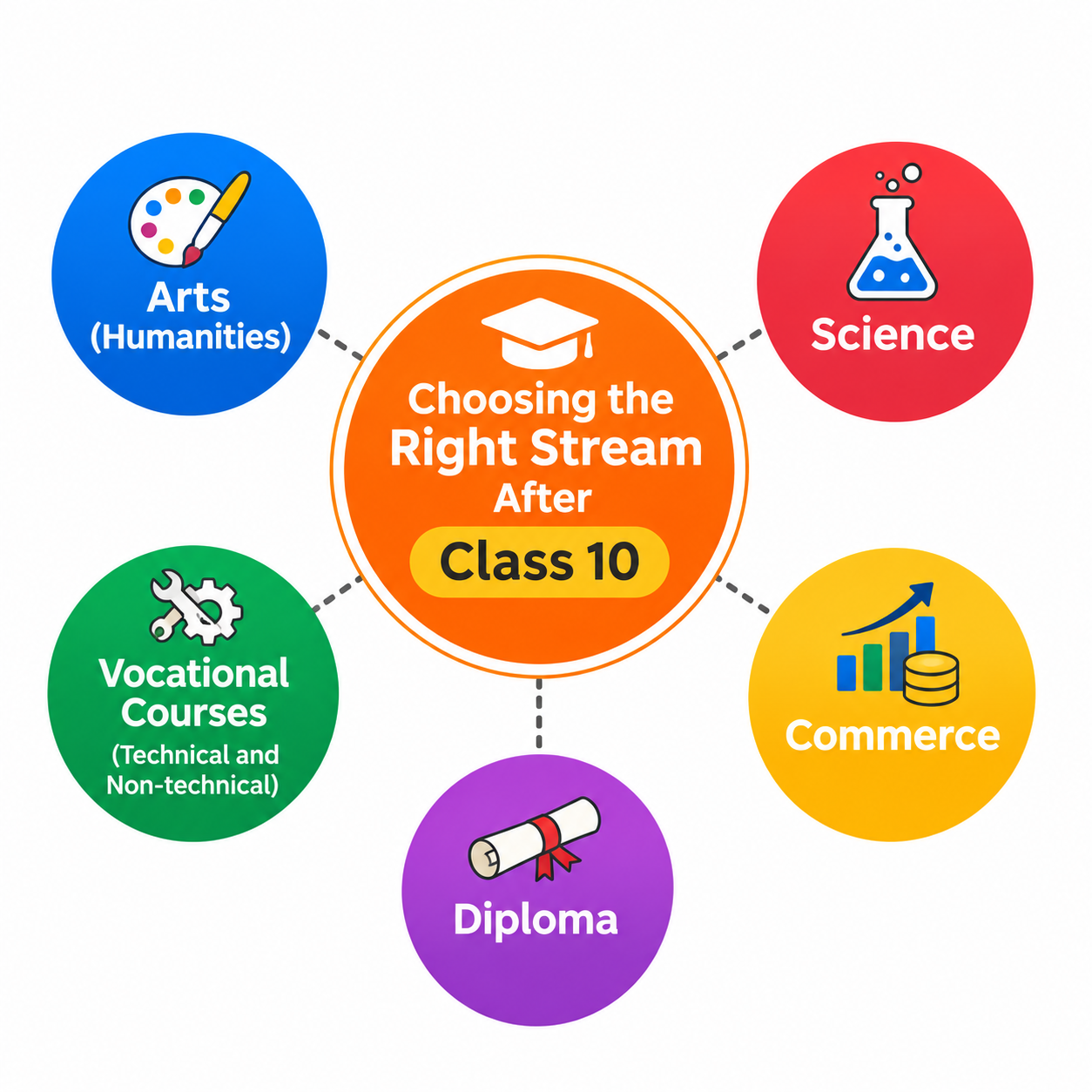
Selecting a stream after Class 10 is an important academic decision. Students generally explore Science, Commerce and Humanities, depending on their interests, academic goals and available school options.
Career guidance for girls after Class 10 can help students understand what each stream offers and which subjects may be relevant to their future plans.
Science Stream
The Science stream is suitable for students interested in scientific concepts, technology, healthcare, mathematics and research.
Possible career pathways include:
- Medicine and healthcare.
- Engineering and technology.
- Biotechnology and microbiology.
- Environmental science.
- Data science and research.
- Architecture and related fields.
Commerce Stream
Commerce is a suitable option for students interested in business, finance, economics and management.
Possible career pathways include:
- Chartered accountancy.
- Business management.
- Banking and finance.
- Economics.
- Entrepreneurship.
- Financial analysis.
Humanities Stream
Humanities offers opportunities for students interested in society, history, communication, public policy, psychology and creative subjects.
Possible career pathways include:
- Law.
- Psychology.
- Journalism and media.
- Civil services.
- International relations.
- Social work and public policy.
- Design and creative industries.
Career Counselling for Girls in Classes 9 to 12 should help students understand that no academic stream is automatically better than another. The right choice depends on individual interests, abilities, eligibility requirements and future goals.
4. Exploring Career Options Beyond Traditional Professions
Career opportunities are constantly expanding. Students today can explore traditional professions as well as emerging fields connected with technology, innovation, sustainability and creative industries.
Some career options for girls after Class 12 include:
| Career field | Possible opportunities |
|---|---|
| Technology | Software development, cybersecurity, data science |
| Healthcare | Medicine, nursing, pharmacy, physiotherapy |
| Business | Management, finance, entrepreneurship |
| Law | Legal practice, corporate law, legal research |
| Creative industries | Fashion, animation, graphic design |
| Environment | Environmental science, sustainability, conservation |
| Media | Journalism, digital media, communication |
| Public administration | Civil services and government careers |
Exploring these options is an important part of Career Counselling for Girls in Classes 9 to 12 because it allows students to understand the variety of professional pathways available to them.
Students should research the qualifications, entrance examinations, course duration and eligibility requirements associated with each profession before making decisions.
5. Career Planning for Girls in Classes 11 and 12
Classes 11 and 12 provide an opportunity to develop a more focused academic and career plan. After selecting a stream, students can begin researching undergraduate courses, entrance examinations and professional qualifications.
Effective Career Counselling for Girls in Classes 9 to 12 encourages students to plan their next steps early without creating unnecessary pressure to finalise their entire future.
A practical career planning process includes:
- Identifying preferred career areas.
- Researching relevant undergraduate courses.
- Understanding admission requirements.
- Exploring entrance examination options.
- Comparing colleges and universities.
- Setting short-term academic goals.
Students should also remain open to discovering new interests. Career plans can change as students gain knowledge and experience.
6. The Role of Aptitude Tests in Career Selection
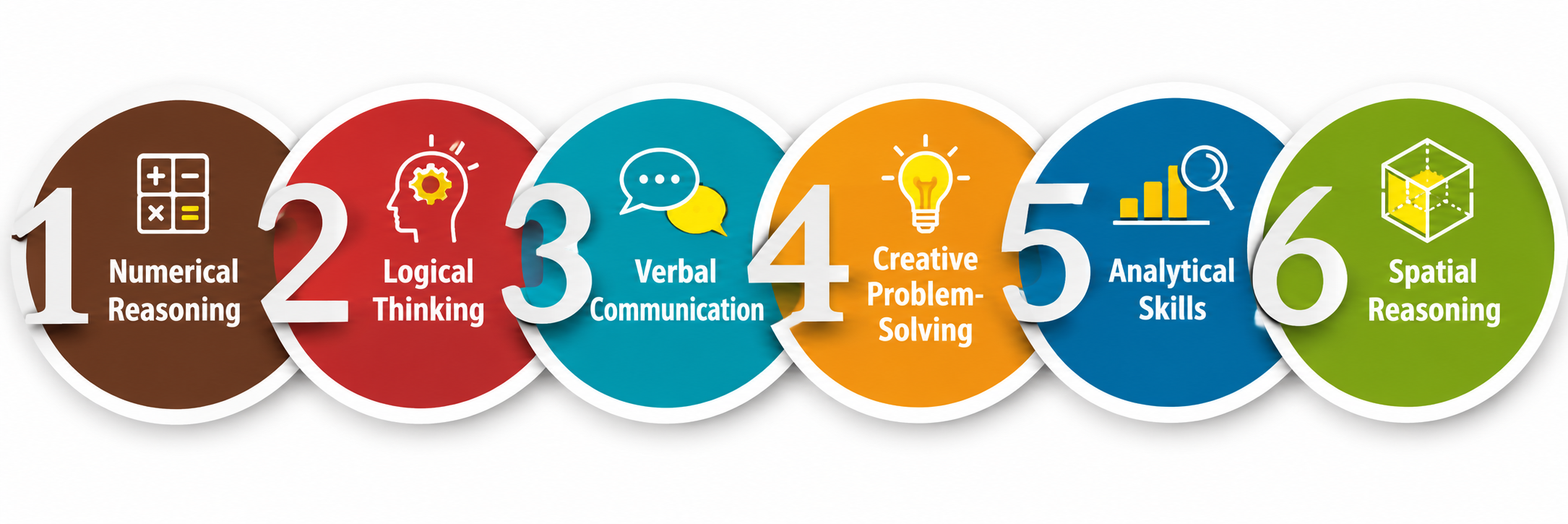
Aptitude assessments can help students understand their natural abilities and identify areas in which they may perform well.
These assessments may explore:
- Numerical reasoning.
- Logical thinking.
- Verbal communication.
- Creative problem-solving.
- Analytical skills.
- Spatial reasoning.
Aptitude tests can be useful during Career Counselling for Girls in Classes 9 to 12, particularly when students are uncertain about their academic or professional interests.
However, test results should not determine a student’s career independently. They should be considered alongside personal interests, academic performance, values and discussions with qualified career counsellors.
The objective of career assessment is to provide additional information that helps students make better decisions.
7. Emerging Career Opportunities for Girls in India
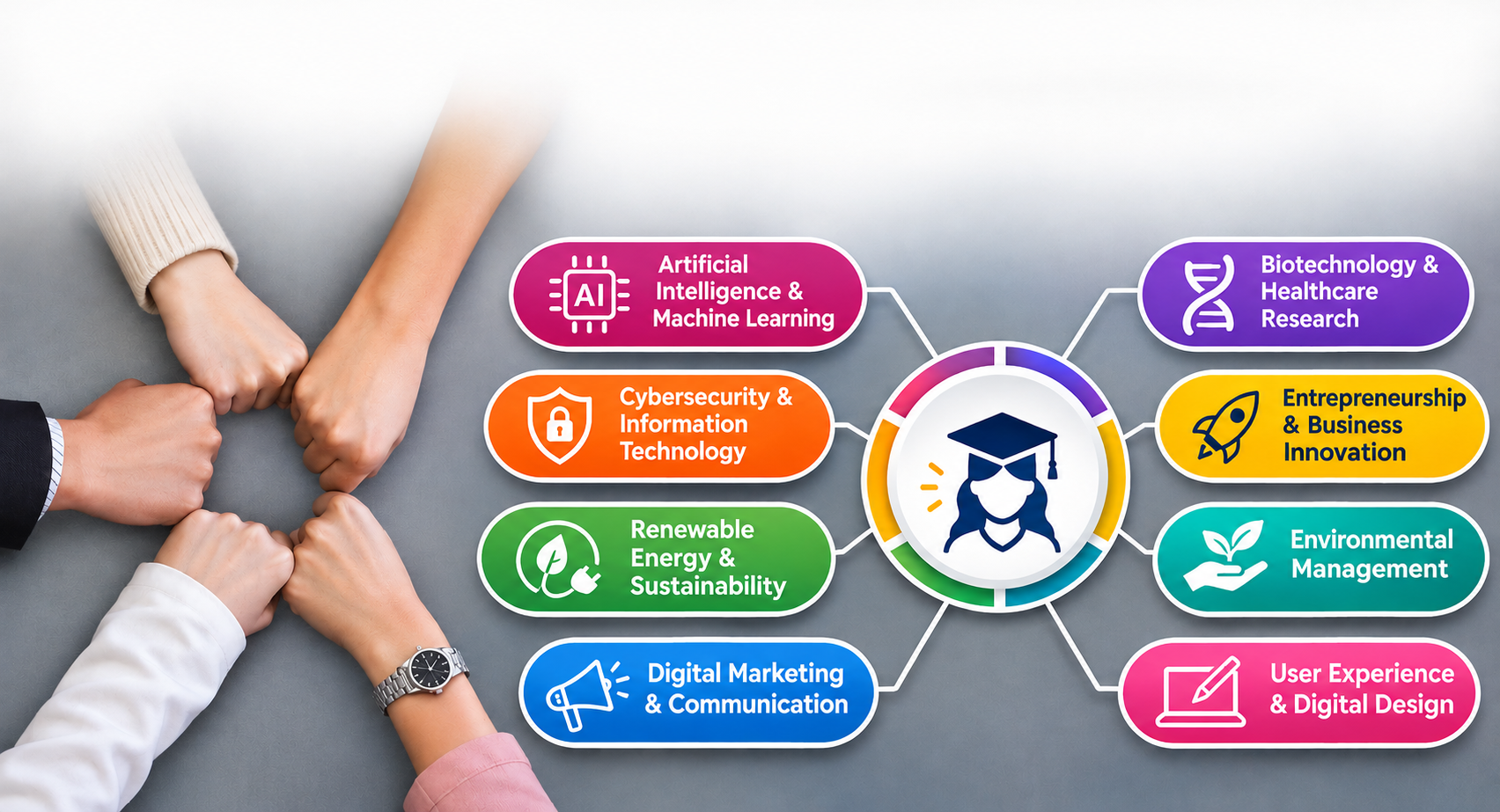
India’s changing education and employment landscape offers students opportunities across several developing industries.
Some emerging career areas include:
- Artificial intelligence and machine learning.
- Cybersecurity and information technology.
- Renewable energy and sustainability.
- Digital marketing and communication.
- Biotechnology and healthcare research.
- Entrepreneurship and business innovation.
- Environmental management.
- User experience and digital design.
Understanding these fields is an important aspect of Career Counselling for Girls in Classes 9 to 12 because students can explore professions that may not have been familiar to previous generations.
Girls should be encouraged to investigate these opportunities, understand the qualifications required and develop relevant skills through education and practical experiences.
8. How Parents and Teachers Can Support Career Decisions
Parents and teachers play an important role in helping students make informed career decisions. Their guidance can provide valuable information, but students should also have the opportunity to express their own interests and aspirations.
Parents can support students by:
- Encouraging open discussions about career interests.
- Avoiding comparisons with other students.
- Helping research educational opportunities.
- Considering individual strengths and preferences.
- Supporting realistic academic goals.
Teachers can provide subject-related guidance, identify areas of academic interest and introduce students to different professional pathways.
Career Counselling for Girls in Classes 9 to 12 becomes more effective when students, parents, teachers and counsellors work together while respecting the student’s individual preferences.
9. Common Career Planning Mistakes Students Should Avoid
Choosing a career without proper research can lead to confusion and unsuitable academic decisions.
Students should avoid the following mistakes:
- Choosing a stream only because friends have selected it.
- Following a career simply because it is popular.
- Ignoring personal interests and abilities.
- Making decisions based entirely on salary expectations.
- Relying on unverified career information.
- Overlooking course eligibility requirements.
- Assuming that one academic decision determines an entire future.
A thoughtful approach to Career Counselling for Girls in Classes 9 to 12 helps students evaluate opportunities before committing to a particular educational pathway.
Students should remember that career planning is an ongoing process, and changing interests or goals is a normal part of personal growth.
10. How Schools Help Girls Prepare for Future Careers
Schools play an important role in introducing students to career opportunities and helping them develop the skills needed for future education and employment.
Career awareness sessions, aptitude assessments, expert interactions, workshops and educational activities can help students understand different professions.
At Ecole Globale, a supportive academic environment can encourage girls to explore their interests, develop independent thinking and understand the opportunities available across different fields.
Career Counselling for Girls in Classes 9 to 12 can become particularly valuable when combined with academic guidance, subject exploration, leadership opportunities and exposure to different professional pathways.
Such initiatives can help students make informed decisions and develop confidence in their future plans.
Conclusion
Choosing a career requires careful thought, research and an understanding of individual interests and abilities. Classes 9 to 12 provide an important opportunity for students to explore academic streams, discover professional options and plan their future education.
Career Counselling for Girls in Classes 9 to 12 helps students make informed choices, understand emerging opportunities and develop realistic career goals. With support from parents, teachers and qualified counsellors, girls can explore a wide range of professions and prepare for their chosen paths with confidence.
The most important step is to choose a career based on personal interests, abilities and aspirations rather than external expectations.
Frequently Asked Questions
Q1. Why is career counselling important for girls in Classes 9 to 12?
Ans: Career counselling helps girls understand their interests, identify strengths, explore academic streams and learn about different professional opportunities before making important educational decisions.
Q2. When should girls start career planning?
Ans: Students can begin exploring their interests in Class 9. More focused planning becomes useful during Class 10 and Classes 11 and 12, when stream selection and higher education decisions become important.
Q3. What are the best career options for girls after Class 12?
Ans: Career options depend on individual interests, qualifications and subject choices. Opportunities include healthcare, engineering, law, business, technology, design, research, environmental science and public administration.
Q4. How can aptitude tests help students choose a career?
Ans: Aptitude tests can provide insights into a student’s reasoning abilities, interests and strengths. They are useful guidance tools but should not be treated as the only basis for career decisions.
Q5. How can parents help girls choose the right career?
Ans: Parents can encourage open discussions, help research educational opportunities, respect their children’s interests and support informed decisions without imposing expectations.
Q6. How do schools support career planning for students?
Ans: Schools can organise career awareness sessions, counselling programmes, aptitude assessments, workshops and interactions with professionals to help students explore future opportunities.