




Festivals and holidays are special occasions when families come together, celebrate traditions and create lasting memories. However, for students living in residential schools, these occasions can feel different because they are away from their families. This is why Festivals and Holidays in Boarding Schools are planned with care to make students feel included, comfortable and connected to their cultural traditions.
Festivals and Holidays in Boarding Schools are not limited to decorations and celebrations. They also involve emotional support, cultural activities, special meals and holiday arrangements. Boarding schools understand that students may miss their families during important occasions. Therefore, they try to create a welcoming environment where students can celebrate with friends, teachers and hostel staff.
Understanding how Festivals and Holidays in Boarding Schools are managed can help parents know how residential schools support children during important celebrations and holiday periods.
1. Celebrating Festivals Together as a School Community
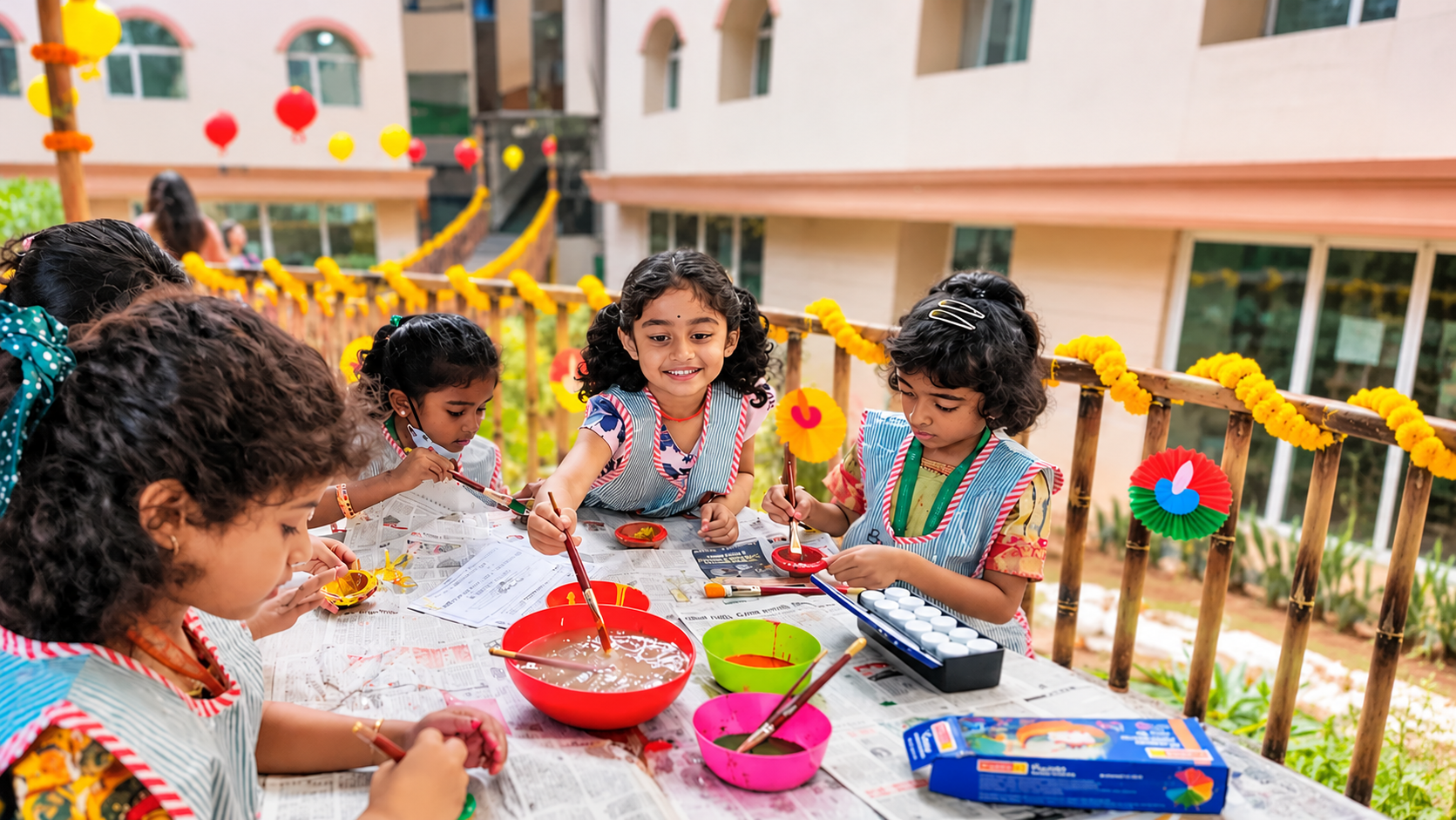
One of the most important aspects of Festivals and Holidays in Boarding Schools is organising celebrations that bring students together. Schools often celebrate major festivals such as Diwali, Holi, Christmas, Eid, Dussehra and other cultural occasions.
These celebrations may include:
- Cultural performances and traditional dances
- Music, singing and festive competitions
- Decoration of classrooms and common areas
- Special assemblies and cultural presentations
- Traditional food and festive activities
Such celebrations allow students to learn about different traditions while enjoying the festive atmosphere with their classmates. Festivals and Holidays in Boarding Schools can therefore become opportunities for cultural learning, friendship and community participation.
2. Creating a Home-Like Environment During Festivals
Being away from home during festivals can make some students miss their families. Boarding schools try to create a welcoming environment so that students do not feel left out during important occasions.
Schools may organise special meals, decorate residential areas, arrange group activities and encourage students to celebrate together. House parents, teachers and hostel staff can also help students feel supported.
Creating a home-like atmosphere is an important part of Festivals and Holidays in Boarding Schools. Although a school cannot replace the experience of celebrating with family, a caring residential environment can help students enjoy the occasion with friends and mentors. These thoughtful arrangements make Festivals and Holidays in Boarding Schools more meaningful for students living away from home.
3. Special Food and Festive Dining Arrangements
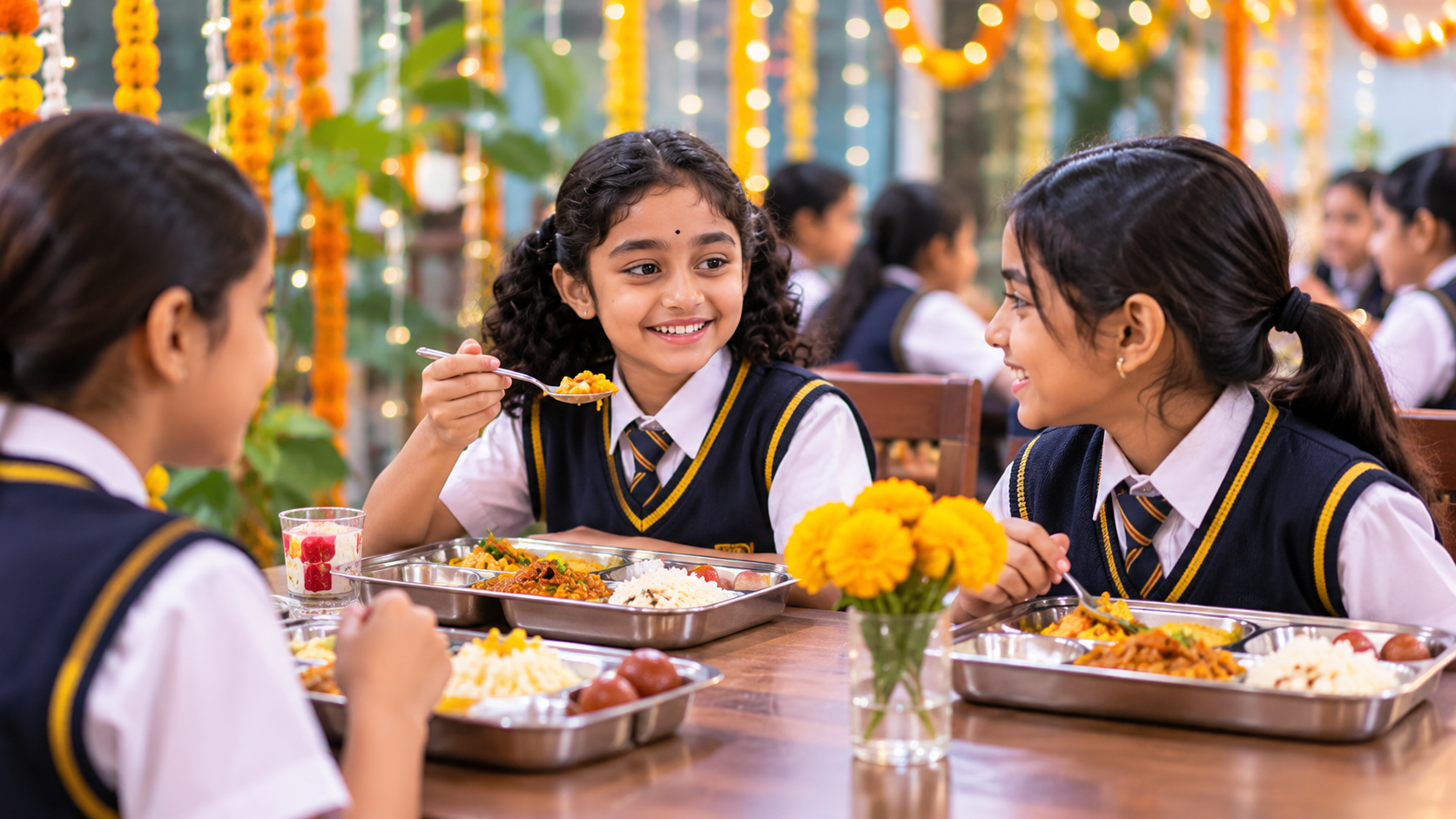
Food is an important part of many festivals. Traditional dishes and sweets often make celebrations more memorable. Boarding schools may arrange special menus to reflect the occasion and introduce students to different festive cuisines.
Depending on the festival, arrangements may include:
- Traditional sweets and snacks
- Special lunch or dinner menus
- Regional festive dishes
- Meals representing different cultural traditions
- Appropriate dietary alternatives
Special dining arrangements add to the experience of Festivals and Holidays in Boarding Schools. They also give students an opportunity to learn about food traditions from different regions and communities. Including festive meals in Festivals and Holidays in Boarding Schools helps create a familiar and enjoyable celebration for students.
4. Cultural Programmes and Traditional Activities
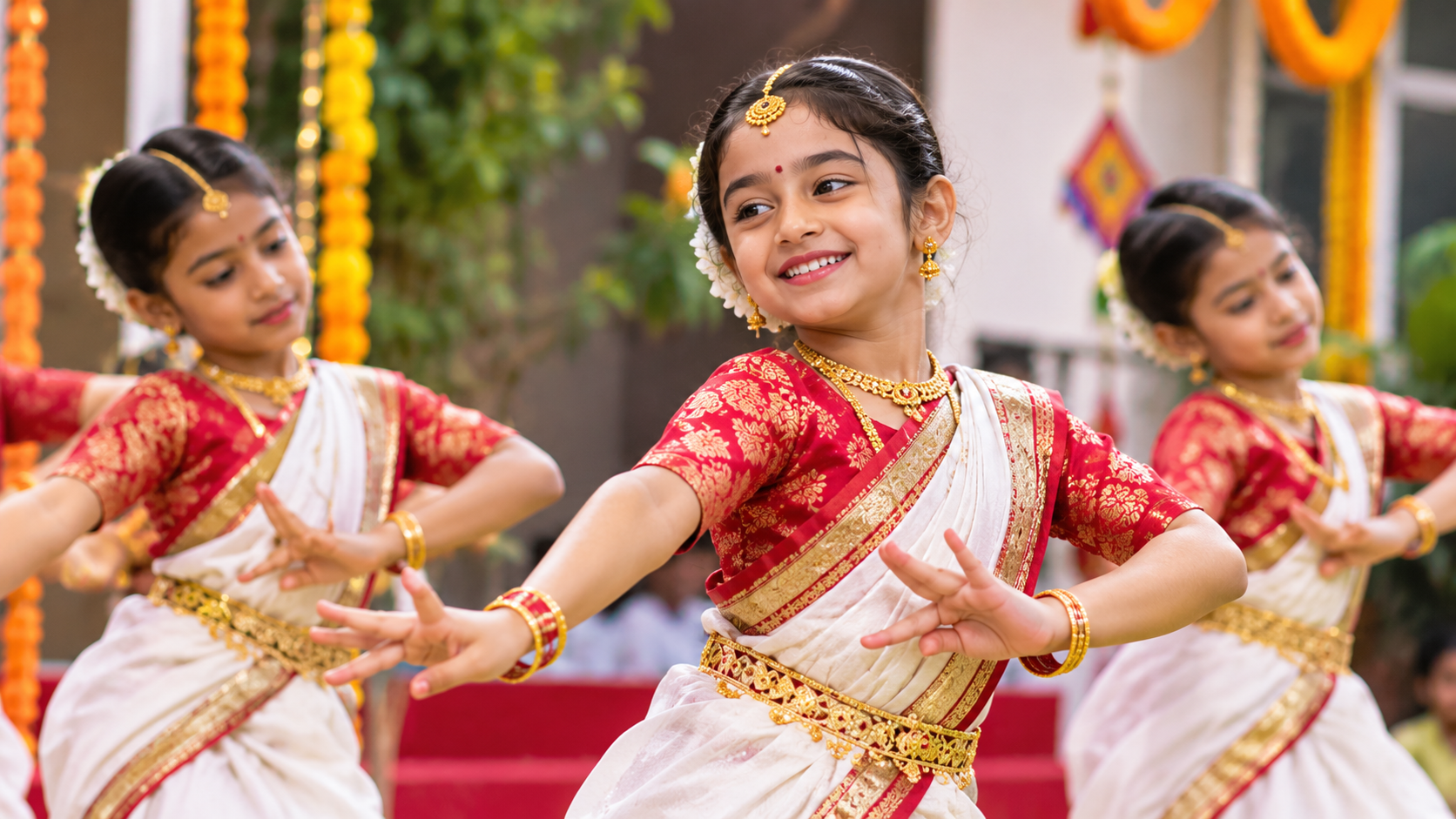
Cultural programmes are another way boarding schools make festivals enjoyable. Students may participate in dance performances, music, drama, art competitions, storytelling and traditional games.
These activities allow students to contribute to celebrations rather than simply attend them. They can also develop communication, creativity, teamwork and organisational skills.
Through these activities, Festivals and Holidays in Boarding Schools become opportunities for students to understand cultural diversity and appreciate traditions followed by their classmates. Schools can encourage students to share their own customs and learn about others, making Festivals and Holidays in Boarding Schools more inclusive and engaging.
5. How Schools Support Students Who Feel Homesick
Festivals can sometimes increase feelings of homesickness, particularly among students celebrating away from their families for the first time. Boarding schools need to recognise that every student responds differently to these situations.
Schools may provide support through:
- Regular communication with parents, according to school policies
- Guidance from teachers, wardens and house parents
- Group activities with friends
- Access to counselling or student support services when needed
- Opportunities to participate in festival celebrations
The emotional side of Festivals and Holidays in Boarding Schools deserves attention. A supportive environment, understanding staff and positive peer relationships can help students adjust to residential life during special occasions. Proper emotional support is an essential consideration when planning Festivals and Holidays in Boarding Schools.
6. Holiday Breaks and Travel Arrangements for Students
Holiday arrangements are an important part of residential school planning. Many boarding schools provide scheduled breaks during major festivals, winter holidays and summer vacations.
Schools generally communicate holiday dates and departure procedures to parents in advance. They may also share information about transport arrangements, collection timings and return-to-school schedules.
For students who remain on campus during certain holidays, schools may organise supervised activities and suitable residential arrangements, depending on their policies.
Parents should understand the school’s holiday calendar and travel guidelines when evaluating Festivals and Holidays in Boarding Schools. Clear communication helps families plan travel and ensures students know what to expect. Well-organised Festivals and Holidays in Boarding Schools require schools to communicate holiday schedules and travel procedures clearly.
7. Activities for Students Who Stay on Campus During Holidays
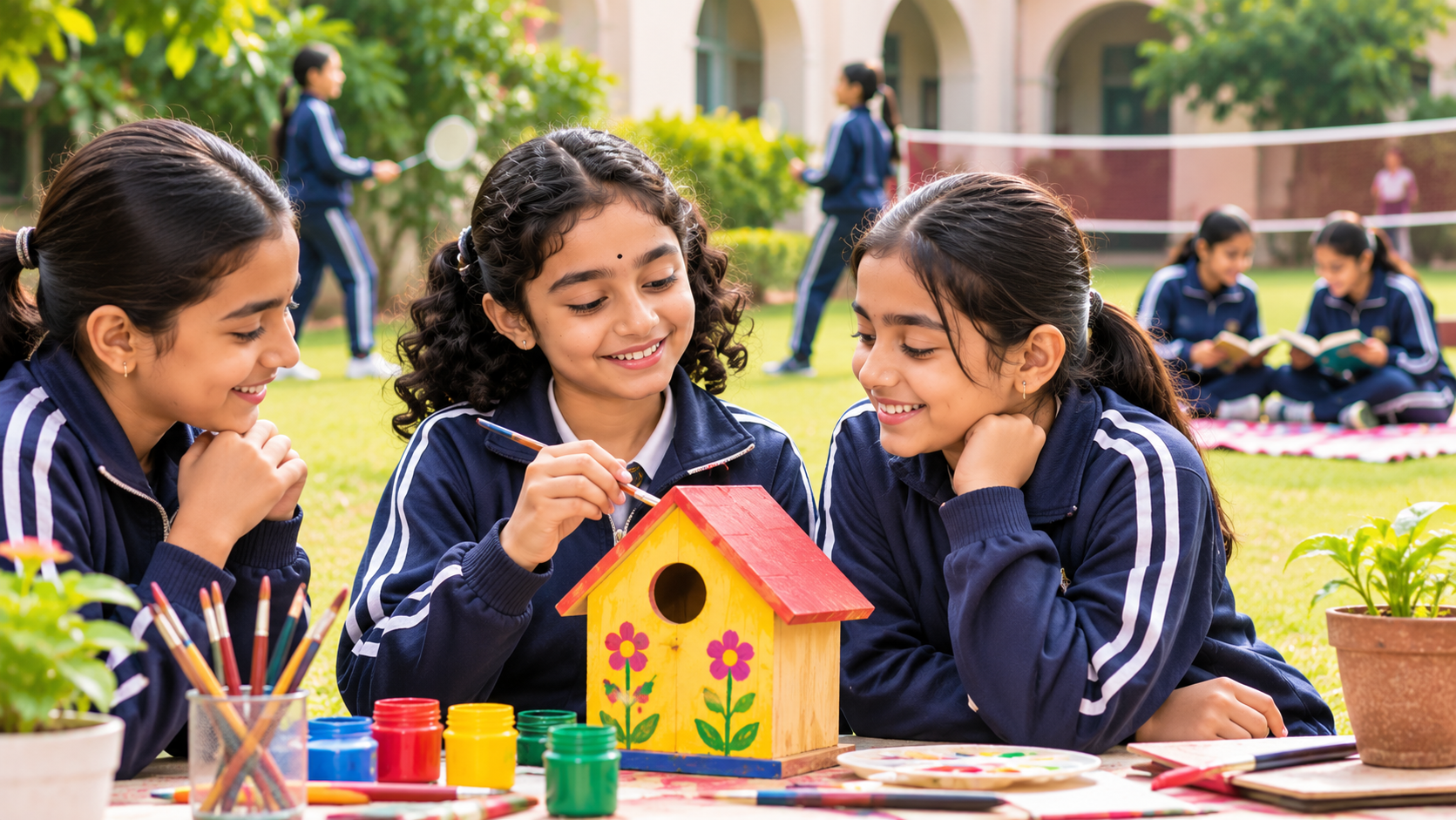
Not every student may be able to travel home during every holiday. Some students may remain at school because of travel difficulties, distance or family circumstances.
Boarding schools that accommodate students during holiday periods may arrange:
- Indoor games and recreational activities
- Sports and outdoor programmes
- Movie screenings and group entertainment
- Art, craft and creative workshops
- Reading and hobby activities
- Supervised outings, where permitted
These activities help students maintain a positive routine. Festivals and Holidays in Boarding Schools should include appropriate arrangements for students who remain on campus so they continue to feel included and supported. Such planning ensures that Festivals and Holidays in Boarding Schools consider the needs of students who cannot travel home.
8. Teaching Cultural Awareness and Respect for Different Traditions
Residential schools often bring together students from different states, regions, languages and cultural backgrounds. Festivals provide a natural opportunity to understand these differences.
When schools celebrate multiple cultural occasions, students learn that traditions may vary from one community to another. They can understand the meaning behind celebrations, participate respectfully and appreciate different customs.
This is an important benefit of Festivals and Holidays in Boarding Schools. Students develop cultural awareness, respect and the ability to live cooperatively with people from different backgrounds. By recognising different traditions, Festivals and Holidays in Boarding Schools can promote inclusion and mutual understanding within the school community.
9. How Parents Can Stay Connected During Festivals and Holidays
Parents also play an important role in helping children feel connected during festivals. Even when students are away at school, simple communication can make special occasions feel more familiar.
Parents can:
- Speak with their children during permitted communication hours
- Share family traditions and festive memories
- Send appropriate festive greetings
- Coordinate visits or home travel according to school rules
- Discuss holiday schedules and travel plans in advance
- Encourage children to participate in school celebrations
When parents and schools communicate effectively, Festivals and Holidays in Boarding Schools can become more comfortable and enjoyable for students. Parental involvement also helps make Festivals and Holidays in Boarding Schools a positive experience for children living away from home.
Conclusion
Festivals and holidays are important parts of a student’s cultural and emotional life. For children living away from home, these occasions require thoughtful planning and a supportive school environment.
Through cultural celebrations, special meals, recreational activities, holiday arrangements and emotional support, Festivals and Holidays in Boarding Schools can help students feel included and connected. These experiences also encourage cultural awareness, friendship, independence and a sense of community.
Parents considering residential education should understand how a school manages Festivals and Holidays in Boarding Schools, including holiday breaks and arrangements for students who remain on campus. A well-planned approach can make boarding school life more welcoming throughout the year.
Frequently Asked Questions (FAQs)
Q1. How do boarding schools celebrate festivals with students?
Ans: Boarding schools may organise cultural programmes, traditional food arrangements, decorations, music, dance and group activities. These celebrations are an important part of Festivals and Holidays in Boarding Schools because they bring students together and encourage cultural participation.
Q2. Do boarding schools give holidays during major festivals?
Ans: Many boarding schools provide scheduled breaks during major festivals. However, the holiday calendar varies between schools. Parents should check the academic calendar to understand how Festivals and Holidays in Boarding Schools are scheduled.
Q3. What happens if students cannot go home during festivals?
Ans: Students who remain on campus may be included in school celebrations and supervised recreational activities, depending on the school’s residential arrangements. Schools should explain these arrangements as part of their Festivals and Holidays in Boarding Schools policies.
Q4. How do boarding schools help students who feel homesick during festivals?
Ans: Schools may offer emotional support through house parents, teachers, counsellors and peer activities. Communication with families, where permitted, can also help students feel connected during Festivals and Holidays in Boarding Schools.
Q5. Do boarding schools celebrate festivals from different cultures?
Ans: Many residential schools organise celebrations representing different cultural and regional traditions to encourage inclusion, awareness and mutual respect. This cultural diversity is an important part of Festivals and Holidays in Boarding Schools.
Q6. How can parents know about festival and holiday arrangements?
Ans: Parents can refer to the school’s academic calendar, parent circulars and official communication channels for information about festival celebrations, holiday dates and travel procedures. These details help families understand how Festivals and Holidays in Boarding Schools are managed.