





The teenage years are an important stage of physical, emotional and social development. During this period, girls experience academic pressure, changing friendships, personal expectations and new responsibilities. Learning to manage these experiences is an essential part of growing up. This is why Building Resilience in Teenage Girls should be an important part of education and personal development.
Resilience is the ability to adapt to challenges, learn from setbacks and respond to difficult situations with appropriate support. It does not mean avoiding problems or pretending to be strong all the time. Instead, it involves understanding emotions, developing coping skills and learning when to ask for help.
Building Resilience in Teenage Girls helps them develop confidence, emotional awareness, independence and problem-solving abilities. Parents, teachers and schools can encourage these qualities through positive relationships, practical activities and opportunities to make age-appropriate decisions.
1. Understanding the Importance of Resilience in Teenage Girls

The importance of resilience in teenage girls becomes particularly clear during adolescence. Academic expectations, friendship changes, social pressure and personal challenges can sometimes affect a teenager’s confidence and emotional wellbeing.
Building Resilience in Teenage Girls helps them understand that difficulties are a normal part of life and that setbacks do not define their abilities. Instead of giving up when something becomes challenging, girls can learn to identify the problem, consider possible solutions and seek guidance.
The importance of resilience can be seen in several areas:
- Developing confidence when facing unfamiliar situations.
- Learning to manage everyday challenges.
- Improving emotional awareness and communication.
- Developing problem-solving and decision-making skills.
- Adapting to changes in school and personal life.
- Understanding the value of seeking support.
Resilience develops gradually through experience, encouragement and practice. Therefore, Building Resilience in Teenage Girls should involve everyday learning opportunities rather than a one-time activity or workshop.
2. Developing Emotional Strength in Teenage Girls
Emotional resilience in teenagers involves recognising feelings, understanding their causes and responding to them appropriately. Teenage girls may experience disappointment, frustration, nervousness or uncertainty while managing academic and social responsibilities.
Building Resilience in Teenage Girls requires teaching them that experiencing difficult emotions is normal. Emotional strength does not mean hiding feelings or remaining positive in every situation. It means understanding emotions and finding healthy ways to manage them.
Parents and teachers can support emotional development by:
- Encouraging girls to express their feelings openly.
- Listening to their concerns without immediate judgement.
- Helping them recognise situations that create stress.
- Teaching respectful communication.
- Encouraging healthy relaxation activities.
- Providing access to trusted adults and counsellors.
Developing emotional strength in teenage girls also involves creating an environment where they feel safe discussing their concerns. Building Resilience in Teenage Girls becomes more meaningful when girls know that they can ask for help without feeling embarrassed or judged.
3. Developing Confidence and Self-Esteem
Confidence plays an important role in how teenage girls approach new experiences and responsibilities. Developing confidence in teenage girls means helping them recognise their abilities, express their opinions and participate in activities without unnecessary fear of failure.
Building Resilience in Teenage Girls is closely connected to self-esteem because girls who recognise their personal strengths may find it easier to approach challenges constructively.
Parents and schools can encourage confidence through the following approaches:
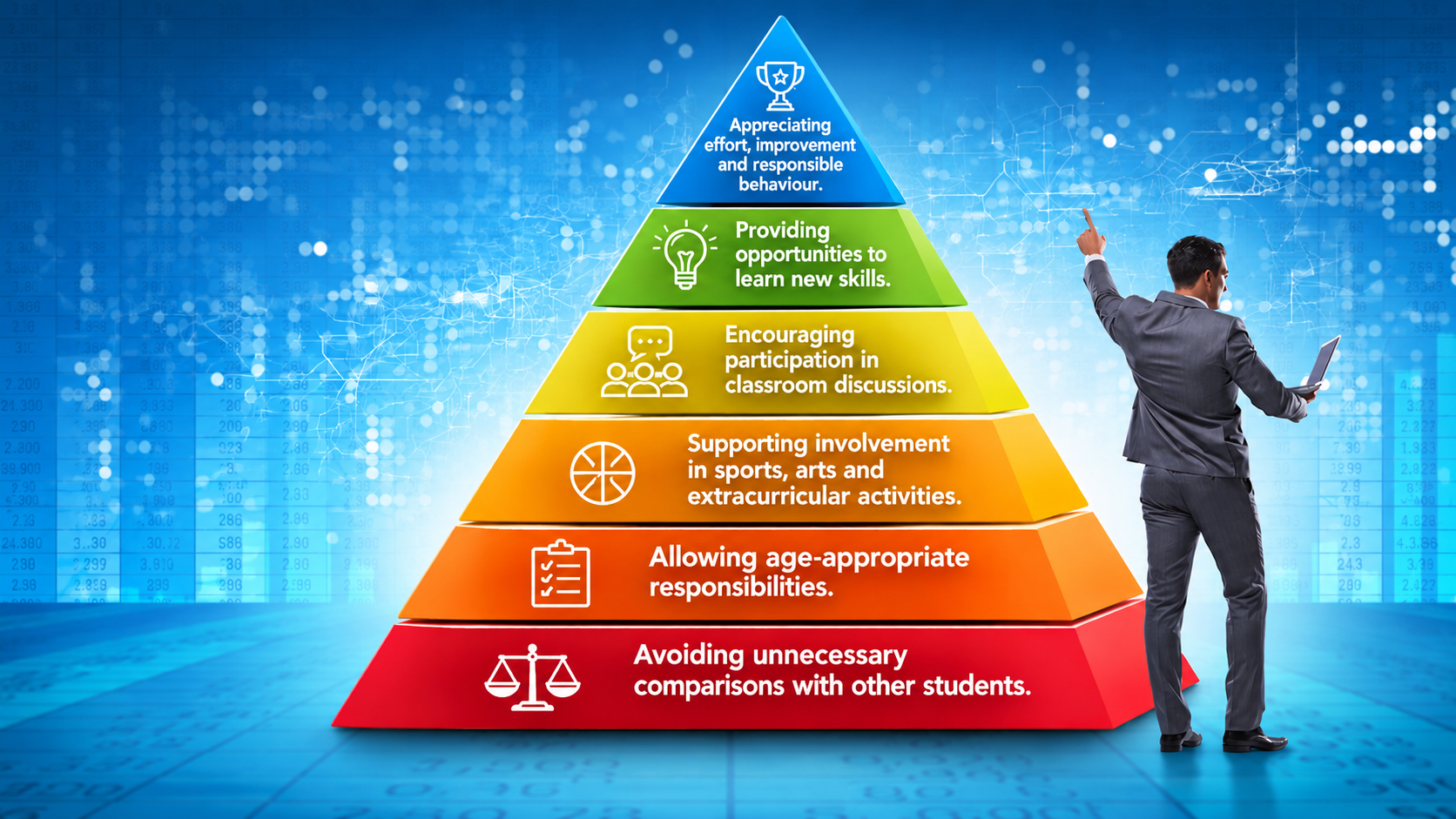
- Appreciating effort, improvement and responsible behaviour.
- Providing opportunities to learn new skills.
- Encouraging participation in classroom discussions.
- Supporting involvement in sports, arts and extracurricular activities.
- Allowing age-appropriate responsibilities.
- Avoiding unnecessary comparisons with other students.
Self-esteem and resilience in girls develop through positive experiences, supportive relationships and opportunities to learn independently.
An important part of Building Resilience in Teenage Girls is teaching them that mistakes are opportunities for learning. One disappointing result or unsuccessful attempt does not determine a person’s abilities or future potential.
4. Teaching Coping Skills for Teenage Girls
Coping skills for teenage girls help them respond to difficult situations in practical and healthy ways. These skills can be useful when managing academic pressure, friendship disagreements, changing responsibilities and unexpected disappointments.
Teaching resilience to teenagers should involve practical techniques that they can use in everyday situations.
Some useful coping skills include:
Breaking Problems into Smaller Steps: A difficult task may feel more manageable when divided into smaller and realistic actions.
Seeking Guidance: Talking to a trusted parent, teacher or counsellor can help girls understand situations from different perspectives.
Practising Relaxation: Hobbies, gentle physical activity and quiet reflection can provide healthy breaks from daily responsibilities.
Learning from Setbacks: Girls can reflect on what happened, identify what they learned and consider what they might do differently next time.
Setting Realistic Goals: Small and achievable goals help teenagers recognise their progress and develop responsibility.
These coping skills make Building Resilience in Teenage Girls more practical because they provide strategies that can be applied at school, at home and in social situations.
5. Developing a Positive Mindset and Growth Mindset
Developing a positive mindset in teenagers does not mean ignoring problems or expecting every situation to have a perfect outcome. It means recognising challenges while remaining open to learning and improvement.
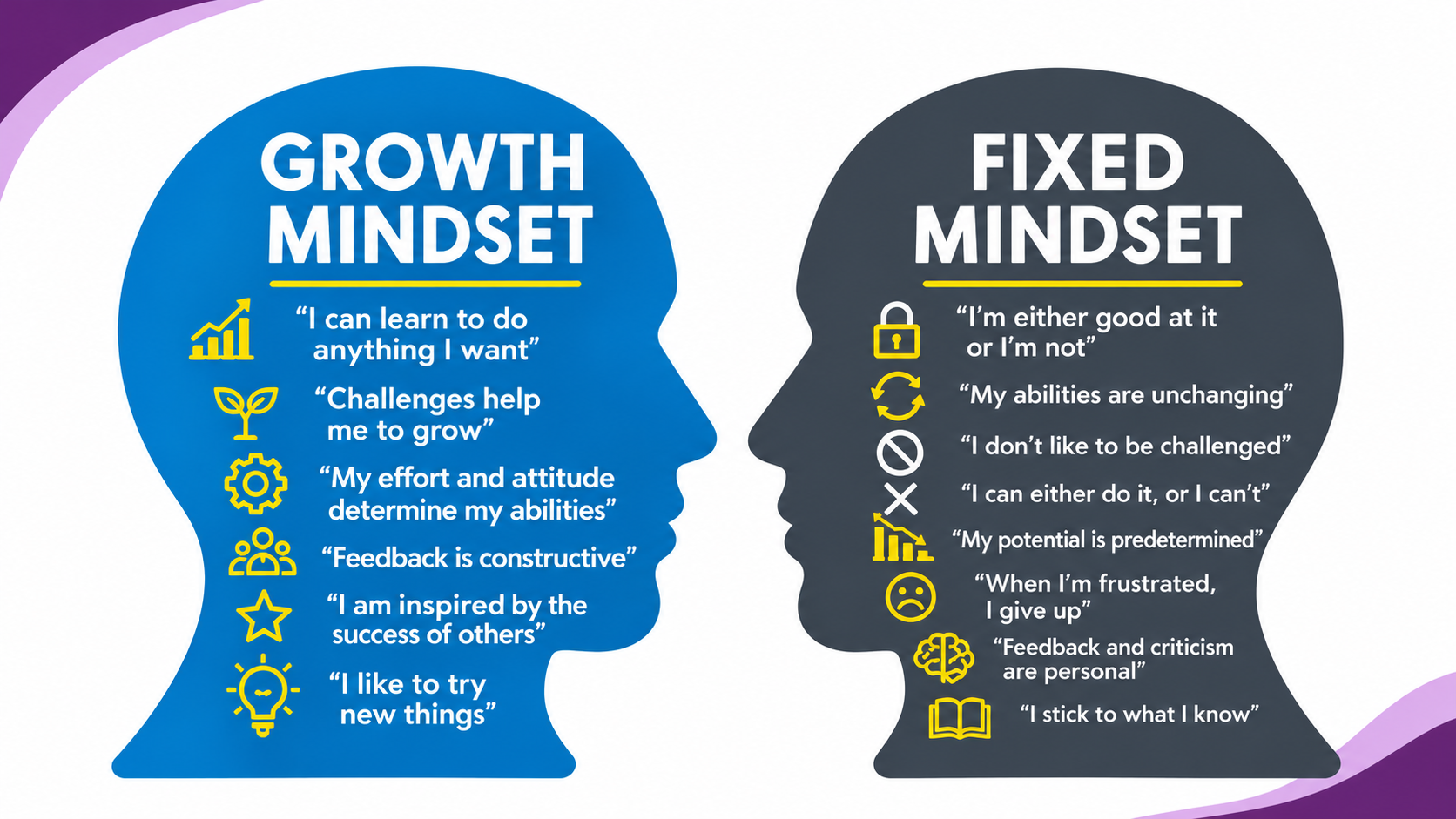
A growth mindset encourages students to understand that abilities can develop through practice, guidance and experience. This approach is useful for Building Resilience in Teenage Girls because it teaches them to focus on learning rather than becoming discouraged by mistakes.
Schools can introduce growth mindset activities for students, such as:
- Reflecting on lessons learned from a completed project.
- Setting personal learning goals.
- Discussing how regular practice improves skills.
- Recognising effort and gradual progress.
- Trying unfamiliar activities and learning from the experience.
Building Resilience in Teenage Girls also involves teaching girls that asking questions, taking breaks and seeking support are responsible choices. A positive mindset should never require them to ignore their feelings or hide genuine difficulties.
6. Managing Stress and Overcoming Challenges During Adolescence
Managing stress during teenage years is an important part of emotional wellbeing. Schoolwork, examinations, extracurricular activities and social relationships can sometimes create pressure.
Overcoming challenges during adolescence requires practical skills, realistic expectations and supportive relationships. Building Resilience in Teenage Girls can help girls recognise when they are experiencing pressure and consider healthy ways to respond.
Some useful approaches include:
- Maintaining a balanced daily routine.
- Organising academic tasks according to priority.
- Taking appropriate breaks during study sessions.
- Participating in enjoyable recreational activities.
- Maintaining communication with trusted people.
- Seeking professional support when difficulties persist.
Schools can support Building Resilience in Teenage Girls by organising wellbeing workshops, providing access to counselling and encouraging students to discuss their concerns.
Yoga, mindfulness, sports and creative activities can also provide opportunities for relaxation and personal expression. However, these activities should complement appropriate support rather than replace professional help when it is needed.
7. Developing Problem-Solving and Decision-Making Skills
Problem-solving skills for teenage girls help them evaluate situations, consider different solutions and make thoughtful decisions. These abilities become increasingly important as teenagers take on greater responsibilities.
Building Resilience in Teenage Girls should include opportunities to practise decision-making in a supportive environment. Students can develop these skills through group projects, classroom discussions, leadership activities and everyday responsibilities.
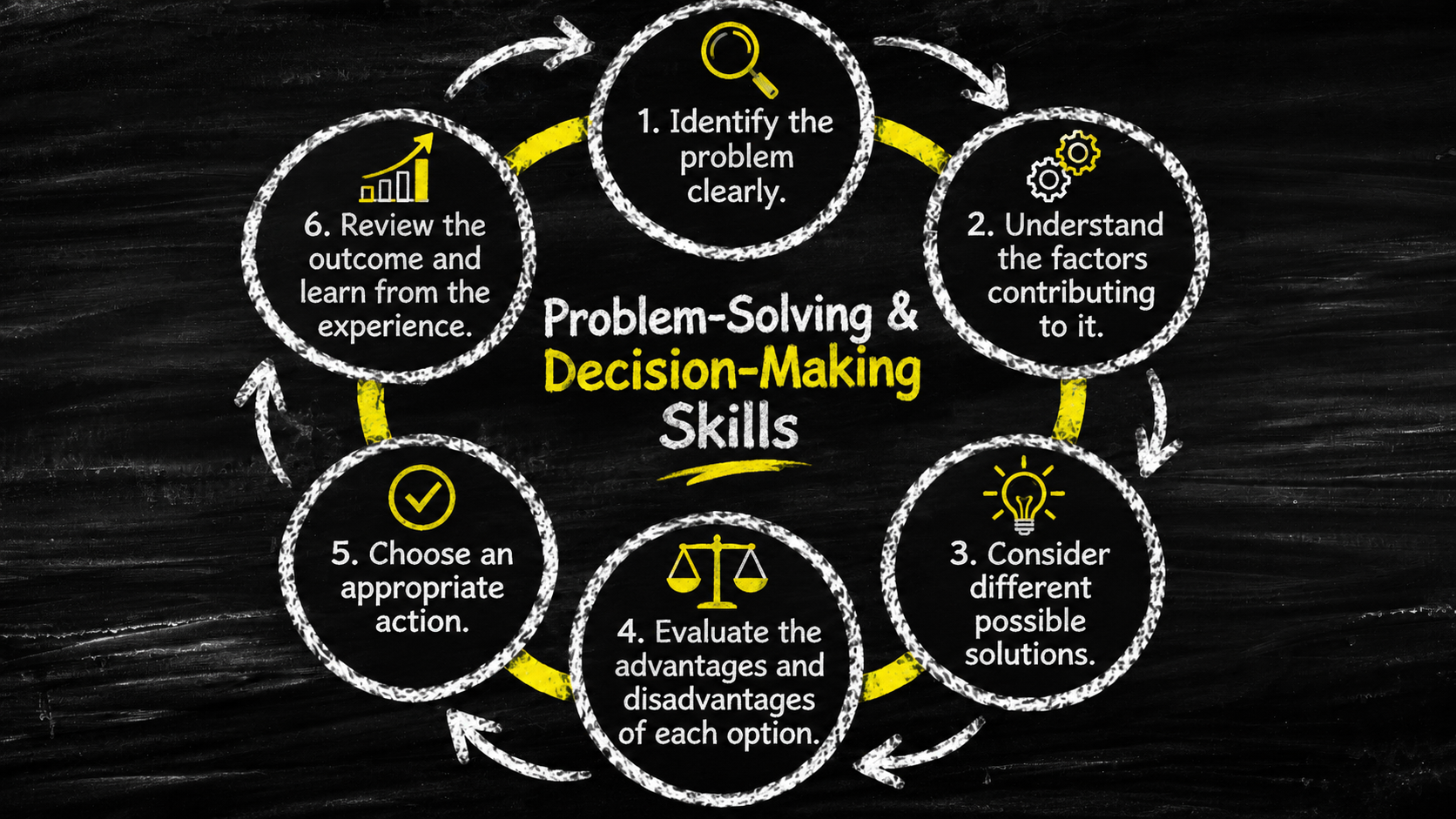
A simple problem-solving process includes:
- Identify the problem clearly.
- Understand the factors contributing to it.
- Consider different possible solutions.
- Evaluate the advantages and disadvantages of each option.
- Choose an appropriate action.
- Review the outcome and learn from the experience.
Developing independence and decision-making skills does not mean leaving teenagers without guidance. Parents and teachers should provide appropriate support while allowing girls to take responsibility for suitable decisions.
Through regular practice, Building Resilience in Teenage Girls can help learners become more confident when dealing with unfamiliar situations and everyday responsibilities.
8. The Role of Parents in Building Resilience
Parents play an important role in helping teenage girls develop confidence, emotional strength and independence. A supportive home environment allows girls to discuss their experiences, express concerns and learn from mistakes.
The role of parents in building resilience includes:
- Listening to concerns with patience and understanding.
- Encouraging honest and respectful communication.
- Avoiding unnecessary comparisons with other teenagers.
- Supporting age-appropriate independence.
- Helping girls develop practical problem-solving skills.
- Maintaining realistic expectations.
- Seeking additional support when required.
Parents should avoid solving every problem on behalf of their children. Instead, they can guide them through the decision-making process and help them understand possible consequences.
Building Resilience in Teenage Girls becomes more effective when parents provide emotional support while also allowing opportunities for independent learning. Their encouragement can help girls recognise their strengths and develop confidence in their abilities.
9. The Role of Schools in Developing Resilience
Schools provide opportunities for students to learn, interact, participate in activities and develop social skills. They can play an important role in Building Resilience in Teenage Girls by creating an environment where students feel respected, included and supported.
Some effective school initiatives include:
Social and Emotional Learning: Classroom activities can help students understand emotions, develop empathy and communicate respectfully.
Leadership Opportunities: Student councils, group projects and extracurricular activities can encourage responsibility and decision-making.
Counselling Support: Access to trained counsellors can help students discuss academic, social and personal concerns.
Positive Teacher Relationships: Supportive teachers can encourage students to learn from mistakes and approach challenges constructively.
Resilience-Building Activities: Schools can organise teamwork exercises, reflection activities, problem-solving tasks and life-skills workshops.
In girls’ boarding schools, supervised residential activities and shared responsibilities can provide additional opportunities to practise independence, cooperation and communication.
By introducing these initiatives, schools can make Building Resilience in Teenage Girls a meaningful part of their student development programmes.
10. Building Resilience Through Life Skills and Healthy Relationships
Life skills for teenage girls include communication, time management, decision-making, problem-solving and self-awareness. These abilities help them manage responsibilities and develop healthy relationships.
Healthy relationships and peer pressure management are also important aspects of resilience. Teenage girls should learn to recognise respectful behaviour, communicate personal boundaries and seek help when they feel uncomfortable or pressured.
Schools and families can encourage:
- Respectful communication and active listening.
- Teamwork and cooperation.
- Awareness of personal boundaries.
- Responsible use of digital platforms.
- Confidence to make independent choices.
- Recognition of unhealthy peer pressure.
- Willingness to seek guidance when needed.
Building Resilience in Teenage Girls also involves helping them understand that independence does not mean isolation. Supportive friendships, family relationships and trusted adults can provide valuable guidance during challenging situations.
Conclusion
Resilience is an important life skill that helps teenage girls adapt to change, learn from setbacks and approach challenges with greater confidence. Building Resilience in Teenage Girls requires more than encouraging them to remain positive. It involves developing emotional awareness, practical coping skills, problem-solving abilities and supportive relationships.
Parents and schools can contribute by creating safe environments, encouraging independence and providing opportunities for girls to develop new skills. They should also remind teenagers that seeking help is a responsible choice, not a weakness.
Through consistent guidance and encouragement, Building Resilience in Teenage Girls can support personal growth and prepare young learners to approach future responsibilities with greater confidence, adaptability and self-awareness.
Frequently Asked Questions (FAQs)
Q1. What does resilience mean for teenage girls?
Ans: Resilience is the ability to adapt to challenges, learn from setbacks and respond to difficult situations in healthy ways. It also includes recognising when support is needed.
Q2. Why is building resilience important during adolescence?
Ans: Building Resilience in Teenage Girls helps develop emotional awareness, confidence, problem-solving abilities and healthy coping skills as girls manage academic and social responsibilities.
Q3. How can parents help teenage girls develop resilience?
Ans: Parents can encourage open communication, listen without judgement, support age-appropriate independence and help girls learn from everyday experiences.
Q4. What activities help with building resilience in teenage girls?
Ans: Teamwork exercises, creative activities, leadership opportunities, goal-setting tasks, group discussions and problem-solving activities can encourage resilience and personal development.
Q5. How can schools support emotional resilience in teenage girls?
Ans: Schools can provide counselling support, social and emotional learning programmes, positive teacher relationships, leadership opportunities and a safe environment for communication.
Q6. What is the connection between confidence and resilience?
Ans: Confidence can help girls approach unfamiliar situations and recover from setbacks. Resilience helps them adapt, learn and seek support when challenges arise. Both contribute to personal development.