






Education plays an important role in shaping confident, independent and capable individuals. However, the learning environment can also influence how students participate, communicate and develop their abilities. Girls-Only Education offers an educational setting where girls can focus on academic learning, explore their interests and develop leadership skills in an environment designed around their educational needs.
The importance of girls-only education goes beyond academic performance. It can provide opportunities for girls to take responsibility, participate in classroom discussions, lead school activities and build confidence. These experiences can help prepare them for future responsibilities in higher education, professional life and society.
At the same time, girls-only education should not be considered the only effective approach to educating girls. Co-educational schools can also provide excellent opportunities for learning and development. The real focus should be on providing equal opportunities, quality teaching and an environment where every student feels respected and encouraged.
1. Creating Opportunities for Girls to Take Leadership Roles

One of the important benefits of girls-only education is the opportunity for students to take leadership responsibilities. In an all-girls school, students can participate in activities such as student councils, house competitions, school events, clubs and academic projects.
These responsibilities allow girls to practise decision-making, teamwork, communication and problem-solving. Instead of simply following instructions, students get opportunities to organise activities, represent their classmates and take responsibility for group outcomes.
Girls-only education can also encourage students to explore leadership roles that they might hesitate to pursue in other environments. However, this depends on how the school distributes responsibilities and encourages participation. Leadership opportunities should be available to students with different interests, abilities and personalities.
2. Building Confidence and Self-Esteem

Confidence is an important part of personal development. Students need to feel comfortable expressing their opinions, asking questions and sharing their ideas. A supportive school environment can help them develop these abilities gradually.
In Girls-Only Education, classroom activities, presentations, debates and group discussions can provide regular opportunities for girls to express themselves. When students are encouraged to participate without being judged or discouraged, they can become more comfortable communicating their thoughts.
The benefits of girls-only education can also extend to self-esteem. Taking part in competitions, leading projects and receiving constructive feedback can help students recognise their strengths.
However, confidence does not develop automatically because a school is girls-only. Teachers, school policies, classroom culture and individual support all play important roles in creating an environment where students feel valued.
3. Encouraging Participation in Academics and Extracurricular Activities

A balanced education includes academic learning as well as activities that support creativity, communication and practical skills. Girls-only education can create opportunities for students to explore subjects and activities without limiting their interests through traditional gender expectations.
Schools can encourage girls to participate in science exhibitions, mathematics competitions, technology projects, sports, public speaking, music, theatre and other activities. Such opportunities allow students to discover their interests and develop new abilities.
An important aspect of girls-only education is ensuring that girls receive encouragement across different academic and extracurricular areas. For example, students should have equal opportunities to explore science and technology as well as literature, arts and sports.
The quality of these opportunities depends on the school’s facilities, teachers, resources and approach to student participation rather than its admission policy alone.
4. Challenging Gender Stereotypes Through Education
Gender stereotypes can influence how young people view their abilities and future opportunities. Some students may grow up believing that particular subjects, careers or leadership positions are more suitable for one gender than another.
Girls-only education can help challenge these assumptions by encouraging students to explore a wide range of academic subjects and career interests. Schools can introduce girls to women working in science, business, technology, sports, public administration and other professional fields.
Through discussions, classroom projects and career guidance, Girls-Only Education can help students understand that their choices should be based on their interests and abilities rather than traditional expectations.
Teachers also have an important responsibility to avoid reinforcing stereotypes. They should encourage girls to ask questions, experiment with new ideas and consider different career pathways.
5. Developing Communication and Decision-Making Skills

Leadership involves more than holding a position or receiving a title. Effective leaders need to communicate clearly, listen to different viewpoints, solve problems and make responsible decisions.
Girls-Only Education can support the development of these skills through debates, presentations, group assignments, student committees and collaborative projects. These activities give students practical opportunities to express opinions and work towards shared goals.
Decision-making is another important skill. When students are trusted with responsibilities, they learn to consider different options, understand consequences and take ownership of their choices.
The benefits of girls-only education are strongest when schools provide meaningful responsibilities rather than limiting leadership activities to a small group of high-performing students. Every student should have opportunities to contribute and develop at her own pace.
6. Learning from Female Role Models
Female role models can help students understand the different paths women can take in education, employment and public life. Their experiences can challenge limiting assumptions and introduce girls to a wider range of possibilities.
Girls-Only Education provides an opportunity for schools to include women leaders, professionals, entrepreneurs, scientists, athletes and educators in classroom discussions and career guidance programmes.
Schools can organise guest lectures, mentoring sessions, career workshops and interactive discussions with women from different fields. These experiences can help students connect classroom learning with real-world opportunities.
However, role models should represent diverse backgrounds and career journeys. Girls-only education should encourage students to define success according to their own interests and ambitions rather than follow a single idea of achievement.
7. Preparing Girls for Leadership Beyond School
The purpose of education is not limited to examinations or school achievements. Students also need skills that help them participate responsibly in society and adapt to changing professional environments.
Girls-Only Education can contribute to this preparation by offering opportunities to develop independence, teamwork, communication and critical thinking. Activities such as student leadership programmes, community projects, public speaking and career counselling can help girls understand their responsibilities and future choices.
At the same time, leadership in the real world requires the ability to work with people of all genders, backgrounds and experiences. Therefore, Girls-Only Education should include opportunities for students to interact with wider communities through competitions, collaborative projects, educational events and community engagement.
This balanced approach can help students gain confidence in their own abilities while learning to respect different perspectives.
8. The Importance of a Balanced Educational Environment
Although Girls-Only Education offers certain opportunities, it is important to evaluate schools on the quality of education they provide. A girls-only setting does not automatically guarantee better academic results, stronger confidence or greater leadership ability.
Parents should consider several factors before selecting a school:
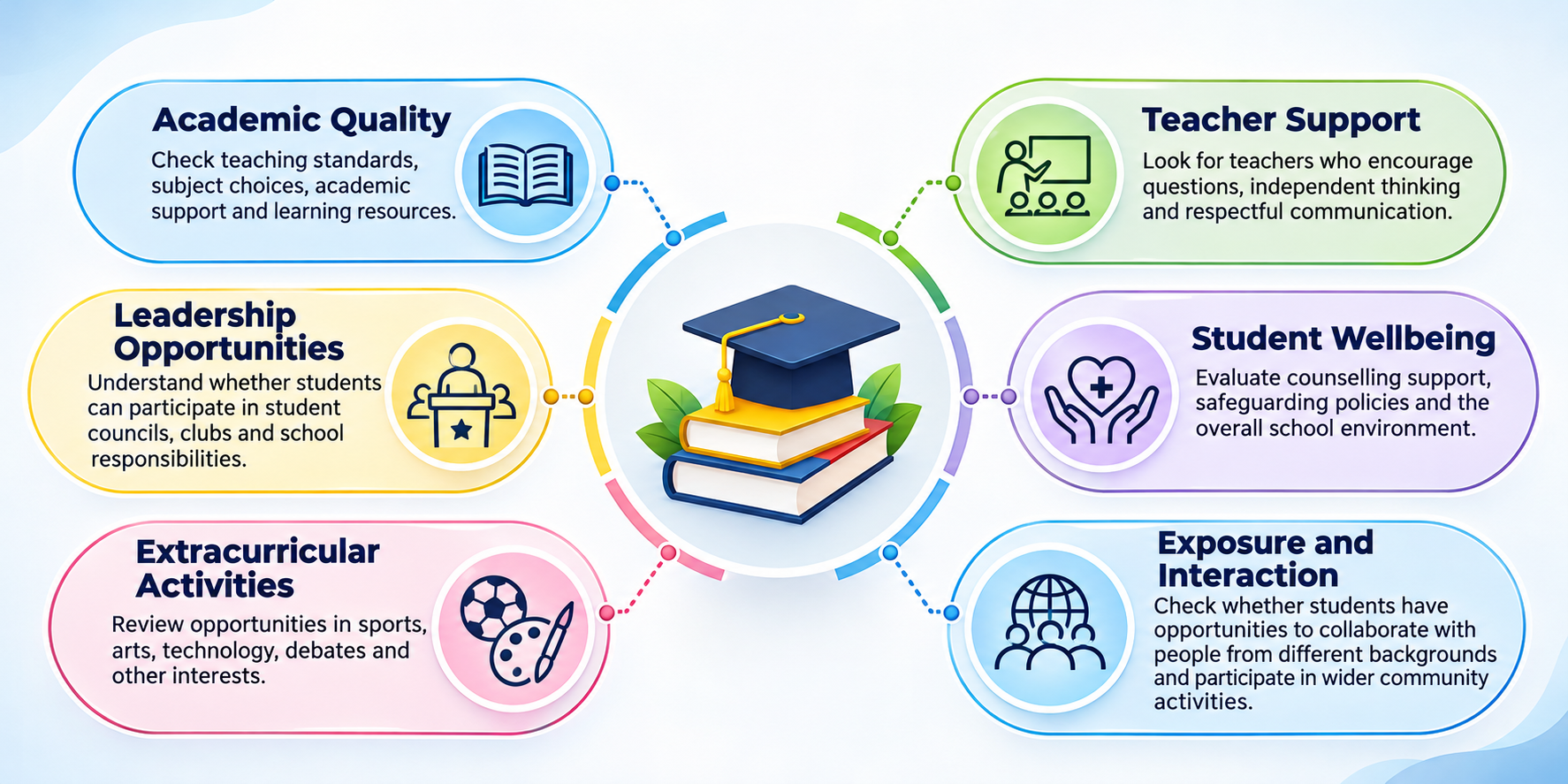
- Academic quality: Check teaching standards, subject choices, academic support and learning resources.
- Leadership opportunities: Understand whether students can participate in student councils, clubs and school responsibilities.
- Extracurricular activities: Review opportunities in sports, arts, technology, debates and other interests.
- Teacher support: Look for teachers who encourage questions, independent thinking and respectful communication.
- Student wellbeing: Evaluate counselling support, safeguarding policies and the overall school environment.
- Exposure and interaction: Check whether students have opportunities to collaborate with people from different backgrounds and participate in wider community activities.
A strong Girls-Only Education programme should focus on the complete development of students rather than relying only on the school’s identity or reputation.
9. Girls-Only Education and Co-Education: Understanding Both Approaches
The discussion around girls-only education and co-education should not be treated as a competition in which one approach is always better than the other. Both educational settings can support academic achievement, personal growth and leadership development.
Girls-only schools may provide a focused environment where students have opportunities to take leadership roles and participate in activities without certain gender-related classroom expectations. Co-educational schools, meanwhile, can offer regular opportunities for students to collaborate with peers of different genders in everyday academic and social settings.
The effectiveness of either approach depends on teaching quality, school culture, student support, facilities and opportunities for participation.
Ultimately, the value of Girls-Only Education should be assessed through the experiences and development of students, not through assumptions that a particular school structure guarantees success.
Conclusion
Girls-Only Education can play a meaningful role in supporting girls’ confidence, academic participation, independence and leadership development. By providing opportunities to take responsibility, explore interests and learn from female role models, schools can help students recognise their abilities and prepare for future challenges.
However, the benefits of Girls-Only Education depend on the quality of the learning environment. Schools must provide strong academics, inclusive participation, effective student support and opportunities to interact with the wider world.
A balanced approach to Girls-Only Education is therefore essential. The objective should not simply be to educate girls separately, but to ensure that every student receives the knowledge, skills and confidence needed to make informed decisions and contribute meaningfully to society.
Frequently Asked Questions
Q1. What is Girls-Only Education?
Ans: Girls-Only Education refers to an educational approach in which girls study in schools or institutions that admit only female students. These schools aim to provide academic learning, extracurricular opportunities and personal development in a girls-only environment.
Q2. What are the main benefits of Girls-Only Education?
Ans: The benefits of Girls-Only Education may include opportunities for leadership, classroom participation, confidence-building and personal development. The actual experience depends on the school’s teaching quality, facilities and student support.
Q3. Does Girls-Only Education help develop leadership skills?
Ans: It can provide opportunities for girls to take leadership roles through student councils, debates, clubs, sports and school activities. These experiences can help develop communication, teamwork and decision-making skills.
Q4. Does Girls-Only Education improve academic performance?
Ans: Not automatically. Academic performance depends on teaching quality, learning resources, student motivation and academic support. Both girls-only and co-educational schools can provide strong academic environments.
Q5. How does Girls-Only Education challenge gender stereotypes?
Ans: It can encourage girls to explore subjects, activities and career options without limiting their choices through traditional gender expectations. Teachers and school programmes play an important role in making this possible.
Q6. Is Girls-Only Education better than co-education?
Ans: Neither approach is universally better. Girls-only and co-educational schools can both support student development. Parents should compare academic standards, leadership opportunities, extracurricular activities, student wellbeing and the overall school environment before making a decision.