





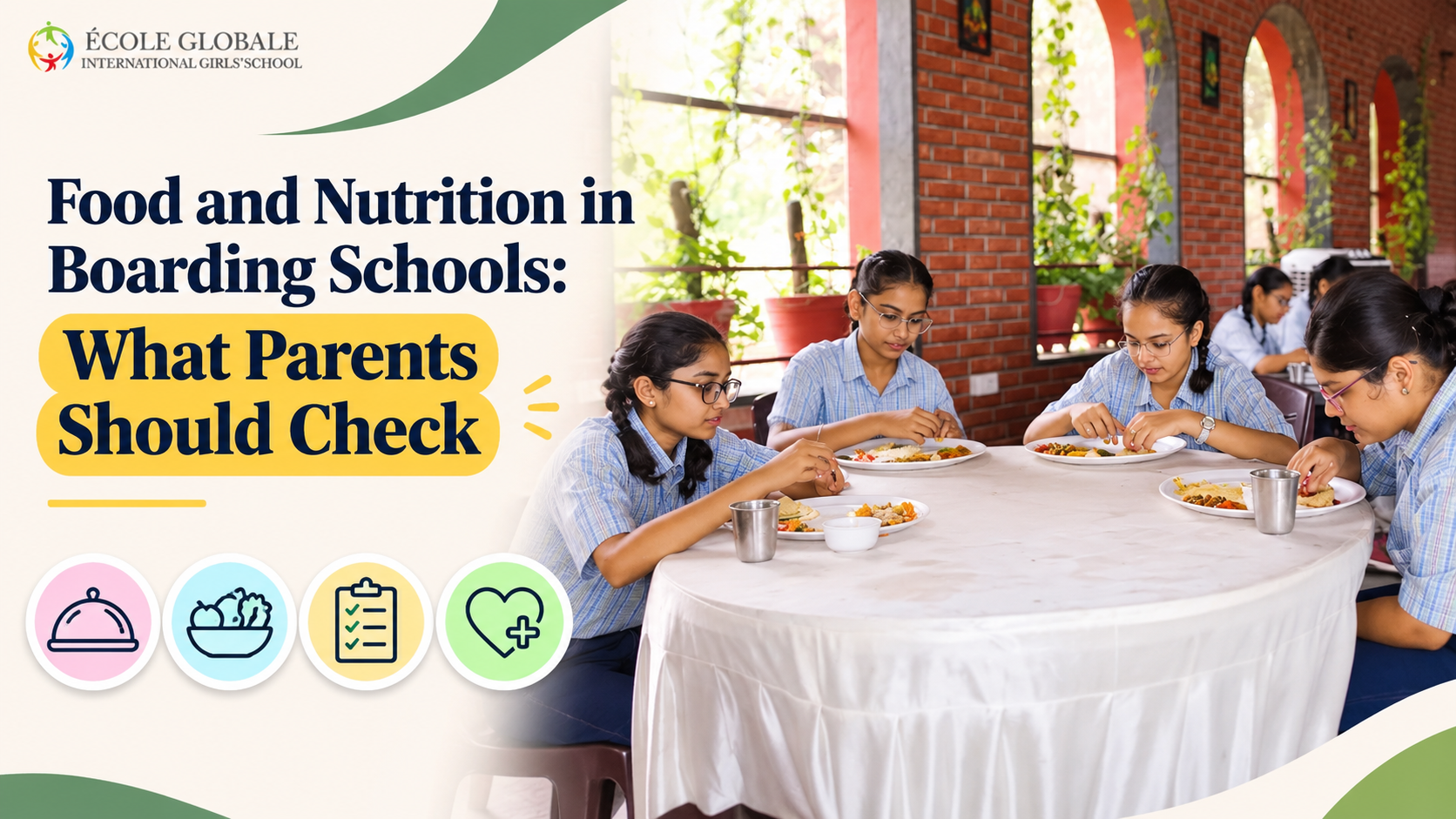
Choosing the right boarding school involves more than checking academic performance, campus facilities and extracurricular activities. Parents must also understand the quality of meals and nutritional arrangements provided to students. Food and nutrition in boarding schools play an important role in supporting students’ growth, everyday wellbeing and healthy development.
When children live away from home, they depend on their school for regular meals and refreshments. Therefore, parents should carefully evaluate the school’s meal plans, food quality, kitchen hygiene and dining facilities before making an admission decision.
Good Food and Nutrition in Boarding Schools should include balanced meals, fresh ingredients, suitable food variety and arrangements for individual dietary requirements. A well-managed food programme can also encourage students to develop healthy eating habits and understand the importance of proper nutrition.
This guide explains the important factors parents should check when evaluating food and nutrition in boarding schools and selecting a suitable residential school for their daughters.
Why Food and Nutrition Matter in Boarding Schools

Food is an essential part of everyday boarding school life. Students follow busy schedules involving classroom learning, homework, sports and extracurricular activities. Their meals should provide a variety of nutrients to support their daily needs.
Food and nutrition in boarding schools should be considered an important part of student wellbeing rather than simply a hostel facility.
A balanced food programme can help students:
- Receive essential nutrients through varied food choices.
- Maintain energy throughout the school day.
- Develop healthy eating habits.
- Support normal physical growth and development.
- Participate comfortably in academic and extracurricular activities.
- Understand the importance of balanced meals.
When evaluating food and nutrition in boarding schools, parents should ask how the institution plans meals and whether the menu considers students’ different age groups and nutritional requirements.
Check the Quality and Variety of Daily Meals
Food quality is one of the first things parents should examine during a boarding school visit. Students depend on school-provided meals regularly, so food should be fresh, hygienically prepared and varied.
Healthy Food in Boarding Schools should include appropriate combinations of grains, pulses, vegetables, fruits, dairy products and other suitable protein sources.
Parents evaluating food and nutrition in boarding schools should check:
- Whether meals include different food groups.
- Whether fresh fruits and vegetables are served regularly.
- Whether the weekly menu offers sufficient variety.
- Whether breakfast provides a suitable start to the day.
- Whether food is prepared and served fresh.
- Whether students receive appropriate meal choices.
A repetitive menu may reduce students’ interest in meals. Therefore, parents should request a sample weekly menu to understand the variety and quality of food offered.
Good food and nutrition in boarding schools should encourage balanced eating while considering students’ preferences and everyday nutritional needs.
Understand the Boarding School Meal Plan
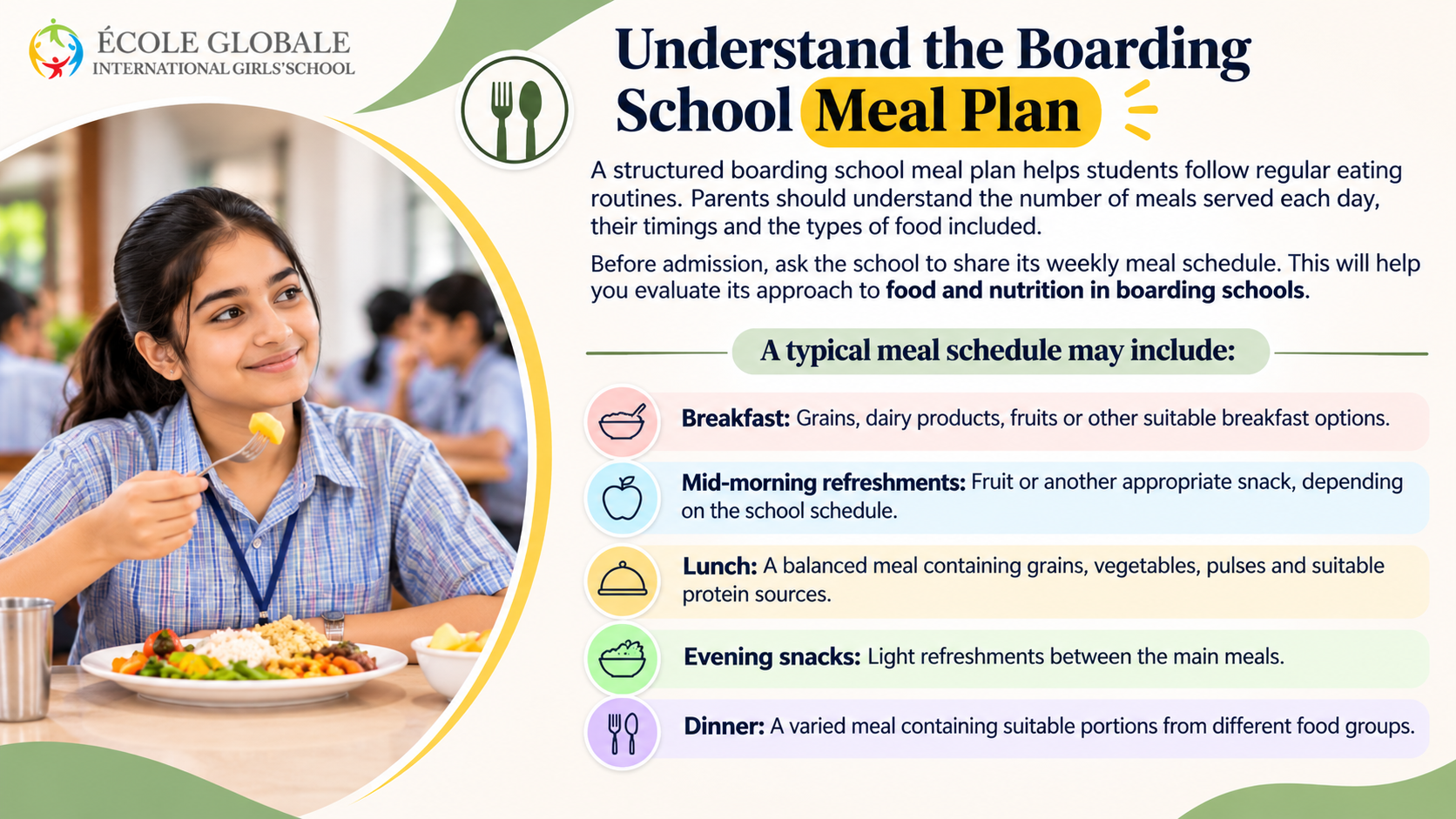
A structured boarding school meal plan helps students follow regular eating routines. Parents should understand the number of meals served each day, their timings and the types of food included.
Before admission, ask the school to share its weekly meal schedule. This will help you evaluate its approach to food and nutrition in boarding schools.
A typical meal schedule may include:
- Breakfast: Grains, dairy products, fruits or other suitable breakfast options.
- Mid-morning refreshments: Fruit or another appropriate snack, depending on the school schedule.
- Lunch: A balanced meal containing grains, vegetables, pulses and suitable protein sources.
- Evening snacks: Light refreshments between the main meals.
- Dinner: A varied meal containing suitable portions from different food groups.
The actual schedule may differ between institutions. Parents should check whether meal timings fit the academic timetable and whether students receive sufficient time to eat.
A good approach to food and nutrition in boarding schools should provide regular meals while accommodating students’ daily routines and individual needs.
Look for Balanced and Nutritious Food Options
A balanced diet for school students should include different food groups rather than depending heavily on one type of food. Parents should understand how the school incorporates essential nutrients into its daily menu.
When reviewing Food and Nutrition in Boarding Schools, check whether meals include suitable sources of carbohydrates, proteins, vitamins, minerals and dietary fibre.
Important food groups include:
- Carbohydrates: Rice, chapati, whole grains and other cereal products provide energy for daily activities.
- Proteins: Pulses, beans, dairy products, eggs, fish and other suitable protein sources support growth and development.
- Fruits and vegetables: These provide vitamins, minerals and dietary fibre.
- Dairy products: Milk, curd and other dairy options provide nutrients such as calcium and protein.
- Healthy fats: Appropriate sources of fats contribute to normal growth and help the body absorb certain vitamins.
Nutritional Requirements for Growing Children vary according to age, health, activity levels and individual circumstances. Parents should ask whether the school’s meal programme is reviewed by a qualified nutrition professional.
Well-planned food and nutrition in boarding schools should provide variety and balance rather than focusing only on the quantity of food served.
Evaluate Kitchen Hygiene and Food Safety Standards
Nutritious meals are important, but food safety deserves equal attention. Poor storage, unsafe preparation practices and unhygienic serving arrangements can create health concerns.
Food hygiene and safety in school kitchens should be a priority when assessing food and nutrition in boarding schools.
During a campus visit, parents should ask about:
- Regular cleaning of kitchen surfaces and equipment.
- Proper storage of raw and cooked ingredients.
- Safe handling of food during preparation.
- Clean cooking utensils and serving equipment.
- Personal hygiene practices followed by kitchen staff.
- Pest-control and waste-management arrangements.
- Procedures for checking the quality of food ingredients.
Parents should also understand how the school monitors kitchen operations and maintains food safety standards.
Observing the dining area and asking about kitchen management can provide useful information about the school’s approach to food and nutrition in boarding schools.
Check Drinking Water Quality and Availability

Safe drinking water is another essential consideration when evaluating food and nutrition in boarding schools. Students need access to clean drinking water throughout the day, including during classes, sports activities and hostel hours.
Parents should check:
- Whether drinking water is available across the campus.
- How frequently water storage tanks are cleaned.
- Whether water purification systems are maintained.
- Whether water quality is tested periodically.
- Whether students can access drinking water during outdoor activities.
Ask the school how frequently drinking water is tested and whether it maintains records of water quality checks.
Reliable access to safe drinking water should be an essential part of the school’s residential facilities and overall student nutrition arrangements.
Ask About Special Dietary Requirements and Food Allergies
Every student may have different dietary preferences, food allergies or specific nutritional requirements. Parents should understand how the school accommodates these needs before completing the admission process.
Special Dietary Requirements for Students may include vegetarian food preferences, food allergies, medically advised dietary adjustments or other individual restrictions.
When discussing food and nutrition in boarding schools, parents should ask:
- Can the school accommodate documented food allergies?
- Are vegetarian meal options available every day?
- Can the kitchen prepare suitable alternatives when required?
- How are students with specific dietary requirements identified?
- Are kitchen and dining staff informed about relevant food allergies?
- What procedures are followed if a student accidentally receives unsuitable food?
Parents should communicate their child’s dietary needs clearly and provide relevant medical documentation where necessary.
Schools may have different policies and facilities for accommodating individual requirements. Therefore, parents should confirm these arrangements directly rather than assuming that every institution can meet every dietary need.
Understand Vegetarian and Non-Vegetarian Food Options
Food preferences can differ between families and students. Some parents prefer vegetarian meals, while others may want their daughters to have access to both vegetarian and non-vegetarian options.
Parents evaluating food and nutrition in boarding schools should understand the institution’s food policy before admission.
Check whether:
- Vegetarian meals are consistently available.
- Non-vegetarian meals are served, if applicable.
- Different food options are provided on specific days.
- Students with dietary preferences have suitable alternatives.
- Food preparation and serving arrangements follow hygiene policies.
Vegetarian and non-vegetarian food options should be clearly explained in the school’s menu and dining policy.
Parents should also check whether students follow a fixed menu or have reasonable choices within the available meal arrangements.
Check How Snacks and Between-Meal Nutrition Are Managed
Students have busy schedules involving classes, homework, sports and extracurricular activities. Therefore, snacks and between-meal nutrition are important considerations when reviewing food and nutrition in boarding schools.
Parents should understand what refreshments are available between the main meals.
Healthy snacks may include:
- Fresh seasonal fruits.
- Milk or curd.
- Nuts, where suitable and permitted.
- Vegetable-based snacks.
- Whole-grain food options.
- Other freshly prepared refreshments.
The school should also explain how snacks are managed during sports events, examinations and other activities that may affect normal meal timings.
Healthy Eating Habits for Students can be encouraged by providing nutritious snacks and helping children understand the importance of varied food choices.
Observe the Dining Environment and Meal Supervision
The dining environment can influence how students experience mealtimes. A clean, organised and comfortable dining hall allows students to enjoy their meals without unnecessary distractions.
When assessing Food and Nutrition in Boarding Schools, parents should observe:
- Cleanliness of dining tables and seating areas.
- Availability of clean plates, glasses and serving utensils.
- Organisation of meal queues.
- Whether students have sufficient time to finish their meals.
- Whether younger students receive appropriate assistance.
- Whether staff members supervise dining arrangements.
- How leftover food and dining waste are managed.
Boarding School Dining Facilities should provide a comfortable environment where students can eat, interact and develop positive mealtime habits.
Parents should also ask how the school supports students who are reluctant to try unfamiliar food or are having difficulty adjusting to the dining routine.
Questions Parents Should Ask About Food and Nutrition in Boarding Schools
Before selecting a residential school, parents should ask specific questions about its food arrangements. These discussions help families understand whether the institution meets their expectations.
Here are ten useful questions about Food and Nutrition in Boarding Schools:
- Who plans and reviews the school’s daily meal menu?
- Can parents see a sample weekly meal plan?
- How does the school ensure food quality and kitchen hygiene?
- Are fresh fruits and vegetables included regularly?
- How frequently is drinking water tested?
- Can the school accommodate food allergies and special dietary requirements?
- Are vegetarian and non-vegetarian options available?
- How are snacks and refreshments managed?
- Are dining areas supervised by school staff?
- Can parents discuss food-related concerns with the school administration?
Parents should request clear answers rather than relying only on general assurances about healthy meals.
Asking these questions can help parents compare the food arrangements of different institutions and make a more informed decision.
Choosing a Boarding School That Prioritises Student Nutrition
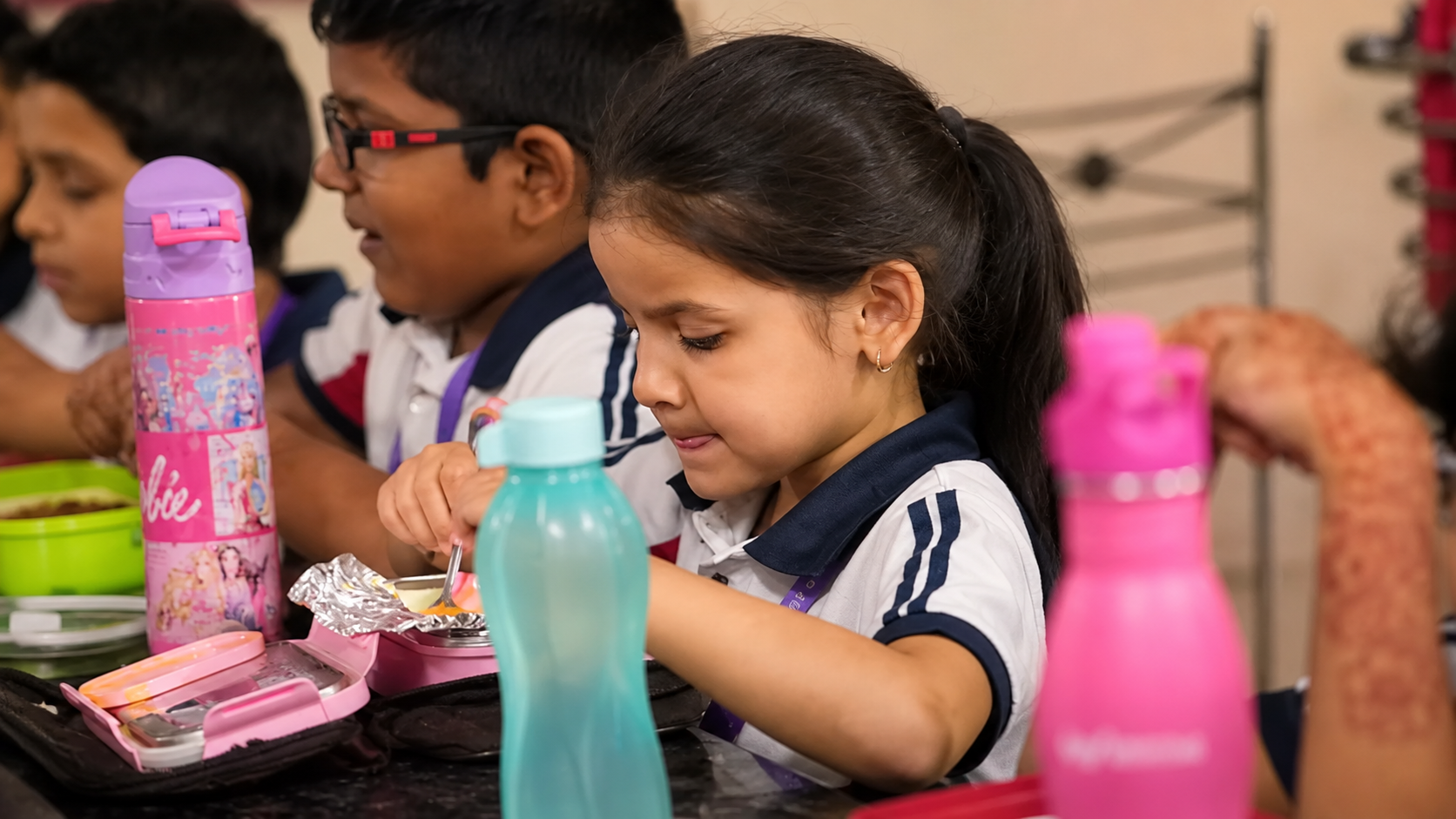
Selecting the right residential school requires evaluating several aspects of student life, and food should be one of the important considerations.
Food and Nutrition in Boarding Schools should reflect a commitment to meal quality, hygiene, variety and the individual needs of students.
Before making a final decision, parents should:
- Review the school’s weekly menu.
- Understand meal timings and dining arrangements.
- Ask about kitchen hygiene and food safety procedures.
- Check the availability of balanced and nutritious meals.
- Discuss special dietary requirements.
- Observe the dining facilities during a campus visit.
- Understand how the school handles food-related concerns.
A residential school should recognise that nutrition is closely connected to students’ everyday wellbeing. Consistent attention to food quality, safe preparation and balanced meal options can contribute to a more supportive boarding school environment.
Conclusion
Food is an important part of everyday boarding school life. Parents should look beyond the availability of a dining hall and examine the quality, variety, hygiene and nutritional value of the meals provided.
Food and Nutrition in Boarding Schools deserve careful consideration because students rely on their institution for regular meals while living away from home. By reviewing meal plans, checking kitchen facilities, discussing dietary requirements and observing dining arrangements, parents can make a more informed school selection decision.
A school that gives proper attention to nutrition, food safety and students’ individual needs can provide a more supportive residential environment for growing children.
Frequently Asked Questions
Q1. Why is food quality important in boarding schools?
Ans: Food quality is important because students depend on school-provided meals for much of their daily nutrition. Fresh, hygienically prepared and varied meals can help support their growth, wellbeing and daily activities. Food and Nutrition in Boarding Schools should therefore receive proper attention from the school administration.
Q2. What should a balanced boarding school meal include?
Ans: A balanced meal should include suitable portions of grains, vegetables, fruits and protein-rich foods. Dairy products and appropriate sources of healthy fats may also form part of a varied meal plan. These food groups are important when evaluating Food and Nutrition in Boarding Schools.
Q3. How can parents check food quality in a boarding school?
Ans: Parents can request a sample weekly menu, observe the dining facilities, ask about kitchen hygiene and understand how the school manages food storage, preparation and serving. These checks help parents evaluate Food and Nutrition in Boarding Schools more effectively.
Q4. Do boarding schools accommodate food allergies?
Ans: Policies differ between institutions. Parents should inform the school about known allergies, provide relevant medical documentation and confirm whether the kitchen can safely accommodate the student’s requirements.
Q5. How often should students receive meals in boarding schools?
Ans: Meal schedules vary between schools. Parents should check whether the school provides regular breakfast, lunch, dinner and suitable refreshments according to students’ daily timetables.
Q6. Should parents check the school kitchen during a campus visit?
Ans: Yes. If access is permitted, observing the kitchen can help parents understand cleanliness, food storage and preparation practices. They can also ask about regular inspections and food safety procedures. These observations provide useful insight into Food and Nutrition in Boarding Schools.