

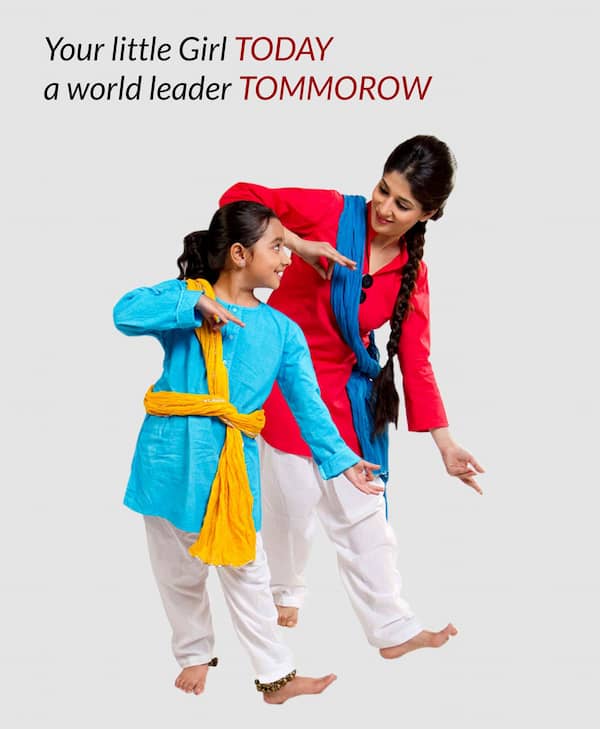
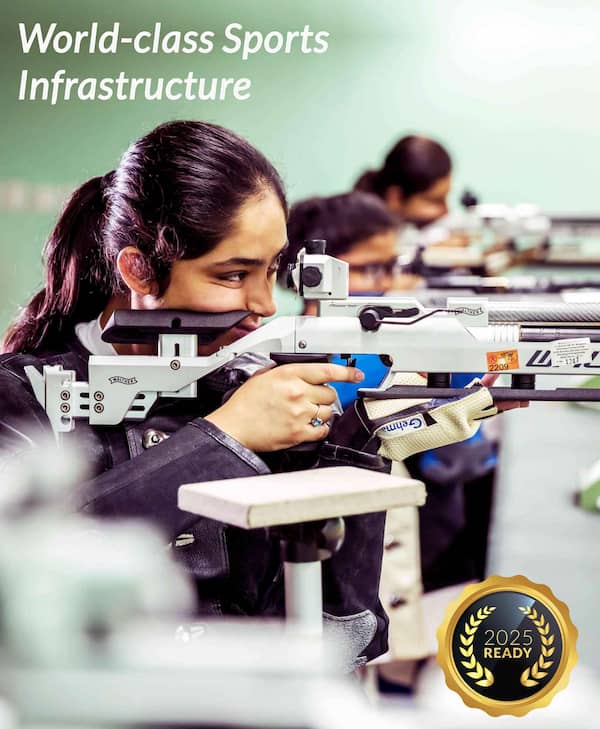

A Girls-only school does more than just separate students by gender. It creates an environment where girls are not competing for attention, are not shying away from leadership roles, and are not second-guessing their academic choices out of social pressure. From science labs to debate stages, the dynamic shifts completely when the space belongs entirely to them.
India has a rich tradition of single-gender schooling, and yet many parents still feel unsure about what it truly offers. This blog breaks that down — honestly, clearly, and without exaggeration.
Understanding the Girls-Only School Model

A girls-only school is an educational institution where all students, teachers (often), and student leadership are female. The curriculum is typically the same as any co-educational school, but the classroom culture, peer interactions, and opportunities are shaped by a single-gender setting.
In India, this model spans from local day schools to prestigious residential institutions. Some of the most academically accomplished women in the country — scientists, judges, entrepreneurs, and civil servants — trace their confidence and ambition directly back to their formative years in a girls-only environment.
What Makes It Different From a Co-Ed School?
The difference is not about restricting exposure to the world. It is about designing a space where girls develop their voice, capabilities, and sense of self before they step into that broader world. In co-ed environments, research consistently shows that girls speak less in class, take fewer risks, and often defer to male peers in group settings — not out of weakness, but because social conditioning runs deep from an early age.
A girls-only school removes that particular dynamic entirely.
Core Academic Benefits

1. Greater Participation in Classroom Discussions
In a room where every student is a girl, there is no hesitation before raising a hand. Teachers report measurably higher classroom participation rates, more questions asked, and more willingness to challenge ideas or admit confusion. Learning becomes a two-way dialogue rather than a performance.
2. Stronger Interest in STEM Subjects
One of the most documented outcomes of single-gender education is girls pursuing science, technology, engineering, and mathematics with far more confidence. When there is no cultural script suggesting that “boys are better at math,” girls naturally explore these subjects based on genuine interest and aptitude. The results speak for themselves — many of India’s top female engineers and doctors come from girls-only schools.
3. Higher Academic Ambition
Without the social distractions that sometimes come with mixed-gender environments during adolescence, students in girls-only schools tend to set higher academic targets for themselves. Teachers can also calibrate their expectations upward — there is no implicit assumption that some students are “not the academic types.”
Personal Development and Leadership

Building Genuine Confidence
Confidence in a girl does not emerge from praise alone — it comes from repeated experiences of being trusted with responsibility, being heard when she speaks, and being recognized for what she does rather than how she looks. A girls-only school creates those experiences daily.
From school captain roles to science fair leads to cultural event organizers, every position of leadership is held by a girl. This may sound simple, but its impact on self-perception is profound. By the time a student graduates, she has a lived understanding of what it feels like to lead, decide, and deliver — without waiting for permission or space.
A Culture of Collaboration Over Competition
One surprising aspect of girls-only schools that parents often discover only after enrollment is how collaborative the culture tends to be. Girls build genuine support systems with each other. Study groups are common. Peer mentoring happens organically. There is less social hierarchy built around appearance and more around talent, effort, and character.
This does not mean there are no challenges or conflicts — it means girls learn to navigate them directly, without the added complexity of gender dynamics.
Social and Emotional Growth

Safe Space for Identity Development
Adolescence is a complicated time for everyone, but girls face a particularly layered set of pressures around body image, social acceptance, and expectations about femininity. A girls-only school offers a more sheltered environment during these years — not in the sense of avoiding real life, but in the sense of allowing a girl to figure out who she is before the world rushes in with its opinions.
Many alumnae of single-gender schools describe their school years as the period when they felt most free to be themselves — to be odd, ambitious, quiet, loud, athletic, artistic, without any of it being filtered through the lens of how boys perceived them.
Mental Health and Focus
Research from various Indian and global educational bodies points to lower anxiety levels among girls in single-gender settings, particularly during exam seasons and social transitions. With fewer social complications and a clearer peer culture, students often report better sleep, more manageable stress, and stronger emotional regulation by mid-secondary school.
Why Boarding Schools Take This Further
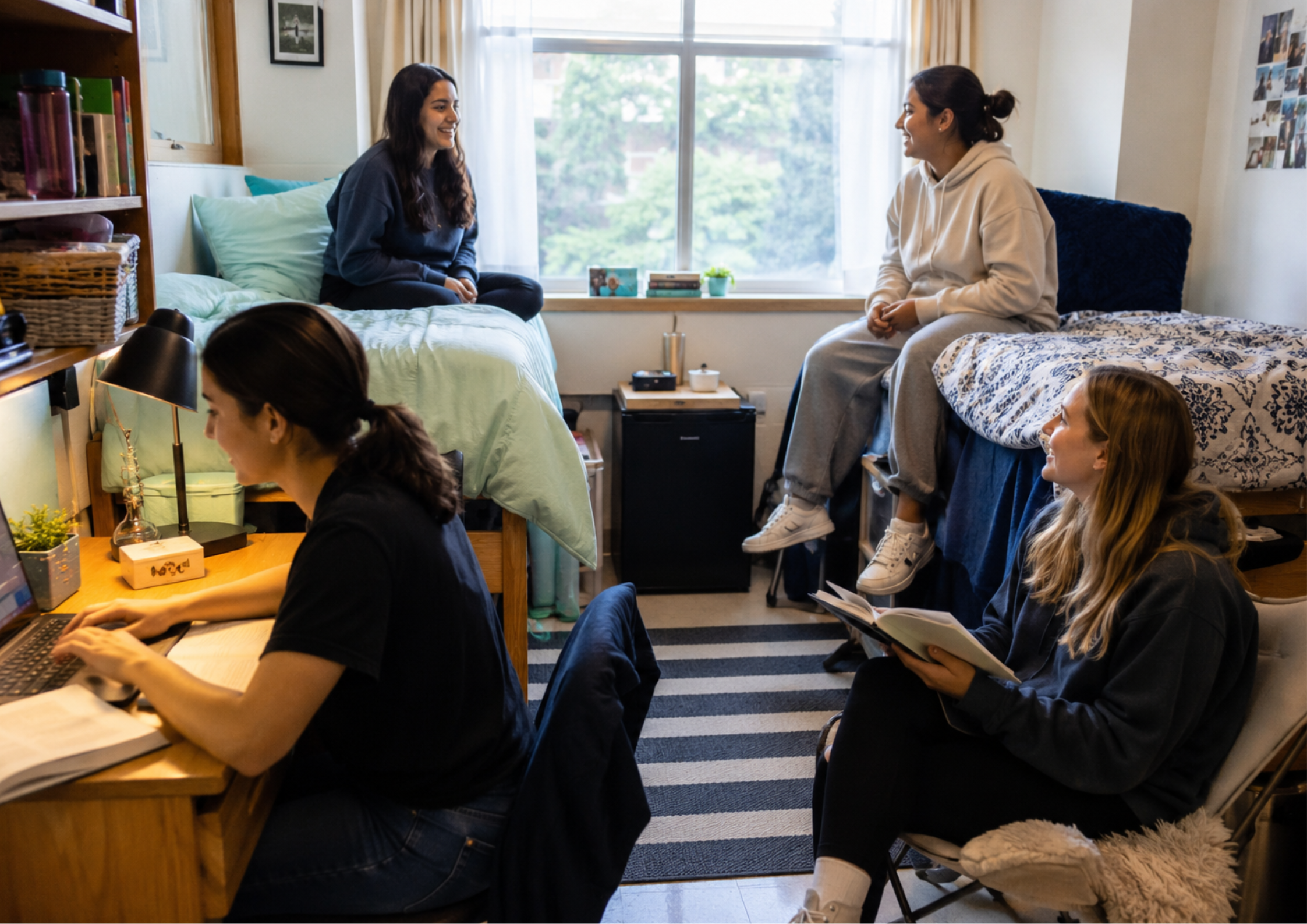
For families across India — especially those in smaller cities or towns where quality schooling options are limited — residential institutions offer a powerful extension of these benefits. Girls boarding schools in India, including well-regarded institutions like Ecole Globale International Girls’ School, provide a 24-hour environment designed entirely around the holistic development of young women. Academics, sports, arts, leadership, and life skills are all woven into daily life, not treated as separate add-ons.
The residential element also builds independence. Girls learn to manage their time, resolve conflicts without parental intervention, and take ownership of their daily choices — skills that serve them for decades beyond school.
Addressing Common Concerns
“Won’t girls miss out on learning to interact with boys?”
This is the most common concern parents raise, and it is worth taking seriously. The short answer is: no. Girls in single-gender schools interact with male peers, family members, tutors, and professionals throughout their lives. What they gain in school is a strong foundation of identity and communication that actually makes those interactions more balanced and confident when they do happen.
“Are the schools socially isolated?”
Most reputable girls-only schools in India actively engage with the outside world — through inter-school events, sports competitions, community service programs, exchange visits, and extracurriculars. The social exposure is curated and intentional, not absent.
The Broader Picture: Empowering India’s Next Generation
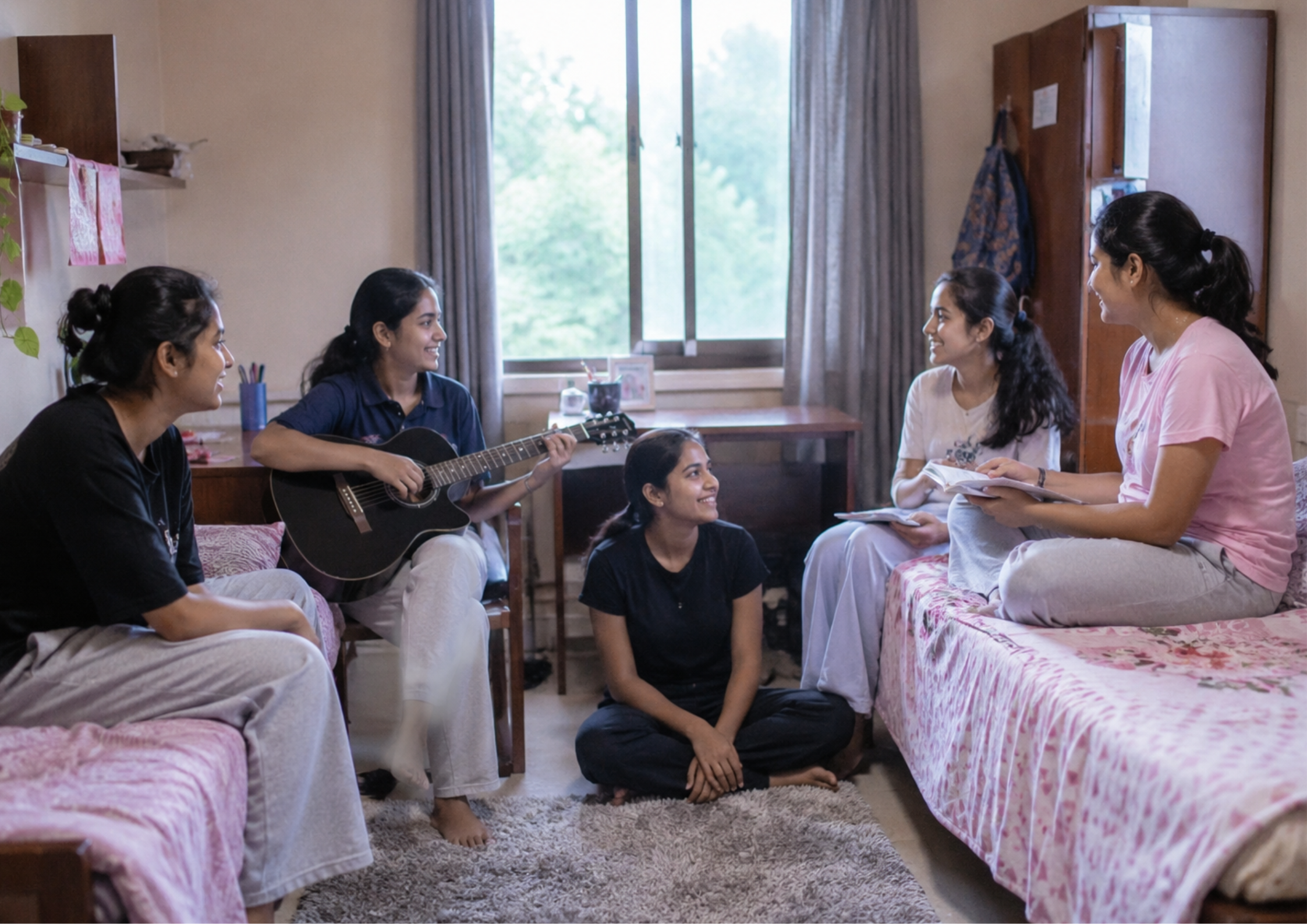
India’s gender gap in education, while narrowing, still exists — and the consequences show up in workforce participation, entrepreneurship rates, and leadership representation. Girls-only schools are not a complete solution to that systemic challenge, but they are a meaningful part of it.
When a girl spends her formative years in an environment that consistently tells her — through actions, not just words — that her ambitions are valid, her voice matters, and her potential has no ceiling, she graduates differently. She enters college, the workforce, and life with a baseline of self-belief that is genuinely harder to shake.
That is not a small thing. That is, arguably, one of the most important things education can do.
Conclusion: Is a Girls-Only School Right for Your Daughter?
There is no single answer that works for every family or every child. But if you are weighing your options and your daughter’s confidence, leadership, academic ambition, and emotional wellbeing are priorities — a girls-only school deserves serious consideration.
The evidence is consistent: girls in single-gender environments tend to participate more, lead more, explore more, and develop a stronger sense of self. They graduate not just with marks and certificates, but with a voice they know how to use.
For parents considering this path, visit established institutions, speak to alumnae, and look at long-term outcomes. The decision is significant — and for many families, it turns out to be one of the best they ever made.
FREQUENTLY ASKED QUESTIONS
Q1. Are girls-only schools in India recognized by CBSE and ICSE boards?
Ans: Yes, most established girls-only schools in India are affiliated with CBSE, ICSE, or state boards. Some also offer IB (International Baccalaureate) curricula. Always verify the board affiliation and accreditation status before admission.
Q2. Do girls from single-gender schools struggle to adapt in co-ed colleges?
Ans: Studies and anecdotal evidence from alumnae consistently suggest the opposite. Girls from single-gender schools often transition more confidently into co-ed environments because they have a stronger sense of identity and are less likely to hold back in mixed-gender academic or professional settings.
Q3. What is the ideal age to enroll a girl in a girls-only school?
Ans: Many girls-only schools accept students from primary level (Class 1 onward), while boarding schools typically begin enrollment from Class 6 or 7. The transition to a residential setting is often smoother when done by early secondary school, giving girls time to settle before board exam years.
Q4. Are girls-only boarding schools expensive in India?
Ans: Fee structures vary widely. Some schools are government-aided and highly affordable, while premium residential institutions have higher fees that include accommodation, meals, extracurriculars, and facilities. Many schools also offer merit-based scholarships that make quality education accessible to deserving students across income levels.
Q5. How do girls-only schools handle extracurricular activities and sports?
Ans: Single-gender schools typically offer a full range of extracurriculars — including sports, debate, music, coding, art, and community programs. Since there are no gender assumptions shaping who participates in what, girls often explore a wider variety of activities and take on leadership roles across all of them.