





Learning about money and business is an important part of preparing students for adult life. Along with academic knowledge, teenagers benefit from understanding how to manage money, plan a budget, make responsible spending decisions and explore creative business ideas.
Entrepreneurship and Money Skills for Teenage Girls help students develop practical knowledge about financial responsibility, business planning, problem-solving and decision-making. These skills can prepare girls to understand everyday financial situations and explore future opportunities with greater confidence.
Schools play an important role in introducing financial literacy and entrepreneurship through classroom lessons, group projects, practical exercises and student activities. For girls studying in boarding schools, these learning opportunities can also be connected with everyday responsibilities and collaborative projects.
The importance of Entrepreneurship and Money Skills for Teenage Girls goes beyond starting a business. It includes understanding the value of money, setting financial goals, identifying opportunities and learning how to make thoughtful decisions.
1. Understanding the Basics of Financial Literacy
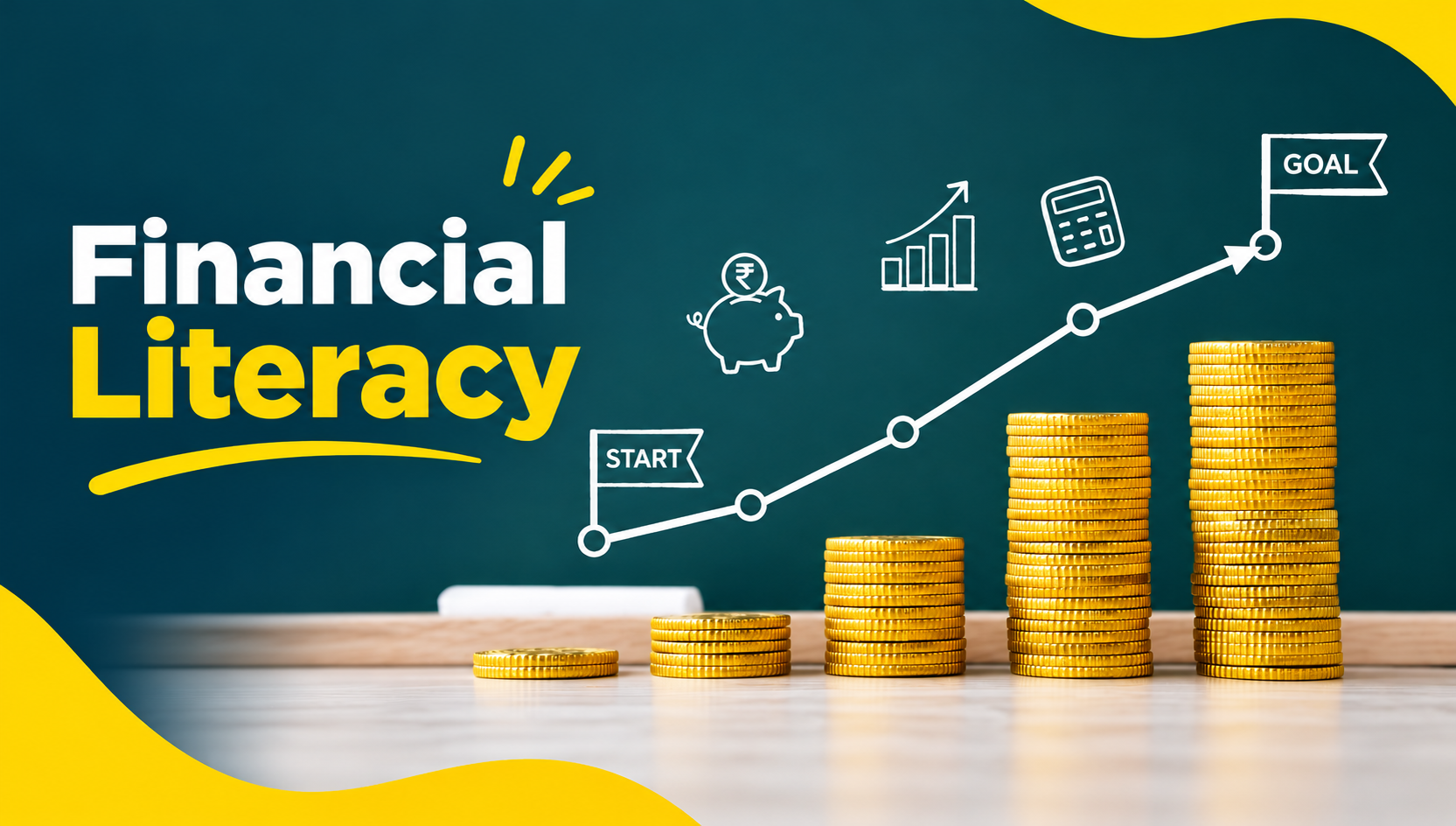
Financial literacy means understanding how money works and how to manage it responsibly. Teenagers should learn basic concepts such as income, expenses, savings, budgeting and financial planning.
Entrepreneurship and Money Skills for Teenage Girls begin with understanding these everyday financial concepts. Students should know the difference between money received, money spent and money saved.
Schools can introduce financial literacy through simple classroom activities. For example, students can prepare a sample monthly budget, compare prices of everyday products or discuss the difference between essential needs and optional purchases.
These exercises make Entrepreneurship and Money Skills for Teenage Girls easier to understand because students connect financial concepts with familiar situations.
2. Developing Budgeting and Money Management Skills

Budgeting is one of the most useful financial skills students can learn. It involves planning how available money will be used and understanding the importance of balancing expenses with savings.
Entrepreneurship and Money Skills for Teenage Girls encourage students to think carefully before spending money. They can learn to divide a sample allowance into different categories, such as stationery, personal needs, savings and recreational activities.
A simple budgeting activity can teach students to:
- Identify regular expenses.
- Separate needs from wants.
- Plan spending within a fixed amount.
- Keep track of expenses.
- Set aside money for future needs.
- Review spending decisions.
Learning these habits early can help girls become more organised and responsible when handling money.
3. Understanding the Importance of Saving Money
Saving is an important part of responsible money management. It teaches students to plan for future needs rather than spending all their available money immediately.
Entrepreneurship and Money Skills for Teenage Girls should include lessons about setting realistic savings goals and understanding why people save.
For example, students can create a sample savings plan for purchasing educational materials, books or other planned items. Teachers can explain how small amounts saved regularly can gradually contribute towards a larger goal.
Students should also understand that saving requires patience and planning. They can maintain a simple savings record to track progress and reflect on their financial decisions.
These activities make Entrepreneurship and Money Skills for Teenage Girls practical and relevant to everyday life.
4. Learning the Difference Between Needs and Wants
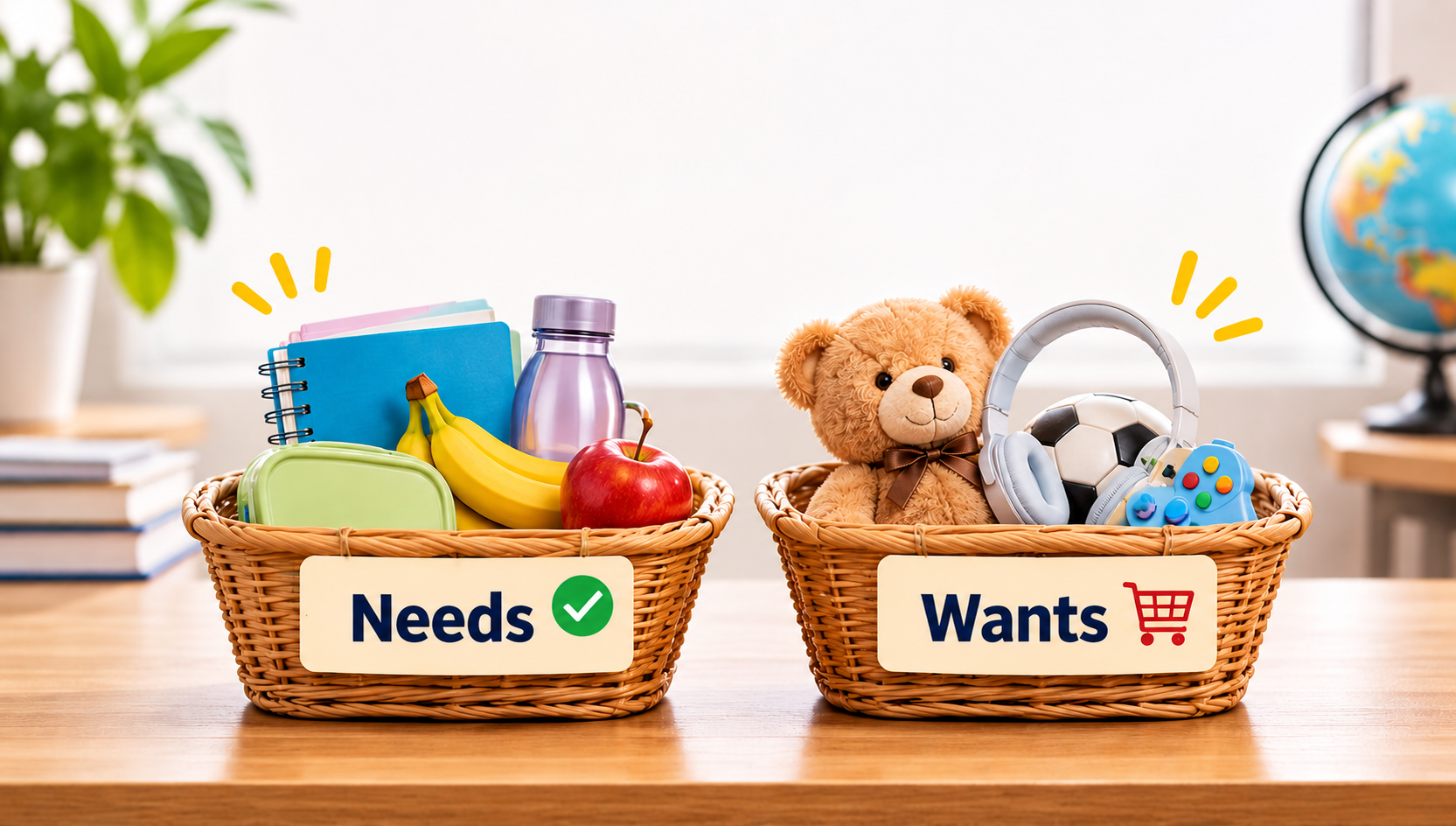
Understanding the difference between needs and wants is an important part of financial education.
Needs are essential items required for everyday life, such as food, education and basic supplies. Wants are additional items or experiences that people may enjoy but do not necessarily need.
Entrepreneurship and Money Skills for Teenage Girls help students understand how to prioritise expenses and make thoughtful spending decisions.
Schools can organise activities where students receive a hypothetical budget and decide how to allocate it among different items. They can then discuss which expenses are essential and which can be postponed.
Such exercises encourage practical thinking and help students understand that responsible money management involves making choices.
5. Introducing Entrepreneurship Through Creative Ideas
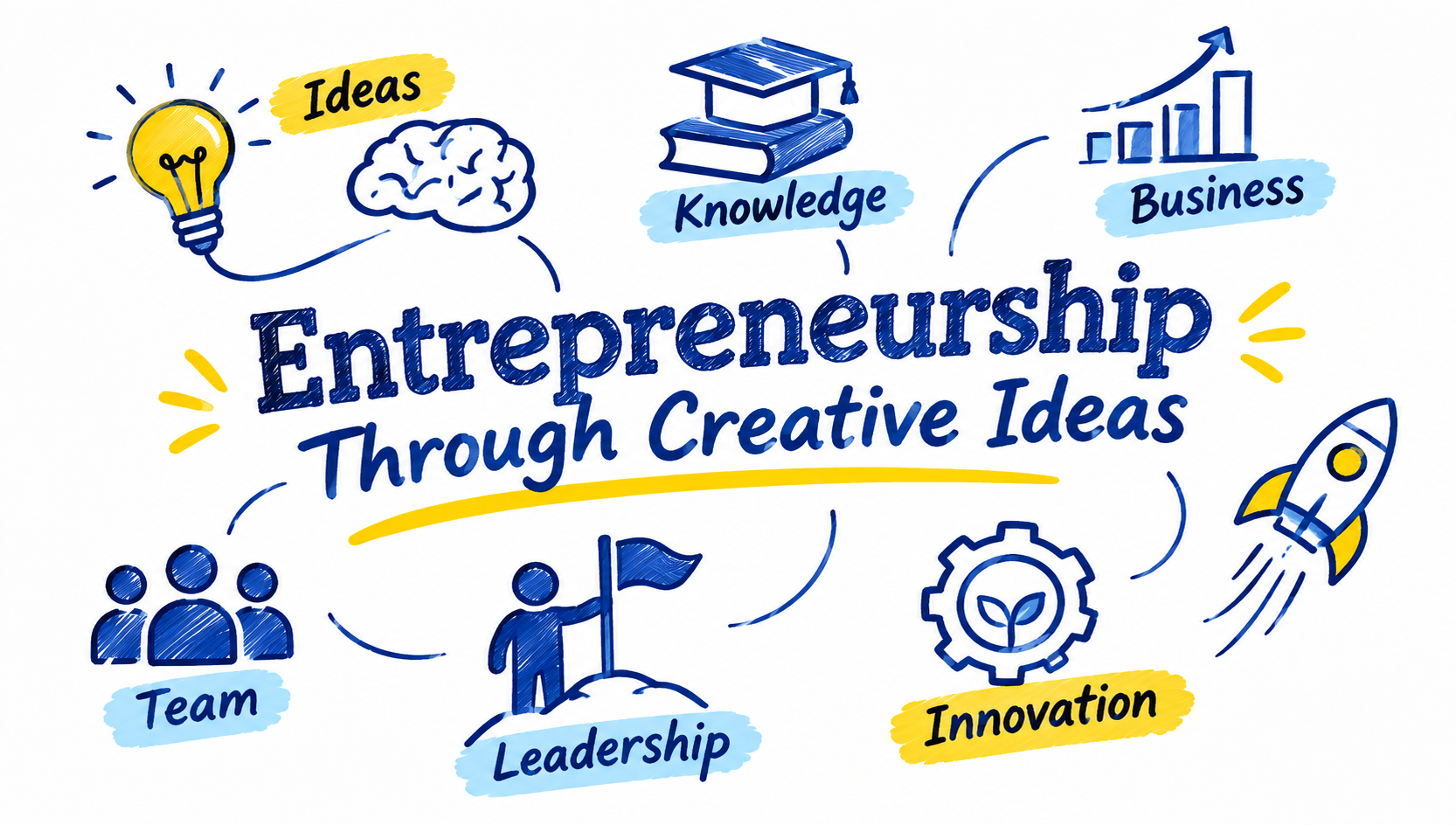
Entrepreneurship involves identifying opportunities, developing ideas and finding ways to provide useful products or services.
Entrepreneurship and Money Skills for Teenage Girls can encourage students to think creatively and explore how everyday problems can inspire business ideas.
For example, students might develop a concept for handmade stationery, customised greeting cards, environmentally friendly gift packaging or a school-based recycling initiative.
The objective is not necessarily to establish a real business. Instead, students learn how to identify a need, understand an audience and develop a practical solution.
These activities help girls connect creativity with planning, responsibility and problem-solving.
6. Developing Business Planning Skills
A business idea needs proper planning before it can become a practical project. Students can learn the basic elements of business planning through classroom exercises.
As part of Entrepreneurship and Money Skills for Teenage Girls, schools can introduce simple business plans covering:
- The product or service idea.
- The problem it aims to address.
- The intended audience.
- Materials or resources required.
- Estimated costs.
- A suitable pricing concept.
- Possible challenges and solutions.
For example, students can work in groups to prepare a business plan for a hypothetical handmade stationery project.
This activity introduces planning, organisation and financial awareness without requiring students to spend money or establish an actual business.
7. Building Communication and Leadership Skills

Entrepreneurship involves communicating ideas, working with others and explaining decisions. Students need opportunities to present their thoughts and listen to feedback.
Entrepreneurship and Money Skills for Teenage Girls can be developed through group discussions, classroom presentations and business idea competitions.
Students may take different responsibilities within a group, such as preparing a project, organising information, presenting the idea or calculating sample costs.
These experiences strengthen communication, teamwork, leadership and decision-making skills.
Girls also learn that successful collaboration requires listening to others, sharing responsibilities and respecting different viewpoints.
8. Understanding Digital and Financial Awareness

Digital technology has changed how people access financial information and make payments. Teenagers should understand basic digital financial concepts and the importance of online safety.
Entrepreneurship and Money Skills for Teenage Girls should introduce students to responsible digital behaviour, including:
- Understanding basic digital payment concepts.
- Recognising suspicious messages and fraudulent links.
- Protecting personal and financial information.
- Avoiding the sharing of passwords and verification codes.
- Checking information before trusting online offers.
- Asking a trusted adult when uncertain about a financial request.
Schools can discuss these topics through age-appropriate examples and digital safety activities.
Financial awareness should include understanding potential risks, not simply learning how technology works.
9. Encouraging Problem-Solving and Decision-Making
Entrepreneurship requires students to examine situations, identify challenges and consider possible solutions.
Entrepreneurship and Money Skills for Teenage Girls support problem-solving by encouraging students to think about practical questions.
For example:
- How can a school reduce unnecessary stationery waste?
- How can students organise a book exchange?
- What affordable materials could be used for a creative project?
- How can a group complete a project within a limited sample budget?
These activities teach students to consider resources, compare alternatives and explain their decisions.
Learning to evaluate different solutions can also support academic work and everyday decision-making.
10. The Role of Schools in Promoting Entrepreneurship Education
Schools can introduce financial literacy and entrepreneurship through structured lessons and practical learning opportunities.
For girls boarding schools, these activities can become part of classroom projects, clubs, workshops and group assignments.
Parents exploring Entrepreneurship and Money Skills for Teenage Girls should look for schools that provide:
- Basic financial literacy lessons.
- Budgeting and savings activities.
- Entrepreneurship workshops.
- Business idea presentations.
- Group-based project learning.
- Guidance from teachers and mentors.
- Digital and financial safety education.
- Opportunities to develop communication and leadership skills.
A good educational programme should focus on understanding and responsible decision-making rather than encouraging students to take financial risks.
11. Learning Through Practical School Projects
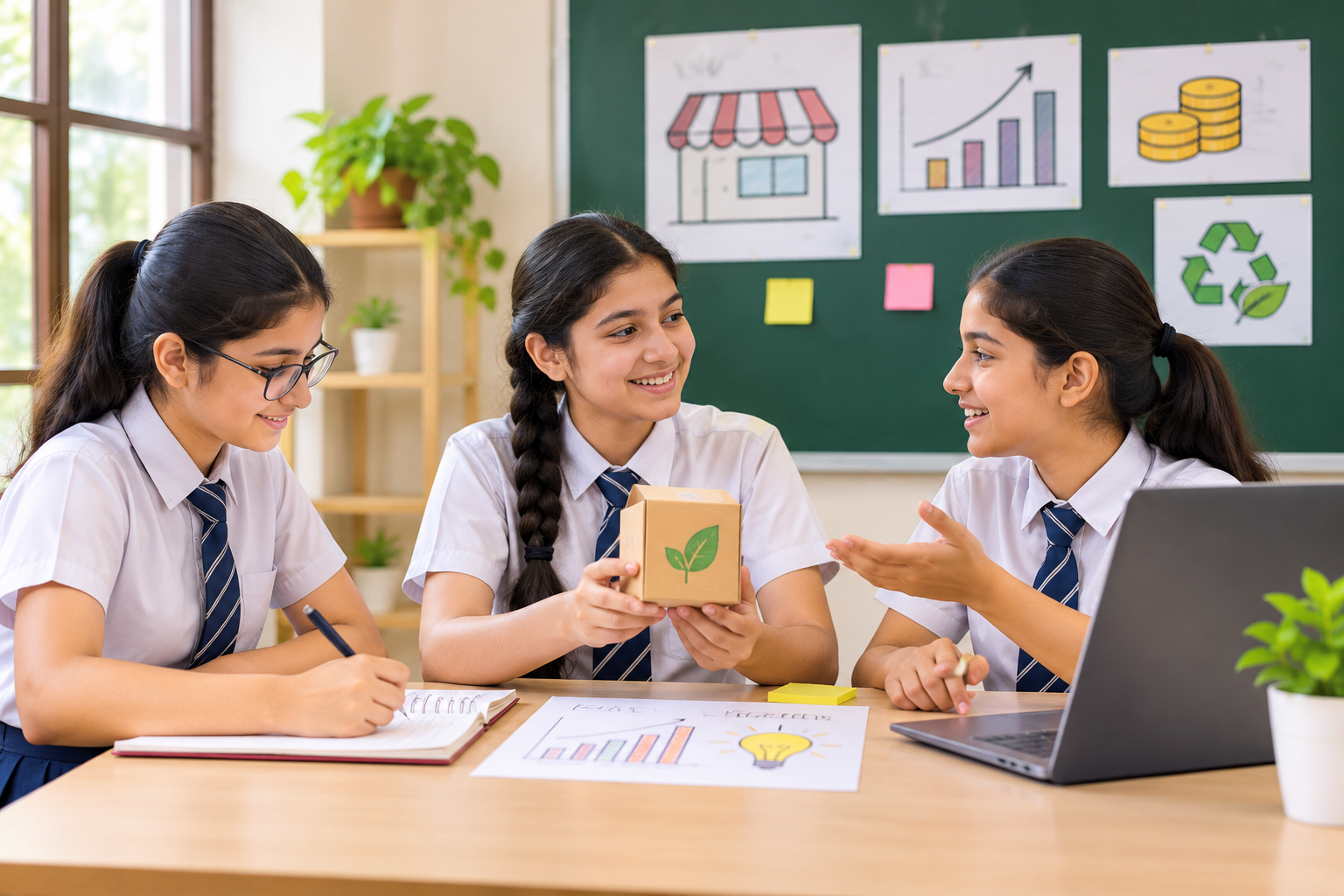
Practical activities help students understand financial and business concepts more effectively than theory alone.
Schools can organise classroom projects that allow students to apply what they have learned in a safe educational environment.
Examples include:
Classroom budgeting exercise: Students prepare a hypothetical budget and explain their spending priorities.
Creative business project: Groups develop a concept for a product or service and present a basic business plan.
Savings challenge: Students maintain a sample savings record and discuss different savings goals.
School book exchange: Students plan a book exchange to encourage reuse and resource management.
Product presentation: Students introduce a hypothetical product and explain its purpose, audience and estimated costs.
These activities make Entrepreneurship and Money Skills for Teenage Girls engaging while developing practical knowledge, creativity and teamwork.
12. Preparing Girls for Future Opportunities
Understanding money and entrepreneurship can support students in many areas of life. Financial literacy helps them make informed everyday decisions, while entrepreneurial thinking encourages creativity, initiative and problem-solving.
Entrepreneurship and Money Skills for Teenage Girls can provide a foundation for exploring future interests in business, management, marketing, economics, finance and other professional fields.
These abilities are also useful for students who choose careers outside business. Planning, communication, budgeting and decision-making are valuable skills across many professions.
Schools can support this development through career awareness sessions, mentorship programmes and practical learning activities.
How Parents Can Encourage Entrepreneurship and Money Skills
Parents can support financial learning through everyday conversations about budgeting, saving and responsible spending.
They can encourage their daughters to compare prices, understand household budgeting concepts and think about how resources can be used carefully.
Parents can also discuss creative ideas and help students understand that business involves planning, responsibility, customer needs and problem-solving.
Entrepreneurship and Money Skills for Teenage Girls develop gradually through regular learning, practical experiences and supportive guidance.
The goal should be to help teenagers become informed and responsible decision-makers rather than placing pressure on them to earn money or start a business.
Conclusion
Financial literacy and entrepreneurship education are valuable parts of a well-rounded school experience. They help students understand money management, develop creative ideas and learn how to approach practical challenges.
Entrepreneurship and Money Skills for Teenage Girls encourage budgeting, saving, responsible spending, business awareness, communication and independent thinking.
Girls boarding schools can support these abilities through classroom lessons, practical projects, workshops and group activities. By introducing financial concepts and entrepreneurial thinking at an appropriate age, schools can help girls build a foundation for responsible financial decisions and future opportunities.
Frequently Asked Questions
Q1. What are entrepreneurship and money skills for teenage girls?
Ans: Entrepreneurship and Money Skills for Teenage Girls include budgeting, saving, responsible spending, business planning, creative thinking and basic financial literacy.
Q2. Why is financial literacy important for teenage girls?
Ans: Financial literacy helps teenage girls understand money, plan expenses, recognise financial risks and make responsible decisions.
Q3. How can schools teach entrepreneurship to teenage girls?
Ans: Schools can organise business idea projects, budgeting exercises, entrepreneurship workshops, group presentations and practical classroom activities.
Q4. What money management skills should teenagers learn?
Ans: Teenagers should learn budgeting, saving, tracking expenses, prioritising needs, understanding wants and recognising basic digital financial risks.
Q5. What are some simple entrepreneurship activities for school students?
Ans: Students can develop hypothetical business plans, design handmade products, organise book exchanges, create recycling projects and present solutions to everyday problems.
Q6. How do entrepreneurship skills help girls in the future?
Ans: Entrepreneurship skills develop creativity, planning, communication, leadership and problem-solving abilities that can support higher education, professional development and everyday decision-making.