






In today’s high-pressure academic environment, students need tools to manage stress, stay focused, and maintain physical health. The benefits of yoga for students are well-documented — yoga combines gentle movement, breathwork and mindfulness to support cognitive function, emotional stability, and overall well-being. This practice is low-cost, adaptable to all ages, and easy to integrate into school routines.
Why yoga matters for students
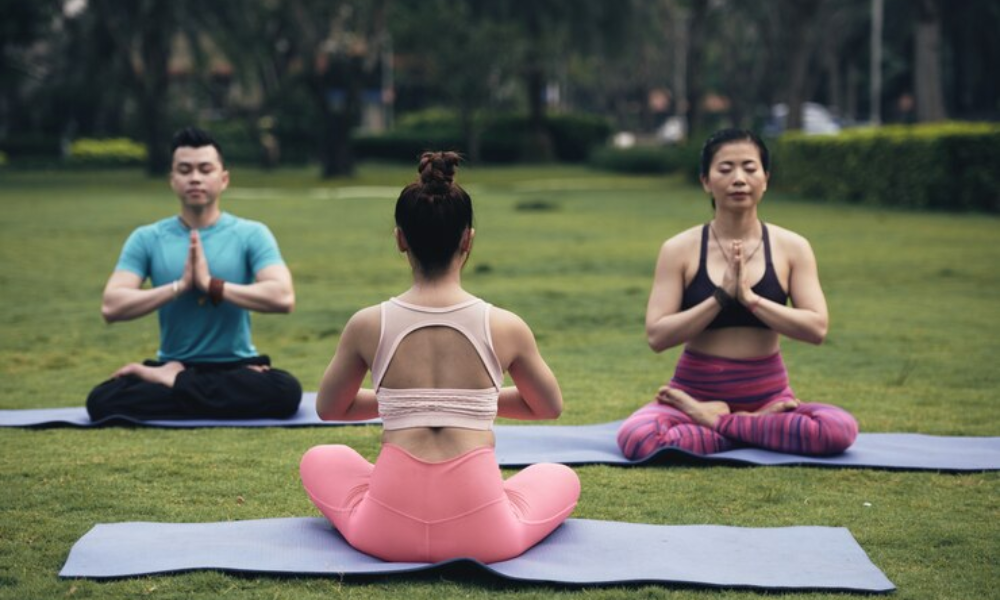
Yoga is more than stretching. For learners, it trains attention, improves body awareness, and strengthens the mind-body connection — all of which translate into better classroom behaviour, learning outcomes, and social skills. Whether used as a morning energizer, a study break, or a pre-exam calming routine, yoga gives students practical self-regulation strategies they can use for life.
Top benefits of yoga for students

1. Improves concentration and cognitive performance
Simple breathing exercises and balance poses require focused attention. Over time, these practices strengthen neural networks related to attention and working memory — helping students concentrate longer during lessons and retain material more effectively.
2. Reduces stress and anxiety
Pranayama (breath control) and guided relaxation activate the parasympathetic nervous system, lowering cortisol and calming the nervous system. Students who practice yoga regularly report less test anxiety and better emotional control.
3. Enhances emotional regulation and resilience
Mindfulness practices in yoga teach students to observe thoughts and feelings without immediate reaction. This skill builds resilience, reduces impulsivity, and improves responses to setbacks and peer conflicts.
4. Boosts physical health and posture
Long hours of sitting affect posture and can cause back or neck pain. Yoga strengthens core muscles, improves flexibility, and corrects postural imbalances these are benefits of yoga for students — reducing discomfort and promoting physical stamina.
5. Improves sleep quality
Relaxation techniques and evening yoga routines can help regulate the sleep cycle. Better sleep leads to improved attention, memory consolidation, and mood—crucial for academic performance.
6. Encourages positive classroom climate and social skills
Group yoga sessions foster cooperation, empathy, and mutual respect. Partner poses, group breathwork and reflection school activities help build communication skills and social bonds.
7. Builds self-confidence and body awareness
Mastering a new pose or maintaining steady breath during a challenging sequence creates a sense of achievement. This builds self-efficacy and a healthier body image among students.
Practical ways to integrate benefits of yoga for students in schools

Short daily practices (3–10 minutes)
Morning breathing: 3–5 minutes of belly breathing to energize the class.
Midday stretch break: 5 minutes of neck rolls, cat/cow and sun salutations between lessons.
Pre-exam calm: 5–7 minutes of box breathing and guided imagery to reduce anxiety.
Weekly sessions (20–30 minutes)
Add a weekly guided yoga class led by a trained teacher or certified instructor. Include a mix of movement, breathwork, and a short relaxation/meditation.
Clubs and extracurriculars
Create a Yoga & Mindfulness Club where students learn varied practices, practice teaching peers, and prepare short mindfulness activities for assemblies.
Teacher-led micropractices
Train teachers to run micro-practices so yoga becomes part of the classroom culture rather than an occasional event.
Sample 5-minute classroom yoga routine
Seated belly breathing — 1 minute (inhale 4, hold 2, exhale 4).
Neck stretches — 30 seconds each side.
Cat–Cow — 8 slow rounds to mobilize the spine.
Standing forward fold — 30 seconds to release tension.
Tree pose (balance) — 30 seconds each leg for focus.
Guided 1-minute relaxation — notice breath, release shoulders.
Safety and inclusivity tips

Adapt poses for age and ability; avoid forcing flexibility.
Screen for medical issues (asthma, injuries) and modify practices.
Ensure a non-slippery surface and comfortable clothing.
Offer alternatives so every student can participate meaningfully.
Use certified instructors for longer sessions; provide basic teacher training for daily micropractices.
Evidence snapshot
Research on school-based yoga programs shows consistent benefits for attention, anxiety reduction, and behaviour regulation. While program length and intensity vary, even short, regular practice shows positive effects—making yoga a practical addition to school wellness programs.
Conclusion
The benefits of yoga for students extend across mental, physical and social domains. Regular, age-appropriate yoga can reduce stress, sharpen attention, improve posture, and create a calmer classroom culture. When schools and families adopt simple, consistent practices, students gain lifelong tools for learning, resilience, and well-being.
Frequently Asked Questions — Benefits of Yoga for Students
Q1. How often should students practice yoga to see benefits?
Ans: Short daily practices (5–10 minutes) combined with a weekly 20–30 minute session produce measurable benefits within a few weeks.
Q2. Can yoga help students with exam anxiety?
Ans: Yes — breathing techniques and grounding exercises are effective for calming nerves and enhancing focus before tests.
Q3. Is yoga safe for children and teenagers?
Ans: Yes, when practices are age-appropriate and led by trained instructors or adapted by teachers. Avoid extreme poses and emphasize breath and alignment.
Q4. Do schools need a certified yoga teacher?
Ans: For regular classes and clubs, a certified instructor is ideal. For micropractices, teachers can lead after basic training in breathwork and safe poses.
Q5. What equipment is needed for school yoga?
Ans: Minimal: mats (optional), a clear space, and comfortable clothing. For classroom micropractices, no equipment is necessary.