




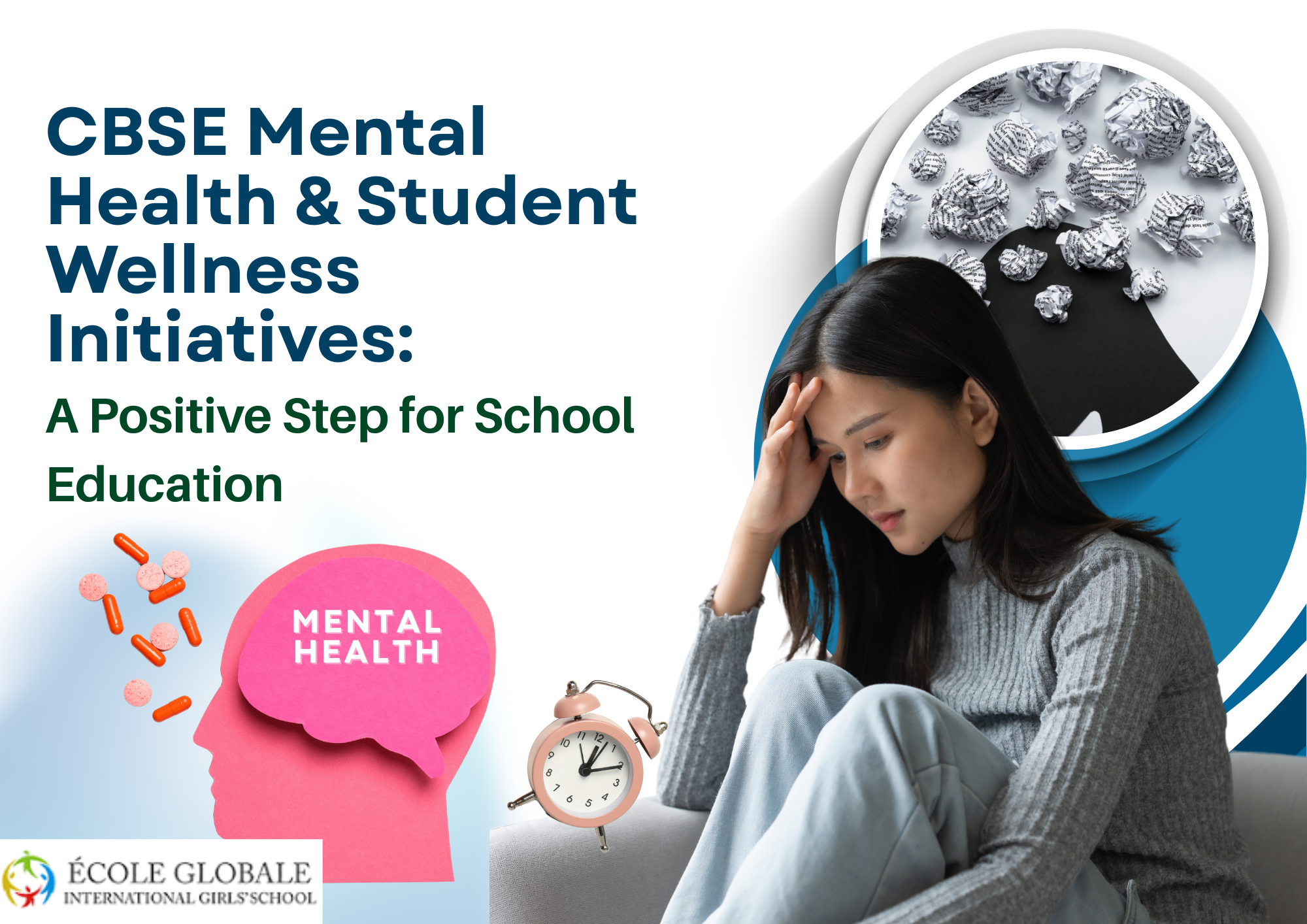
Student well-being has become an essential priority in modern education systems. Recognising the growing academic pressure faced by learners, the Central Board of Secondary Education (CBSE) has strengthened its focus on mental health and emotional wellness through structured student support initiatives across affiliated schools.
These CBSE Mental Health measures aim to create safe, supportive, and balanced learning environments where students can thrive academically while maintaining emotional stability.
Why Student Mental Health Matters Today

Academic expectations, competitive examinations, digital exposure, and social pressures can significantly affect students’ emotional well-being. CBSE acknowledges that academic success cannot be separated from mental health.
Research consistently shows that students perform better when they feel emotionally secure, supported, and confident within their school environment.
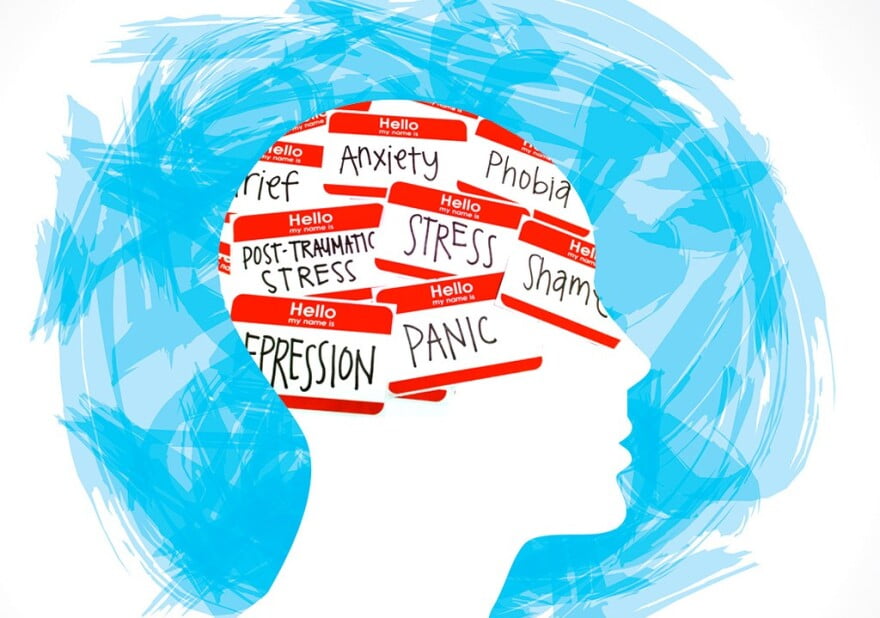
Common challenges faced by students include:
Examination anxiety
Academic pressure
Fear of failure
Social adjustment concerns
Time management stress
Addressing these concerns early helps prevent long-term emotional difficulties.
Key CBSE Mental Health Initiatives
CBSE has introduced several structured guidelines encouraging schools to prioritise psychological wellness alongside academics.
| Initiative | Objective |
|---|---|
| School Counselling Services | Provide professional emotional support |
| Wellness Awareness Programs | Promote mental health education |
| Stress-Free Examination Campaigns | Reduce exam-related anxiety |
| Life Skills Education | Build emotional resilience |
| Teacher Training Programs | Identify early signs of distress |
These initiatives ensure mental wellness becomes an integral part of everyday schooling rather than an occasional intervention.
Focus on Stress-Free Examinations

One of CBSE’s major goals is reducing examination-related stress among students. Schools are encouraged to prepare learners through continuous assessment instead of last-minute pressure.
Recommended practices include:
Orientation sessions before board exams
Time management workshops
Mock examinations
Academic mentoring support
Positive reinforcement techniques
Such approaches CBSE Mental Health help students approach examinations with confidence rather than fear.
Importance of School Counselling Support
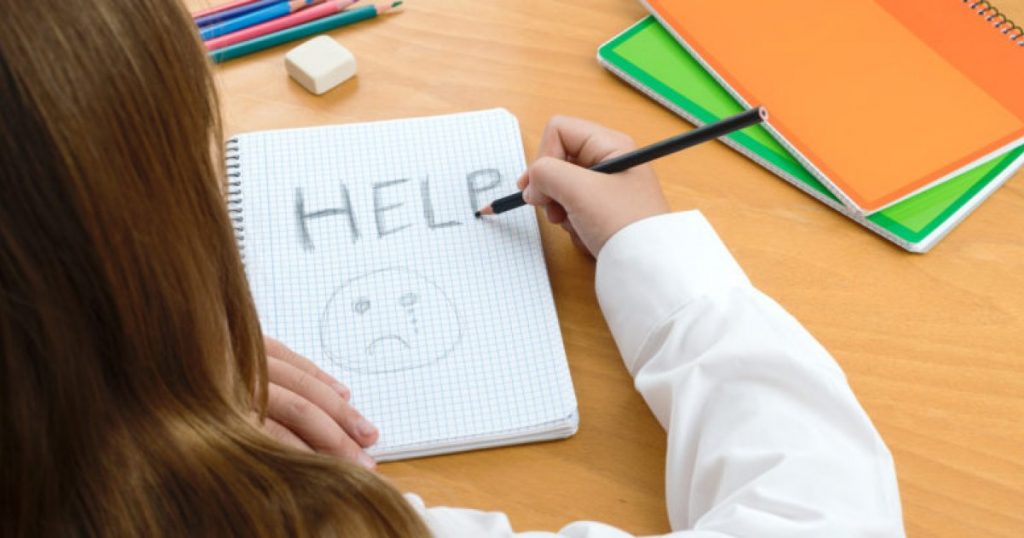
CBSE Mental Health strongly recommends accessible counselling systems within schools to guide students through emotional and academic challenges.
Professional counselling helps students:
Manage anxiety and stress
Improve self-confidence
Develop coping mechanisms
Enhance interpersonal skills
Maintain emotional balance
Early counselling intervention often prevents academic decline caused by psychological stress.
Role of Teachers in Student Wellness
Teachers play a crucial role in identifying behavioural or emotional changes in students. CBSE Mental Health training programs now encourage educators to adopt empathetic classroom practices such as:
Encouraging open communication
Creating inclusive classrooms
Avoiding unhealthy academic comparisons
Recognising individual learning pace
A supportive teacher-student relationship significantly improves student engagement and motivation.
Creating a Supportive School Environment

As a CBSE-affiliated institution, Ecole Globale International Girls’ School places strong emphasis on holistic student development by integrating wellness initiatives into daily school life.
The school supports student well-being through:
Dedicated counselling and mentoring systems
Balanced academic schedules
Sports and recreational activities
Mindfulness and wellness sessions
Safe residential learning environments
Such structured support ensures students feel secure, valued, and emotionally empowered throughout their academic journey.
How Parents Can Support Mental Wellness
Parental involvement remains equally important in maintaining student well-being. CBSE encourages families to actively support children during academic years.
Parents can help by:
Maintaining open conversations at home
Avoiding excessive performance pressure
Encouraging hobbies and relaxation
Monitoring screen time responsibly
Celebrating effort rather than only results
A positive home environment complements school-based wellness initiatives.
Building Emotional Resilience for the Future
Mental wellness education equips students with lifelong skills such as emotional regulation, decision-making, and resilience. These abilities help learners manage future academic challenges, career pressures, and personal responsibilities effectively.
CBSE’s wellness-focused approach reflects a broader understanding that education must nurture both intellectual growth and emotional strength.
Conclusion
The emphasis on mental health and student wellness marks an important advancement in Indian school education. By promoting counselling support, stress management, and emotionally safe learning spaces, CBSE continues to prioritise student well-being alongside academic achievement.
Schools that actively implement these initiatives help students develop confidence, balance, and resilience essential for long-term success. A healthy mind remains the foundation of meaningful learning, and CBSE’s wellness initiatives represent a positive step toward truly holistic education.
FREQUENTLY ASKED QUESTIONS
Q1. Does CBSE provide mental health support guidelines?
Ans: Yes, CBSE encourages counselling and wellness programs in schools.
Q2. Why is student mental health important?
Ans: Emotional well-being directly impacts academic performance and confidence.
Q3. Do CBSE schools provide counselling services?
Ans: Many CBSE schools offer structured counselling support systems.
Q4. How can parents support student mental health?
Ans: By maintaining communication and reducing academic pressure.