




Education plays a defining role in shaping a child’s future. While day schools remain common, many families today consider boarding schools for their structured environment and holistic development opportunities. Choosing boarding school is not simply about academics. It involves evaluating the environment, philosophy, and support system that will influence a student’s personal and intellectual growth.
For many parents, the idea of sending their child to a residential institution can feel both exciting and challenging. A well-chosen boarding school provides discipline, independence, and exposure to diverse perspectives. At the same time, it requires careful decision-making to ensure the child’s emotional and academic needs are met.
This guide explains the importance of boarding schools, the different types available, and the educational theories that shape their learning environment. Understanding these elements can help parents and students make thoughtful choices.
Understanding the Importance of Boarding Schools
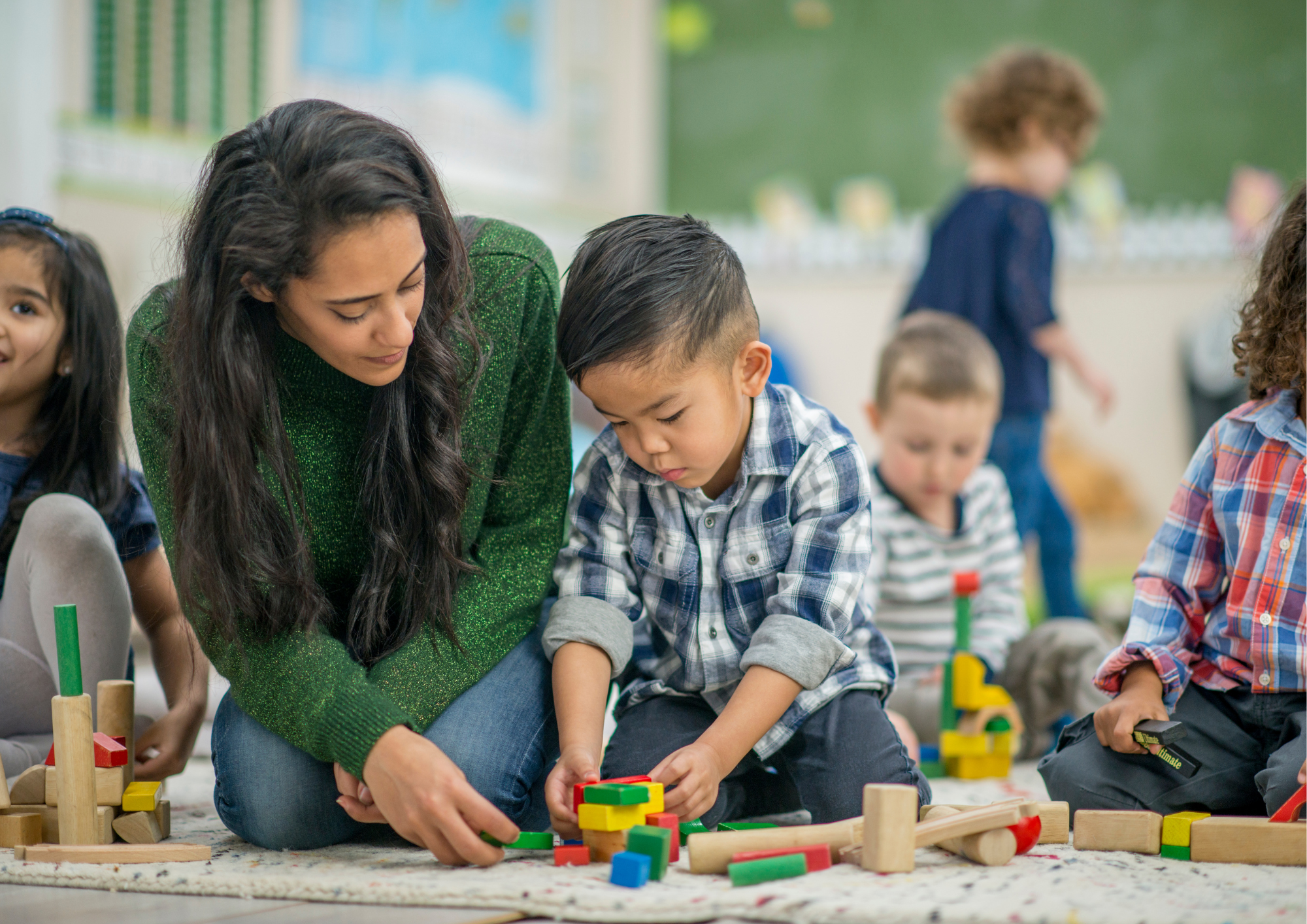
Boarding schools offer a unique learning environment where students live and study on campus. Unlike traditional day schools, education continues beyond classroom hours through supervised activities, peer interaction, and mentorship.
Holistic Development
One of the most important advantages is the focus on overall development.
Students benefit from:
Structured daily routines
Exposure to extracurricular activities
Strong peer learning environments
Leadership and responsibility opportunities
Because students live on campus, learning often extends into sports, cultural activities, and community life. This balanced environment helps develop social and emotional skills alongside academic knowledge.
Independence and Responsibility
Living away from home encourages students to become self-reliant. They learn how to manage their time, organize their work, and take responsibility for personal decisions.
Over time, this independence prepares students for university life and professional environments where self-management is essential.
Strong Academic Focus
Most residential institutions maintain structured study hours and academic support systems. Teachers and mentors are available beyond classroom hours, allowing students to receive additional guidance when needed.
This academic focus can be particularly beneficial for students who thrive in disciplined learning environments.
Types of Boarding Schools

Boarding schools vary widely in philosophy, curriculum, and structure. Understanding the different types helps families identify which environment best matches their expectations.
1. Traditional Boarding Schools
Traditional boarding schools follow a structured residential model where students live on campus during the academic year.
Key characteristics include:
Fixed schedules for study and activities
Strong emphasis on discipline and community life
House systems that build teamwork and belonging
These schools often focus on balanced academic and character development.
2. Military Boarding Schools
Military-style boarding schools emphasize discipline, leadership, and physical training.
Students typically experience:
Strict daily routines
Leadership training programs
Character-building activities
While these schools may not suit every student, they can be beneficial for those who thrive under clear structure and guidance.
3. International Boarding Schools
International boarding schools often follow global curricula such as IB or Cambridge.
These schools usually offer:
Multicultural environments
International faculty and students
Global education perspectives
Students gain exposure to different cultures and ideas, which helps prepare them for international careers.
4. Specialized Boarding Schools
Some boarding schools focus on specific areas such as sports, arts, or science.
Examples include institutions specializing in:
Performing arts
Elite sports training
STEM education
These schools allow students with particular talents to pursue focused development alongside academic studies.
Educational Theories Behind Boarding School Learning

Boarding schools often integrate educational theories that promote experiential and student-centered learning. Understanding these theories helps explain why residential education can be effective.
Social Learning Theory
Developed by psychologist Albert Bandura, this theory suggests that people learn through observation and interaction with others.
In boarding environments:
Students observe peer behavior
Positive habits spread within groups
Collaborative learning becomes common
Because students spend extended time together, social learning becomes a powerful educational tool.
Experiential Learning
Experiential learning focuses on learning through experience rather than passive instruction.
Boarding schools often apply this through:
Outdoor education programs
Leadership camps
Project-based learning
Students learn by doing, reflecting, and applying their experiences in real-world situations.
Holistic Education Theory
Holistic education emphasizes the development of the whole person—intellectual, emotional, social, and physical.
Boarding schools support this by combining:
Academic learning
Sports and physical development
Arts and creativity
Community service activities
This integrated approach encourages balanced personal growth.
Key Benefits of Boarding School Education
Boarding schools provide several advantages that can shape a student’s future in meaningful ways.
| Benefit | Explanation |
|---|---|
| Structured Routine | Students follow disciplined schedules that balance academics, activities, and rest. |
| Community Living | Living with peers encourages teamwork, empathy, and cooperation. |
| Access to Resources | Students often have extended access to libraries, labs, and sports facilities. |
| Character Development | Leadership, resilience, and independence develop naturally in residential settings. |
| Global Exposure | Many institutions attract students from diverse cultural backgrounds. |
Many parents consider a boarding school in India because such institutions combine academic rigor with cultural values and character education.
Challenges to Consider

While boarding schools offer many advantages, families should also consider potential challenges before making a decision.
Emotional Adjustment
For younger students, living away from home can initially be difficult. Homesickness and emotional adjustment are common during the first few months.
Supportive school staff and regular communication with family help ease this transition.
Cost Considerations
Boarding education can be more expensive than day schooling due to residential facilities, meals, and extracurricular programs.
Families should evaluate the financial commitment carefully and explore scholarship options if available.
Limited Family Interaction
Although students maintain contact with family through visits and communication, daily interaction with parents is reduced.
This is an important factor to consider, especially for younger children.
Factors to Consider When Choosing Boarding School

Selecting the right institution requires thoughtful research and evaluation.
Academic Curriculum
Parents should review the curriculum offered by the school and ensure it aligns with the student’s academic goals.
Important aspects include:
Board affiliation
Subject offerings
University preparation programs
Campus Environment
The environment in which students live and study greatly influences their experience.
Families should evaluate:
Student-teacher ratio
Safety measures
Hostel facilities
Campus visits can provide valuable insight into daily life at the school.
Extracurricular Opportunities
Extracurricular activities play a major role in boarding school education.
Look for institutions that provide diverse options such as:
Sports programs
Music and arts clubs
Debate and leadership groups
These activities help students discover interests and develop new skills.
Student Support Systems
Counseling services, mentorship programs, and academic support centers are essential for student well-being.
A strong support system ensures students receive guidance during both academic and personal challenges.
Conclusion
Choosing the right educational environment is one of the most important decisions families make for their children. Boarding schools provide a distinctive approach to education that combines academics with personal development, independence, and community living.
Understanding the importance of residential education, the different types of institutions available, and the educational theories behind them can help parents make informed decisions. At the same time, considering potential challenges ensures that expectations remain realistic.
When thoughtfully selected, a boarding school can offer students a supportive environment that encourages growth, confidence, and lifelong learning. The goal is not only academic success but also the development of responsible and capable individuals ready to face the future.
Frequently Asked Questions (FAQs)
Q1. What are the main benefits of boarding schools for students?
Ans: Boarding schools provide structured routines, academic support, extracurricular opportunities, and an environment that encourages independence and leadership skills.
Q2. At what age can students join boarding schools?
Ans: Most boarding schools accept students from middle school onwards, typically between the ages of 10 and 13, though this varies by institution.
Q3. Are boarding schools suitable for every child?
Ans: Not necessarily. Some students thrive in residential environments, while others prefer the daily support of family life. Personality and emotional readiness should be considered.
Q4. How do boarding schools support students emotionally?
Ans: Many institutions offer counseling services, house mentors, and student support programs that help students adjust and manage challenges.
Q5. How should parents evaluate a boarding school before admission?
Ans: Parents should review the curriculum, facilities, safety measures, extracurricular programs, and speak with staff or current students to understand the school’s environment.