


Learning does not stop when school ends. In today’s fast-changing world, Continuous Education learning has become a necessity rather than a choice. It is the continuous process of gaining knowledge, improving skills, and adapting to new situations throughout life.
From students building strong foundations to professionals upgrading their skills, Continuous Education supports growth at every stage. It is not limited to classrooms. It happens through experiences, reading, observation, and even daily interactions.
This concept matters for everyone — students, parents, and educators — because it builds confidence, keeps the mind active, and prepares individuals for future challenges.
What is Continuous Education?

Definition and Meaning
This refers to the ongoing, voluntary, and self-motivated pursuit of knowledge for personal or professional reasons.
It includes:
- Formal learning (schools, colleges, courses)
- Informal learning (daily experiences, hobbies)
- Non-formal learning (workshops, training programs)
The idea is simple: learning should never stop, no matter your age or stage in life.
Importance of Continuous Education
Why Continuous Education Matters Today
In a world driven by technology and constant change, it plays a crucial role in shaping individuals and societies.
1. Keeps Skills Updated
- Industries evolve quickly
- New tools and technologies emerge
- Continuous learning helps individuals stay relevant
2. Builds Confidence and Independence
- Learning new things boosts self-esteem
- Encourages independent thinking
- Helps individuals make informed decisions
3. Enhances Career Opportunities
- Improves employability
- Opens doors to promotions and new roles
- Supports career shifts when needed
4. Encourages Personal Growth
- Expands perspectives
- Improves problem-solving ability
- Promotes creativity and innovation
5. Supports Mental Well-being
- Keeps the brain active
- Reduces stress through productive engagement
- Builds a sense of achievement
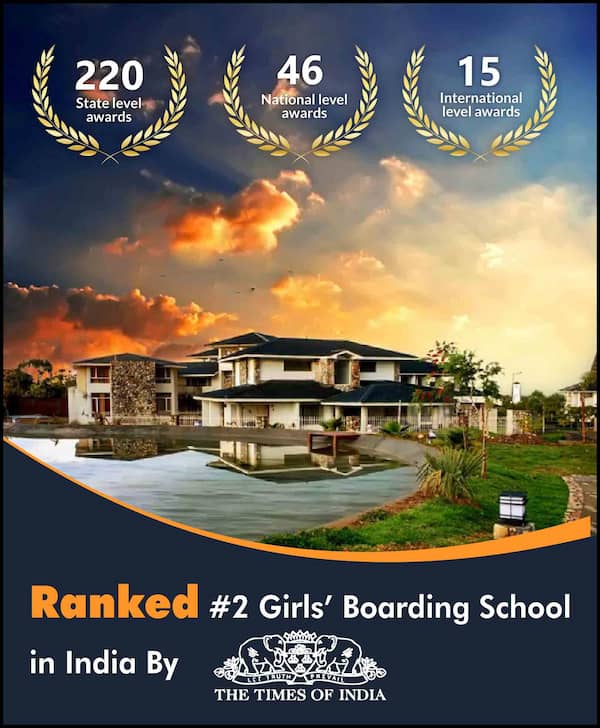
Even in structured environments like Boarding schools in India, the focus on continuous development reflects the core idea of learning.
Types of Continuous Education

Understanding Different Learning Approaches
This can take different forms depending on how and where learning happens.
1. Formal Learning
- Structured education system
- Schools, colleges, universities
- Certifications and degrees
2. Informal Learning
- Learning through daily life
- Conversations, experiences, reading
- No fixed structure or curriculum
3. Non-Formal Learning
- Workshops, seminars, online courses
- Skill-based training programs
- Flexible and goal-oriented
4. Self-Directed Learning
- Learning driven by personal interest
- Setting personal goals
- Using books, videos, or digital platforms
5. Experiential Learning
- Learning through doing
- Practical experiences and real-life situations
- Internships, projects, fieldwork
Key Theories of Continuous Education

Understanding the Foundations
Different theories explain how Continuous Education works and why it is effective.
1. Behaviorism
- Focuses on learning through repetition and reinforcement
- Rewards and feedback shape behavior
- Useful in skill-based learning
2. Cognitivism
- Emphasizes mental processes
- Learning involves understanding and memory
- Helps in problem-solving and decision-making
3. Constructivism
- Learning is built through experiences
- Learners actively create their own understanding
- Encourages critical thinking
4. Humanism
- Focuses on personal growth and self-development
- Learning is student-centered
- Promotes self-motivation and independence
5. Experiential Learning Theory (Kolb)
- Learning through experience and reflection
- Cycle: Experience → Reflection → Concept → Experimentation
These theories highlight that lifelong learning is not just about gaining knowledge but also about understanding, applying, and evolving.
Benefits of Continuous Education
Long-Term Advantages
| Area | Benefits |
|---|---|
| Personal Growth | Improved confidence and self-awareness |
| Career Development | Better job opportunities and adaptability |
| Social Skills | Improved communication and relationships |
| Mental Health | Active mind and reduced cognitive decline |
| Innovation | Encourages creativity and new ideas |
Lifelong learning also helps individuals stay curious and engaged, which is essential in a rapidly changing world.
Challenges in Continuous Education

Common Barriers
While Continuous Education offers many benefits, it also comes with challenges.
1. Lack of Time
- Busy schedules make it difficult to focus on learning
- Balancing work, family, and study can be tough
2. Financial Constraints
- Courses and training programs can be expensive
- Not everyone has access to resources
3. Lack of Motivation
- Learning requires consistency
- Without clear goals, people may lose interest
4. Technological Barriers
- Not everyone is comfortable with digital learning tools
- Limited access to the internet in some areas
5. Fear of Failure
- Some individuals hesitate to learn new things
- Fear of making mistakes can stop progress
How to Develop Continuous Education Habits
Practical Tips
Building a habit of lifelong learning does not require drastic changes. Small steps can make a big difference.
- Set clear and realistic learning goals
- Read regularly (books, articles, blogs)
- Take online courses or attend workshops
- Practice what you learn
- Stay curious and ask questions
- Learn from others and share knowledge
Exposure to global environments, such as those seen in Ecole Globale International Schools, often encourages a culture of continuous learning and curiosity.
Role of Technology in Lifelong Learning
Digital Learning in Modern Times
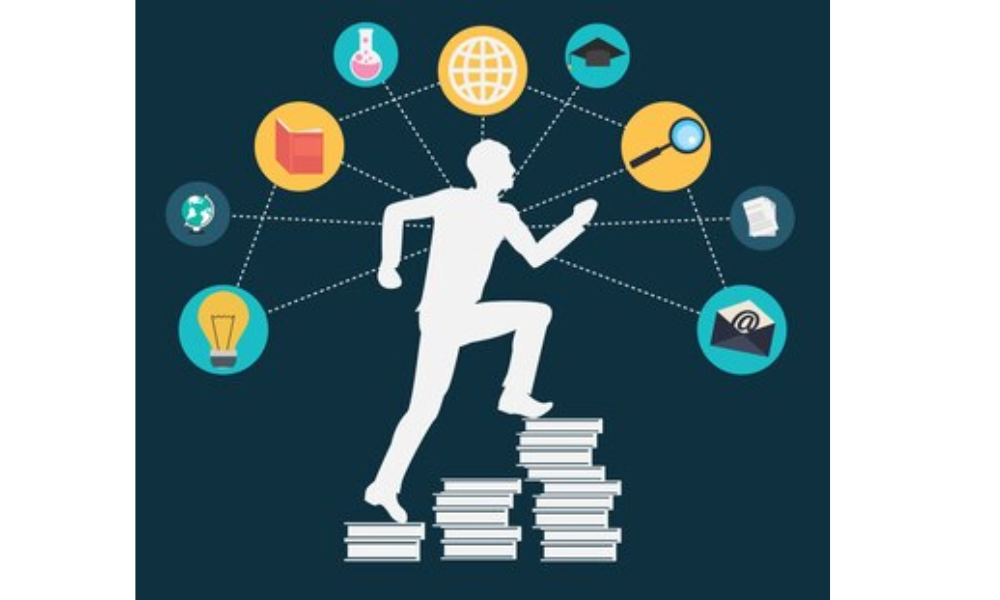
Technology has made lifelong learning more accessible than ever.
- Online platforms provide flexible learning options
- Educational apps make learning interactive
- Digital resources offer unlimited knowledge
From video tutorials to online certifications, technology supports learners at every level.
Conclusion
It is not just an educational concept — it is a way of life. It empowers individuals to grow, adapt, and succeed in an ever-changing world.
By understanding its importance, types, and theories, learners can make better decisions about how they learn and grow. While challenges exist, the benefits far outweigh them.
Whether you are a student starting your journey, a parent guiding your child, or an educator shaping young minds, embracing lifelong learning can lead to lasting success and fulfillment.
FREQUENTLY ASKED QUESTIONS
Q1. What is Continuous Education in simple words?
Ans: Continuous Education means continuously gaining knowledge and skills throughout your life, beyond formal education.
Q2. Why is Continuous Education important for students?
Ans: It helps students stay adaptable, improve skills, and prepare for future academic and career challenges.
Q3. What are examples of Continuous Education?
Ans: Reading books, taking online courses, attending workshops, and learning new skills are common examples.
Q4. How can adults start Continuous Education?
Ans: Adults can begin by setting goals, enrolling in courses, reading regularly, and learning from daily experiences.
Q5. What are the main types of Continuous Education?
Ans: The main types include formal, informal, non-formal, self-directed, and experiential learning.