





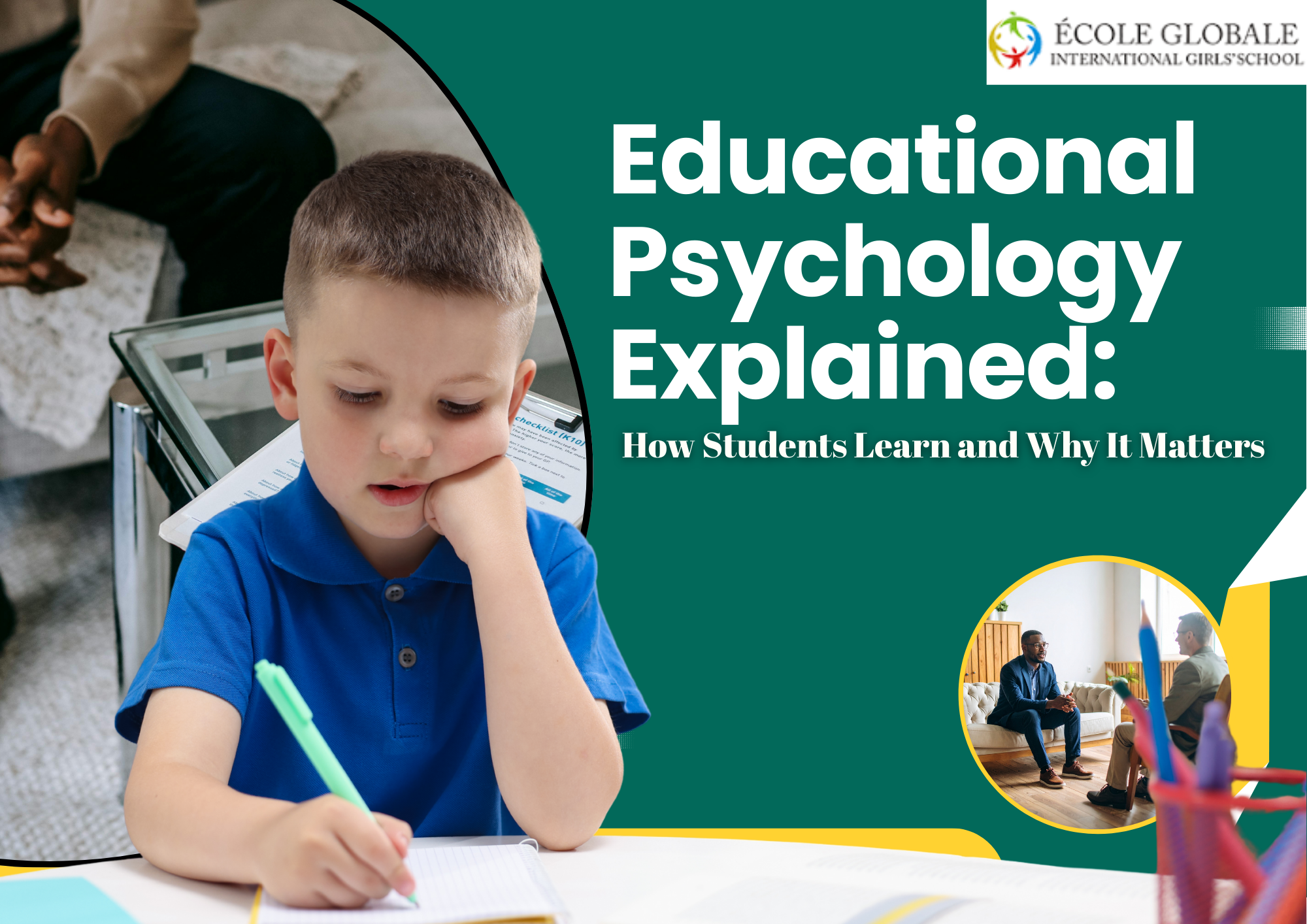
Educational psychology is a vital field that explains how students learn, think, and behave in educational environments. By understanding mental processes, emotional development, and learning patterns, educators can design teaching methods that truly support student success.
In today’s diverse classrooms—where students differ in abilities, motivation, and emotional needs—this plays a critical role in creating effective, inclusive, and engaging learning experiences.
What Is Educational Psychology?

This is the branch of psychology that focuses on how people learn in academic settings. It examines learning styles, memory, intelligence, motivation, behavior, and emotional development to improve teaching and assessment methods.
This discipline helps educators understand:
Why students learn differently
How motivation affects academic performance
What teaching strategies improve retention and understanding
By applying psychological principles, schools can support both academic growth and emotional well-being.
Importance of Educational Psychology in Learning

This is important because it bridges the gap between teaching theory and classroom reality. It enables teachers to adapt instruction based on how students actually learn.
Key Benefits:
Improves student engagement and focus
Supports individualized learning approaches
Helps identify learning difficulties early
Enhances classroom management and discipline
Builds positive teacher–student relationships
When learning aligns with students’ cognitive and emotional needs, outcomes naturally improve.
Role of Educational Psychology in Teaching

Psychology guides teachers in choosing effective instructional methods rather than relying on one-size-fits-all approaches.
1. Understanding Learning Styles
Students learn through visual, auditory, reading/writing, and kinesthetic methods. Educational psychology helps teachers use multiple teaching strategies to reach every learner.
2. Improving Motivation
By understanding intrinsic and extrinsic motivation, teachers can encourage students through:
Goal setting
Positive reinforcement
Meaningful feedback
Motivated learners show higher confidence and better academic performance.
3. Classroom Behavior Management
Educational psychology provides insight into behavior patterns and emotional triggers, allowing teachers to:
Manage discipline positively
Reduce anxiety and stress
Promote self-regulation
This leads to calmer, more productive classrooms.
Educational Psychology and Student Development
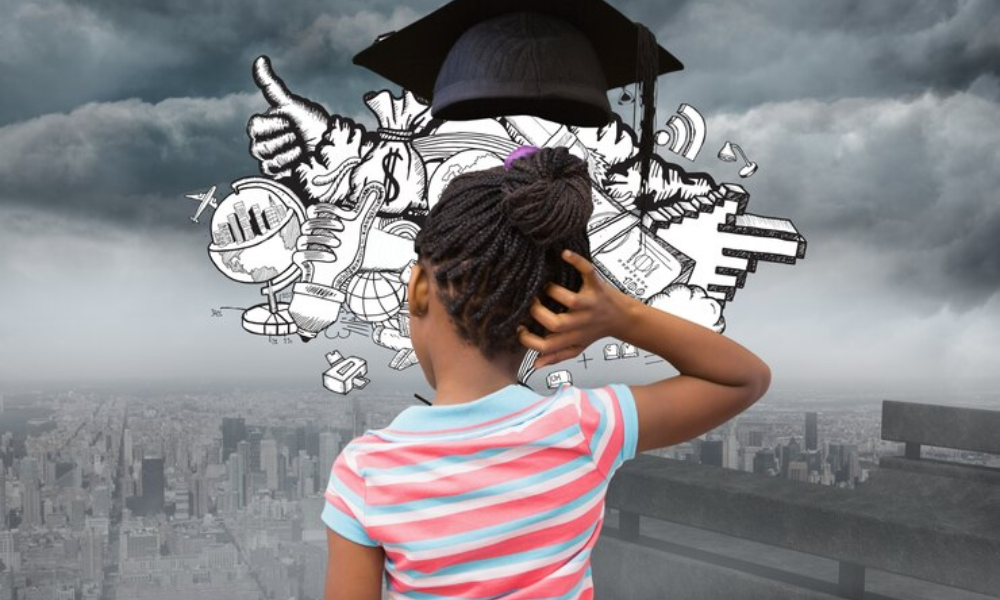
Learning is not just academic—it is emotional, social, and behavioral.
Educational psychology supports:
Cognitive development (thinking, reasoning, memory)
Emotional growth (confidence, resilience)
Social skills (collaboration, empathy)
Moral development (values, responsibility)
This holistic approach ensures students grow into well-rounded individuals, not just high scorers.
Educational Psychology in Assessment and Evaluation
Traditional exams do not reflect every student’s abilities. This promotes fair and meaningful assessment methods, such as:
Formative assessments
Skill-based evaluations
Continuous feedback systems
These approaches reduce pressure and help teachers measure real learning progress rather than rote memorization.
Role in Inclusive and Special Education
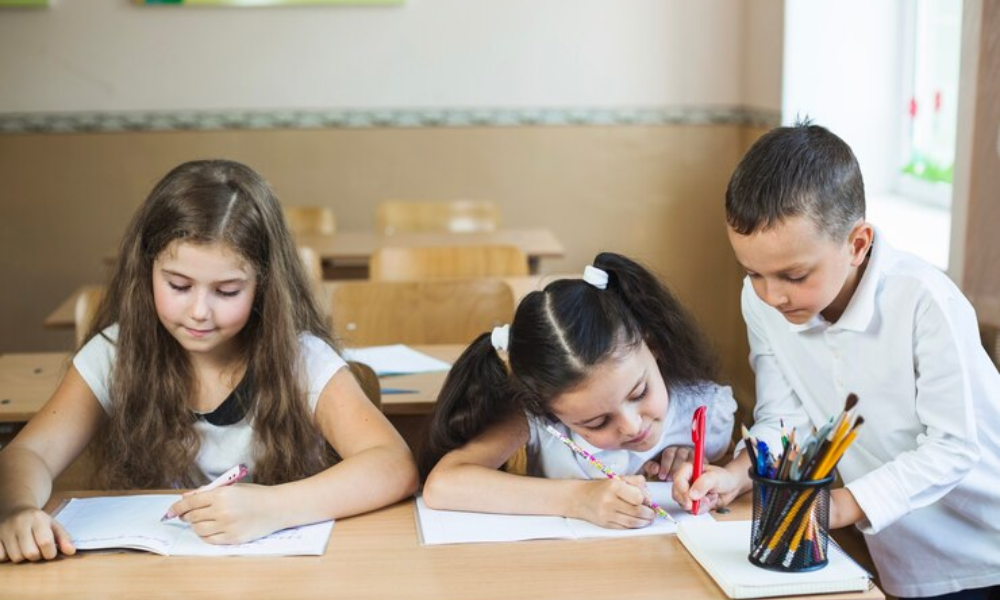
It is especially important for:
Students with learning disabilities
Gifted learners
Students with emotional or behavioral challenges
Psychological assessment helps identify individual needs and design personalized learning plans, ensuring equal learning opportunities for all students.
Educational Psychology in Modern Education Systems
With digital learning, hybrid classrooms, and global exposure, educational psychology is more relevant than ever. It supports:
Online learning engagement
Student attention in digital environments
Emotional balance in high-pressure academic systems
Schools that apply educational psychology principles create student-centered learning environments that prepare learners for real-world challenges.
Why Parents Should Understand Educational Psychology
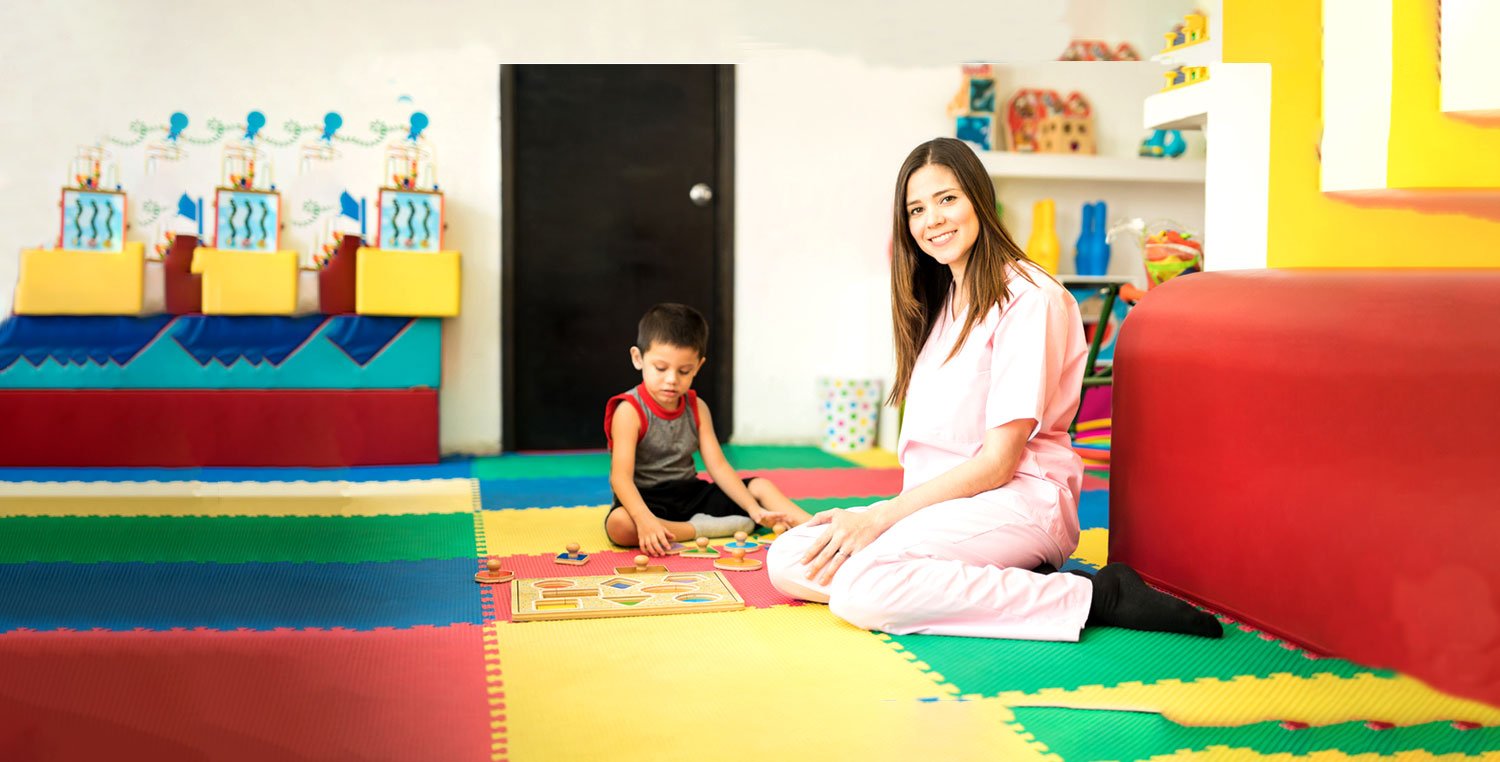
Parents who understand educational psychology can:
Support their child’s learning style at home
Reduce academic pressure and anxiety
Build healthier study routines
Communicate better with teachers
This shared understanding between parents and educators strengthens a child’s overall development.
Conclusion
Itis the foundation of effective education. It helps educators teach better, students learn smarter, and schools create balanced environments that support both academic excellence and emotional well-being.
By applying the principles of psychology, modern education can move beyond rote learning toward meaningful, lifelong learning experiences.
FREQUENTLY ASKED QUESTIONS
Q1. What is educational psychology in simple terms?
Ans: It studies how students learn and behave in educational settings to improve teaching and learning outcomes.
Q2. Why is this important for teachers?
Ans: It helps teachers understand learning differences, manage classrooms effectively, and use teaching methods that improve student performance.
Q3. Does this help students with learning difficulties?
Ans: Yes, It plays a key role in identifying learning challenges and creating personalized learning strategies.
Q4. Is educational psychology useful for parents?
Ans: Absolutely, It helps parents support their child’s emotional, cognitive, and academic development.
Q5. How is educational psychology used in schools?
Ans: It is applied in teaching methods, assessment systems, classroom management, counseling, and inclusive education programs.