



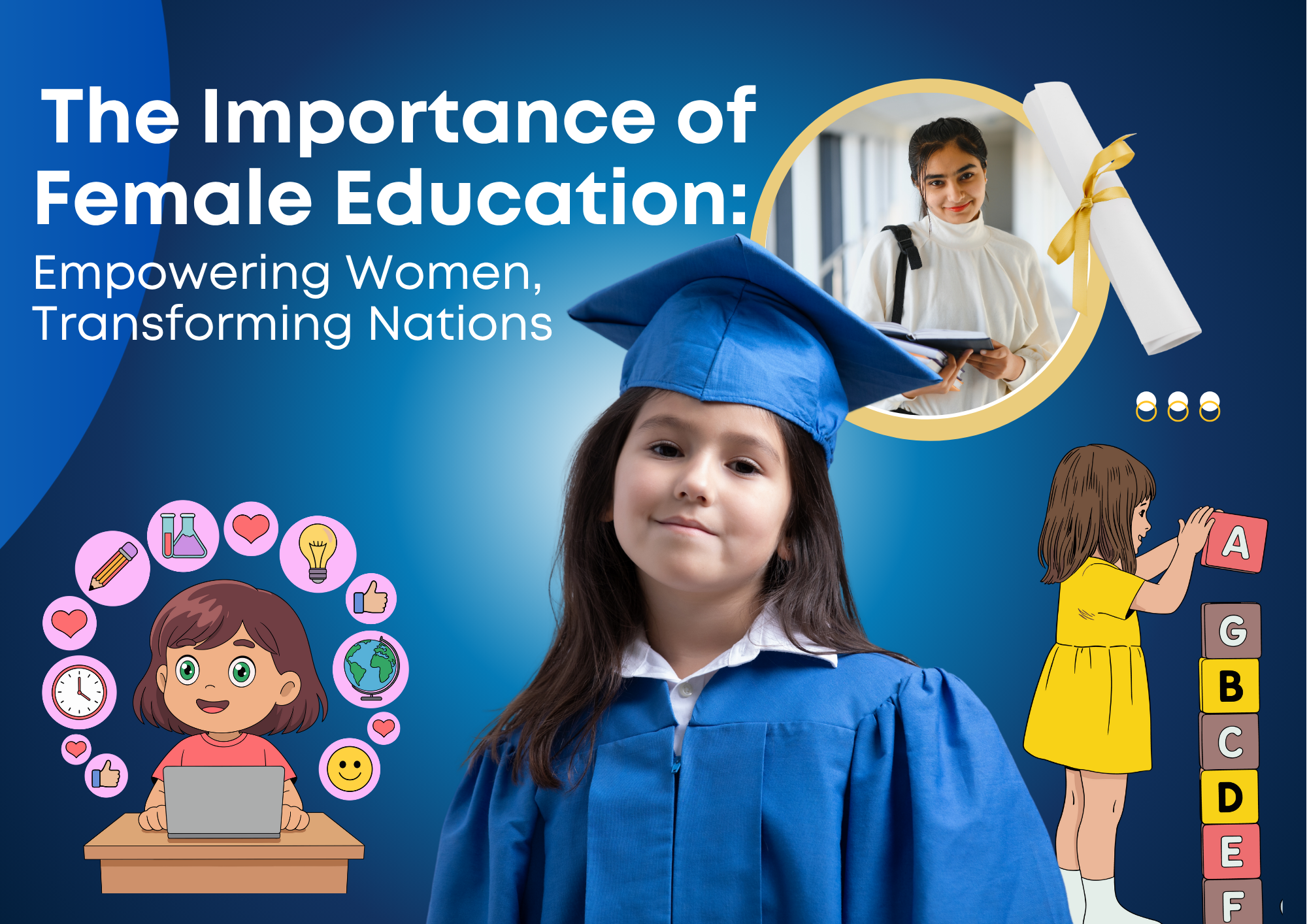
Education is not just a pathway to personal growth — it is the foundation of a progressive and equitable society. When women are educated, entire communities benefit. The importance of female education lies in its power to break cycles of poverty, improve health outcomes, and promote gender equality. Educated women contribute meaningfully to the economy, raise healthier families, and become leaders who inspire change.
Unfortunately, despite progress, millions of girls worldwide still face barriers to education — including poverty, early marriage, and cultural biases. Addressing these challenges is essential for global development and social justice.
Why Importance of Female Education Matters

1. Promotes Gender Equality
Female education is key to achieving gender equality. When girls receive the same learning opportunities as boys, they can pursue careers, make informed choices, and participate fully in public life. Education empowers women to challenge stereotypes and fight discrimination.
2. Boosts Economic Growth
Educating women is one of the most effective ways to boost national economies. Studies show that each additional year of schooling for girls increases their future earnings by up to 10–20%. Women reinvest their income into their families and communities, creating a ripple effect of prosperity.
3. Improves Health and Well-being
Educated women are more aware of health, hygiene, and nutrition. They are better equipped to make informed healthcare decisions for themselves and their families. According to UNESCO, children of educated mothers are twice as likely to survive beyond the age of five.
4. Reduces Child Marriage and Poverty
Girls who stay in school are less likely to marry early and more likely to build independent, secure lives. Female education delays childbearing, improves family planning awareness, and reduces poverty rates.
5. Strengthens Future Generations
Educated mothers place a higher value on education for their children. They tend to raise more confident, literate, and socially aware individuals. Thus, educating girls today ensures educated families tomorrow.
Barriers to Female Education
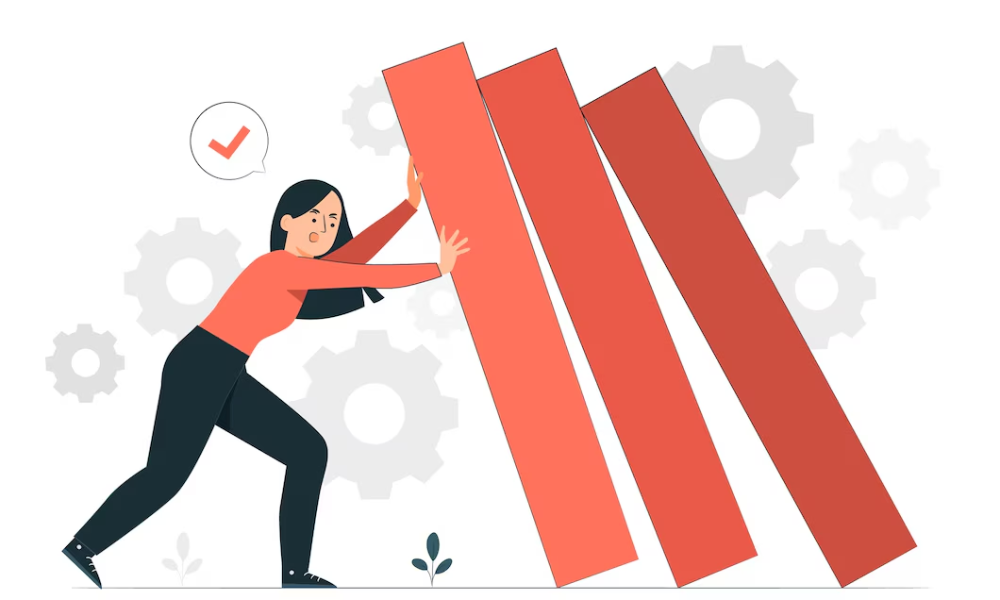
While the importance of female education is universally recognized, several barriers persist:
Economic hardship: Families often prioritize boys’ education due to financial constraints.
Cultural norms: In some regions, social traditions restrict girls’ access to schools.
Lack of infrastructure: Unsafe travel routes, absence of female teachers, and inadequate sanitation discourage attendance.
Early marriage and domestic responsibilities: Many girls leave school early to help at home or get married.
Addressing these issues requires systemic reforms, policy commitment, and community involvement.
Global and Indian Perspective
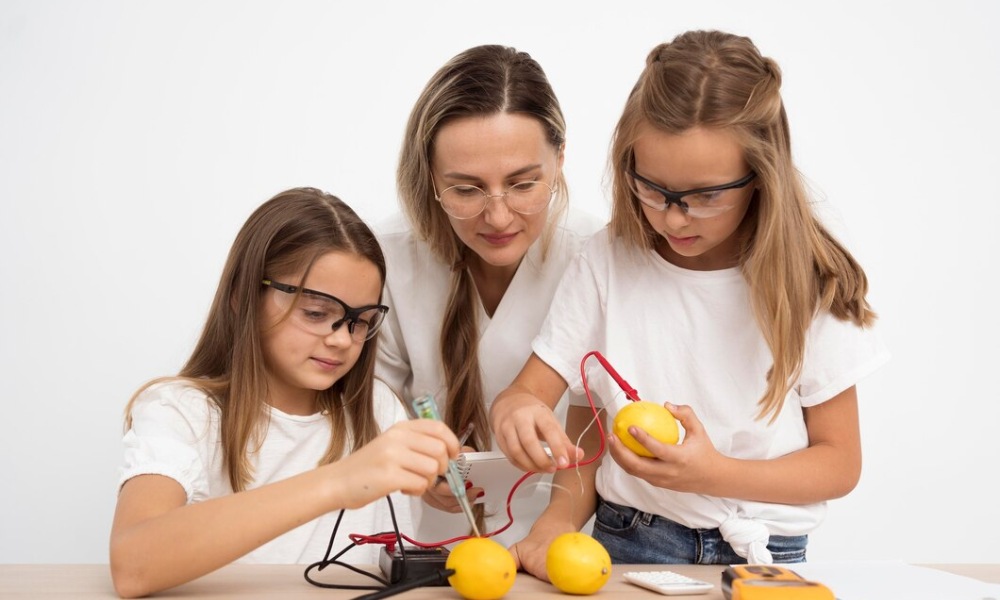
Globally, organizations like UNICEF and UNESCO continue to advocate for universal education. In India, initiatives like Beti Bachao Beti Padhao, Sarva Shiksha Abhiyan, and National Scheme of Incentive to Girls for Secondary Education have made a significant impact.
The enrollment of girls in schools has increased over the years, particularly in rural India. However, dropout rates remain a challenge — often linked to financial and social constraints. Empowering girls through scholarships, safe schools, and mentorship programs can bridge this gap effectively.
Long-Term Benefits of Female Education
Increased Civic Participation: Educated women are more likely to vote and participate in social and political processes.
Innovation and Leadership: Female education fosters creativity, critical thinking, and leadership in every field — from science to business.
Environmental Awareness: Educated women play an active role in promoting sustainability and environmental protection.
Global Peace and Stability: Nations with higher female literacy rates experience lower levels of conflict and greater stability.
How Schools and Communities Can Promote Female Education

Provide scholarships and financial aid to reduce dropout rates.
Ensure safety and accessibility through secure transport and hygienic facilities.
Encourage community awareness to change conservative mindsets.
Train female teachers who can serve as mentors and role models.
Integrate life skills education that empowers girls to make informed life decisions.
Conclusion
The importance of female education cannot be overstated — it is the cornerstone of equality, growth, and peace. When a girl is educated, she not only transforms her own life but uplifts her entire community. As Malala Yousafzai said, “One child, one teacher, one book, and one pen can change the world.”
Empowering girls through education is not a choice — it’s a necessity for building a just, prosperous, and sustainable future.
Frequently Asked Questions — Importance of Female Education
Q1. Why is female education important for society?
Ans: Female education leads to gender equality, economic development, and improved family health — strengthening society as a whole.
Q2. How does educating girls help reduce poverty?
Ans: Educated women earn higher incomes, make better financial decisions, and invest in their children’s education, breaking the cycle of poverty.
Q3. What are the main challenges faced by girls in accessing education?
Ans: Challenges include poverty, gender bias, early marriage, and lack of safe, accessible schools.
Q4. How does female education impact health outcomes?
Ans: Educated women are more aware of healthcare, child nutrition, and hygiene, leading to healthier families and lower mortality rates.
Q5. What role can governments play in promoting female education?
Ans: Governments can introduce scholarships, awareness campaigns, and policies ensuring free and safe education for every girl.