




In today’s rapidly changing academic world, schools are exploring innovative teaching methods to make learning more engaging, interactive, and effective. One of the most powerful strategies transforming classrooms worldwide is Gamification in Education. At Ecole Globale International Girls’ School, this approach is not just a trend—it has become an essential part of the learning culture, helping students stay motivated, confident, and curious.
At Ecole Globale, a distinguished institution committed to academic excellence, gamification serves as a powerful tool to make learning both enjoyable and effective. This article delves into the concept of gamification in education, explores its applications at Ecole Globale, and examines its impact on student engagement and academic achievement.
What Is Gamification in Education?
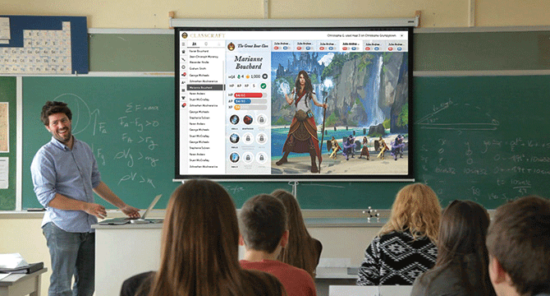
Gamification in Education means adding game-like elements—such as points, badges, rewards, challenges, and leaderboards—to traditional learning activities. It does not replace learning; instead, it makes the learning process more joyful and meaningful. Students feel more involved because they learn through activities, problem-solving, teamwork, and creative challenges rather than rote memorisation.
Why Ecole Globale Embraces Gamification
Ecole Globale believes that learning should spark excitement and curiosity. By using Gamification in Education, teachers create environments where students:
Stay motivated to complete tasks
Participate actively in activities
Retain information for longer
Get instant feedback and make improvements
Develop critical thinking and creativity
Gamified learning helps students experience education rather than just memorising it.
How Gamification in Education Works at Ecole Globale
1. Point and Reward Systems
Students earn points or badges when they complete assignments, participate in class discussions, or show creativity. These small achievements build confidence and promote consistent effort.
2. Challenge-Based Learning
Teachers create interesting missions, puzzles, and real-life challenges that students must solve using the concepts they learn in class. This makes learning practical and enjoyable.
3. Leaderboards Encouraging Healthy Competition
Friendly competition motivates students to perform better. Leaderboards encourage students to give their best while teaching them teamwork, sportsmanship, and resilience.
4. Interactive Digital Tools
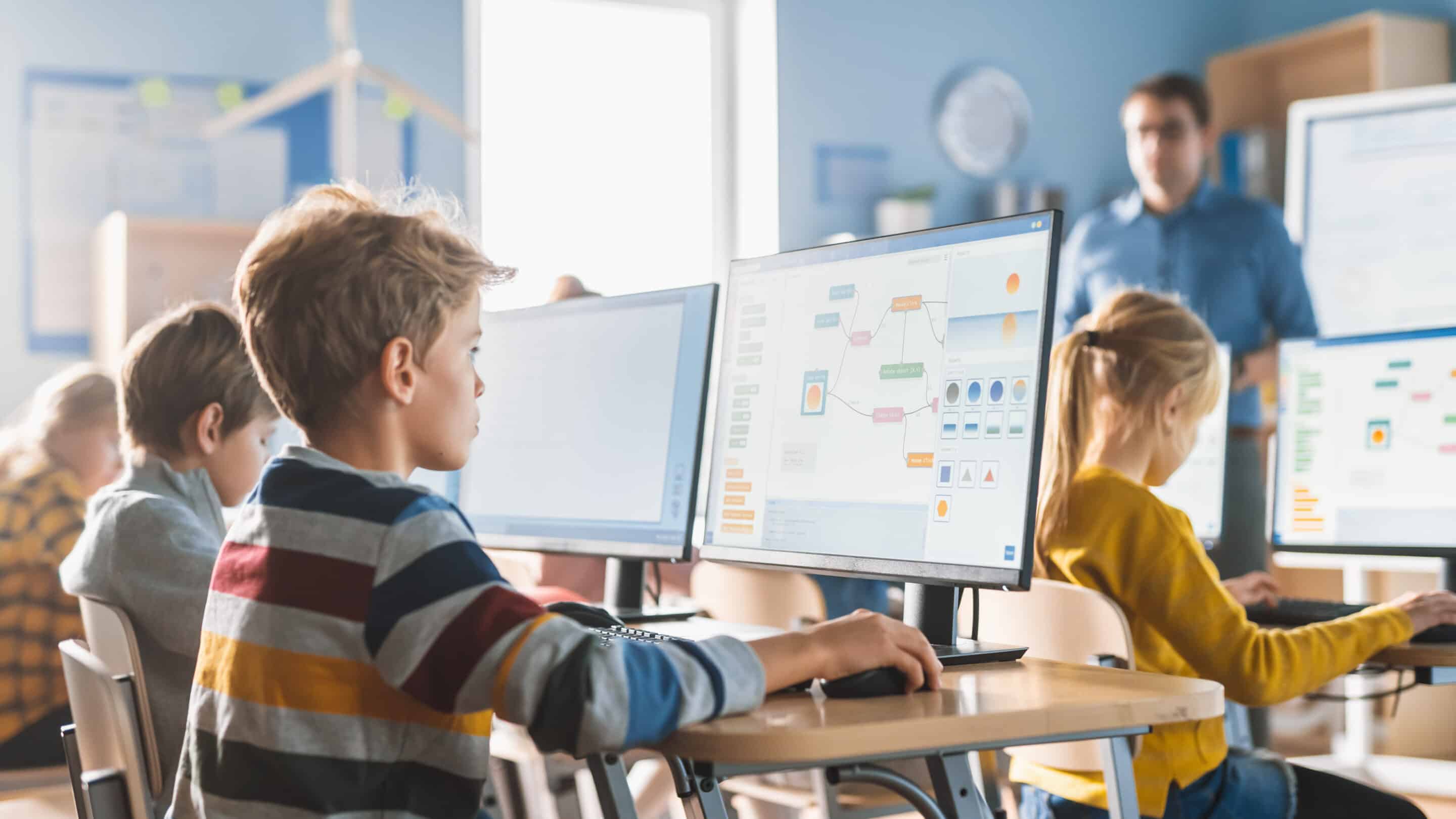
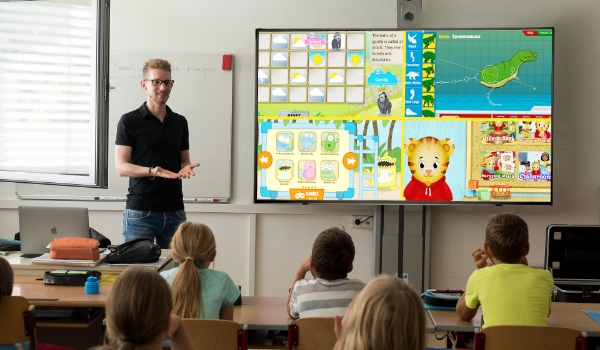
Ecole Globale uses smartboards, educational apps, quizzes, simulations, and game-based learning platforms to make subjects like science, math, and languages more interactive.
5. Classroom Activities That Feel Like Games
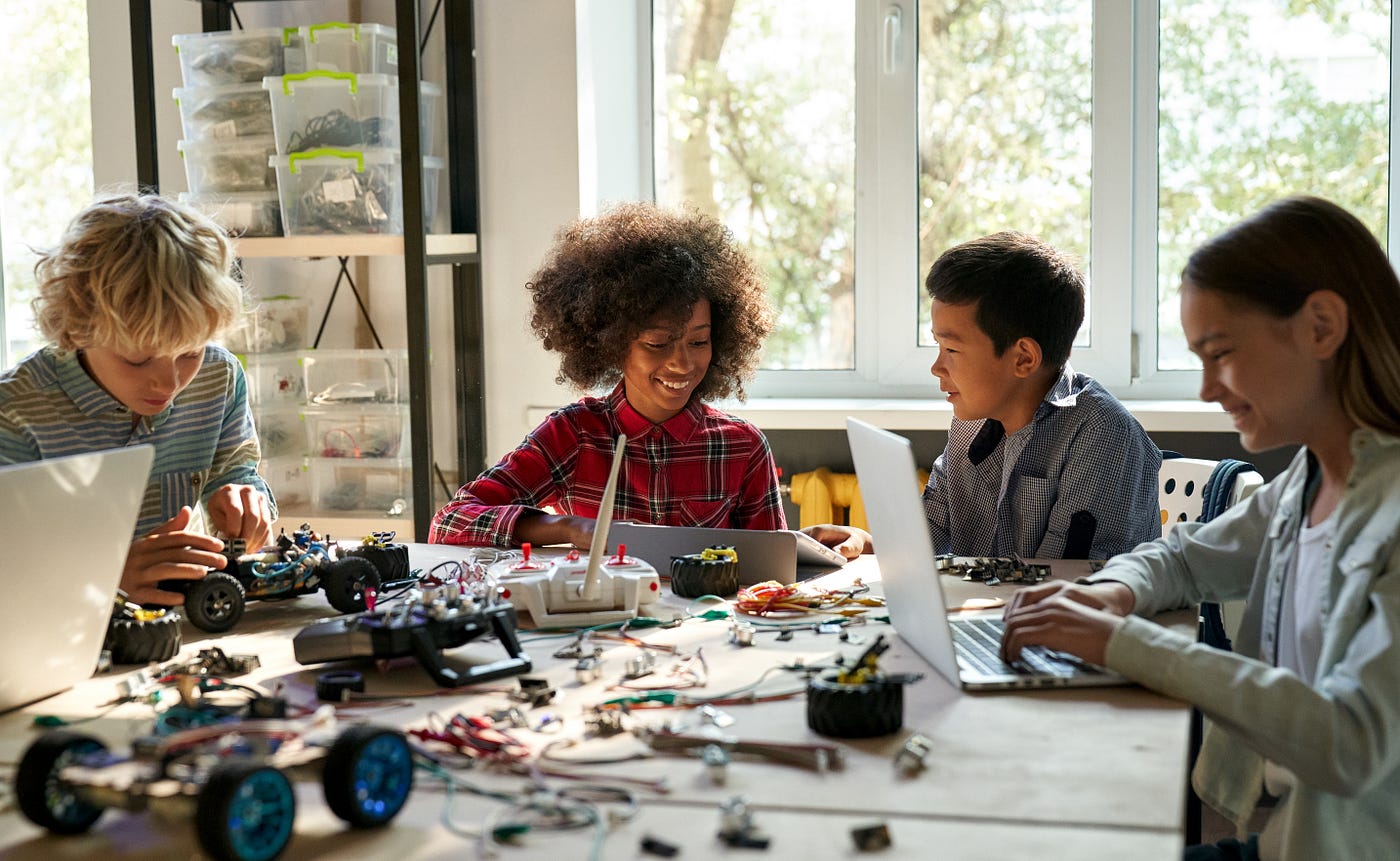
Activities such as treasure hunts, role-play, story-building, and group competitions help students develop multiple skills such as communication, leadership, and strategic thinking.
Benefits of Gamification in Education at Ecole Globale
1. Increased Student Engagement
Gamified lessons grab students’ attention instantly. When learning feels like a game, students willingly participate and enjoy classroom activities.
2. Better Academic Performance
By using Gamification in Education, Ecole Globale helps students understand concepts deeply. Practical activities strengthen memory, helping students perform better academically.
3. Stronger Problem-Solving Skills
Game-based challenges help students think creatively, analyse situations, and come up with smart solutions—skills essential for future careers.
4. Boosts Confidence and Motivation
When students earn achievements, even small ones, they feel more confident. This motivates them to keep improving.
5. Encourages Collaboration
Many gamified activities require teamwork. Students learn collaboration, communication, and leadership—skills needed in real life.
Gamification Beyond the Classroom
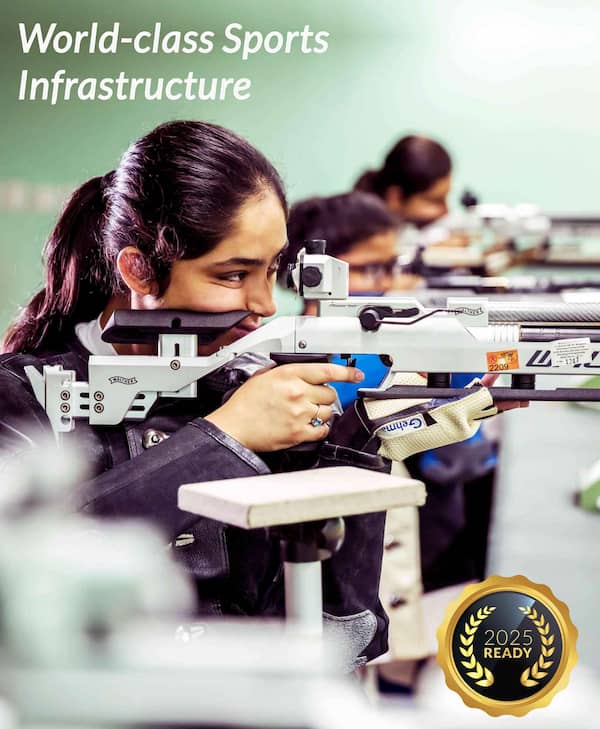
At Ecole Globale, Gamification in Education extends beyond academics. It is used in sports, clubs, dorm activities, and school events to build a strong sense of participation and community. Students learn discipline, time management, and resilience through fun, meaningful engagement.
Conclusion
Gamification in Education is transforming learning at Ecole Globale by making it exciting, interactive, and impactful. By adding game-like elements into lessons, the school helps students build confidence, develop essential life skills, and achieve academic excellence. For the students of Ecole Globale, learning is not a task—it’s a thrilling journey.
FAQs on Gamification in Education
Q1. What is Gamification in Education?
Ans: Gamification in Education refers to using game-like elements—such as points, rewards, levels, and challenges—to make learning fun, engaging, and interactive. It helps students stay motivated and improves understanding.
Q2. How does gamification help students learn better?
Ans: Gamified learning encourages participation, offers instant feedback, and makes lessons more enjoyable. This increases focus, enhances memory retention, and helps students understand concepts more deeply.
Q3. Why is Gamification in Education effective at Ecole Globale?
Ans: At Ecole Globale, gamification is integrated into classroom activities, assignments, and digital tools. Students learn through challenges, teamwork, and creative tasks, which keeps them excited and actively involved.
Q4. What skills do students develop through gamified learning?
Ans: Students build problem-solving skills, creativity, collaboration, time management, leadership, and critical thinking—all essential for academic and real-world success.
Q5. Does gamification reduce academic pressure?
Ans: Yes, Gamification makes learning feel less stressful by turning lessons into enjoyable activities. Students feel motivated rather than pressured, which improves their confidence and overall performance.
Q6. Can gamification be used in all subjects?
Ans: Absolutely, Gamification works well in subjects like science, math, language, social studies, and even extracurricular activities. It can be adapted to any topic where interactive learning enhances understanding.