



In today’s fast-changing world, education alone is no longer enough to succeed. While degrees and certificates can open doors, it is skills—the practical abilities you develop and apply every day—that truly shape your future. Understanding the importance of skills in life helps you grow as a person, adapt to challenges, and stay relevant in your career.
This article explores why skills matter, the types of skills you need, and how to build them for long-term success.
Why Skills Are Crucial for Everyone
Skills are more than technical knowledge; they are the building blocks of success in every area of life. Here’s why the importance of skills in life cannot be ignored:
1. Adaptability in a Rapidly Changing World
Technology and industries are evolving faster than ever. The ability to learn new skills and adapt to change ensures you remain competitive, whether in school, work, or entrepreneurship.
2. Greater Career Opportunities
Employers look for more than academic qualifications. Communication, problem-solving, and digital literacy are often the deciding factors when hiring or promoting someone.
3. Boosted Confidence and Independence
When you develop useful skills—like financial planning or critical thinking—you gain confidence to handle everyday challenges without relying heavily on others.
4. Personal Growth and Life Satisfaction
Skills like time management, self-discipline, or empathy help you live a balanced, meaningful life and build strong relationships.
Types of Skills Essential in Life

To understand the importance of skills in life, it helps to recognize the different kinds of skills that shape your personal and professional success.
Hard Skills (Technical Skills)
These are specific, teachable abilities often learned through education or training. Examples include:
Computer programming
Data analysis
Accounting
Foreign language proficiency
Graphic design
Hard skills are measurable and often listed on a résumé, but they are only one part of the equation.
Soft Skills (Interpersonal Skills)
Soft skills determine how you interact with people and handle situations. Key soft skills include:
Communication and active listening
Leadership and teamwork
Emotional intelligence
Conflict resolution
Adaptability and flexibility
Soft skills are just as important as hard skills because they help you work well in teams and build strong networks.
Life Skills
Life skills are practical abilities that help you navigate everyday challenges. Examples:
Financial literacy
Time management
Problem-solving
Decision-making
Critical thinking
These skills empower you to live independently and make sound choices.
Digital Skills
In a technology-driven world, digital skills such as social media management, cybersecurity awareness, and online research are increasingly essential.
The Role of Skills in Education and Career

For Students
Developing skills like time management, effective note-taking, and public speaking enhances learning and prepares students for the demands of the workforce.
For Professionals
Technical expertise combined with soft skills such as leadership and emotional intelligence creates opportunities for promotions and career shifts.
For Entrepreneurs
Entrepreneurs must master skills like negotiation, marketing, and financial planning to grow their businesses and manage risk.
Building Skills for a Better Future
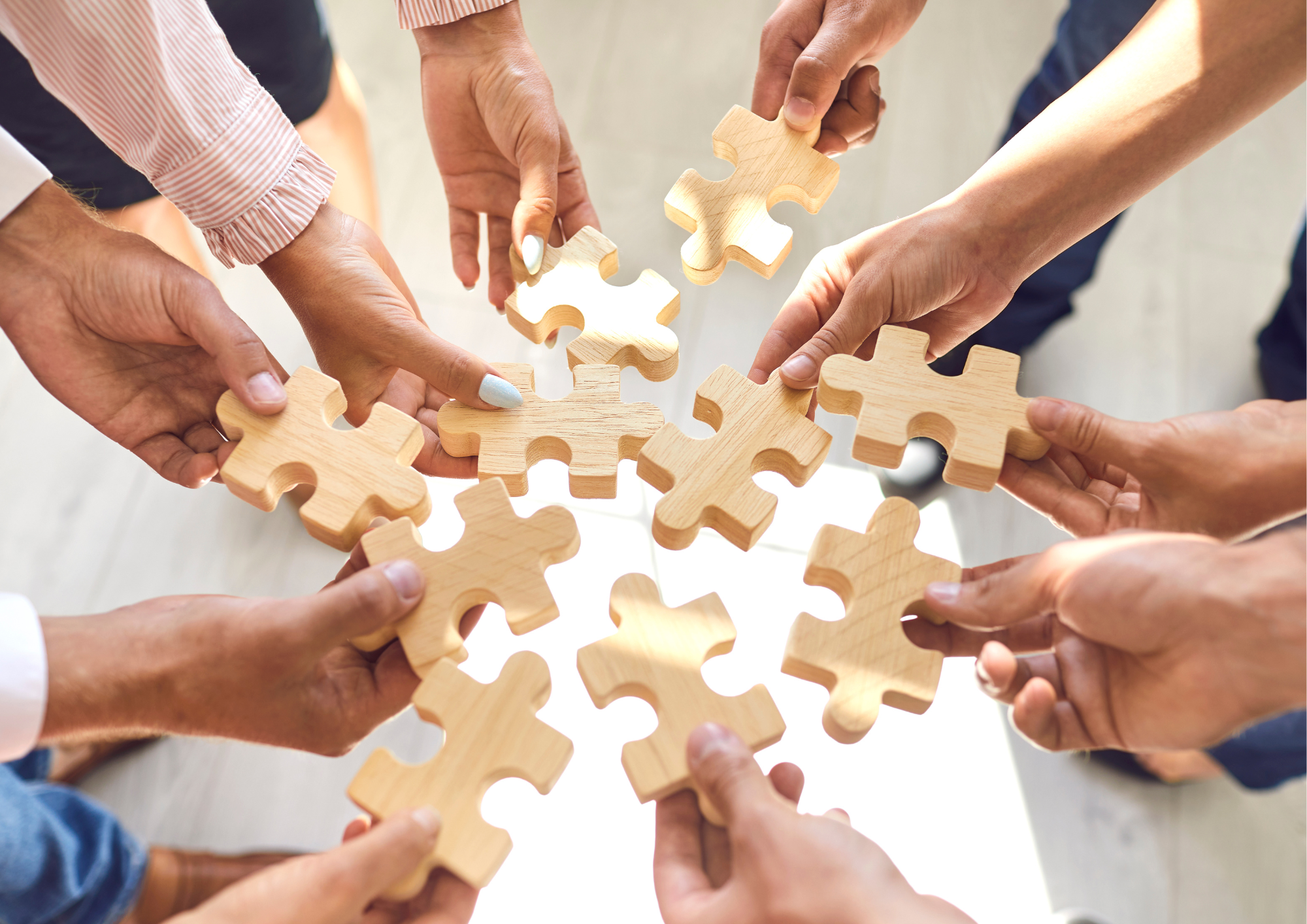
Recognizing the importance of skills in life is just the first step—you need to actively build them.
1. Lifelong Learning
Enroll in courses, attend workshops, and stay curious. Continuous learning keeps your skills relevant.
2. Practice and Application
Skills develop through consistent practice. Apply what you learn in real-life situations to strengthen your abilities.
3. Seek Feedback
Constructive feedback helps you identify strengths and areas for improvement.
4. Networking and Collaboration
Interacting with people from different backgrounds exposes you to new perspectives and skill sets.
5. Self-Reflection
Regularly evaluate your progress and set new goals to keep improving.
How Skills Shape Personal Life
The importance of skills in life goes beyond career success. Skills like empathy, conflict resolution, and effective communication help you build healthy relationships. Financial skills ensure you manage money wisely. Time management allows you to balance work, family, and personal interests.
Future of Skills in a Digital Age

The job market is changing rapidly due to automation and artificial intelligence. Skills such as critical thinking, creativity, and digital literacy will continue to be in demand. The ability to learn and adapt—often called a “growth mindset”—will be one of the most valuable skills of all.
Key Takeaways
Skills empower you to adapt, succeed, and live independently.
A combination of hard, soft, life, and digital skills is essential.
Continuous learning and practice are critical to stay relevant.
The importance of skills in life extends beyond work to personal well-being and happiness.
FREQUENTLY ASKED QUESTIONS
Q1. Why are skills more important than degrees today?
Ans: Degrees provide foundational knowledge, but skills show how effectively you can apply that knowledge in real-world situations.
Q2. Which skills are essential for students?
Ans: Time management, communication, critical thinking, and digital literacy are key skills that help students succeed academically and professionally.
Q3. How can adults develop new skills?
Ans: By taking online courses, joining professional workshops, and practicing through real-life projects.
Q4. Are soft skills as valuable as hard skills?
Ans: Yes, soft skills like communication and teamwork often determine career growth and success as much as technical abilities.
Q5. What is the most important skill for the future?
Ans: Adaptability and the ability to keep learning new skills will be the most valuable qualities in the fast-evolving digital world.