




Education is evolving faster than ever, and today’s students need more than memorisation to succeed. They require creativity, problem-solving, communication skills, and real-world exposure. This is where innovative teaching methods come in.
These methods change the traditional classroom into a dynamic, engaging, and student-centered learning environment. In this article, we explore what innovative teaching methods are, why they matter, and how they are shaping the future of education.
What Are Innovative Teaching Methods?

Innovative teaching methods are modern approaches that focus on interactive learning, critical thinking, and practical application instead of passive listening. They encourage students to participate, explore, question, and apply what they learn. These methods support different learning styles and make education more meaningful and enjoyable.
For example, instead of only reading about a concept, students may participate in a real experiment, group project, virtual field trip, or interactive discussion that helps them understand the idea better.
Why Innovative Teaching Methods Matter

Students today grow up in a digital and highly connected world. Traditional teaching alone often cannot match their curiosity or pace. Innovative teaching methods help bridge this gap.
They make learning more relevant to real life, build important life skills, and increase student involvement. When students enjoy learning, they remember concepts better and develop confidence in their abilities.
Different Types of Innovative Teaching Methods

- Project-Based Learning
In project-based learning, students explore real problems or questions through long-term projects. This method encourages teamwork, research, and analytical thinking. It helps students apply their knowledge to real-life situations, making learning more meaningful.
- Inquiry-Based Learning
This method allows students to ask questions, explore ideas, and find answers through investigation. Teachers act as guides, helping students develop curiosity, independent thinking, and problem-solving skills.
- Flipped Classroom
In a flipped classroom, students learn basic concepts through videos or reading material at home and use class time for discussions, activities, and problem-solving. This approach allows deeper understanding and more personalised support during class.
- Gamification
Gamification uses game-like elements such as quizzes, rewards, challenges, and digital games to make learning exciting. Students stay motivated because they enjoy the competitive and interactive nature of the method.
- Technology-Enhanced Learning
Using tools like interactive whiteboards, learning apps, simulations, and virtual reality improves engagement. Technology connects students to global information, supports personalised learning, and makes complex topics easier to understand.
- Collaborative Learning
In collaborative learning, students work together in small groups. They share ideas, solve problems, and learn from one another. This method builds communication, teamwork, and social skills—qualities essential for future careers.
How Innovative Teaching Methods Help Students

Innovative methods create active learners instead of passive listeners. Students gain confidence as they express ideas, participate in activities, and solve problems independently.
They also develop essential life skills like critical thinking, creativity, decision-making, and leadership. Learning becomes enjoyable, reducing fear of failure and encouraging experimentation.
These methods also support different learning styles. Whether a student learns best through visuals, listening, movement, or hands-on activities, innovative teaching ensures everyone finds an approach that works for them.
Role of Teachers in Innovative Teaching
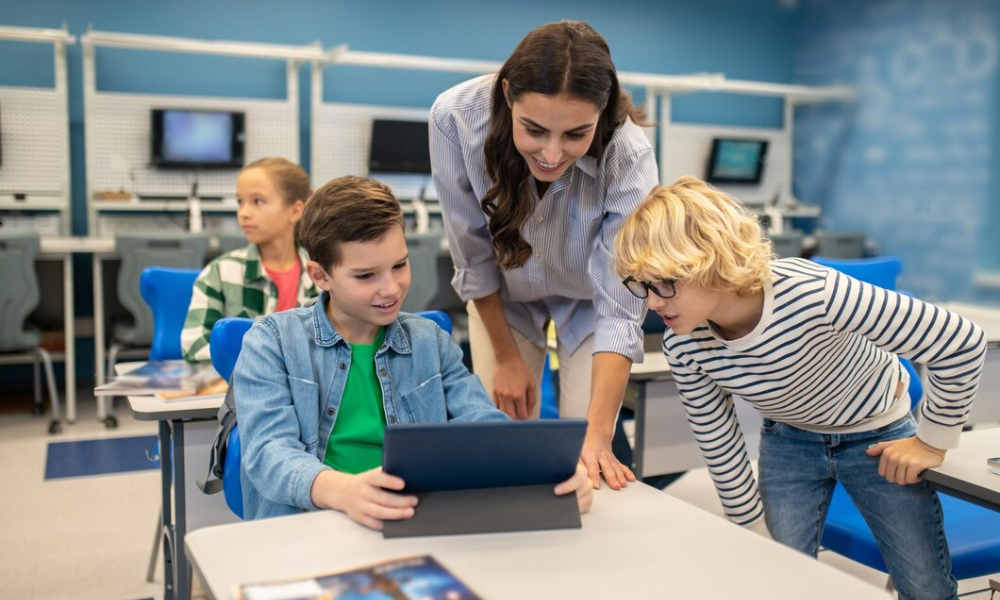
Teachers play a crucial role in implementing innovative teaching. They become mentors, facilitators, and guides rather than only instructors. Modern teachers encourage curiosity, create safe spaces for discussion, and design activities that promote understanding.
They also adapt lessons for individual needs, making learning more inclusive and effective.
Challenges in Using Innovative Teaching Methods

Introducing modern teaching methods requires training, planning, and resources. Some blended classrooms may face challenges like limited technology or time constraints. Teachers must also balance innovation with completing the required syllabus.
However, with proper support and gradual implementation, these methods create long-lasting positive impact.
Conclusion
Innovative teaching methods are reshaping education by making learning more interactive, meaningful, and connected to real life. They help students develop essential skills, build confidence, and prepare for a fast-changing world. As schools adopt these approaches, classrooms become places where creativity grows, questions are encouraged, and learning becomes a natural, enjoyable process.
Frequently Asked Questions
Q1. What are innovative teaching methods?
Ans: They are modern teaching approaches that focus on interactive, practical, and student-centered learning.
Q2. Why are innovative teaching methods important?
Ans: They make learning engaging, build essential skills, and prepare students for real-world challenges.
Q3. Do innovative methods replace traditional teaching?
Ans: Not completely. They complement traditional learning by adding creativity and interaction.
Q4. Are innovative methods suitable for all students?
Ans: Yes, because they support different learning styles and encourage participation.
Q5. How do teachers apply innovative methods in classrooms?
Ans: Through group activities, projects, technology tools, discussions, and hands-on tasks.
Q6. Does technology play a role in innovative teaching?
Ans: Absolutely, Digital tools enhance learning, simplify complex topics, and increase student engagement.