






In today’s world, students need more than just strong academics. They need confidence, teamwork, problem-solving ability, and communication skills. These qualities together form leadership skills for students, and they play a huge role in shaping a student’s future—whether in school, college, or professional life.
The good news? Leadership is not something you’re born with. It can be learned and practiced at any age, especially during school years.
What Are Leadership Skills for Students?

Leadership skills are traits that help students guide themselves and others toward positive outcomes. They include decision-making, taking responsibility, managing time well, communicating clearly, and staying confident in challenging situations.
These leadership skills for students prepare them to handle group projects, competitions, school responsibilities, and eventually real-world situations.
Why Leadership Skills Are Important for Students

Helps Build Confidence
When students take the lead—whether in class discussions or small activities—they learn to trust their abilities. This confidence carries over into exams, interviews, and future workplaces.
Improves Communication
Leaders need to express their thoughts clearly. Students with leadership experience become better speakers and listeners, which helps them academically and socially.
Encourages Better Decision-Making
Students learn to analyze options, consider consequences, and choose wisely. This skill is especially important while selecting subjects, careers, or participating in group tasks.
Teaches Responsibility
Leadership encourages students to take ownership of tasks. This sense of responsibility helps them become disciplined and reliable individuals.
Boosts Teamwork
Leaders know how to work well with others. Students learn the importance of cooperation, patience, and understanding different perspectives.
Prepares Them for Future Careers
Leadership is one of the most in-demand skills worldwide. Students with early leadership experience stand out in college applications and job interviews.
Simple Ways Students Can Build Leadership Skills
1. Participate in School Activities
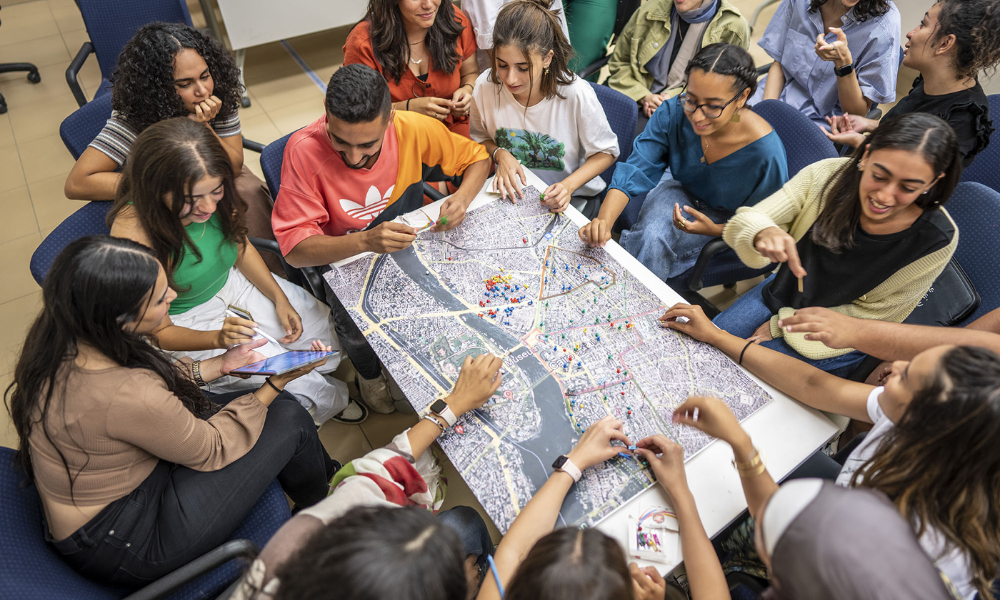
Joining a club, sports team, or student council gives students real-world experience in teamwork and decision-making.
2. Take Initiative in Class
Volunteering for small tasks—like organizing notes, helping classmates, or leading a project—builds leadership naturally.
3. Practice Good Communication
Speaking politely, listening attentively, and expressing ideas clearly all help strengthen leadership qualities.
4. Learn Time Management
Managing homework, study schedules, and extracurriculars teaches students how to plan effectively—an essential leadership trait.
5. Develop Problem-Solving Skills
Students who try to find solutions instead of waiting for help learn how to handle challenges calmly.
6. Observe and Learn from Good Leaders
Teachers, parents, coaches, and even peers can inspire leadership qualities through everyday actions.
A Simple Real-Life Example: Leadership skills for students

Think of a student named Aarav who is shy and avoids group projects. One day, his teacher asks him to coordinate a small activity for his classmates. Aarav hesitates but agrees. He divides tasks, ensures everyone participates, and helps solve a small conflict.
By the end of the activity, Aarav feels more confident. He realizes he can lead—even in small ways. This is how leadership often begins: with tiny steps that grow with time.
Pros and Cons of Students Developing Leadership Skills
| Pros | Cons |
|---|---|
| Builds confidence and communication | Students may feel pressure if expectations are too high |
| Encourages independence and critical thinking | Requires consistent practice |
| Strengthens academic and career profile | Can be challenging for introverted students initially |
| Improves teamwork and discipline | Needs guidance from teachers/parents |
Key Takeaways
Leadership skills help students become confident, responsible, and future-ready. These skills are useful not only in school but in every stage of life. Starting early makes a big difference, and even small daily habits can help students grow as leaders.
Conclusion
Leadership is not just about giving instructions or being the most outspoken student and youth are investing in the future. It’s about taking responsibility, supporting others, and staying calm during challenges. When students develop these skills early, they become better learners, better teammates, and eventually better professionals. Leadership skills for students with the right guidance and opportunities can become a strong leader in their own unique way.
FREQUENTLY ASKED QUESTIONS
Q1. Why are leadership skills important for students?
Ans: They help students become confident, responsible, and better prepared for school, college, and future careers.
Q2. Can introverted students become good leaders?
Ans: Absolutely. Leadership is about responsibility and decision-making, not just speaking loudly. Many great leaders are introverts.
Q3. How can students practice leadership at home?
Ans: By helping with chores, planning routines, guiding younger siblings, or taking initiative in daily tasks.
Q4. What is the easiest leadership skill to start with?
Ans: Communication. Listening actively and speaking clearly are easy habits to build.
Q5. Do leadership skills help in academics?
Ans: Yes, They improve focus, teamwork, planning, and confidence—all of which support better academic performance.