






Leadership is more than a position or a title—it is a set of skills that inspires, motivates, and guides people toward achieving common goals. The skill of leadership is one of the most sought-after abilities in today’s world, whether in academics, workplaces, or community settings.
Developing leadership skills empowers individuals to not only manage tasks but also influence people, make decisions, and shape the future of their teams and organizations.
In this article, we’ll explore the meaning of the skill of leadership, its importance, essential qualities of great leaders, and ways students and professionals can build these skills.
What Is the Skill of Leadership?

The skill of leadership refers to the ability to guide, influence, and support others to achieve shared objectives. Unlike management, which focuses on processes and structures, leadership is about people—motivating them, inspiring them, and helping them unlock their full potential.
Leadership skills include communication, problem-solving, decision-making, adaptability, empathy, and the ability to delegate. A strong leader combines these skills to foster trust and drive results.
Why Is Leadership Important?

The skill of leadership plays a crucial role in every aspect of life:
In Education: Students who develop leadership skills build confidence, teamwork, and responsibility. These qualities prepare them for future challenges.
In Careers: Leadership skills help professionals grow in their careers, manage projects, and lead teams effectively.
In Personal Growth: The skill of leadership strengthens decision-making, emotional intelligence, and resilience.
In Society: Leaders play a vital role in creating positive change and inspiring communities to work toward common goals.
Key Qualities of Effective Leaders
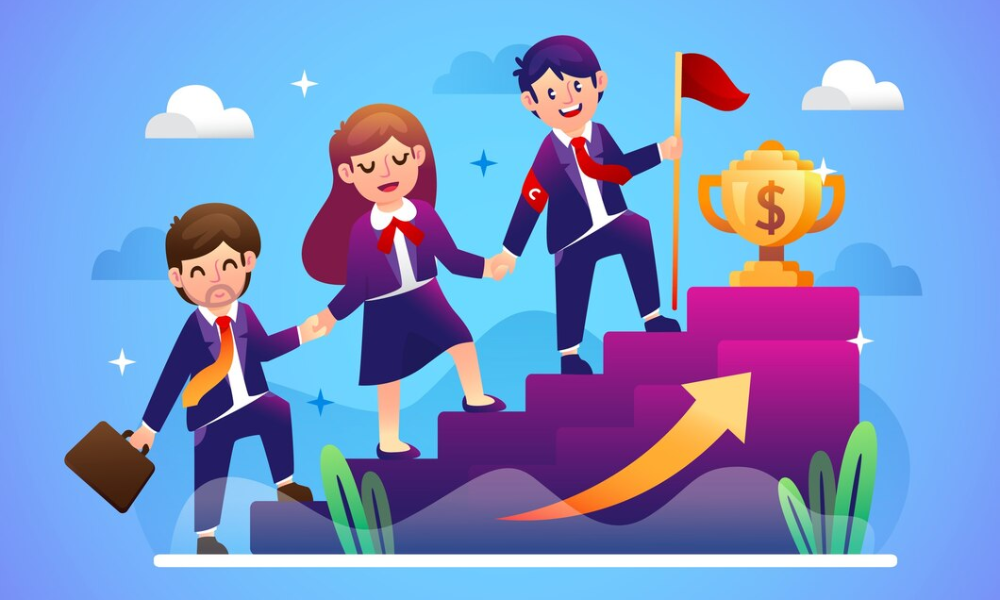
While every leader has a unique style, certain traits define effective leadership.
Communication: The ability to express ideas clearly and listen actively.
Vision: Seeing the bigger picture and inspiring others to pursue it.
Empathy: Understanding and valuing the emotions of others.
Decision-Making: Choosing the best course of action, even under pressure.
Accountability: Taking responsibility for successes and failures.
Adaptability: Being flexible in the face of change and challenges.
Delegation: Trusting team members with responsibilities to maximize efficiency.
Types of Leadership Skills

The skill of leadership is made up of both hard and soft skills, including:
Interpersonal Skills: Building relationships and trust.
Strategic Thinking: Planning for long-term goals and outcomes.
Conflict Resolution: Managing disagreements constructively.
Motivation: Inspiring individuals to give their best.
Teamwork: Encouraging collaboration to achieve success.
Developing the Skill of Leadership

The good news is that leadership can be learned and improved with practice. Here are some effective ways:
1. Start Small
Take leadership roles in group projects, community activities, or student clubs. Even small responsibilities teach decision-making and accountability.
2. Learn Communication Skills
Strong leaders are excellent communicators. Practice public speaking, active listening, and writing to strengthen this skill.
3. Embrace Challenges
Leadership often involves risk-taking. Facing challenges builds resilience and teaches problem-solving.
4. Seek Mentorship
Learn from experienced leaders by observing, asking questions, and receiving feedback.
5. Encourage Teamwork
Leadership is not about commanding but about collaborating. Promote inclusivity and recognize the contributions of others.
6. Practice Emotional Intelligence
Self-awareness and empathy are key to understanding team members and motivating them effectively.
Benefits of Leadership Skills

When students and professionals develop the skill of leadership, they unlock numerous benefits:
For Students: Improved confidence, academic performance, and preparation for future careers.
For Professionals: Faster career growth, opportunities for promotions, and recognition as reliable team players.
For Organizations: Higher productivity, stronger teamwork, and innovation.
For Society: Positive change, community development, and problem-solving.
Real-Life Examples of Leadership
Mahatma Gandhi demonstrated leadership by inspiring a nation through non-violence and truth.
Malala Yousafzai showed leadership by advocating for girls’ education globally despite challenges.
Elon Musk showcases leadership by driving innovation in space technology and renewable energy.
These examples highlight that the skill of leadership is not limited to positions of power but can be demonstrated in any field.
FREQUENTLY ASKED QUESTIONS
Q1. Can leadership skills be learned, or are they innate?
Ans: Leadership skills can be learned and developed through practice, training, and real-life experiences.
Q2. Why is leadership important for students?
Ans: It helps students build confidence, manage responsibilities, and prepare for future careers.
Q3. What are the most important leadership skills?
Ans: Communication, decision-making, empathy, adaptability, and accountability are key.
Q4. How can I improve my leadership skills daily?
Ans: Start small, communicate effectively, take responsibility, and practice teamwork.
Q5. Is the skill of leadership only for managers?
Ans: No. The skill of leadership is valuable for everyone—students, professionals, entrepreneurs, and community members.




Fantastic post! Your insights and detailed explanations really helped deepen my understanding of this topic. Looking forward to more content like this.