Understanding the levels of education in India helps families make informed decisions about learning pathways — from early childhood development to higher education and careers. India’s education system is vast and multi-layered, designed to ensure students receive age-appropriate learning, skill development, and structured progression.
In this article, we will break down each level of education, explain what students learn at every stage, compare academic goals, and clarify pathways that lead to further study or employment. We’ll also explore how these levels relate to opportunities like Boarding Schools in India, which often support holistic development across stages.
This guide is useful for parents, college-going students, and teenagers who want to know more about the Indian education system.
What Does “Levels of Education in India” Mean?
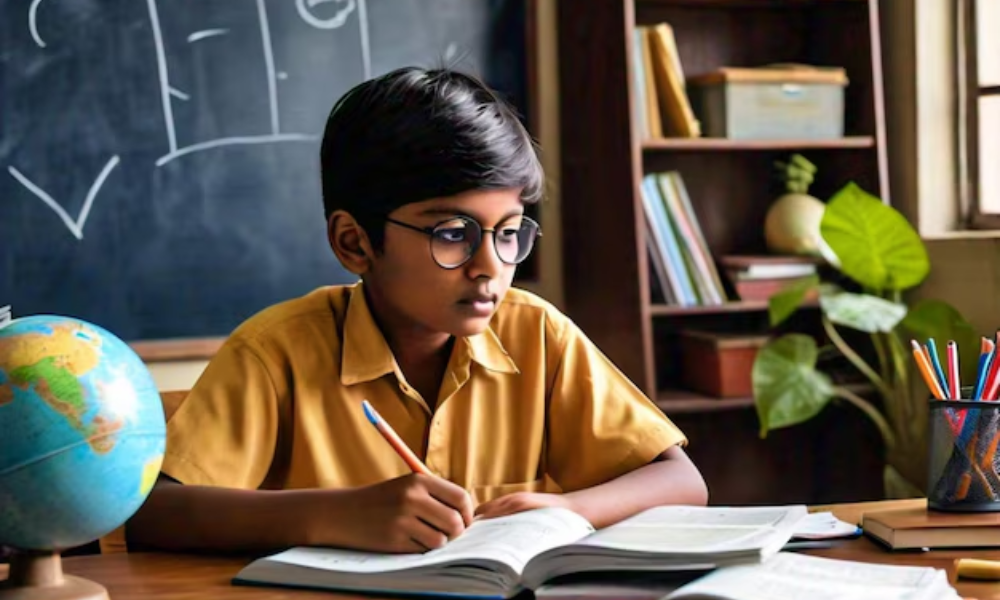
The levels of education in India refer to hierarchical stages that students progress through — beginning with early childhood learning and ending with postgraduate and professional studies.
Each level has distinct:
Age range
Academic focus
Learning outcomes
Evaluation standards
Overview: Levels of Education in India
| Level of Education | Age Range | Focus | Typical Duration |
|---|---|---|---|
| Pre-Primary | 3–6 yrs | Basic social & play skills | 2–3 years |
| Primary | 6–10 yrs | Foundation literacy & numeracy | 5 years |
| Upper Primary | 11–13 yrs | Build subject knowledge | 3 years |
| Secondary | 14–15 yrs | Intermediate academics | 2 years |
| Senior Secondary | 16–17 yrs | Advanced academics & streams | 2 years |
| Undergraduate | 18+ yrs | Bachelor degree | 3–4 years |
| Postgraduate | 21+ yrs | Master’s level | 2 years |
| Research & Doctoral | Varies | High-end specialization | 3–5+ years |
This structure forms the backbone of the Indian education system regulated by bodies like the Central Board of Secondary Education (CBSE), Council for the Indian School Certificate Examinations (CISCE), and various state boards.
Tip: At each stage, students should be guided to make choices suited to their strengths — focusing not only on academics but on values, creativity, and life skills.
Pre-Primary Education (Ages 3–6)

Pre-primary education is the first level of formal learning in India. It includes:
Nursery
Lower Kindergarten (LKG)
Upper Kindergarten (UKG)
Purpose: Develop basic social skills, creativity, motor skills, and curiosity.
This is the foundation that prepares children for primary school.
Primary Education (Ages 6–10)
Primary school is the first formal level of structured academic learning.
Key Features:
Literacy & numeracy foundations
Introduction to languages
Basic science and social studies
At this stage, students learn to read, write, and build learning habits.
Upper Primary Education (Ages 11–13)
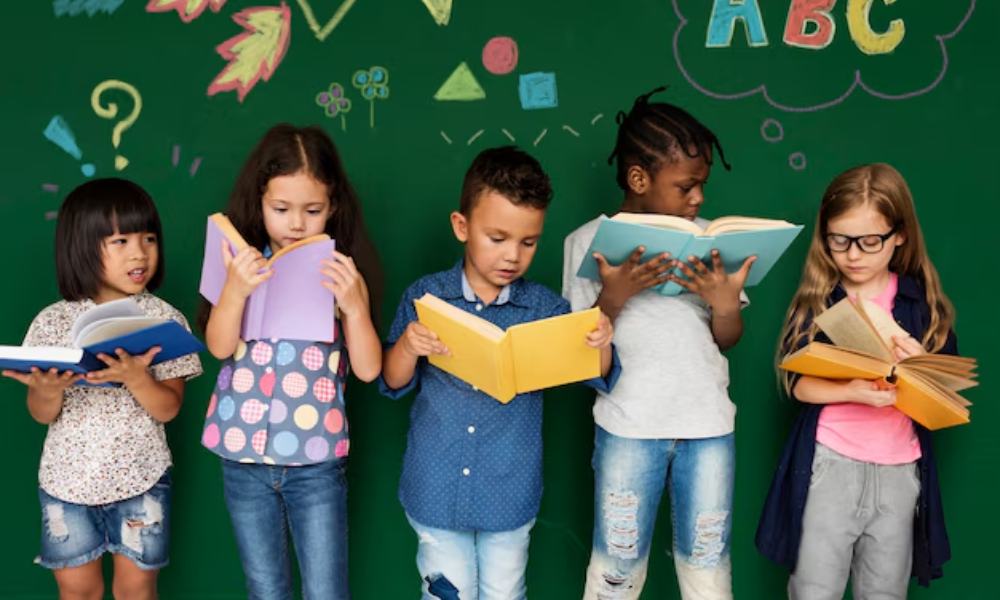
Upper primary is the bridge between foundational learning and deeper academics.
Focus Areas:
Mathematics expansion
Languages enhanced
Science experiments
Social science exploration
Upper primary strengthens logical thinking and subject comprehension.
Secondary Education (Ages 14–15)
Secondary education prepares students for more focused study.
Board Examinations: At the end of Class 10
Purpose:
Standardized assessment
Determine academic direction
Introduce elective interests
Boards like CBSE and CISCE conduct public exams at this stage.
Senior Secondary Education (Ages 16–17)
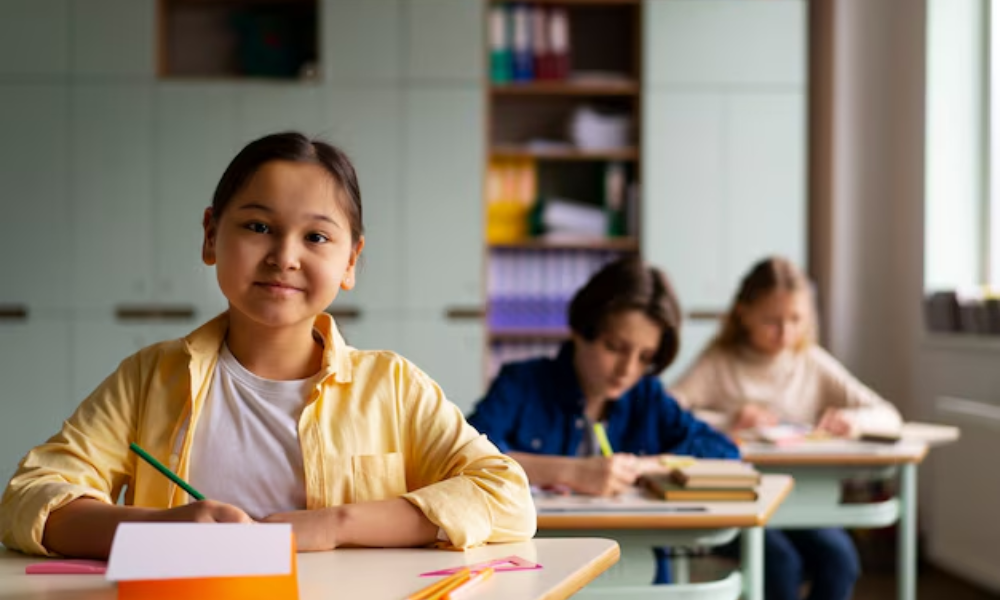
Senior secondary is often seen as the most critical stage.
Streams:
Science
Commerce
Humanities/Arts
Students choose based on:
Career interests
Aptitude
Future goals
Strong performance here influences university admissions and competitive exams.
Undergraduate Level (18+)
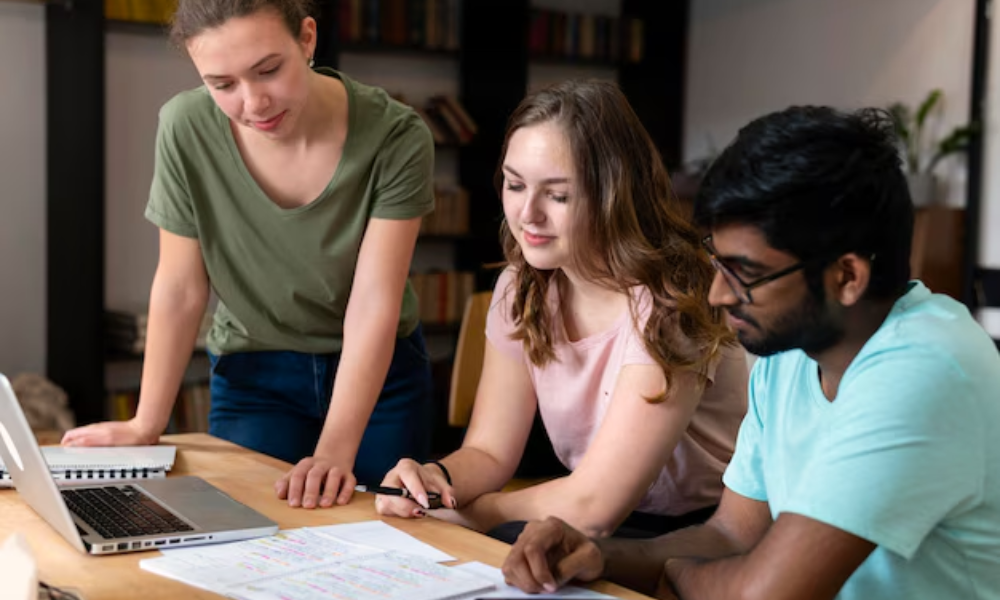
Post Class 12, students enter higher education.
Common options:
Bachelor of Arts (BA)
Bachelor of Science (BSc)
Bachelor of Commerce (BCom)
Professional degrees like BTech, MBBS, BBA, etc.
University choices depend on performance, interest, and competitive exams.
Postgraduate & Doctoral Level

After graduation, students may pursue:
Master’s degrees (MA, MSc, MCom, MBA)
Doctoral degrees (PhD)
Research programs
These levels focus on specialization, research, and expertise.
How Students Progress Through Levels
Below is a sample progression path:
Each level increases specialization and academic depth.
Why Parents and Teachers Should Understand These Levels
Parents and teachers play a crucial role in guiding students across the levels of education in India:
Helping with career choices
Providing emotional and academic support
Offering exposure beyond textbooks (e.g., arts, sports, social skills)
Encouraging participation in holistic learning environments like Boarding Schools in India
Linking to another useful resource: Learn more about top residential options in India here → Boarding Schools in India
Key Differences Between Levels of Education
| Aspect | Lower Levels (Pre-Primary / Primary) | Higher Levels (Senior Secondary / UG / PG) |
|---|---|---|
| Focus | Basic learning and habits | Specialization and career preparation |
| Teaching Style | Play-based and guided | Subject-focused and self-driven |
| Evaluation | Formative | Summative + Board exams |
| Decision Making | Guided by adults | Student choice and interests |
How to Choose the Right Path at Each Level
For Early Levels
Focus on curiosity and exploration
Encourage problem solving
Support social skills
For Secondary & Senior Secondary
Identify strengths and interests
Explore STREAM options (Science/Commerce/Arts)
Prepare for board and competitive exams
For Higher Education
Seek counseling
Consider career alignment
Gain exposure to internships and projects
Role of Holistic Learning Within Levels of Education
Holistic development plays a role at every level — not just academics. Activities like sports, arts, leadership, and community engagement support cognitive and emotional growth. Schools that incorporate value learning and life skills help students evolve into confident individuals.
Many institutions, including Boarding Schools in India, incorporate such structured environments that support students across academic stages.
Frequently Asked Questions (FAQs)
Q1. What are the main levels of education in India?
Ans: The main levels are Pre-Primary, Primary, Upper Primary, Secondary, Senior Secondary, Undergraduate, Postgraduate, and Doctoral.
Q2. What is the purpose of secondary education?
Ans: Secondary education provides foundational academic knowledge and prepares students for specialization.
Q3. At what age does senior secondary education begin?
Ans: Typically from age 16 after Class 10 board exams.
Q4. Are there vocational options within the levels of education?
Ans: Yes. Many boards and universities offer vocational streams and skill-based programs.
Q5. How do boarding schools fit into the levels of education?
Ans: Boarding schools offer structured environments for learning and life skills across multiple levels — from primary through senior secondary.
Q6. Is higher education mandatory after senior secondary?
Ans: No, but it is highly recommended for career growth and skill specialization.
Conclusion
Understanding the levels of education in India is essential for parents, teachers, and students. It helps shape academic planning, career direction, and emotional growth. Each level builds upon the previous one — from basic literacy to specialized knowledge — and provides opportunities for personal development.
With clear goals, supportive guidance, and exposure to quality learning environments (including structured options like Boarding Schools in India, students can navigate the educational journey confidently and successfully.