





The CBSE has unveiled a transformative update for the 2025 academic year: the CBSE Skill Modules. These new modules are designed to empower students with in-demand competencies—from Artificial Intelligence to coding, data science, satellite applications, and more.
With a total of 33 skill modules, the program amplifies hands-on learning, fosters critical thinking, and ensures that middle schoolers are not just academically proficient, but prepared for an uncertain future.
Why CBSE Skill Modules Matter
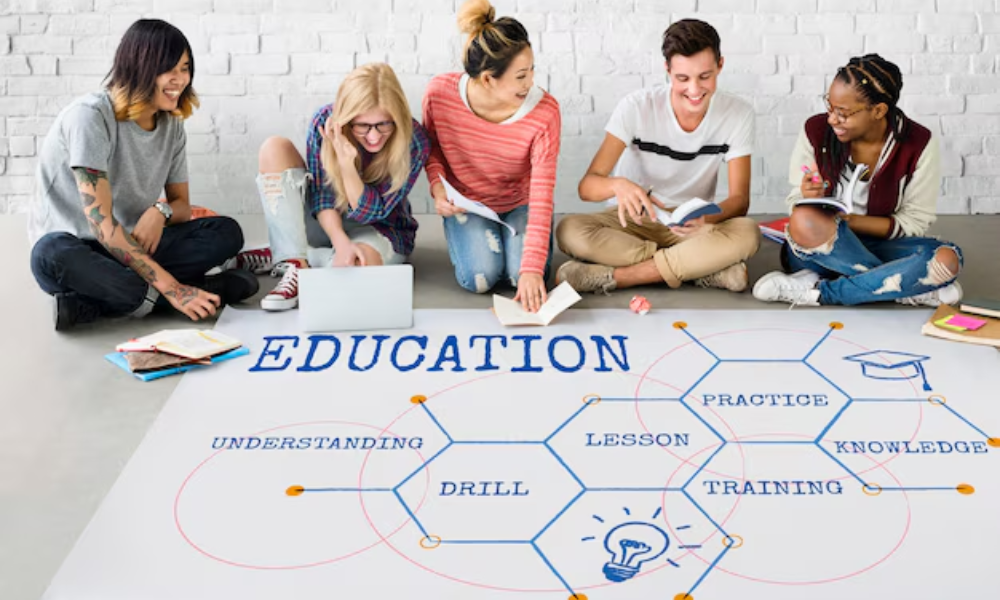
Education is no longer just about memorizing facts; it is also about understanding concepts. In a rapidly evolving world, students need digital fluency, problem-solving skills, creativity, and adaptability. The CBSE Skill Modules cater to precisely these needs:
Early Exposure to Advanced Concepts: Students in Classes 6, 7, and 8 will now explore Artificial Intelligence (AI), coding, data science, Augmented Reality (AR), and satellite technology—areas traditionally reserved for higher grades.
Practical, Activity-Based Learning: Each module includes 12–15 hours of hands-on engagement, focusing on real-world activities rather than rote theory.
Soft Skills and Heritage Education: In addition to tech modules, students gain exposure to financial literacy, media literacy, and cultural crafts such as Kashmiri embroidery, while also developing empathy and effective communication.
For parents and students, the message is clear: this initiative is far more than “extra classes.” It’s a strategic push by CBSE to craft well-rounded learners equipped with both domain expertise and essential life skills.
CBSE Skill Modules – A Breakdown of What Students Will Learn

To appreciate the full vision, let’s unpack some of the most impactful modules:
Artificial Intelligence (AI) – Introduces students to AI fundamentals, project cycles, ethics, hands-on Python basics, data literacy, math foundations, and generative AI. By Class 9, modules include Python programming, data visualization, and model development.
Coding and Programming – Curriculum co-developed with Microsoft, offering structured, industry-aligned coding experiences right from Class 6.
Data Science & Data Literacy – Students learn how to collect, interpret, visualize data, understand security, and build interactive dashboards—a foundation for data-driven thinking .
Augmented Reality & Satellite Technology – Hands-on exposure to AR, mixed reality, and satellite applications gives young learners a window into space technologies and immersive tools.
Life Skills – Financial literacy modules include banking basics and budgeting; mass media modules strengthen critical thinking about news and communication; health awareness ensures responsible citizens.
Cultural & Traditional Crafts – Modules on regional embroidery and arts foster cultural pride and creativity.
By blending cutting-edge tech with soft and heritage skills, the CBSE Skill Modules achieve a balanced, future-ready curriculum.
Implementation Strategy: How CBSE Skill Modules Roll Out

The CBSE has carefully planned the rollout strategy to ensure meaningful impact:
Module Duration & Structure
Each skill module will span approximately 12–15 hours and have a strong emphasis on activity-based learning (about 70%).Teacher Training & Partnerships
Educators will receive comprehensive upskilling in new domains like AI, AR, and satellite tech. Industry collaborations—such as with Microsoft for coding—ensure modules are relevant and hands-on.School Readiness and Resources
Schools must set up labs or learning spaces with the necessary tools—computers, software, internet, and craft materials. Teachers are expected to integrate real-world and project-based learning experiences, aligning with the National Education Policy (NEP) 2020’s vision.Inclusive & Co‑Scholastic Format
These modules are optional co‑scholastic offerings—meaning schools have flexibility in implementation timing and sequencing, ensuring maximum reach and productivity.
Benefits for Students and Parents

Here’s how students and families stand to gain:
Early Advantage: Starting from Class 6, students explore real-world technologies and soft skills before stepping into senior secondary education.
Bolstered Confidence: Tackling practical modules and building projects promotes confidence and a growth mindset in students.
Reduced External Burden: Schools now offer structured skill training that previously might have required costly coaching classes.
Holistic Development: Students not only learn AI or coding but also cultural crafts, finance, and media literacy—key for well-rounded growth.
According to Times of India, CBSE witnessed nearly 8 lakh enrollments in AI as a skill-subject for 2024–25—a testament to growing student interest and relevance.
Tips for Parents & Students: Making the Most of CBSE Skill Modules

Stay Informed: Speak to the school about module schedules. Encourage participation in skill-based classes and workshops.
Set Up for Success at Home: Ensure children have access to a computer, internet, and quiet workspace for tech or data modules.
Reinforce Learning: Engage children in discussions about what they learned—whether it’s making a small AI model at home, coding a simple script, or crafting.
Encourage Soft-Skills Practice: Budgeting exercises, craft projects, or mock media critiques at home can reinforce their school learnings.
Final Thoughts: A Leap Toward Future-Ready Education
The 2025 introduction of CBSE Skill Modules marks a watershed moment in Indian schooling. By integrating 33 modules spanning high-tech, life skills, and cultural crafts, CBSE is molding a generation of students who are curious, creative, culturally grounded, and technologically literate.
For students, it’s a thrilling opportunity to explore and experiment. For parents, it’s reassurance that their child’s education includes not just academics but vital 21st-century competencies—all under the school’s wing.
In essence, the CBSE Skill Modules forge a vital link between school learning and real-world skills, shaping future professionals, thinkers, and change-makers. Embrace this evolution, stay engaged, and gear up to watch your child blossom into a future-ready, confident learner.