



In a progressive step toward personalized education, the Central Board of Secondary Education (CBSE) has announced plans to implement a dual-level STEM curriculum for Classes 11 and 12 beginning in the academic year 2026–27.
This bold move is designed to give students more control over their learning by allowing them to choose between basic and advanced levels in core STEM subjects—Mathematics, Science, and more.
Rooted in the principles of the National Education Policy (NEP) 2020 and the National Curriculum Framework for School Education (NCFSE) 2023, this reform is all about empowering students to learn at their own pace and according to their strengths.
A Natural Progression from Class 10

This isn’t the first time CBSE has explored tiered learning. The dual-level STEM curriculum is inspired by the two-tier model already in place for Class 10 Mathematics. In that model, students can choose either a standard or a basic version of the subject. Both levels follow the same syllabus, but they differ in the complexity and application of concepts.
In the 2023–24 academic year, nearly 30% of Class 10 students opted for the basic level, signaling a significant demand for a more flexible and accommodating learning structure. This feedback laid the foundation for expanding the same model to higher secondary education, where academic pressure is typically the highest.
Expanding to Classes 9 and 10

CBSE has already approved a similar two-tier format for Science and Social Science in Classes 9 and 10, starting from 2026–27. This ensures that the flexibility offered by the dual-level STEM curriculum begins early in a student’s academic journey, preparing them for informed decision-making in the later years.
This shift reflects CBSE’s long-term commitment to providing differentiated academic pathways. It supports the development of learning systems that address individual abilities, learning styles, and future goals.
What Changes in Classes 11 and 12

For the first time, Class 11 students will have the option to select either a basic or advanced version of STEM subjects. This change will allow students with varied interests—whether they’re aiming for engineering colleges, careers in the arts, or vocational pathways—to choose a subject difficulty level aligned with their goals.
This dual-level STEM curriculum initiative will roll out once new NEP-aligned NCERT textbooks for Classes 9 through 12 are published, anticipated to begin later this year. The curriculum design ensures academic consistency while offering choice and adaptability.
Benefits of the Dual-Level STEM Curriculum
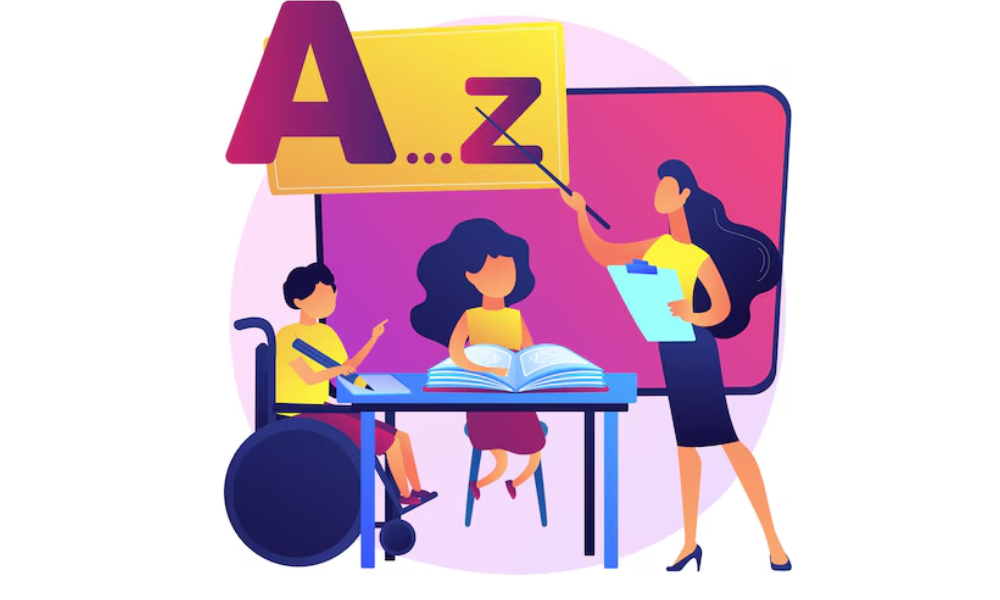
Personalized Academic Pathways
Students can tailor their subject load to match career aspirations. For example, an aspiring engineer may opt for advanced mathematics, while a future writer might prefer a basic track.Reduction in Academic Pressure
High school often brings overwhelming academic demands. This curriculum lowers stress by removing the one-size-fits-all model, letting students learn without unnecessary pressure.Improved Student Engagement
When content matches capability, students tend to be more engaged. Choosing a difficulty level appropriate to their strengths fosters intrinsic motivation.Alignment with NEP 2020 Goals
The curriculum aligns with NEP 2020’s vision of competency-based, student-centered learning. It reflects the educational philosophy of creating lifelong learners through flexible approaches.
Implementation Challenges
Though promising, the dual-level system brings certain logistical and structural challenges.
Standardization Across Levels
Ensuring fairness between basic and advanced versions of subjects is essential. Both must offer quality education and maintain equal academic value.Score Representation
There is ongoing discussion on how advanced-level performance will appear on report cards—possibly via supplementary annexures or tier-tagged grading systems.Access and Equity
A critical concern is making sure that students from under-resourced schools or regions aren’t pushed toward the basic tier due to lack of support or guidance.
If not carefully managed, this system could unintentionally create academic hierarchies, making it vital that teachers, schools, and policymakers work together to implement the model equitably.
Student and Educator Feedback

Pilot versions of the dual-level STEM curriculum were tested with select Class 9 students across Mathematics, Science, and Social Science. Feedback was highly positive. Students felt more in control of their learning, and teachers appreciated being able to tailor instruction to different learner profiles.
Educators, however, have expressed the need for proper training and resources to manage this transition effectively. Schools will also need clear guidelines on how to manage assessments, grading, and curriculum timelines.
Rollout Timeline
2026–27: Start of dual-level Science and Social Science in Class 9
2026–27: Expected rollout of dual-level STEM curriculum in Class 11 (post NCERT textbook release)
Post-Rollout: Consider extending model to board exams and explore long-term adjustments in results reporting
Policy Alignment and Vision
This shift toward dual-level education reflects a wider trend in Indian education: flexibility and choice. The dual-level STEM curriculum fits seamlessly into the vision laid out by NEP 2020 and NCFSE 2023, which call for individualized learning paths, reduced exam stress, and broader definitions of academic success.
Instead of forcing all students through the same rigorous content, CBSE is building a future where learners can follow diverse, meaningful educational paths.
Conclusion
The introduction of a dual-level STEM curriculum in Classes 11 and 12 is more than just a structural change—it’s a step toward democratizing education. By allowing students to choose between basic and advanced subjects, CBSE is promoting confidence, improving learning outcomes, and encouraging future-ready thinking.
If implemented thoughtfully, this curriculum has the potential to redefine secondary education in India by aligning academic demands with student aspirations—making school a place not just of learning, but of empowered growth.