





In a landmark move to enhance security in educational institutions, the Central Board of Secondary Education (CBSE) has issued a new directive mandating the installation of high-definition CCTV systems across all affiliated schools.
This school CCTV safety mandate is not just a technological upgrade—it is a commitment to creating a safer and more supportive environment for students across India.
Let’s explore what this mandate means, why it matters, and how it will reshape the way safety is approached in schools.
What’s New in the Mandate?
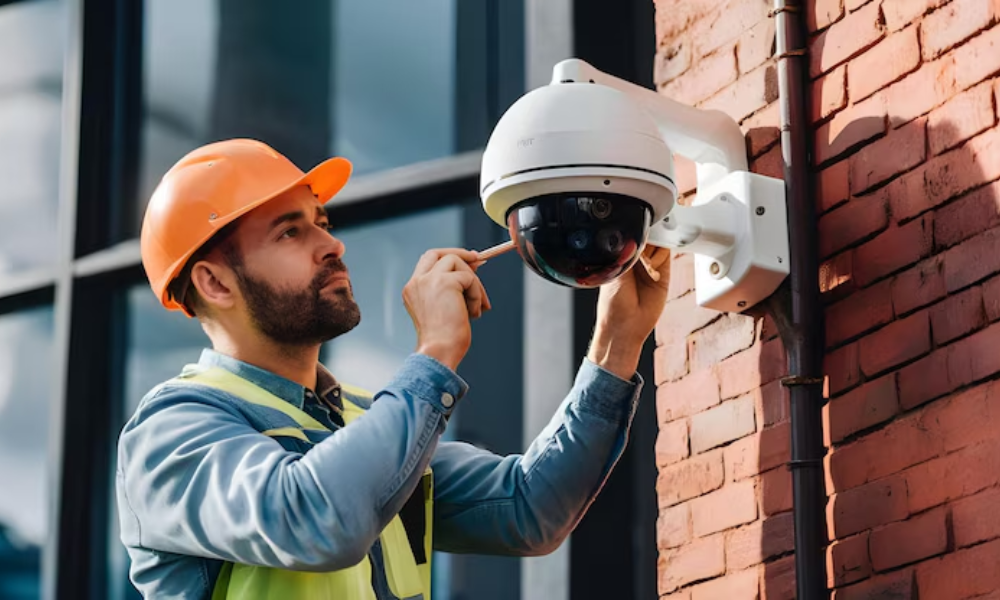
Beginning in 2025, all CBSE-affiliated schools are required to implement HD CCTV cameras across key areas of their campuses. These areas include:
Main entry and exit gates
School corridors, staircases, and common lobbies
Classrooms, science labs, and libraries
Playgrounds, canteens, and storage rooms
Importantly, toilets and washrooms are excluded, respecting students’ privacy. However, every other space frequented by students and staff must be under audio-visual surveillance. The cameras must function in real time and store footage for a minimum of 15 days, making it retrievable in case of any incident or official request.
This school CCTV safety mandate is an extension of CBSE’s 2018 Affiliation Bye-Laws and is now being implemented with renewed urgency to prioritize both physical and emotional safety in schools.
Why This Change Matters

1. Boosting Student Security
With increased incidents of bullying, violence, and unauthorized access making headlines, the need for proactive safety and security solutions has never been greater. This school CCTV safety mandate ensures that any concerning behavior can be spotted and addressed in real-time. Surveillance acts as a deterrent for misconduct and offers critical evidence during investigations.
2. Supporting Emotional Well-being
The new rule isn’t just about safety—it’s about emotional security too. CBSE has emphasized that surveillance can help spot behavioral issues or distress early, allowing educators and counselors to intervene before problems escalate. In this way, the school CCTV safety mandate becomes part of a broader mental health strategy.
3. Compliance with Child Rights Guidelines
This policy aligns with the National Commission for Protection of Child Rights (NCPCR) recommendations, which underline the need for constant monitoring to prevent abuse or neglect in schools. The integration of these practices ensures that educational institutions operate with transparency and accountability.
Compliance Requirements

To ensure the school CCTV safety mandate is fully implemented, CBSE has laid down specific guidelines for compliance:
24/7 Monitoring
Schools are required to ensure that CCTV systems remain active throughout operational hours. Any malfunction must be addressed immediately.
Data Backup and Access
All footage must be securely stored for at least 15 days and be accessible to authorities upon request for audits or investigations.
School Audits
CBSE will conduct periodic checks to confirm whether schools are in line with the policy. Institutions failing to comply may face penalties or loss of affiliation.
This level of oversight ensures the policy doesn’t just exist on paper but is actively enforced and maintained.
Voices from the Ground

School Administrators
Many school leaders have expressed strong support for the initiative. They believe the policy improves transparency and instills a sense of discipline among both students and staff. The school CCTV safety mandate, they argue, fosters a culture of responsibility.
Addressing Concerns
However, not all feedback is without concern. Some educators and technical experts warn that regular equipment checks and maintenance will be crucial to ensure the cameras remain operational. Others point out the need for staff training, especially for managing surveillance systems and responding to incidents flagged through video feeds.
Broader Impact on Education

The school CCTV safety mandate goes beyond surveillance. It introduces an opportunity for schools to rethink safety and modernize infrastructure. Here’s how:
Enhanced Investigative Capacity: Access to clear footage accelerates response in the event of a crisis.
Stronger Deterrents: Students and outsiders alike are less likely to engage in misconduct when aware of active monitoring.
Parental Peace of Mind: Knowing that their children are in a safe and secure environment fosters trust and transparency between schools and families.
Data-Driven Safety Policies: Schools can analyze patterns in recorded footage to identify hotspots or behavioral trends needing attention.
Key Takeaways
All CBSE schools must install HD CCTV systems in all critical areas except washrooms.
Footage must be stored for 15 days and be made available to officials if required.
The school CCTV safety mandate aligns with national child protection guidelines.
Regular audits and staff training will be key to successful implementation.
The goal is to strengthen both physical and emotional safety in educational environments.
Conclusion
The school CCTV safety mandate introduced by CBSE is not just a regulatory shift—it represents a cultural change in how schools view and manage student safety. As the education system adapts to 21st-century challenges, surveillance technologies offer a practical and reliable solution to ensure that children can learn, play, and grow in secure environments.
While implementation will come with logistical and technical demands, the potential gains—in safety, trust, and student well-being—make it a worthy investment. In the long run, this mandate could serve as a model for other boards and even global education systems aiming to balance freedom with safety.