
Education is evolving beyond the traditional classroom model. In today’s world, rote memorization and textbook-based learning are no longer enough to nurture well-rounded individuals. One innovative approach gaining attention is art integrated learning, which blends academic concepts with artistic expression.
This method not only makes lessons more engaging but also fosters creativity, critical thinking, and emotional intelligence among students.
This article explores the meaning, benefits, and practical applications of art integrated learning, along with expert insights and frequently asked questions.
What Is Art Integrated Learning?

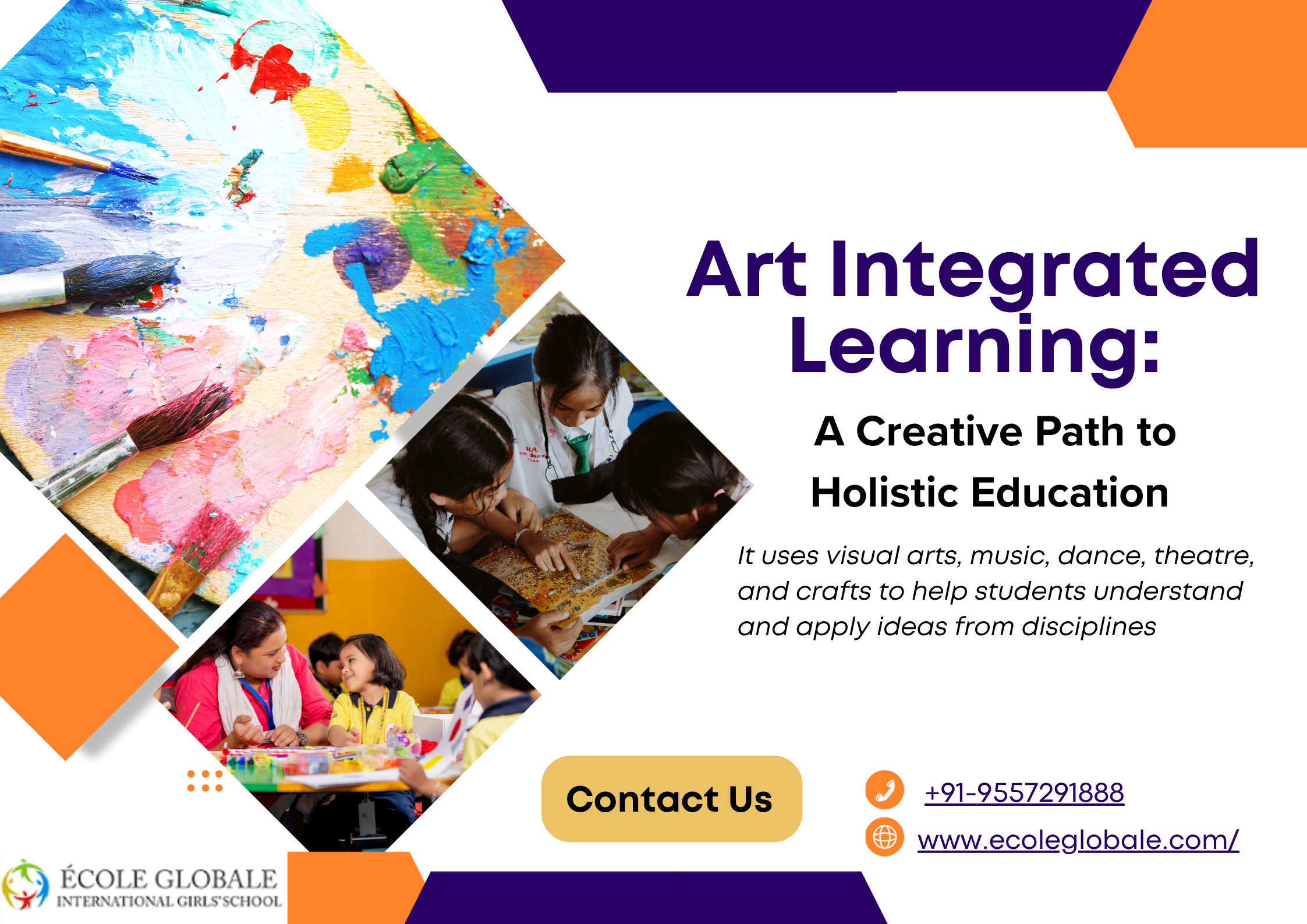
Art integrated learning is an educational approach where art is not treated as a separate subject but is seamlessly infused into the teaching of core academic concepts. It uses visual arts, music, dance, theatre, and crafts to help students understand and apply ideas from disciplines like mathematics, science, social studies, and languages.
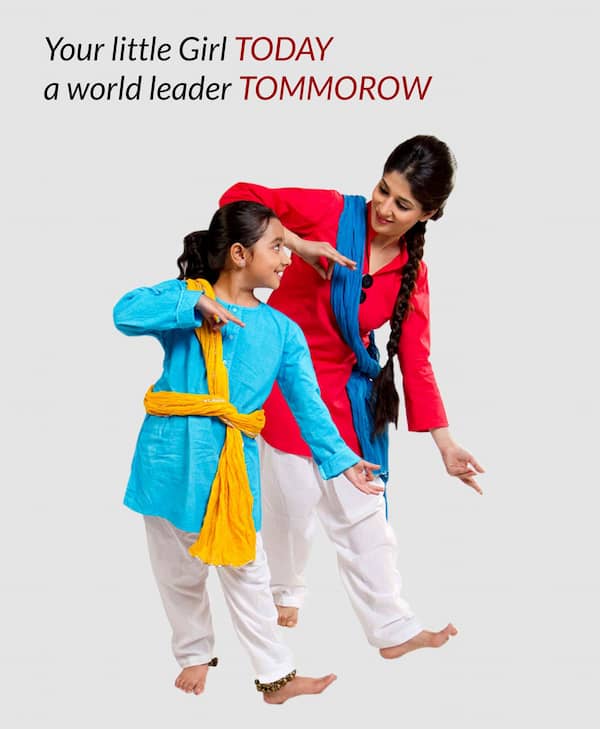
This method transforms learning from a passive process into an active, participatory experience. For example, students may explore mathematical patterns through traditional Indian rangoli designs or learn historical events by performing a short play.
Core Principles of Art Integrated Learning

Art integration is guided by key principles that shape its effectiveness:
Interdisciplinary Connections – Linking art forms with academic subjects to create meaningful learning experiences.
Experiential Learning – Encouraging students to learn by doing, creating, and reflecting.
Inclusivity and Accessibility – Catering to different learning styles and abilities.
Holistic Development – Supporting cognitive, emotional, and social growth.
Benefits of Art Integrated Learning
1. Enhances Creativity and Imagination
By involving painting, music, theatre, or crafts, it stimulates imagination. Students learn to think beyond conventional methods and explore multiple ways of solving problems.
2. Improves Critical Thinking and Problem-Solving Skills
Artistic activities encourage analysis, experimentation, and decision-making. For example, creating a science model through sculpting or drawing helps students visualize abstract concepts and strengthen problem-solving abilities.
3. Strengthens Communication Skills
Through drama, storytelling, and visual presentations, students gain confidence in expressing ideas. These activities make art integrated learning an effective tool for enhancing both verbal and non-verbal communication.
4. Makes Learning Engaging and Fun
Integrating art breaks the monotony of traditional lectures. Lessons become more interactive, leading to higher engagement and retention.
5. Promotes Emotional and Social Development
Art provides an outlet for self-expression and emotional exploration. Group projects in art integrated learning foster collaboration, empathy, and a sense of community.
6. Supports Multisensory Learning
Art integration appeals to multiple senses—sight, sound, and touch—making it easier for students to grasp complex ideas.
Examples of Art Integrated Learning in Practice

Mathematics
Exploring geometry through mandala art or rangoli patterns.
Understanding fractions by designing and dividing paper collages.
Science
Building 3D models of the solar system using clay or craft materials.
Demonstrating water cycles through dance movements and visual storytelling.
Social Studies
Enacting historical events through skits or puppet shows.
Creating cultural maps or paintings to study regional traditions.
Languages
Writing poetry or songs to improve vocabulary and grammar.
Using storytelling and drama to develop language fluency.
Implementing Art Integrated Learning in Schools
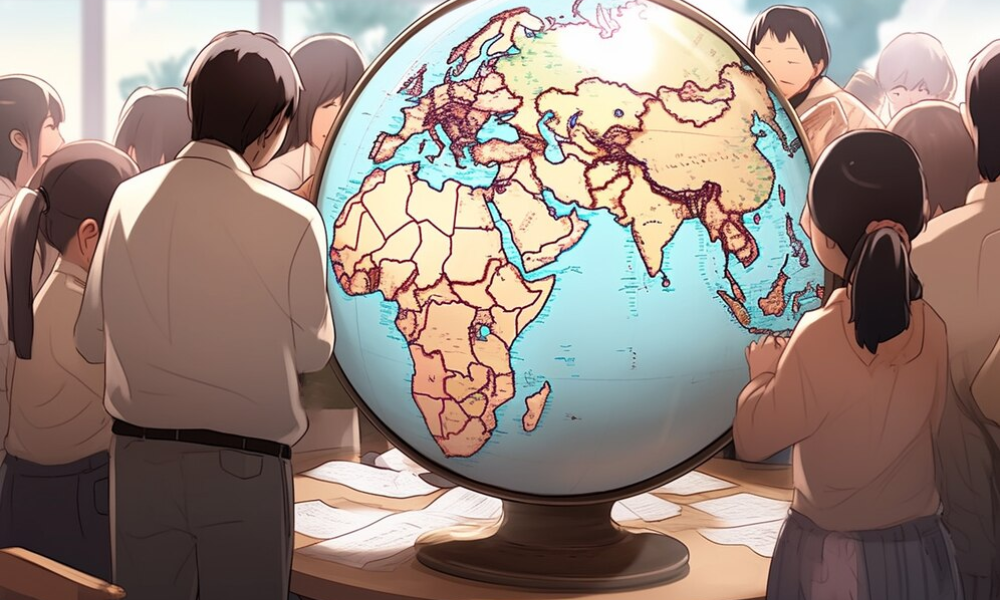
Curriculum Design – Schools can incorporate art integration into lesson plans by identifying concepts that align with creative activities.
Teacher Training – Educators need guidance and workshops to design art-based lessons effectively.
Resource Planning – Access to art supplies, digital tools, and spaces for creative expression is essential.
Assessment Methods – Evaluate students not just on content knowledge but also on creativity, collaboration, and participation.
Challenges in Art Integrated Learning
While the benefits are clear, some challenges exist:
Resource Constraints: Limited access to art materials or dedicated spaces.
Teacher Preparedness: Educators may need specialized training to implement art-based techniques.
Assessment Difficulties: Measuring creativity and artistic skills can be subjective.
Overcoming these challenges requires strong support from school leadership, teacher training programs, and community involvement.
Role of Technology in Art Integrated Learning

Digital tools can enhance art integrated learning by introducing new mediums like digital painting, animation, and interactive simulations. Virtual reality and online art platforms allow students to collaborate and create even in remote learning environments.
Impact on Holistic Development
It supports the development of:
Cognitive Skills: Improved memory, analysis, and reasoning.
Emotional Intelligence: Greater self-awareness and empathy.
Cultural Appreciation: Exposure to diverse art forms fosters respect for different traditions.
The Future of Art Integrated Learning
As education shifts towards skill-based and experiential learning, art integrated learning is set to become a cornerstone of modern pedagogy. With support from educational boards like CBSE guidline towards art integrated and the NEP 2020 (National Education Policy), this method will continue to grow in importance, preparing students for a world that values creativity and innovation.
FAQs on Art Integrated Learning
Q1. What is art integrated learning?
Ans: Art integrated learning is an educational method that combines art forms like music, dance, and visual arts with academic subjects to make learning more engaging and holistic.
Q2. How does this learning benefit students?
Ans: It boosts creativity, improves problem-solving skills, enhances communication, and supports emotional and social development.
Q3. Can art integrated learning be used in all subjects?
Ans: Yes. From mathematics to science and languages, art integrated learning can be applied across disciplines through projects, performances, and creative assignments.
Q4. What challenges do schools face in implementing art integrated learning?
Ans: Common challenges include lack of trained teachers, limited resources, and difficulties in assessing creative outcomes.
Q5. How can teachers incorporate art integrated learning in their classrooms?
Ans: Teachers can design activities such as role-plays, craft projects, and storytelling sessions to link art with core academic concepts.
Q6. Is art integrated learning supported by education policies in India?
Ans: Yes. The National Education Policy (NEP) 2020 encourages art integration as a key approach to holistic and experiential learning.