



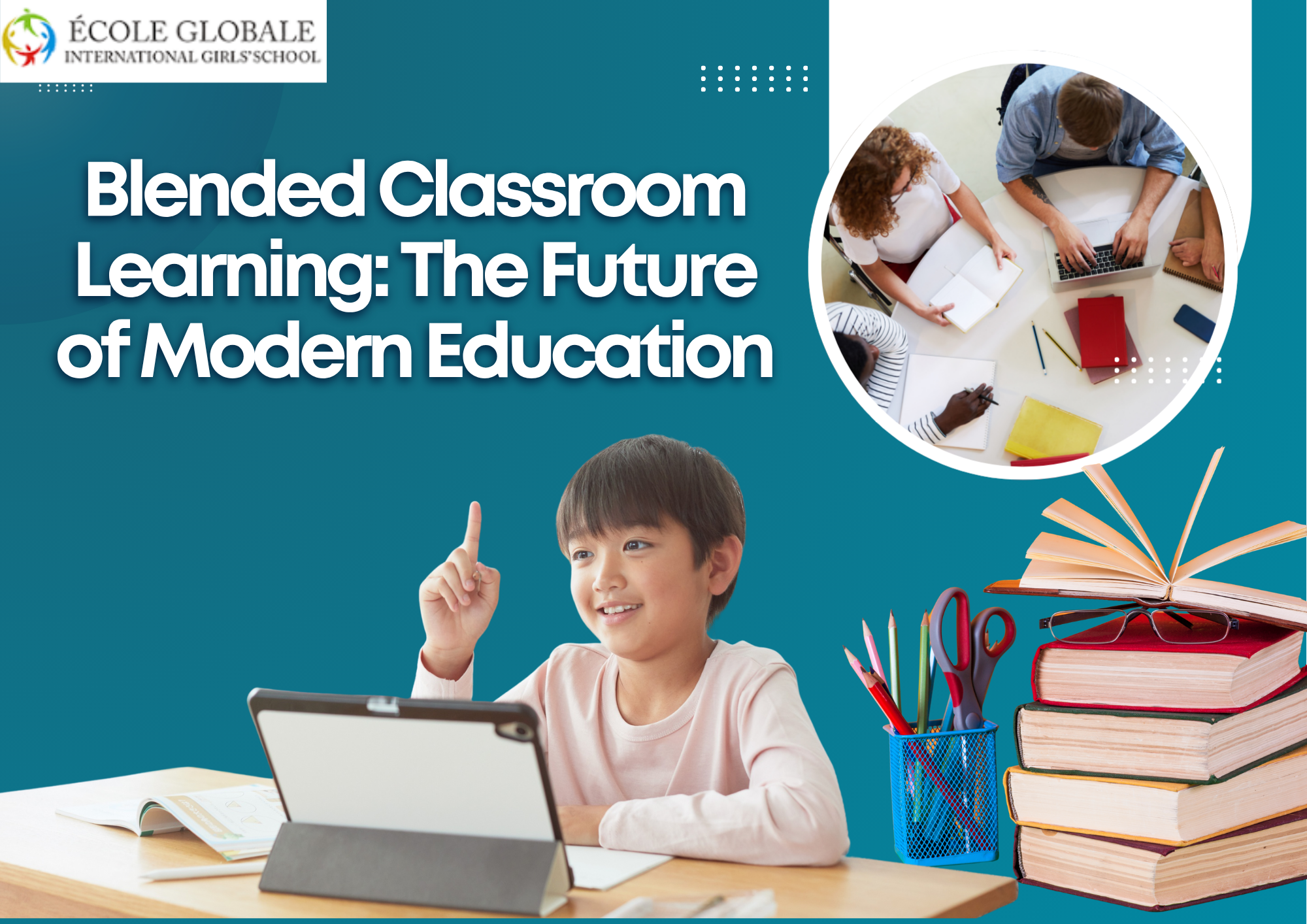
The rapid growth of technology has changed how students learn and teachers teach. Classrooms are no longer limited to blackboards and chalk; they are now dynamic spaces powered by digital tools. One approach gaining popularity worldwide is Blended Classroom Learning, which merges traditional face-to-face instruction with online learning experiences.
This model is transforming education by promoting flexibility, personalization, and engagement—making it the ideal balance between the digital and physical worlds of learning.
What Is Blended Classroom Learning?
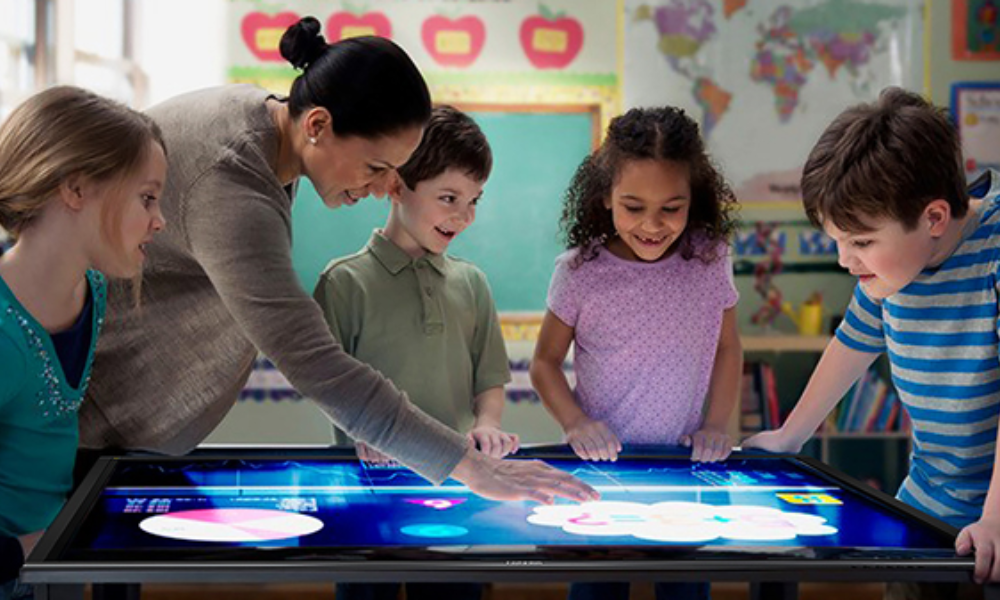
Blended Classroom Learning refers to an educational approach that integrates traditional classroom teaching with digital learning resources and activities. Students attend in-person sessions with teachers but also access online lessons, quizzes, and discussions outside the classroom.
Unlike fully online learning, blended learning keeps the human connection intact while giving students the independence to learn at their own pace.
Core Elements of Blended Learning

A successful blended classroom combines the following elements:
Face-to-Face Instruction:
Teachers explain new concepts, guide discussions, and interact directly with students.Online Learning:
Students use digital tools such as educational platforms, videos, simulations, and interactive quizzes.Self-Paced Study:
Learners revisit lessons online to reinforce understanding at their own speed.Collaborative Work:
Both online and offline group projects encourage teamwork and communication skills.
Popular Models of Blended Classroom Learning
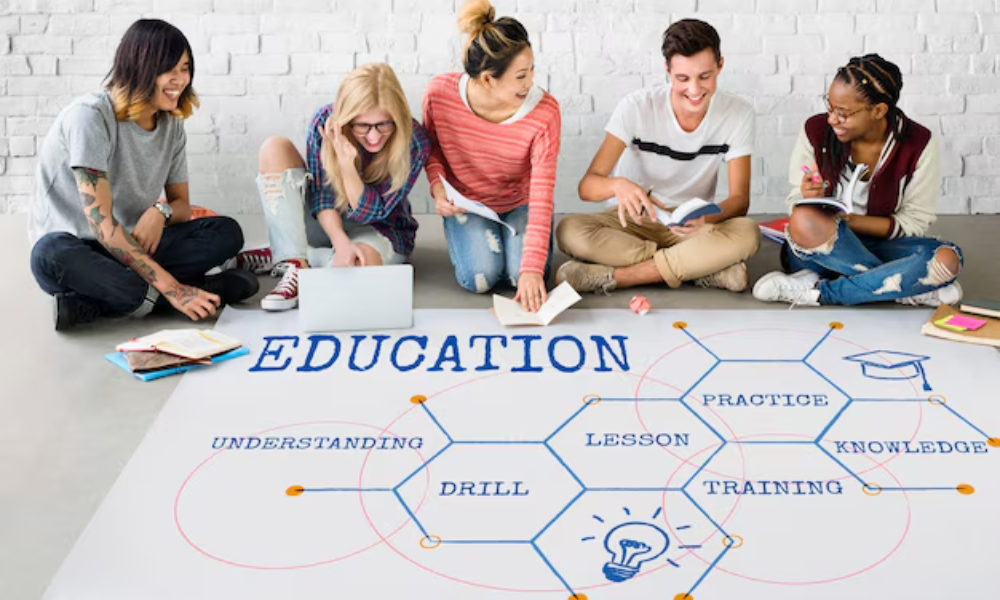
Blended learning can be implemented in several ways depending on the institution’s goals and resources. Here are the most common models:
1. The Rotation Model
Students rotate between learning stations—some led by a teacher and others through digital devices or platforms.
Example: A math class where students solve problems on tablets after a brief lecture.
2. The Flex Model
Online learning forms the core, and teachers provide in-person support when needed.
Example: Students watch recorded lessons online and visit class for help sessions or practical work.
3. The Flipped Classroom Model
Students learn new concepts online at home and use classroom time for discussions, practice, and clarification.
Example: Watching a history lecture online, then debating key events in class.
4. The Enriched Virtual Model
Most instruction occurs online, but students occasionally meet face-to-face for assessments or special guidance.
Example: Distance learners who visit school for lab work or project presentations.
Benefits of Blended Classroom Learning
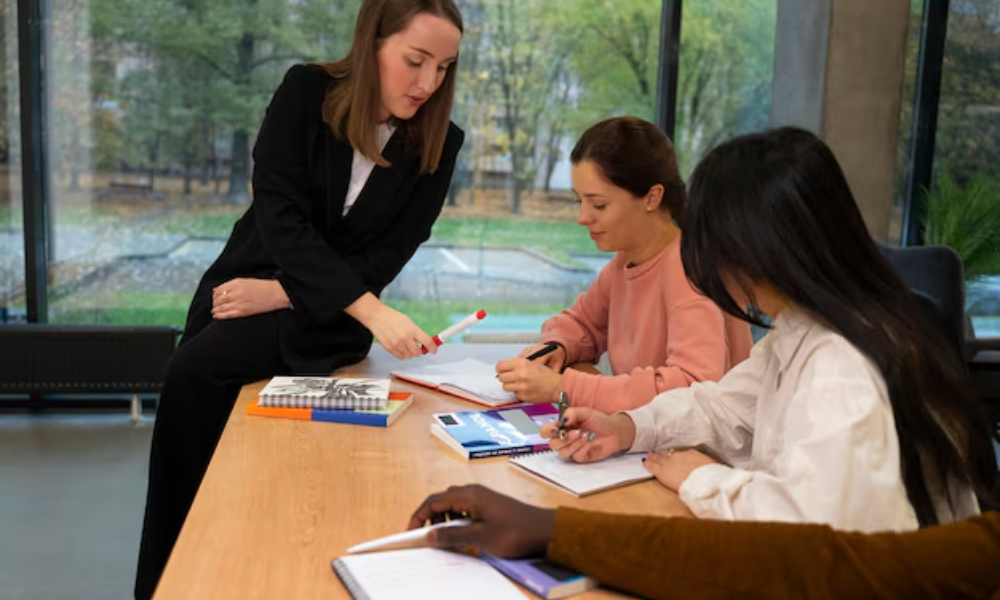
1. Personalized Learning Experience
Each student learns differently. Blended classroom learning allows educators to tailor lessons to individual learning styles and paces.
2. Better Engagement and Motivation
Interactive videos, quizzes, and gamified tools keep students interested and motivated compared to traditional lecture-based classes.
3. Increased Accessibility and Flexibility
Students can access materials anytime, anywhere. This flexibility benefits those who miss classes or prefer reviewing lessons later.
4. Enhanced Teacher-Student Interaction
Online tools provide teachers with data on each student’s progress, allowing them to offer more targeted help during face-to-face sessions.
5. Development of Digital Literacy
In a technology-driven world, learning to use digital platforms responsibly is crucial. Blended learning equips students with 21st-century tech skills.
6. Improved Collaboration
Discussion forums and group projects—both virtual and in-person—help students learn teamwork and problem-solving.
Challenges of Blended Classroom Learning
Despite its benefits, implementing blended learning requires careful planning and resources.
1. Digital Divide
Not all students have equal access to high-speed internet or smart devices, creating a gap in participation.
2. Teacher Training Needs
Teachers must be comfortable using technology and designing blended curricula, which requires additional professional development.
3. Time Management
Balancing online and offline activities can be challenging for both teachers and students without proper structure.
4. Student Discipline
Independent online study requires self-motivation. Without guidance, some learners may fall behind.
5. Technical Issues
Connectivity problems, software errors, or system outages can disrupt learning experiences.
How to Make Blended Classroom Learning Effective
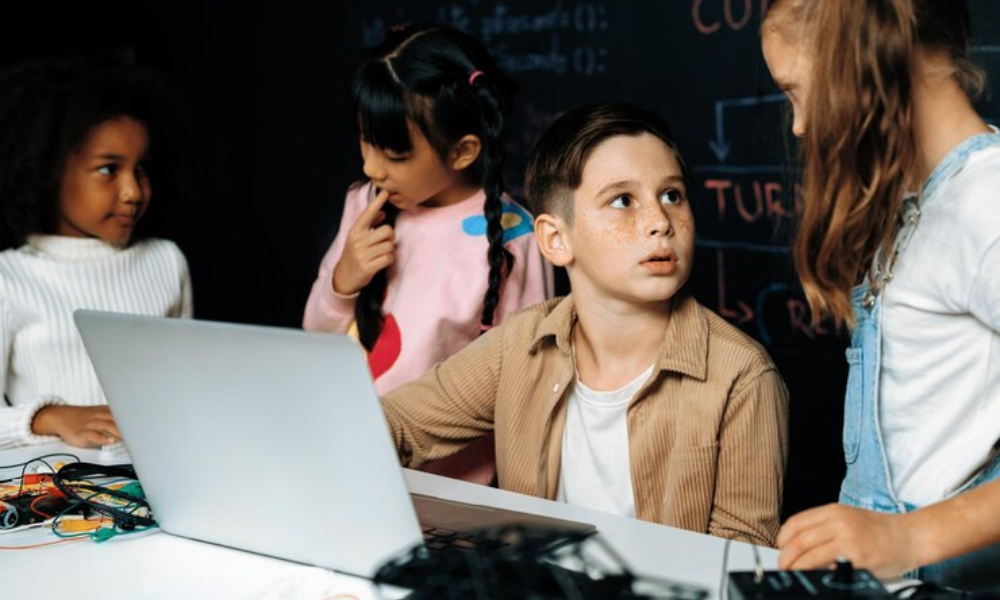
To maximize success, schools and educators should follow these best practices:
Design Structured Learning Plans:
Align online materials with classroom lessons for smooth transitions.Use Reliable Platforms:
Choose LMS tools like Google Classroom, Moodle, or Microsoft Teams for consistency.Train Teachers Continuously:
Offer workshops to improve digital teaching skills and adaptability.Encourage Feedback:
Collect student input to refine online and offline strategies.Monitor and Assess Regularly:
Use data analytics to track student performance and adjust instruction accordingly.Promote Equity:
Ensure all students have access to devices and internet connectivity through school initiatives or partnerships.
Impact of Blended Learning on Students
Blended learning encourages active participation rather than passive listening. It transforms students from content consumers to knowledge creators. Learners become more curious, self-disciplined, and skilled at problem-solving—traits essential for success in higher education and modern workplaces.
Blended Classroom Learning in India
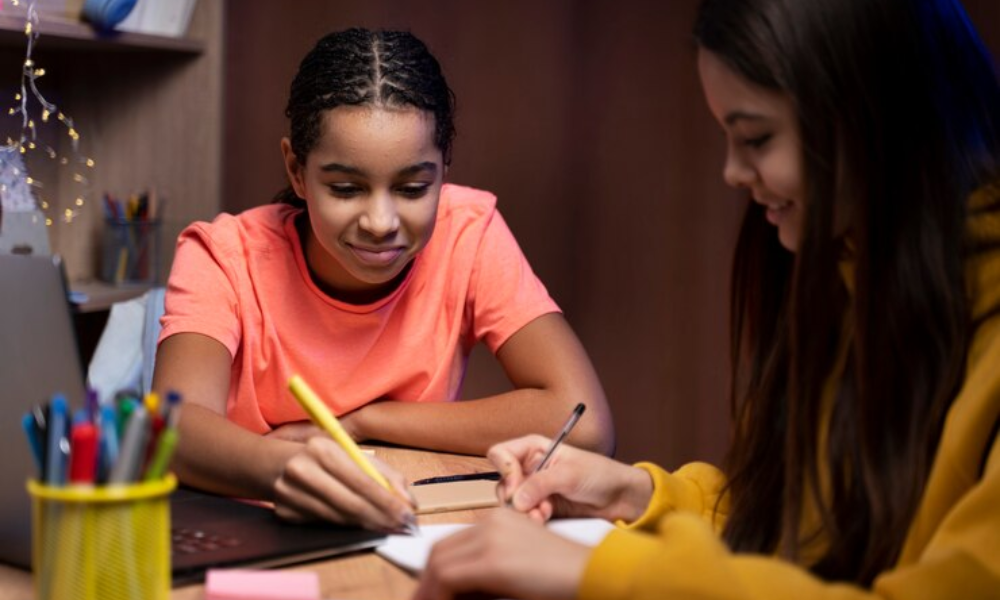
In India, the National Education Policy (NEP) 2020 emphasizes digital inclusion and the integration of technology into learning. Many schools are adopting blended learning through smart classrooms, digital libraries, and e-content platforms like Diksha, SWAYAM, and BYJU’S.
Post-pandemic, this approach has become a permanent feature of many institutions, providing continuity and resilience even during disruptions.
Conclusion
Blended Classroom Learning represents the best of both worlds—personalized online learning and human-centered classroom interaction. It empowers students to take charge of their education while giving teachers new tools to enhance engagement and results.
As schools continue to embrace digital transformation, blended learning will remain at the heart of a smarter, more flexible, and future-ready education system.
FAQs on Blended Classroom Learning
Q1. What is blended classroom learning?
Ans: Blended classroom learning combines traditional teaching with online education tools to create a more flexible and engaging learning experience.
Q2. What are the benefits of blended classroom learning?
Ans: It improves flexibility, engagement, collaboration, and personalized learning while building digital literacy skills.
Q3. What are common models of blended learning?
Ans: The most common models are Rotation, Flex, Flipped Classroom, and Enriched Virtual Learning.
Q4. How does blended learning help teachers?
Ans: Teachers can use online data to identify students’ strengths and weaknesses, enabling targeted support and effective instruction.
Q5. Is blended classroom learning suitable for all grades?
Ans: Yes, it can be adapted for every grade level, from primary to higher education, with proper digital tools and guidance.