

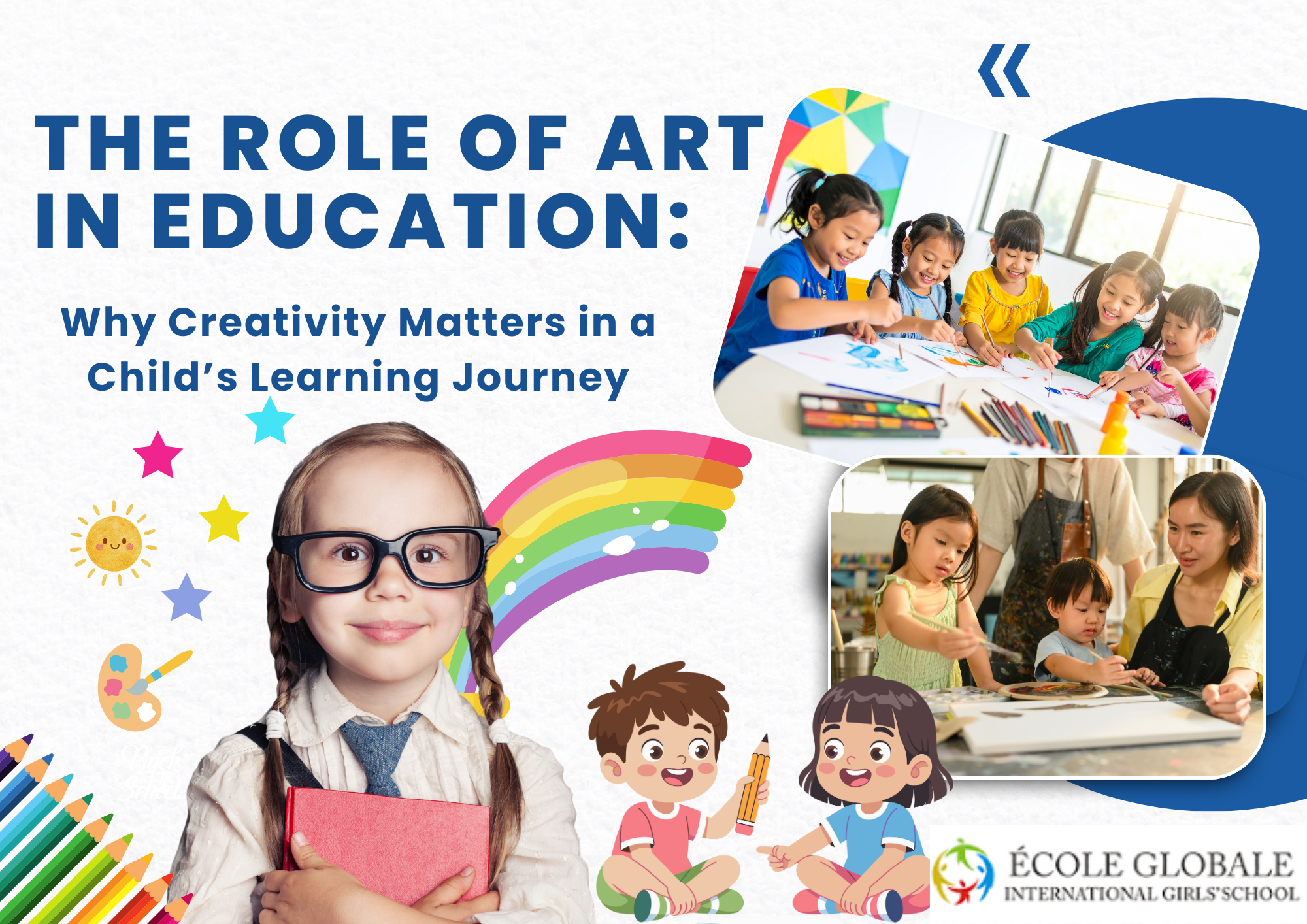
Art has always been an integral part of human expression, culture, and communication. In the field of education, art plays an equally powerful role—one that goes far beyond drawing, painting, or crafting. Today, as schools and educators shift toward holistic learning, the role of art in education has become more essential than ever.
Art interation helps students think creatively, express themselves freely, and develop skills that shape their academic and personal lives.
This article explores the importance and role of art in education, how it contributes to a child’s overall development, and why every school should integrate creative learning into its curriculum.
1. Art Enhances Creativity and Imagination
Art encourages students to think outside the box. Role of art in education whether they are sculpting, sketching, or designing, students learn to experiment and imagine new possibilities.
How it helps:
Sparks innovative thinking
Encourages original ideas
Strengthens problem-solving abilities
Builds confidence in creative expression
In a world driven by innovation, creativity is a skill students will need in every profession.
2. Art Improves Academic Performance

Many studies show that students involved in art perform better academically. Role of art in education activates both sides of the brain, improving concentration, memory, and comprehension.
Benefits include:
Better understanding of complex concepts
Improved reading and writing skills
Enhanced ability to focus
Increased motivation and classroom engagement
Art supports subjects like maths, science, and language by developing cognitive and analytical abilities.
3. Art Builds Emotional Intelligence
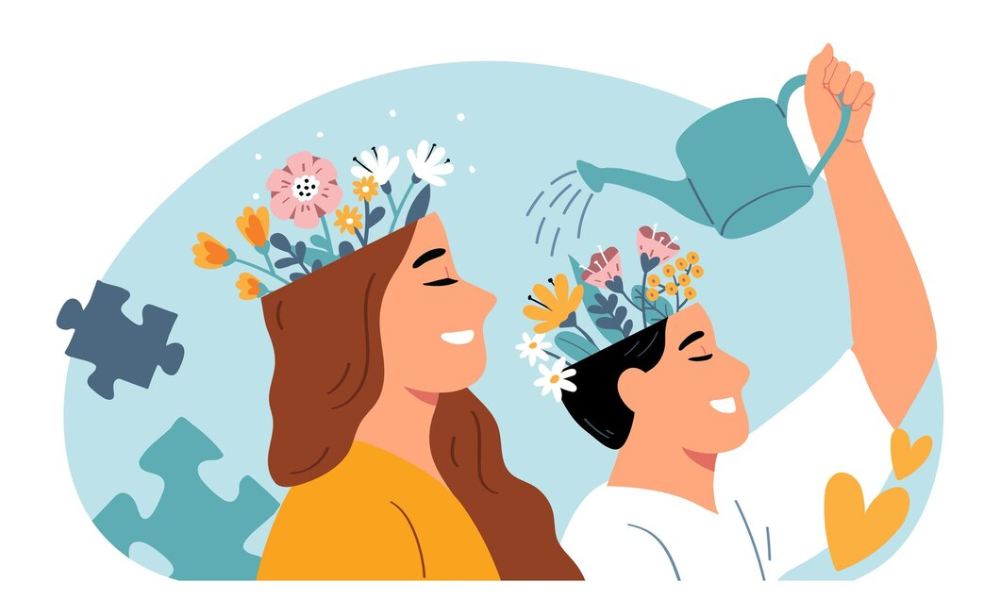
Through art, students learn to express emotions they might struggle to put into words. This emotional outlet is essential for mental well-being.
Art helps students:
Understand their feelings
Reduce stress and anxiety
Develop empathy
Build self-awareness and confidence
Art becomes a therapeutic space where students feel safe, understood, and valued.
4. Art Strengthens Motor Skills and Coordination

Especially for younger students, activities like cutting, drawing, moulding clay, or painting help develop fine motor skills.
Skills gained include:
Better hand–eye coordination
Improved attention to detail
Stronger observation and focus
These abilities support handwriting, daily tasks, and overall physical coordination.
5. Art Promotes Cultural Awareness and Diversity

Art introduces students to different cultures, traditions, and histories. It helps them appreciate the beauty and uniqueness of various societies.
Art encourages:
Respect for diversity
Understanding of global perspectives
Curiosity about traditions and heritage
Students learn that art is a universal language that connects people across the world.
6. Art Boosts Communication and Social Skills
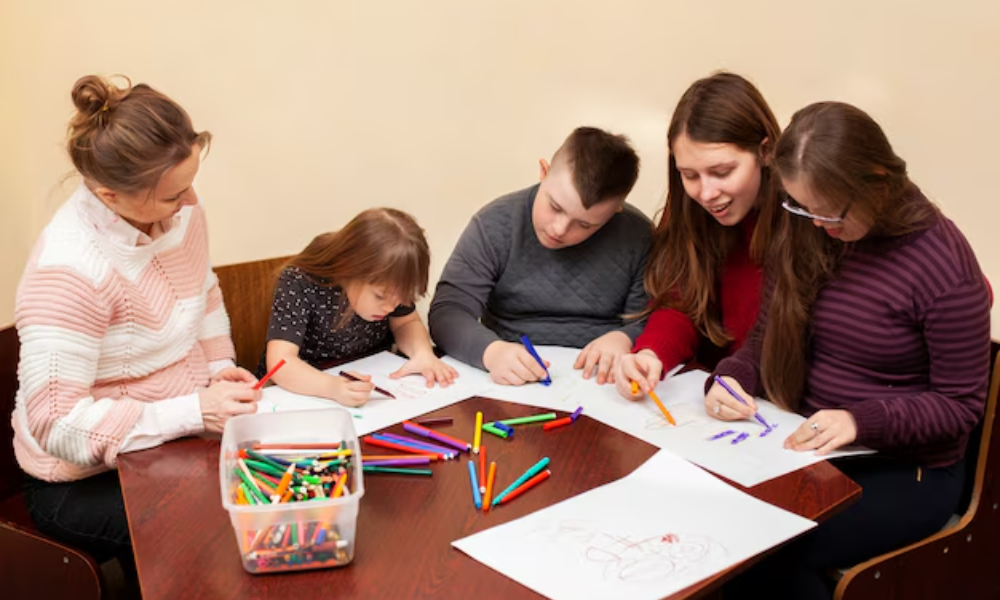
Collaborative art activities—like group projects, theatre, dance, or music—help students build strong social relationships and communication skills.
It helps students:
Work as a team
Share ideas confidently
Understand different viewpoints
Solve problems together
Social learning plays a vital role in preparing students for real-world situations.
7. Art Inspires Innovation and Future Careers
Today’s creative economy is expanding rapidly. Role of art in education fields like animation, graphic design, film-making, architecture, photography, fashion, and game design offer exciting opportunities.
Art education lays the foundation for:
Creative thinking
Technical skills
Aesthetic understanding
Professional confidence
Students exposed to art early are more likely to explore innovative and fulfilling career paths.
8. Art Supports Holistic Development
Art is not just a subject—it is a life skill. It shapes the emotional, intellectual, social, and physical development of students.
Holistic benefits:
stronger imagination
better concentration
balanced emotional health
improved academic potential
enhanced self-expression
When education includes art, students grow into confident, well-rounded individuals.
Conclusion
The role of art in education is transformative. It nurtures imagination, builds confidence, and prepares students for a future that values creativity and innovation. Schools that integrate art into their curriculum help students become better thinkers, better learners, and better human beings.
In simple words, art helps students discover who they are and what they can become.
Frequently Asked Questions (FAQs)
Q1. Why is art important in education?
Ans: Art helps students develop creativity, emotional awareness, problem-solving skills, and confidence. It supports overall learning and personal growth.
Q2. How does art improve academic performance?
Ans: Art boosts memory, concentration, and cognitive development, making it easier for students to understand and retain academic concepts.
Q3. What skills do students gain from art education?
Ans: Students learn creativity, critical thinking, communication, teamwork, fine motor skills, and emotional expression.
Q4. Does art help with mental health?
Ans: Yes, Art provides a healthy outlet for emotions, reduces stress, and encourages self-expression, which supports mental well-being.
Q5. Should schools include art in their curriculum?
Ans: Absolutely, Art supports holistic development and prepares students with crucial life skills needed in academics, careers, and personal life.