

The selection of the Best School for Girl Child India is a crucial one as it is important that a school offers much more than merely good academic outcomes. Parents should think about what a child will be learning at the school, how the school will keep them safe, the quality of teaching, the opportunities that it offers for children to make additional contributions, the facilities at the school and the support that it offers for children’s overall development.
A good school can provide girls with their confidence, independence, communication skills, and academic base. But, the best school for one kind of student is not the best school for another. The best option is determined by a child’s needs, interests, personality and educational goals.
UNICEF India emphasizes the significance of equitable and quality education and states that various factors like gender, place of residence, socio-economic conditions and school factors are important that can have impact on the learning experiences of children.
What Makes the Best School for Girl Child India?

The Best School for Girl Child India should not be selected only because it has a high ranking, impressive campus, or strong examination results.
Parents should look at the complete educational experience.
Important areas include:
- Academic standards
- Qualified and supportive teachers
- Safe campus environment
- Student well-being
- Sports and extracurricular activities
- Clean and suitable facilities
- Leadership opportunities
- Communication with parents
- Individual academic support
- Opportunities for personal development
UNESCO’s current work on gender equality in education emphasises that education should provide learners with equal rights and opportunities while addressing barriers that can affect participation and achievement.
7 Important Factors Parents Should Consider
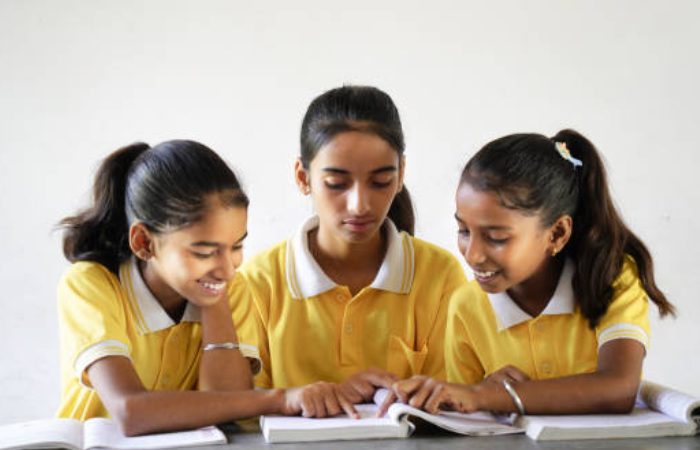
1. Look at Academic Quality
Academic quality should be one of the first things parents investigate when choosing a school.
Look beyond examination results and ask how students are actually taught.
Consider:
- Curriculum and teaching methods
- Teacher qualifications
- Class sizes
- Academic support
- Assessment methods
- Library and laboratory resources
- Opportunities for advanced learning
- Preparation for higher education
The Best School for Girl Child India should encourage students to understand concepts rather than depend entirely on memorisation.
Parents can also ask how the school identifies students who need additional academic support.
2. Check Safety and Student Well-Being
Safety should never be treated as a secondary consideration.
Parents should understand how the school protects students and responds to concerns.
Ask about:
- Campus supervision
- Emergency procedures
- Anti-bullying policies
- Student safeguarding
- Medical facilities
- Counselling or pastoral support
- Visitor management
- Complaint and reporting systems
UNICEF India identifies child protection and safe, inclusive learning environments as important parts of children’s education.
For parents evaluating the Best School for Girl Child India, the school’s actual safety policies are more important than marketing claims.
3. Examine Facilities for Girls
School facilities can directly affect students’ comfort and ability to participate fully in school life.
Parents should check whether the school provides:
- Clean and functional washrooms
- Appropriate sanitation facilities
- Safe drinking water
- Comfortable classrooms
- Medical support
- Well-maintained sports facilities
- Suitable changing areas
- Hygienic residential facilities, where applicable
UNICEF India specifically notes the importance of separate toilets and menstrual hygiene facilities in helping girls remain comfortable and engaged in school.
During a campus visit, parents should inspect facilities rather than relying only on photographs or brochures.
4. Evaluate Sports and Extracurricular Opportunities
Education should not be limited to classroom learning.
Sports, arts, clubs, competitions, community activities, and other extracurricular programmes can give students opportunities to discover interests and develop new skills.
Parents should find out whether girls have genuine opportunities to participate in:
- Athletics
- Team sports
- Individual sports
- Music
- Dance
- Art
- Debate
- Public speaking
- Technology clubs
- Science activities
- Leadership programmes
A strong school should encourage students to explore different interests rather than focusing exclusively on examination performance.
5. Consider Teachers and Individual Support
Teachers have a major influence on a student’s school experience.
The Best School for Girl Child India should have teachers who can support students academically while also encouraging questions, discussion, curiosity, and independent thinking.
Parents can ask:
- How accessible are teachers?
- How does the school support students who struggle academically?
- How are high-performing students challenged?
- How does the school communicate progress to parents?
- Can students approach teachers with personal or academic concerns?
The quality of teacher-student interaction can be more meaningful than simply counting the number of facilities on campus.
6. Look for Leadership and Character Development
Girls should have opportunities to take responsibility and develop leadership skills.
Leadership can be developed through:
- Student councils
- House responsibilities
- Sports teams
- Clubs
- School events
- Community projects
- Public speaking
- Team projects
These experiences can teach students how to communicate, make decisions, cooperate with others, and take responsibility for their actions.
Education should help students prepare for life beyond examinations. UNESCO’s gender-equality work similarly emphasises education’s role in building agency and expanding opportunities for girls and women.
7. Consider the School’s Overall Environment
The atmosphere of a school matters.
During a visit, parents should observe how students interact with teachers and one another. They should also consider whether students appear engaged, supported, and comfortable asking questions.
Ask yourself:
- Do students seem confident?
- Are teachers approachable?
- Is discipline respectful and consistent?
- Are students encouraged to participate?
- Does the school value different interests?
- Are academic and personal development balanced?
These observations can provide useful information that a school brochure cannot.
Academic Opportunities for Girls
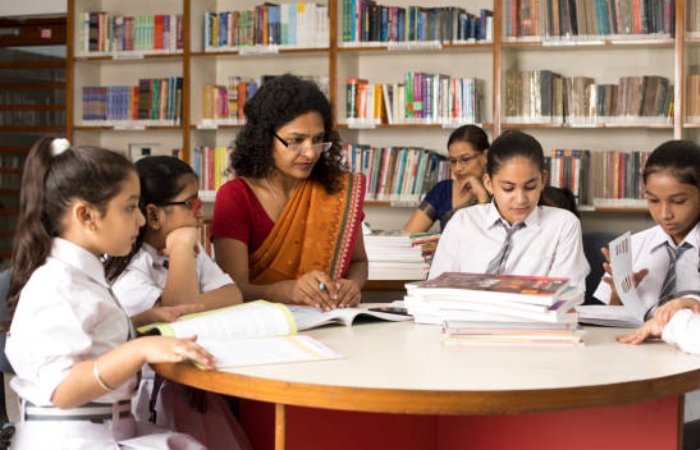
The Best School for Girl Child India should provide girls with opportunities to explore a wide range of subjects.
Students should be encouraged to participate in areas such as:
- Science
- Mathematics
- Technology
- Languages
- Humanities
- Arts
- Sports
- Research
- Public speaking
Girls should not be limited by traditional assumptions about which subjects or activities are appropriate for them.
A strong educational environment allows students to discover their interests and develop their abilities.
Why a Supportive School Environment Matters

A supportive school environment can help students become more confident learners.
Girls may encounter different social and academic challenges throughout their school years. A school that provides approachable teachers, appropriate student support, clear safeguarding systems, and inclusive learning practices can help students deal with these challenges constructively.
UNICEF India notes that gender and other social factors can influence educational experiences and that schools have a responsibility to provide equitable and inclusive education.
How Parents Can Compare Schools
Parents should avoid choosing a school based on one factor alone.
Instead, create a simple comparison table.
| Factor | School A | School B | School C |
| Academic programme | ✓ | ✓ | ✓ |
| Safety measures | ✓ | ✓ | ✓ |
| Student support | ✓ | ✓ | ✓ |
| Sports facilities | ✓ | ✓ | ✓ |
| Extracurricular activities | ✓ | ✓ | ✓ |
| Hygiene and sanitation | ✓ | ✓ | ✓ |
| Leadership opportunities | ✓ | ✓ | ✓ |
| Parent communication | ✓ | ✓ | ✓ |
This makes it easier to identify strengths and weaknesses instead of relying on reputation alone.
Questions Parents Should Ask During a School Visit
Before deciding on the Best School for Girl Child India, parents can ask:
- What curriculum does the school follow?
- How does the school support students academically?
- What safeguarding policies are in place?
- How does the school handle bullying?
- What medical support is available?
- What sports and extracurricular activities are offered?
- What leadership opportunities are available to girls?
- How does the school communicate with parents?
- What facilities are available for student hygiene and well-being?
- How does the school support students who are struggling?
These questions can reveal much more than a school ranking.
Boarding or Day School: Which Is Better?
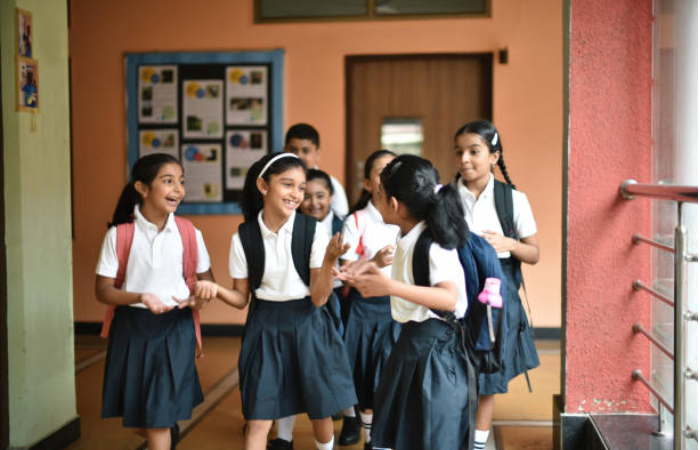
There is no universally correct answer.
A day school may work well for families who want their child to remain at home, while a boarding school may suit families looking for a residential educational environment.
For a boarding school, parents should additionally examine:
- Residential supervision
- Dormitory arrangements
- House-parent or pastoral support
- Dining facilities
- Healthcare
- Weekend routines
- Communication with parents
- Student recreation
- Safeguarding arrangements
The Best School for Girl Child India should ultimately be the one that fits the student’s educational and personal needs.
A Simple Checklist Before Choosing a School
Before making a final decision, parents should evaluate:
Academics:
Is the curriculum suitable, and are students given adequate academic support?
Safety:
Are safeguarding and emergency procedures clearly explained?
Facilities:
Are classrooms, washrooms, laboratories, libraries, sports areas, and other facilities well maintained?
Student support:
Can students easily access teachers, counsellors, or other trusted adults?
Activities:
Are girls encouraged to participate in sports, arts, clubs, and leadership?
School culture:
Does the environment encourage respect, responsibility, curiosity, and confidence?
Practical considerations:
Are location, fees, transport, boarding arrangements, and communication suitable for the family?
Conclusion
Finding the best school for Girl Child India requires more than searching for the school with the highest reputation or examination results.
Parents should evaluate academic quality, safety, student support, facilities, extracurricular opportunities, leadership development, and the overall school environment.
Most importantly, the “best” school is not necessarily the same for every girl. A school that suits one student’s interests and learning style may not suit another.
The strongest decision comes from comparing schools carefully, visiting campuses where possible, asking direct questions, and considering what will help the student learn and develop over the long term.
Girls deserve an educational environment where they can learn confidently, participate fully, develop their interests, and prepare for future opportunities. That should be the real standard when choosing a school.
Frequently Asked Questions
Q1. How do I choose the best school for a girl child in India?
Ans: Compare academic quality, safety, facilities, student support, extracurricular activities, leadership opportunities, and the school’s overall learning environment.
Q2. What facilities should parents check in a girls’ school?
Ans: Parents should check classrooms, libraries, laboratories, sports facilities, medical support, clean washrooms, drinking water, and appropriate hygiene facilities.
Q3. Are extracurricular activities important for girls?
Ans: Yes. Sports, arts, clubs, debates, and leadership activities can give students opportunities to explore interests and develop communication, teamwork, and leadership skills.
Q4. What makes a school safe for girls?
Ans: Parents should look for clear safeguarding policies, appropriate supervision, anti-bullying measures, emergency procedures, medical support, and reliable systems for reporting concerns.
Q5. Should parents choose boarding or day school?
Ans: The choice depends on the student’s needs and the family’s circumstances. For boarding schools, parents should additionally evaluate residential supervision, accommodation, healthcare, dining, and student support.