





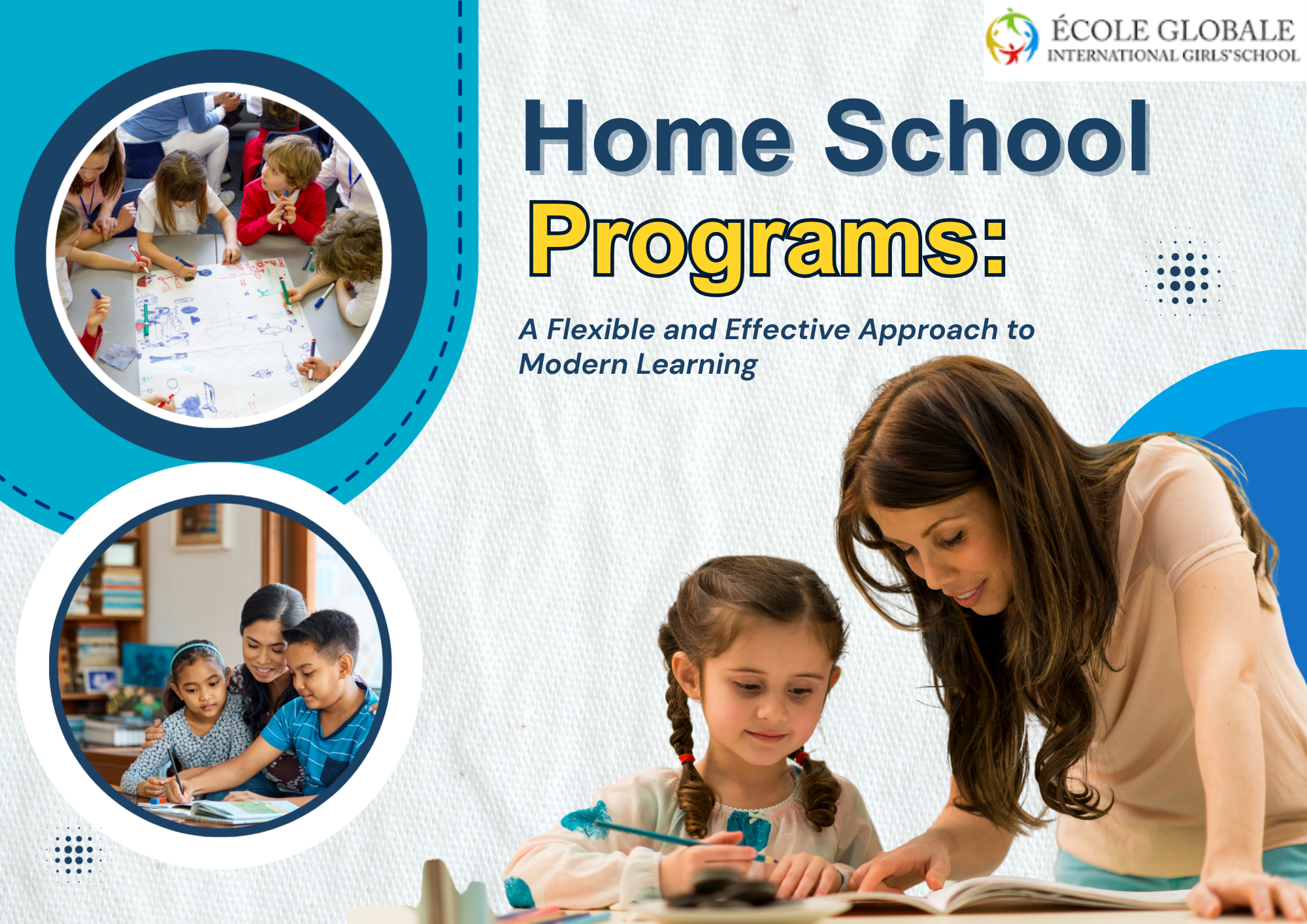
In recent years, home school programs have gained significant attention as parents look for flexible, personalized, and meaningful learning options for their children. With changing educational needs, technological advancements, and a growing focus on individual learning styles, homeschooling is no longer a niche concept—it has become a mainstream alternative to traditional schooling.
This article explores what programs are, how they work, their benefits, challenges, and why more families are choosing this model of education.
What Are Home School Programs?

Home school programs are structured educational systems where children receive formal education at home rather than attending a traditional school campus. These programs can follow national or international curricula and are designed to meet academic standards while offering flexibility in teaching methods and schedules.
Homeschooling does not mean unstructured learning. Most home school provide:
A defined curriculum
Learning objectives and assessments
Teaching resources and study plans
Guidance for parents or tutors
Types of Home School Programs

It come in various formats, allowing families to choose what best fits their child’s learning needs.
1. Curriculum-Based Home School Programs
These programs follow recognized boards or curricula such as CBSE-aligned homeschooling, international curricula, or open schooling systems.
2. Online Home School Programs
Students attend virtual classes, access digital lessons, submit assignments online, and interact with teachers through learning platforms.
3. Hybrid Home School Programs
A mix of home-based learning and occasional in-person sessions, workshops, or assessments.
4. Customized or Parent-Led Programs
Parents design the learning plan based on the child’s pace, interests, and strengths, often using multiple educational resources.
Why Are Home School Programs Becoming Popular?

The growing popularity of programs can be attributed to several important factors:
Personalized Learning
Unlike traditional classrooms, homeschooling allows lessons to be tailored to a child’s learning speed, interests, and abilities.
Flexible Schedules
Home school programs offer flexibility in daily routines, helping students balance academics with hobbies, sports, or creative pursuits.
Focused Attention
With smaller learning groups or one-on-one instruction, students receive more attention and support.
Safe and Comfortable Learning Environment
Many parents prefer home school for the safe, stress-free environment they provide.
Support for Special Learning Needs
Children with learning differences often thrive in home school programs due to customized teaching approaches.
Academic Structure in Home School Programs

A common misconception is that homeschooling lacks academic discipline. In reality, well-designed home school programs include:
Daily lesson plans
Subject-wise learning goals
Regular assessments and evaluations
Progress tracking
Project-based learning
Subjects typically covered include:
Mathematics
Science
Languages
Social Studies
Computer Skills
Life Skills and Value Education
Role of Parents in Home School Programs

Parents play a crucial role in the success of home school programs. Their responsibilities may include:
Planning and organizing lessons
Facilitating learning activities
Monitoring academic progress
Providing motivation and emotional support
Coordinating with tutors or online educators
Many programs offer parent training or guidance to make the process easier and more effective.
Social Development in Home School

One of the most common concerns about home school is social interaction. However, modern homeschooling encourages social development through:
Group classes and online communities
Sports clubs and hobby groups
Workshops and educational camps
Community service and volunteering
Peer interaction through hybrid learning models
These opportunities help students develop communication skills, confidence, and teamwork.
Advantages of Home School Programs

Some key advantages of home school include:
Flexible learning pace
Reduced academic pressure
Strong family involvement
Opportunity to explore interests deeply
Better work-life balance for students
Emphasis on holistic development
Challenges of Home School Programs
While beneficial, home school also come with challenges:
Requires strong time management
Parents must be actively involved
Limited access to physical school facilities
Need for self-discipline in students
Social exposure must be planned intentionally
With the right planning and support, these challenges can be effectively managed.
Are Home School Recognized?

Many home school programs are aligned with recognized educational boards or open schooling systems, allowing students to appear for standardized exams and pursue higher education.
Parents should always verify:
Curriculum recognition
Assessment methods
Certification options
College admission pathways
Is Homeschooling Right for Every Child?

It work best for students who:
Learn well independently
Need flexible schedules
Prefer personalized attention
Have specific interests or talents
Require alternative learning approaches
However, it may not suit every child. Evaluating learning style, family support, and long-term goals is essential before choosing homeschooling.
Conclusion
It represent a powerful shift in how education is delivered in the modern world. By offering flexibility, personalization, and a learner-centered approach, they empower students to learn at their own pace while developing essential life skills.
As education continues to evolve, programs are proving to be a viable, effective, and future-ready option for families seeking quality learning beyond traditional classrooms.
FAQs: Home School Programs
Q1. What are home school programs?
Ans: Home school are structured education systems where students learn at home instead of attending traditional schools, following a planned curriculum and assessments.
Q2. Are home school programs legal in India?
Ans: Yes, home school are legal in India. Many families follow recognized open schooling systems or international curricula for academic continuity.
Q3. Do home school programs follow a fixed curriculum?
Ans: Home school can follow structured curricula such as CBSE-aligned, international, or customized learning plans based on the child’s needs.
Q4. How do students in home school programs socialize?
Ans: Students socialize through online classes, hobby groups, sports clubs, workshops, community activities, and peer learning sessions.
Q5. Are home school programs suitable for all students?
Ans: It suit students who benefit from flexible schedules, personalized learning, or alternative teaching methods, but may not fit every child.