



Knowing how to choose a boarding school is an important decision for parents because a boarding school becomes much more than a place for academic learning. It is also where children live, develop friendships, participate in activities, become independent, and build important life skills.
When choosing a boarding school in India, parents should look beyond rankings, advertisements, and impressive campuses. The right school should provide a safe and supportive environment while meeting the child’s academic, personal, and future needs.
With several boarding schools offering different curricula, facilities, fee structures, and educational approaches, parents need a clear process for comparing their options.
Here are 10 essential factors to consider before making your decision.
1. Understand Your Child’s Needs

The first step in understanding how to choose a boarding school is to understand your child.
Every child has different academic strengths, interests, personality traits, and learning preferences. Some students enjoy structured academic environments, while others respond better to practical activities, projects, sports, arts, and experiential learning.
Before creating a shortlist, consider:
- Your child’s academic strengths
- Learning preferences
- Interests and hobbies
- Personality and independence
- Areas where additional support may be required
- Long-term educational goals
A school should complement your child’s individual needs rather than expecting every student to follow exactly the same path.
2. Compare the Curriculum and Academic Approach

Curriculum is one of the most important factors in choosing a boarding school in India.
Parents may come across schools offering CBSE, ICSE, Cambridge International, IB, or other curricula. Each has a different educational approach and may suit different academic goals.
When comparing schools, ask:
- Which curriculum does the school follow?
- How does it approach teaching and assessment?
- What subjects are available?
- Are suitable subjects offered in senior classes?
- Does the school provide academic support?
- How does it prepare students for higher education?
There is no universally perfect curriculum. The right choice depends on your child’s learning needs and future plans.
3. Evaluate the Teachers and Class Environment

Teachers have a major influence on a student’s academic development.
Parents should look beyond qualifications and understand how teachers actually work with students. During a school visit, observe whether students are encouraged to ask questions, participate in discussions, and seek help when necessary.
Also consider class sizes and the student-teacher ratio. Smaller classes may allow teachers to understand individual students more closely, although class size alone does not determine teaching quality.
When considering how to choose a boarding school, focus on whether teachers are knowledgeable, approachable, supportive, and committed to student development.
4. Check Boarding Facilities and Residential Life
Unlike a day school, a boarding school is also a student’s living environment. Therefore, residential facilities deserve careful attention.
Parents should inspect:
- Boarding houses
- Bedrooms and common areas
- Dining facilities
- Hygiene and cleanliness
- Residential supervision
- Recreation areas
- Study spaces
- Laundry arrangements
- Medical support
Ask how students spend their evenings and weekends. A good residential programme should provide structure while also giving students opportunities for recreation, social interaction, and personal development.
Understanding residential life is a crucial part of choosing a boarding school in India.
5. Prioritise Safety and Student Wellbeing

Safety should never be treated as a secondary consideration.
Parents should ask about campus security, emergency procedures, healthcare, supervision, counselling, and the school’s approach to bullying and student concerns.
Student wellbeing is equally important. Children should have access to appropriate support when they experience academic pressure, homesickness, friendship difficulties, or other challenges.
For parents learning how to choose a boarding school, the key question is simple: Will my child feel safe, supported, and comfortable living here?
6. Look at Extracurricular Activities
Education should extend beyond textbooks and examinations.
When choosing a boarding school in India, explore the extracurricular opportunities available to students.
These may include:
- Sports
- Music
- Dance
- Theatre
- Art
- Debate
- Public speaking
- Leadership programmes
- Clubs and societies
- Community service
- Academic competitions
These activities can help students develop communication, teamwork, creativity, leadership, and problem-solving skills.
Parents should also consider whether students have enough opportunities to explore different interests rather than being limited to a small number of activities.
7. Examine the School’s Facilities

Facilities can contribute significantly to the overall learning experience, but parents should assess their quality and usefulness, not simply their size.
During a campus visit, look at:
- Classrooms
- Science laboratories
- Libraries
- Computer and technology facilities
- Sports grounds
- Indoor sports facilities
- Art and music spaces
- Residential buildings
- Medical facilities
Ask whether students actually have regular access to these facilities.
A large campus may look impressive, but what matters is how effectively it supports students’ education and development.
8. Understand the Complete Fee Structure
Cost is an important part of how to choose a boarding school.
Parents should not compare schools based only on advertised tuition fees. Boarding education may include several additional expenses.
Check whether the overall fee includes:
- Accommodation
- Meals
- Academic materials
- Uniforms
- Sports activities
- Educational trips
- Technology
- Examination charges
- Medical services
- Other annual expenses
Ask the admissions office for a complete fee structure and clarify which expenses are included and which may be charged separately.
This gives parents a more accurate understanding of the total cost of education.
9. Consider Location and Accessibility

Location matters, particularly when children will be living away from home.
When choosing a boarding school in India, consider the school’s distance from your home, accessibility, transportation options, and nearby medical facilities.
Parents should also think about how easily they can visit the school and how the school communicates with families during the academic year.
The location should work for both the child’s residential experience and the family’s practical needs.
10. Think About Your Child’s Future
The final step in how to choose a boarding school is considering your child’s long-term development.
Ask whether the school can support your child’s future academic and career aspirations.
Look for opportunities such as:
- Career counselling
- University guidance
- Leadership development
- Academic enrichment
- Competitions
- Internships or exposure programmes
- International opportunities
If your child already has a particular interest, such as medicine, engineering, business, humanities, design, sports, or international education, find out whether the school provides relevant subjects and opportunities.
A good boarding school should prepare students not only for examinations but also for the next stage of their education and life.
Why Visiting the School Matters
Online research is useful, but it should not replace a personal school visit.
When choosing a boarding school in India, visiting the campus allows parents to experience the environment for themselves.
Pay attention to how students interact with teachers, whether classrooms appear engaged, how residential areas are maintained, and whether students seem comfortable on campus.
Prepare questions before your visit so that you can compare different schools consistently.
If possible, speak with admissions staff and ask specific questions about academics, residential life, student support, activities, safety, and communication with parents.
Make a School Comparison Checklist
Once you have visited several schools, create a simple comparison table.
| Factor | Importance |
| Curriculum | Very High |
| Teaching quality | Very High |
| Student safety | Very High |
| Student wellbeing | Very High |
| Boarding facilities | High |
| Extracurricular activities | High |
| Academic support | High |
| Fees | High |
| Location | Medium–High |
| Career guidance | High |
This approach can make choosing a boarding school in India more objective. It also prevents one impressive feature, such as a large campus or strong reputation, from influencing the entire decision.
Why Consider Ecole Globale International Girls’ School?
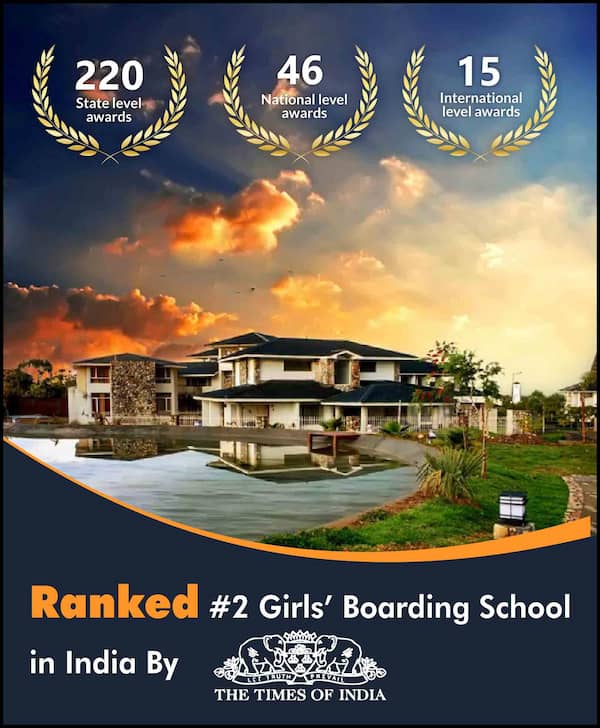
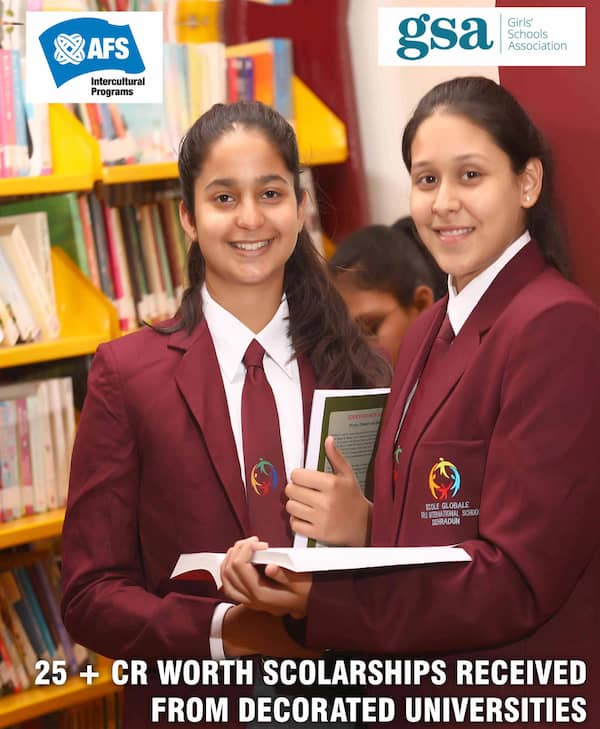
For parents exploring residential education for girls, Ecole Globale International Girls’ School in Dehradun provides a girls-only residential environment with a focus on academics, extracurricular development, mentorship, and global exposure.
Parents considering Ecole Globale should review the school’s curriculum, academic programmes, residential facilities, extracurricular opportunities, and admission requirements.
The school can be considered by families looking for a structured residential environment where students have opportunities to develop academically and personally.
Final Thoughts
Learning how to choose a boarding school requires more than comparing rankings or looking at photographs of impressive campuses. Parents need to consider the complete experience their child will receive.
Start by understanding your child’s needs. Compare curricula, teaching quality, residential facilities, safety, student wellbeing, extracurricular opportunities, fees, location, and future academic support.
Most importantly, visit shortlisted schools and involve your child in the decision wherever appropriate.
The right school is not necessarily the one with the highest ranking or the most facilities. It is the school that provides an environment where your child can learn, grow, become independent, explore their interests, and prepare confidently for the future.
Frequently Asked Questions
Q1. How do I choose a boarding school for my child?
Ans: To understand how to choose a boarding school, consider your child’s learning needs, curriculum, teachers, residential facilities, safety, wellbeing, extracurricular activities, fees, location, and future goals.
Q2. What should parents look for when choosing a boarding school in India?
Ans: When choosing a boarding school in India, parents should evaluate academic quality, residential life, student safety, pastoral care, facilities, extracurricular activities, fees, and university guidance.
Q3. How important is the curriculum when selecting a boarding school?
Ans: The curriculum is highly important because it affects how students learn and may influence their preparation for higher education. Parents should choose a curriculum that suits their child’s needs and future plans.
Q4. Should parents visit a boarding school before admission?
Ans: Yes. A campus visit can help parents understand the school’s academic and residential environment, facilities, student-teacher interactions, safety arrangements, and overall atmosphere.
Q5. What makes a good boarding school?
Ans: A good boarding school should combine strong academics with a safe residential environment, supportive teachers, student wellbeing, extracurricular opportunities, appropriate facilities, and guidance for future education.