




Education is not limited to textbooks, examinations, and academic achievements. A student also needs to learn how to treat others, make responsible decisions, handle difficulties, and understand the difference between right and wrong. These qualities are shaped by moral values for students, which play an important role in personal and social development.
Values such as honesty, respect, kindness, responsibility, empathy, patience, and fairness help children develop a strong sense of character. They influence how students behave at home, in classrooms, among friends, and later in professional and social environments.
For parents and educators, teaching values is therefore an important part of helping children become responsible and considerate individuals.
What Are Moral Values for Students?
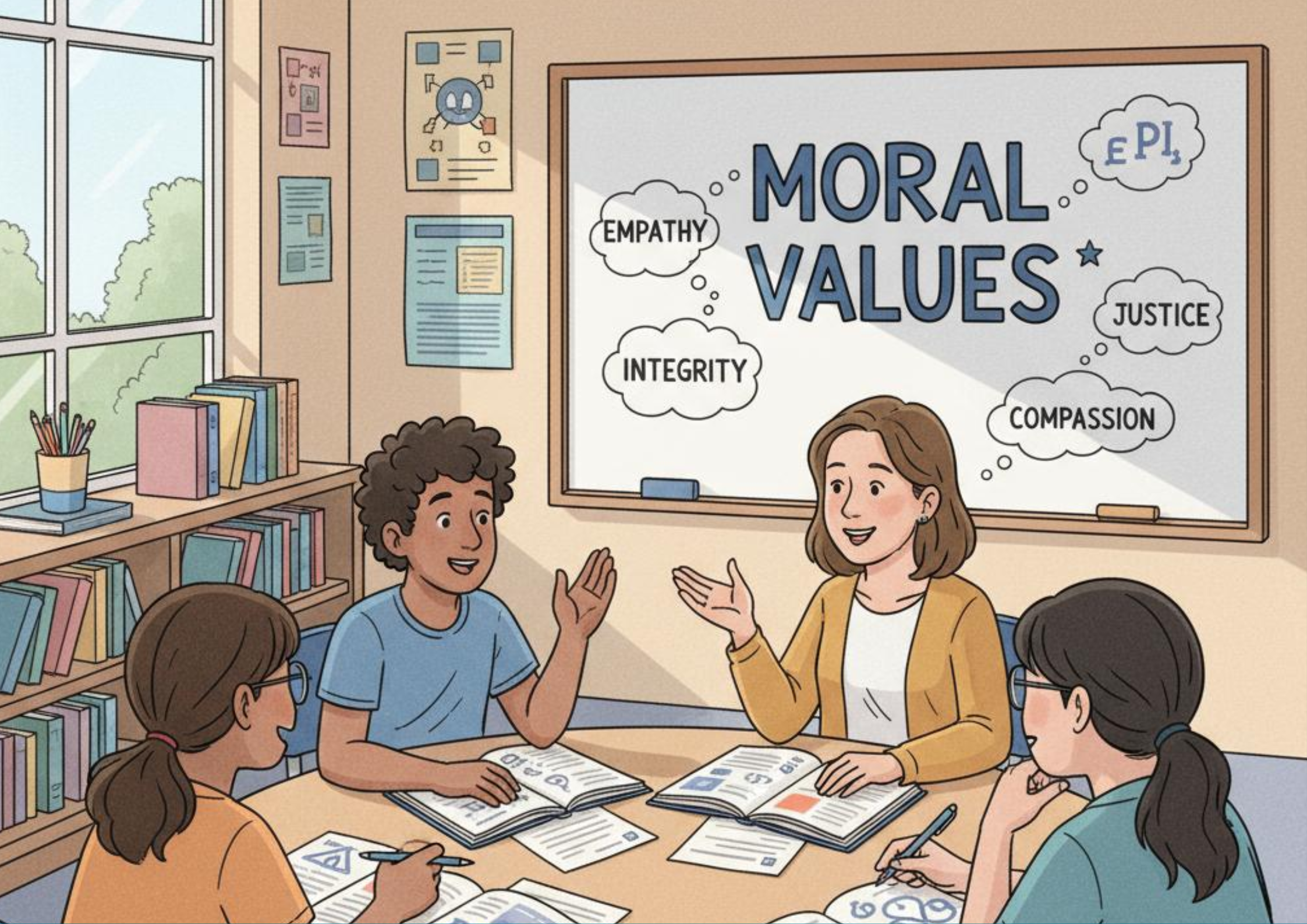
Moral values are principles that help people understand what is right, fair, respectful, and responsible. For students, these principles influence everyday choices and interactions.
For example, a student who values honesty is more likely to avoid cheating during an examination. A student who understands responsibility may complete assignments on time and accept the consequences of their actions.
Some important values include:
- Honesty: Telling the truth and avoiding dishonest behaviour.
- Respect: Treating people, opinions, and differences with consideration.
- Responsibility: Taking ownership of duties and decisions.
- Kindness: Helping and supporting others when possible.
- Empathy: Understanding another person’s feelings and perspective.
- Fairness: Treating people equally and avoiding unjust behaviour.
- Discipline: Following appropriate rules and maintaining self-control.
- Courage: Standing up for what is right, even when it is difficult.
These values do not develop overnight. They are built gradually through guidance, experiences, relationships, and consistent practice.
Why Are Moral Values Important for Students?
Academic knowledge can help students succeed in examinations and careers, but character influences how they use that knowledge. Values education can support students in making thoughtful decisions and building healthier relationships.
Builds Responsible Behaviour
Responsibility teaches students that their actions have consequences. Completing schoolwork, following classroom rules, caring for belongings, and keeping promises are simple ways children learn accountability.
Over time, these habits can help students become more dependable in both personal and professional situations.
Develops Respect for Others
Students interact with classmates, teachers, staff, family members, and people from different backgrounds. Learning respect helps them communicate without unnecessary conflict and appreciate differences.
Respect does not require everyone to have the same opinions. Instead, students learn that disagreement can exist without disrespect.
Strengthens Decision-Making
Young people regularly face choices involving friends, studies, social media, competition, and personal behaviour. Strong values can give them a framework for considering whether a decision is responsible and fair.
Rather than simply asking, “Can I do this?”, students can learn to consider, “Is this the right thing to do?”
Encourages Empathy and Kindness
Empathy allows students to understand that other people may experience situations differently. It can encourage helpful behaviour and reduce insensitive responses.
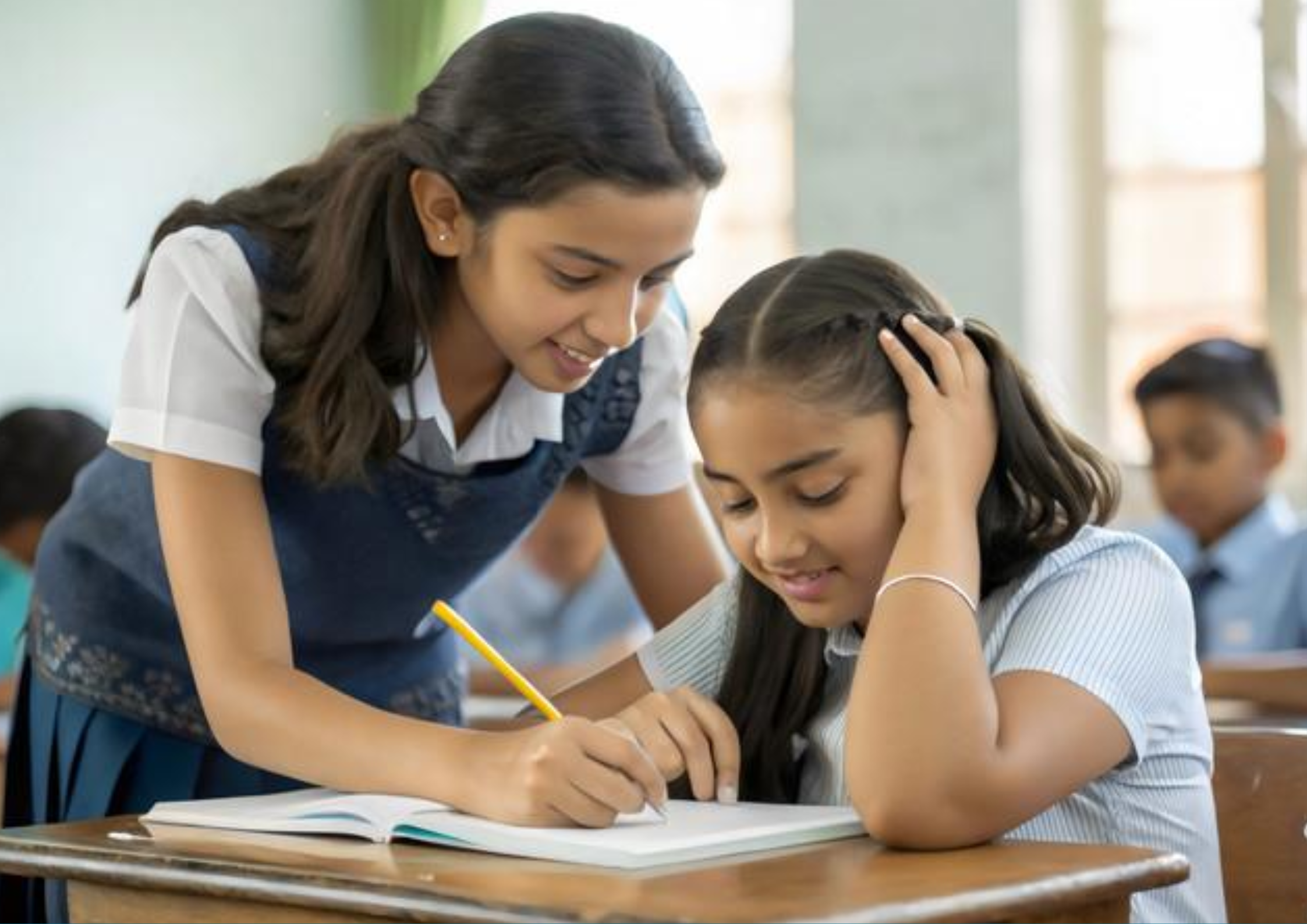
A simple act such as including a classmate in an activity or listening to someone who is upset can help children understand the practical meaning of kindness.
Benefits of Moral Values in Education

Values education can contribute to several aspects of student development when it is consistently reinforced at home and school.
Better Relationships
Honesty, empathy, patience, and respect can make it easier for students to develop positive relationships with classmates and teachers. These qualities can also help them resolve disagreements more constructively.
Improved Self-Discipline
Discipline is not only about following school rules. It also involves controlling impulses, managing time, completing responsibilities, and staying focused on long-term goals.
Students who develop these habits may find it easier to balance academics, activities, friendships, and personal responsibilities.
Greater Confidence
When students understand their principles and learn to act according to them, they may develop greater confidence in their decisions. Confidence based on character is different from simply wanting approval from others.
A student who knows that honesty matters may be more willing to admit a mistake instead of hiding it.
Positive Social Behaviour
Schools bring together students with different personalities, cultures, interests, and experiences. Values such as tolerance and fairness can help create an environment where students feel respected and included.
This can contribute to a healthier classroom culture.
How Can Parents and Schools Teach Moral Values?

Moral education becomes more meaningful when students see values being practised rather than simply being told about them.
Lead Through Everyday Examples
Children often learn from observing adults. Parents and teachers can demonstrate honesty, patience, respect, and responsibility through their own behaviour.
For instance, admitting a mistake and correcting it can teach honesty more effectively than a long lecture about telling the truth.
Encourage Open Conversations
Students should have opportunities to discuss real-life situations. Teachers can ask questions such as:
- What would you do if your friend cheated?
- How would you respond if someone was excluded?
- Should you admit a mistake even if you might get into trouble?
- How can you disagree respectfully?
Such discussions allow students to think through ethical situations rather than simply memorising rules.
Give Students Responsibilities
Age-appropriate responsibilities can help children understand accountability. Classroom duties, group projects, caring for shared spaces, and helping younger students are practical ways to develop responsibility.
Recognise Good Behaviour
Acknowledging positive behaviour can reinforce values. However, recognition should focus on the action rather than creating constant competition.
Instead of only praising a student for being “the best,” teachers can recognise specific behaviour such as helping a classmate, admitting a mistake, or showing fairness.
Schools across different educational settings, including a school in India, can incorporate values into classroom activities, school policies, sports, group work, and community initiatives. Similarly, Preschool Education can introduce simple ideas such as sharing, taking turns, kindness, and caring for others at an age-appropriate level.
Challenges in Developing Moral Values

Teaching values can sometimes be challenging because children are influenced by several environments at once.
Influence of Friends and Social Media
Peers and online content can influence attitudes and behaviour. Students may encounter opinions or behaviours that conflict with the values taught at home or school.
Instead of attempting to control every influence, adults can teach children how to question information, recognise harmful behaviour, and make independent decisions.
Inconsistent Expectations
If parents and schools communicate very different expectations, students may struggle to understand which behaviour is expected.
Consistency does not mean everyone must use identical rules. It means important principles such as honesty, respect, and responsibility should be reinforced regularly.
Pressure to Succeed
Academic and social competition can sometimes encourage students to focus heavily on results. When winning becomes more important than fairness or effort, ethical behaviour can be overlooked.
Educators can address this by recognising effort, integrity, teamwork, and improvement alongside academic performance.
Simple Ways Students Can Practise Good Values
Students do not need complicated activities to develop strong character. Small daily actions can make a meaningful difference.
They can:
- Tell the truth, even after making a mistake.
- Treat classmates and school staff respectfully.
- Complete responsibilities without constant reminders.
- Help someone who is struggling.
- Listen before judging another person.
- Accept constructive criticism.
- Follow rules even when nobody is watching.
- Give credit to others for their contributions.
- Apologise sincerely when they hurt someone.
- Stand against unfair or harmful behaviour.
These habits become more valuable when they are practised consistently rather than treated as occasional acts.
Conclusion
Moral values help students develop beyond academic performance. Honesty, respect, empathy, responsibility, discipline, kindness, and fairness can influence how young people make decisions and interact with the world around them.
The development of character is a shared responsibility. Parents can model positive behaviour at home, teachers can create opportunities for ethical decision-making, and students can practise these principles in everyday situations.
The goal is not to create perfect children who never make mistakes. It is to help students understand their choices, learn from mistakes, respect others, and gradually become responsible individuals. When values become part of everyday behaviour, education can prepare students not only for examinations and careers but also for the responsibilities of life.
FAQs About Moral Values for Students
Q1. What are the most important moral values for students?
Ans: Honesty, respect, responsibility, empathy, kindness, fairness, discipline, and courage are among the important values students can develop.
Q2. Why are moral values important in student life?
Ans: Moral values help students make responsible decisions, build healthy relationships, manage conflicts, and understand the consequences of their actions.
Q3. How can parents teach moral values to children?
Ans: Parents can teach values by modelling good behaviour, setting consistent expectations, discussing everyday situations, and encouraging children to take responsibility for their actions.
Q4. What role do schools play in developing moral values?
Ans: Schools can promote values through classroom discussions, group activities, sports, community service, school rules, teacher behaviour, and opportunities for students to practise responsibility.
Q5. Can moral values improve academic performance?
Ans: Moral values do not automatically guarantee higher grades, but qualities such as discipline, responsibility, perseverance, and time management can support positive learning habits.